
IntegrateAdapt: Integrated Climate Adaptation Data Analysis Workshop | 11-21 November 2025 – Ambon, Indonesia
/
Authored by Rindah Talitha Vida, research fellow at Universitas Pattimura (ClimateREEFS)
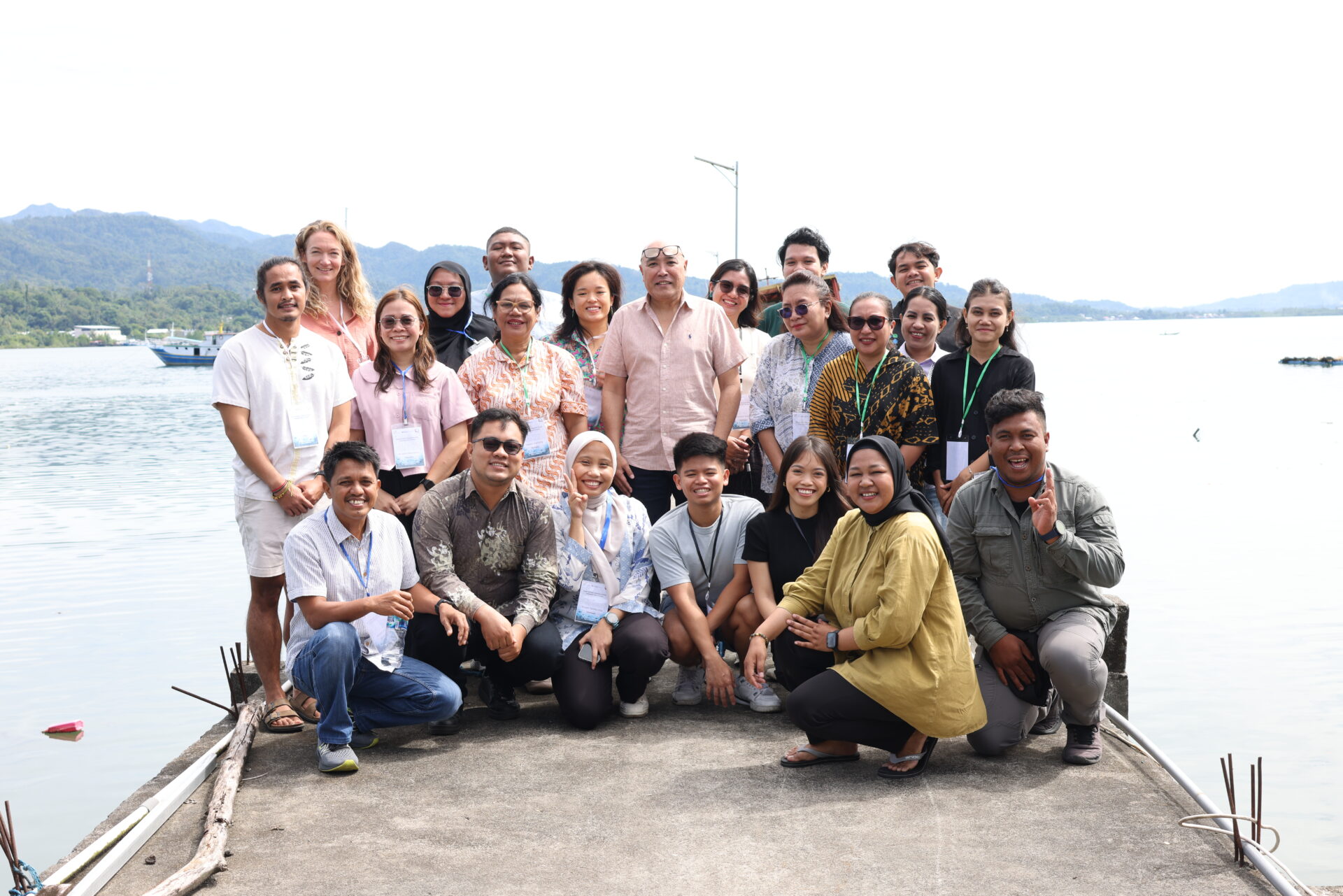
The IntegrateAdapt training was designed to strengthen the technical and analytical capacity of early-career researchers (ECRs) involved in the ClimateREEFS project. As most collaboration within the project has taken place online, opportunities for face-to-face, cross-disciplinary interaction have been limited. This workshop brought the team together in an intensive learning environment, particularly benefiting ECRs from Indonesia and the Philippines who often have limited access to advanced data analysis training and multidisciplinary research opportunities.
The programme was delivered through a comprehensive curriculum, combining statistical training using R Studio, CCVA-based social science and gender methods, the development of an integrated data analysis framework, scientific communication sessions, and additional training on GEF Coral Reef Rescue within a 2 weeks session. These components were supported by individual mentoring, group discussions, and peer learning activities to help participants work with complex datasets, deepen methodological understanding, and produce high-quality scientific outputs aligned with ClimateREEFS objectives.
Participants included ClimateREEFS ECRs from Indonesia and the Philippines, representing diverse backgrounds in ecology, genomics, and socio-economics. Trainers and facilitators came from the University of Leeds (UK), the University of the Philippines, Universitas Pelita Bangsa, and RARE Indonesia. For the GEF 7 Coral Reef Rescue session, additional facilitators joined from the University of Queensland, Reef Check Indonesia, and CARE. In addition to the core participants, the scientific communication and GEF 7 Coral Reef Rescue sessions also welcomed extra attendees, including young lecturers, NGO staff, and local government representatives from Ambon and Maluku. Their involvement enriched the discussions and broadened the reach and impact of the training.
Supporting research progress across diverse starting points
A key purpose of this workshop was to ensure that all ClimateREEFS ECRs could make progress or complete their data analysis. Participants joined the workshop with different levels of preparedness: some were still drafting their research questions, while others were midway through their analysis. The training aimed to support each ECR in advancing their work toward producing research outputs suitable for international publication and presentation at scientific conferences.
Week 1: Foundational training and troubleshooting desk
The first week began with introductions between ECRs and trainers. Because many participants had only interacted online, the session helped everyone understand each other’s backgrounds, ongoing contributions to ClimateREEFS, and individual research plans.
The week continued with a series of R-based statistical training covering data cleaning, introductory statistics, hypothesis testing, and multivariate analysis, all designed to be relevant across disciplines. The sessions also included the introduction of the research process and guidance on the proper use of AI in research. Participants also joined online sessions led by Maria Beger, PI of ClimateREEFS, on scientific writing and abstract preparation, with a shared goal of drafting abstracts for submission to the International Coral Reef Symposium (ICRS) 2026.
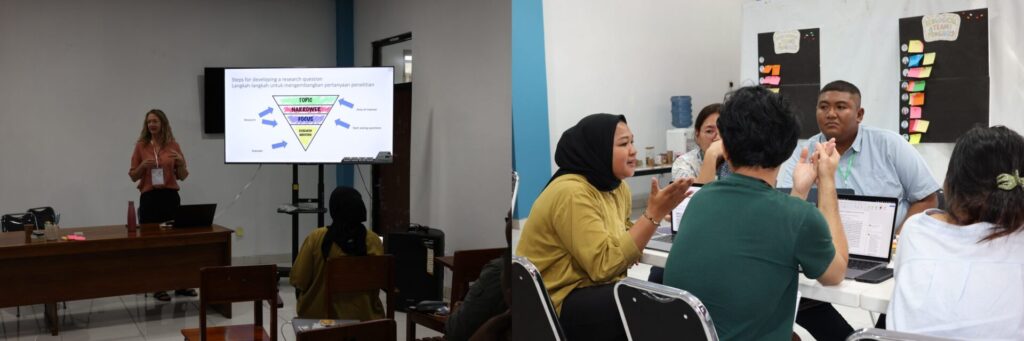
R training session and group discussion
One of the most valued components was the “troubleshooting desk,” a one-on-one mentoring system where ECRs could consult trainers about their analyses, challenges, and methodological decisions. Given the diverse starting points and disciplinary backgrounds, the troubleshooting desk was organised into breakout rooms: the ecology and genomics team worked with trainers from the University of Leeds (UK) and the University of the Philippines, while the socio-economic team received guidance from trainers at the University of Leeds (UK), Universitas Pelita Bangsa, and RARE Indonesia.
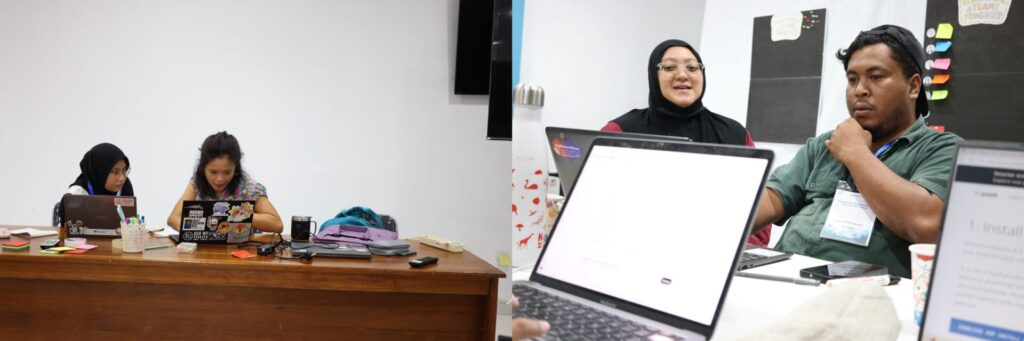
Troubleshooting desk and peer-to-peer learning dicussion
Ecology and genomics ECRs used this time intensively to run analyses, receive guidance, and learn from each other. The socio-economic team followed a tailored agenda focused on developing research questions from CCVA work, learning basic R skills, and discussing gender and social aspects relevant to their data.
Week 2: Coral Reef Rescue, science communication & integrated data analysis
In the second week, the team joined an additional hybrid session led by the University of Queensland, Reef Check Indonesia, and CARE for the GEF Coral Reef Rescue programme. Over 1.5 days, participants explored global best practices in coral reef conservation, climate-related impacts on reef-dependent communities, and practical adaptation tools. They also completed the first module, which emphasised the importance of equity, gender, and inclusion in resilience planning. Additional attendees such as young lecturers, NGO partners, and government representatives, brought valuable local perspectives that enriched the discussions.
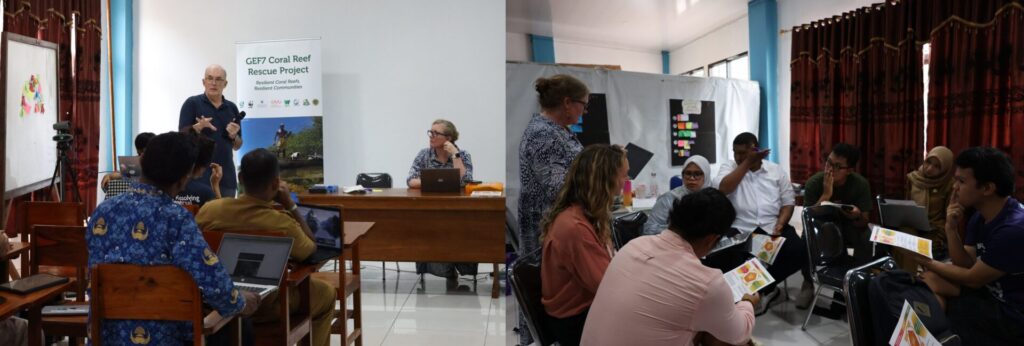
GEF 7 Coral Reef Rescue Session
The same group also participated in a science communication training facilitated by RARE Indonesia. This session focused on translating scientific findings into clear and actionable messages for communities, policymakers, and practitioners. Participants also practised designing Marine Protected Areas (MPAs) using simplified Marxan-based decision processes, helping them understand how spatial planning can be carried out with limited resources while still supporting community-level decision-making.
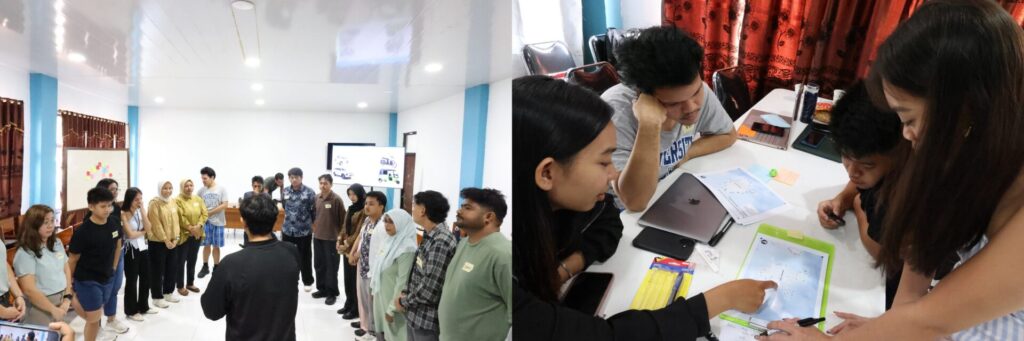
Science communication training
Week 2 also included a core ClimateREEFS session focused on developing the integrated data analysis framework. This process brought together researchers from different disciplines to design a shared approach for combining ecological, social, and genomic data. Through group discussions and collaborative design sessions, the ClimateREEFS team began shaping a framework that will guide future project outputs and strengthen holistic climate adaptation research.
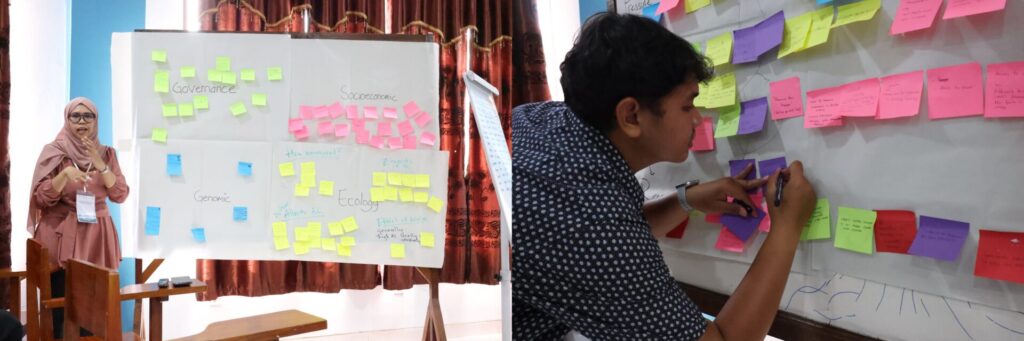
Developing the integrated data analysis framework
The workshop concluded with a closing session where all ECRs presented the progress they had made, what they had learned throughout the two weeks, and the challenges they were able to address with support from the trainers and their peers. Each participant reflected on how the training had improved their analytical skills and strengthened their confidence in working with R Studio for data analysis. The session also provided space for ECRs to outline their next research steps, ensuring that the momentum built during the workshop continues beyond the training period. This final exchange highlighted not only individual growth but also the sense of shared purpose and collaboration that developed within the ClimateREEFS community.
Closing reflections
The IntegrateAdapt workshop provided an invaluable opportunity for ClimateREEFS ECRs to strengthen their analytical skills, advance their research, and collaborate across disciplines. By bringing together ecology, genomics, and socio-economics and by integrating climate adaptation, gender, and communication perspectives, the training created a strong foundation for more robust and impactful research. The progress made during these two weeks is expected to contribute significantly to ClimateREEFS outputs and support climate adaptation efforts that can benefit coastal communities.
Categories
Countries
CLARE Pillars
CLARE Themes
CLARE Topics
Published
CLARE Projects
CLARE Partners