
When Children Become Our Hands: Unintended Gifts of Participatory Research in Karamoja, Eastern Uganda
/
By Gordon Y. Mwesigwa, PhD Student – Makerere University in Kampala, Uganda
Across pastoralist communities, childhood stage, especially among school-going boys and girls, is rarely a separate, protected stage of life. From an early age, boys and girls are deeply woven into the household work, including herding, fetching water, caring for siblings, and sustaining the household, among others. For the few who make it to school, education adds another layer of responsibility, requiring the children to balance school with hours of household labour. On the other hand, this creates an opportunity for a new role in the community, especially for those who can confidently read, write, and speak local languages and English in public.
As climate shocks intensify and decisions about water, pasture, and movement, among others, become more complex, the need to understand local realities remains urgent. Yet many elders and parents, constrained by low literacy levels and language barriers, cannot easily engage with tools of research, especially when they are required to read/write. With this gap in mind, elders in Karamoja are quietly assigning a new role to school‑going children. This is based on elders’ trust in the ability of their children to move between local languages and English, to read research tools, interpret maps, and support the translation of questions that would otherwise exclude their families. In doing so, they are no longer only learners preparing for their own futures; they are becoming vital connectors, transmitting the voices of their communities.
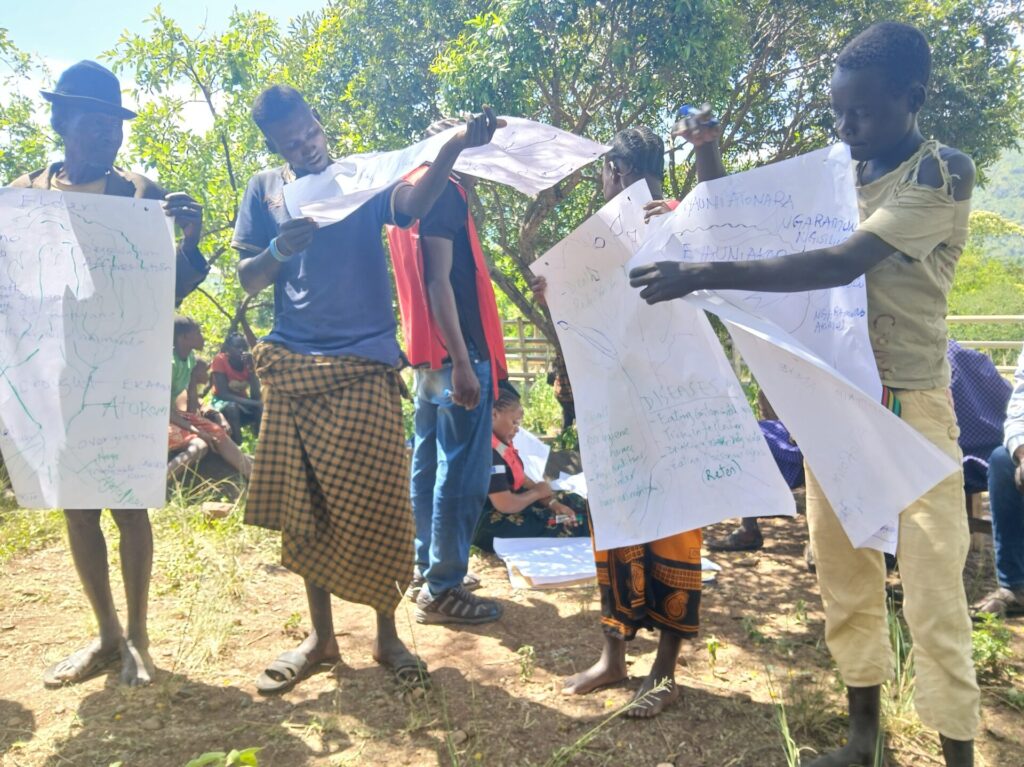
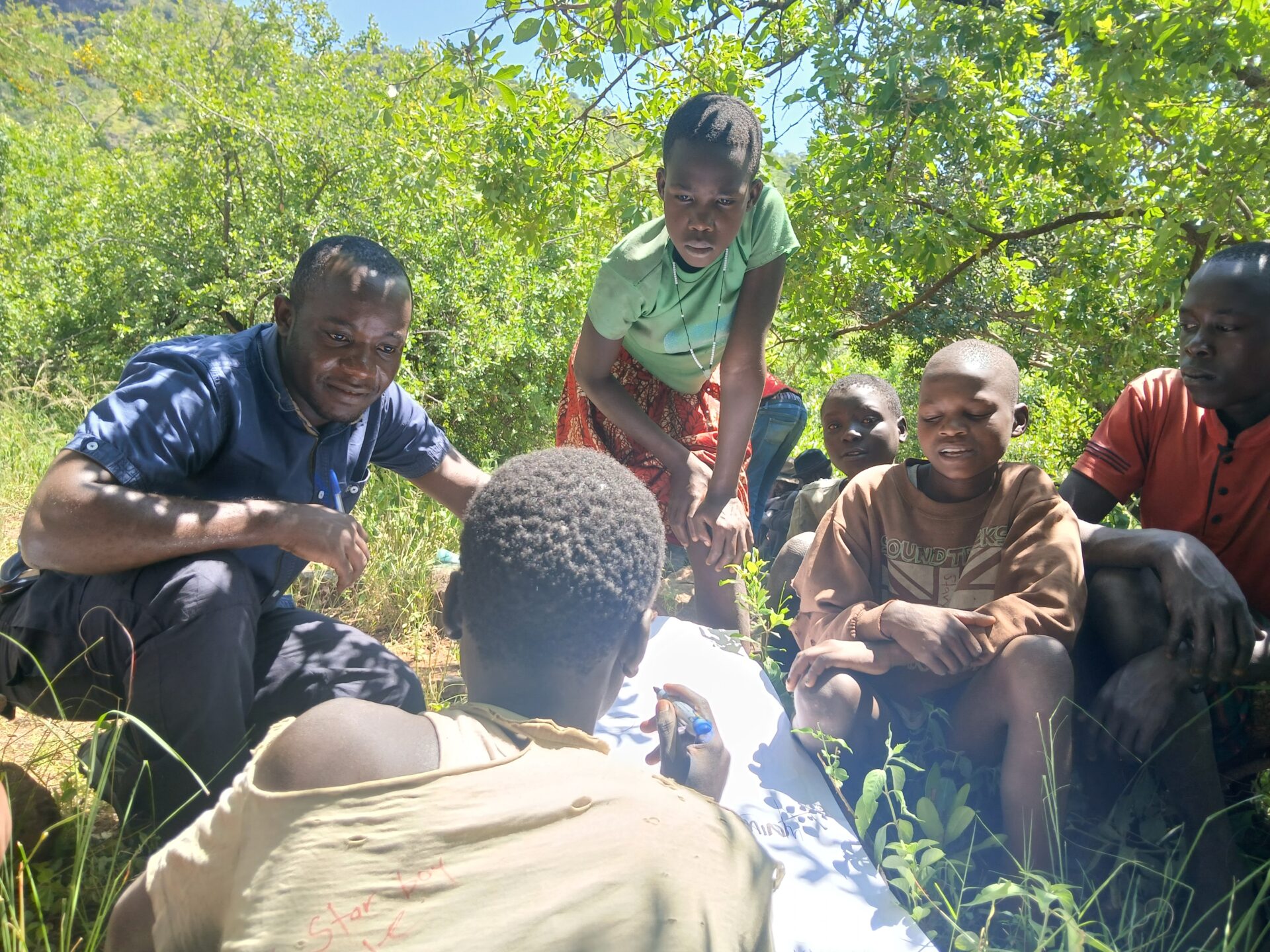
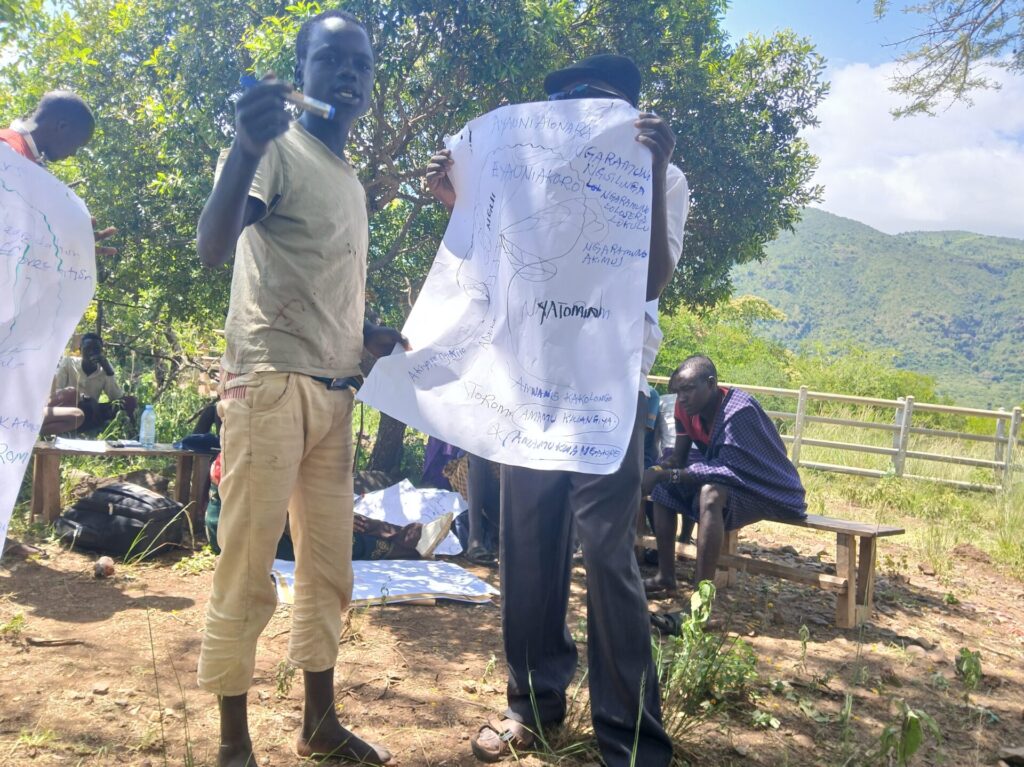
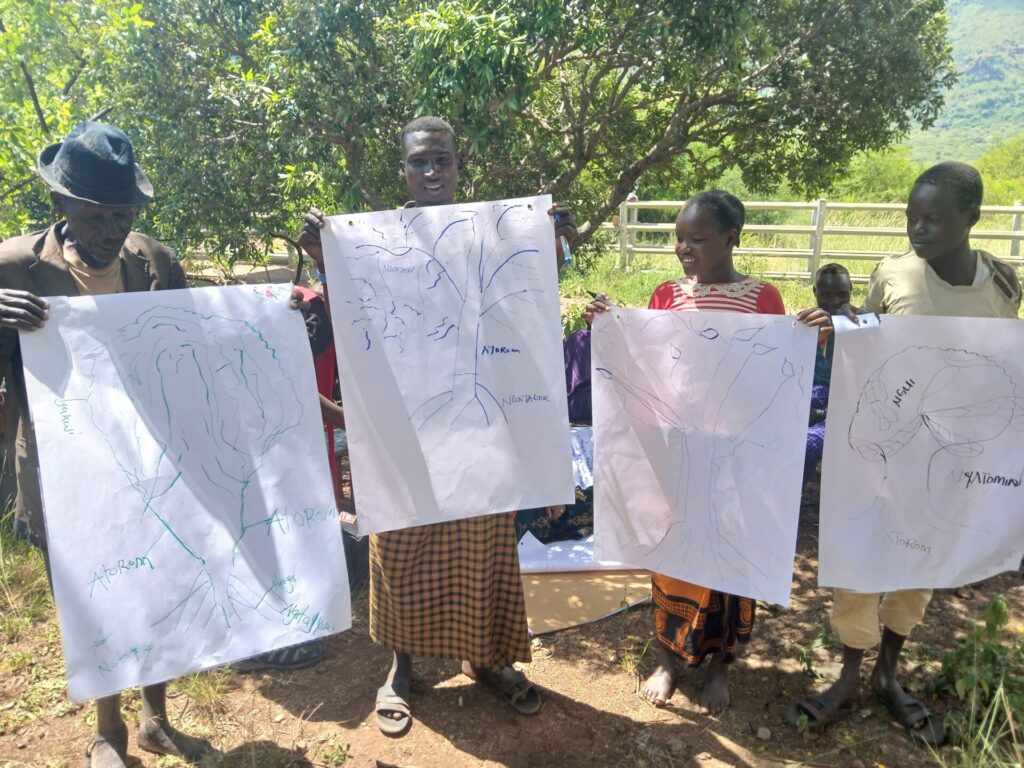
The insights in this blog come from an enhanced Vulnerability and Capacity Assessment (eVCA) conducted with pastoralist communities in Karamoja, Eastern Uganda, by the Uganda Red Cross Society under the PASSAGE Project, in which elders, adults, and children came together to reflect on how climate change is reshaping their lives. While the eVCA focused on mapping climate-related hazards, vulnerabilities, and capacities, it also revealed something quieter but deeply significant: the way school-going boys and girls (with permission of their parents), stepped forward as the “hands” and voices of the community, the majority of whom could not read and/or write (even in their local language). Sitting alongside parents and grandparents, children listened to questions, wrote down community priorities as mentioned by elders, translated between languages and generations, and presented findings to the whole group. This helped in translating the spoken stories by adults into written points, making sure that the concerns of community members were captured on flip charts and maps that would later guide local-level action planning. In doing so, they helped in capturing elders’ knowledge and lived experience to shape the analysis, where formal literacy would otherwise have been a barrier to participation. Hence, their education became a shared resource, helping to ensure that “no one is left behind” in discussions of climate risks and resilience. This demonstrated how their learning could directly strengthen community decision‑making in the face of droughts, floods, and other climate‑related challenges. Their presence on the frontline of climate dialogue showed that young people are already key actors in how communities will deal with climate risks.
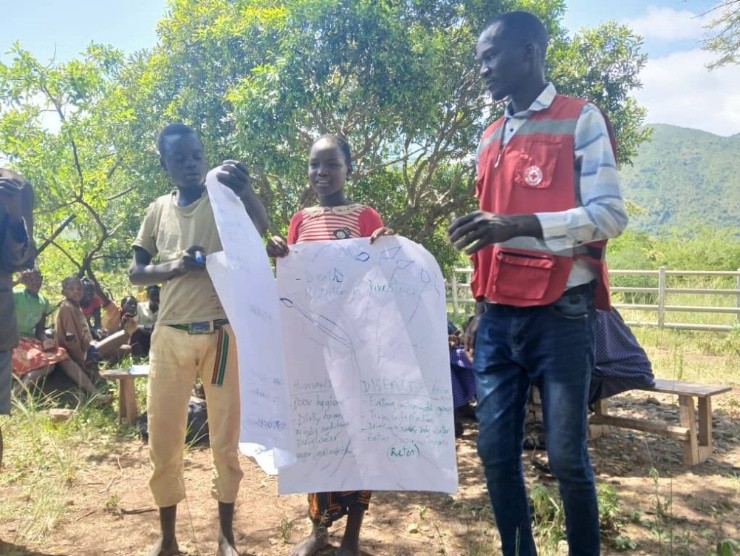
The way children supported elders during this study invites a broader discussion around re-thinking what education means for pastoralist resilience. Instead of it being seen only as a ticket out of rural life, education could actually become a shared resource that allows communities to participate more fully in analyzing risks and planning responses for their communities. In this study, the children demonstrated that basic literacy and confidence can strengthen collective voice in dialogue within local communities. This visible contribution can help parents and elders see the value of keeping their children in school, even when climate shocks and poverty create pressure to withdraw them from school for work.
At the same time, the experiences suggest that education systems ought to recognize and build on pastoralist realities rather than treating their local knowledge and rural life as obstacles. More flexible, context-aware approaches, such as curricula that include learning about local understanding of local contexts, among others, can ensure that learning contributes directly to community resilience. In this light, a parent will send a child to school not to prepare them for a better future in a different city, but also to help in strengthening the community’s capacity to understand, discuss, and act on risks that shape life in their local contexts.
Categories
Countries
CLARE Pillars
CLARE Themes
CLARE Topics
Published
CLARE Projects
CLARE Partners