
Community Stakeholders and Researchers Meet in Tana River to Improve Livestock Insurance for Pastoralists Hola, Tana River County | 3–6 March 2026
/
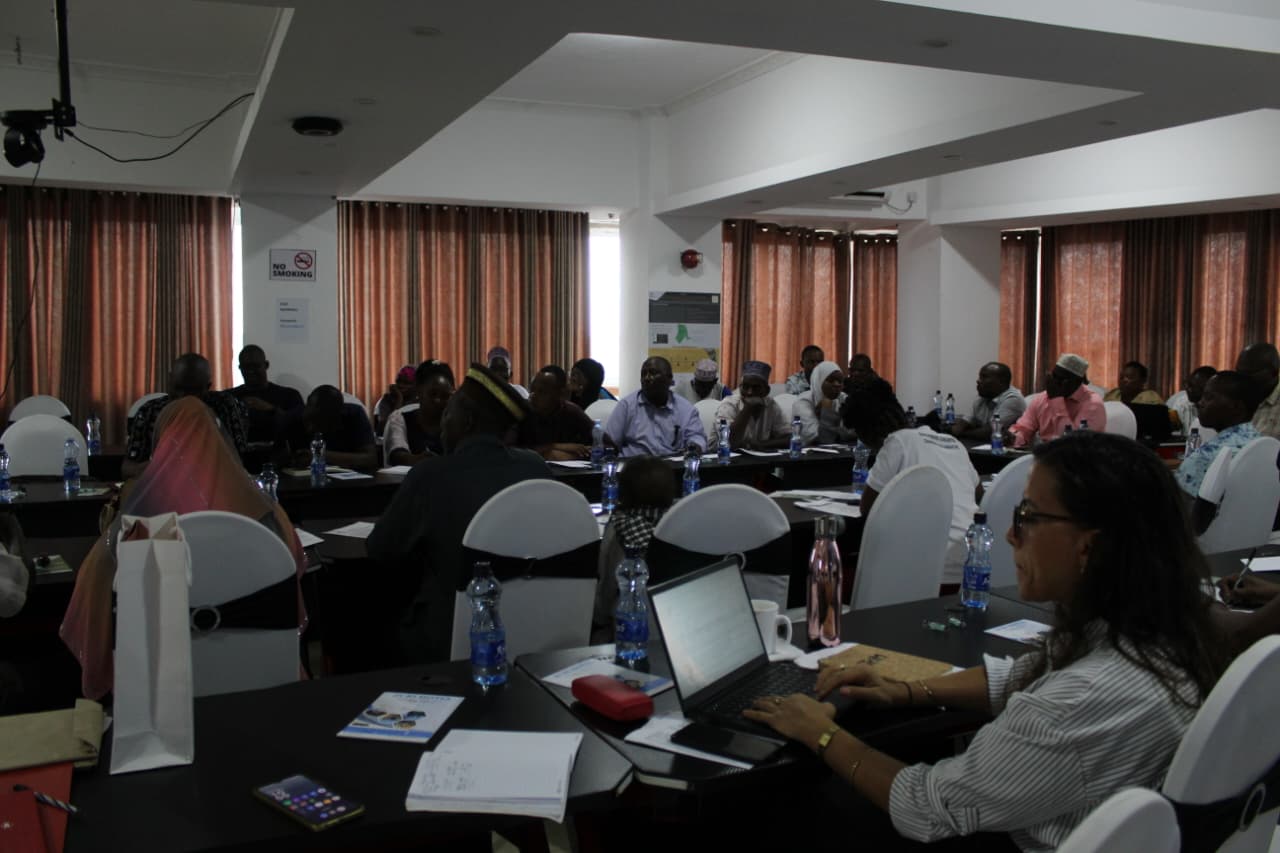
Project consortium partners (CISP, University of Nairobi, TriM_Translate into Meaning and CCGD Kenya), counter government representatives, community stakeholders, development partners and pastoralist representatives gathered in Hola, Tana River County for a four-day workshop to review progress in the BIMA research project and jointly explore improvements to the Index Based Livestock Insurance (IBLI) products.
The BIMA project contributes to the CLARE Programme a partnership between the International Development Research Centre (IDRC) and the Foreign, Commonwealth and Development Office(FCDO), supporting inclusive climate resilience across the Global South
Speaking at the workshop, Mercy Ojoyi, representing IDRC was keen to hear from the community members on the project’s impact, as well as approaches BIMA is taking towards sustainability. She further highlighted on their resolve to strengthen collaboration and enhance practical interventions that will advance climate mitigation efforts.
The Cabinet Secretary Mwanajuma Hiribae, addressed the gap expressed by participants on climate literacy, equitable participation and implementing sustainable solutions towards drought in the county.
The County Executive Committee Member (CECM) for Climate Change and Environment, Mathew Babwoya, acknowledged the consortium’s work in strengthening resilience among agro-pastoral communities and the collaboration with local authorities. He emphasized that the county government has integrated climate issues into the County Integrated Development Plan (CIDP) and stressed the importance of including women in project activities, recognizing their central role in household decision-making.
Pastoralist families in Tana River rely heavily on livestock for income and food security, yet recurring droughts linked to climate change continue to threaten their livelihoods. Livestock insurance is intended to support recovery after drought, but improving how and when payouts are triggered is critical to ensure timely and fair compensation.
Over the past six months, the BIMA team has analyzed weather and vegetation data to refine how drought conditions are measured, helping insurance payouts better reflect real losses. Preliminary findings shared during the workshop show promising improvements in predicting drought conditions, increasing the reliability of index-based livestock insurance.
Participants emphasized that drought impacts women and men differently, with women often facing additional barriers in accessing financial services. The project integrates a strong Gender Equality and Inclusion approach to ensure insurance design reflects these realities.
The training of Village Insurance Promoters was a key outcome, strengthening local capacity to support households in understanding, testing, and improving insurance products. Participants expressed the clarity on how the improved IBLI product is addressing the challenges pastoralists face such as untimely payouts and inconsistencies in reflecting their lived realities.
By combining research, community engagement, and capacity building, the BIMA project aims to deliver more inclusive and climate-smart insurance solutions that enhance resilience and protect pastoralist livelihoods in Tana River County and beyond.
Categories
Countries
CLARE Pillars
CLARE Themes
CLARE Topics