
What the ECR Seasonal School Taught Us About Research, Impact, and Community
/
Written by Tashi Paldon (SUCCESS) and Lata Biswal (CLAPs)
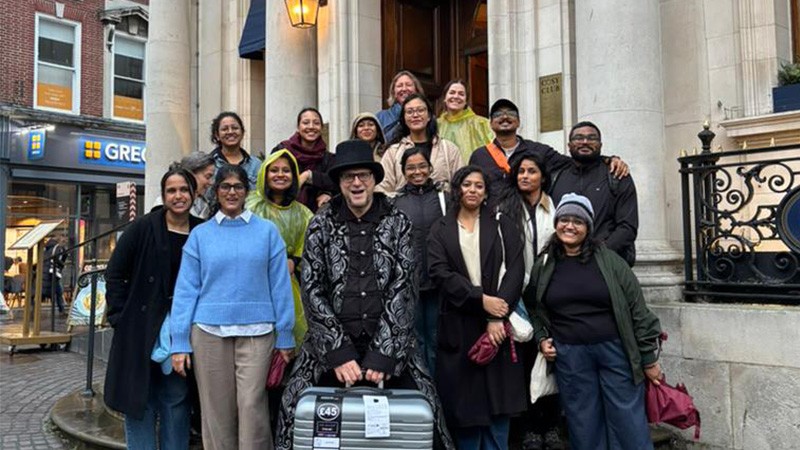
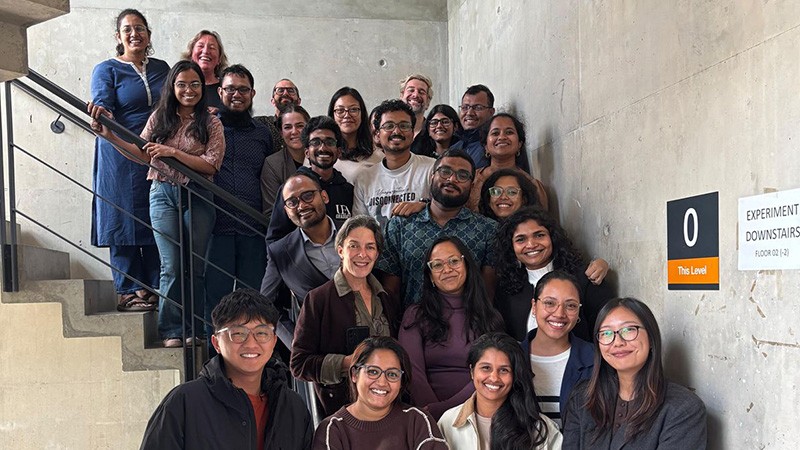
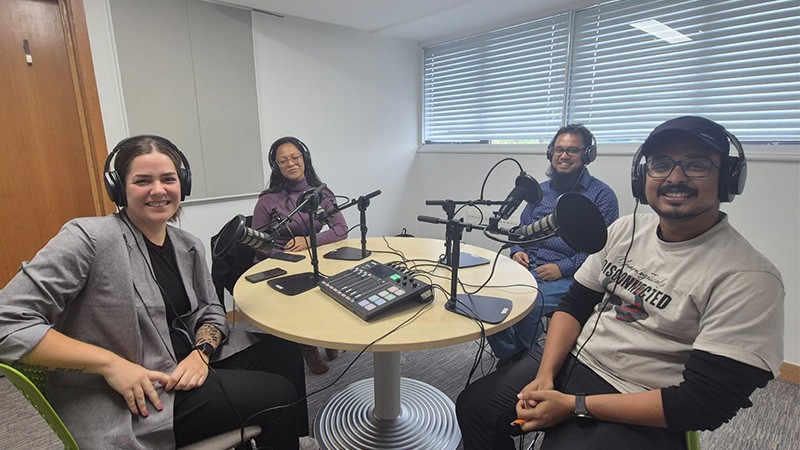
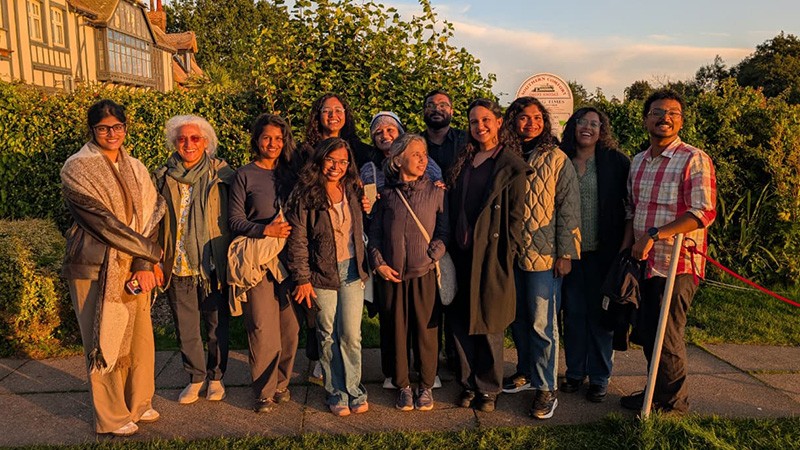
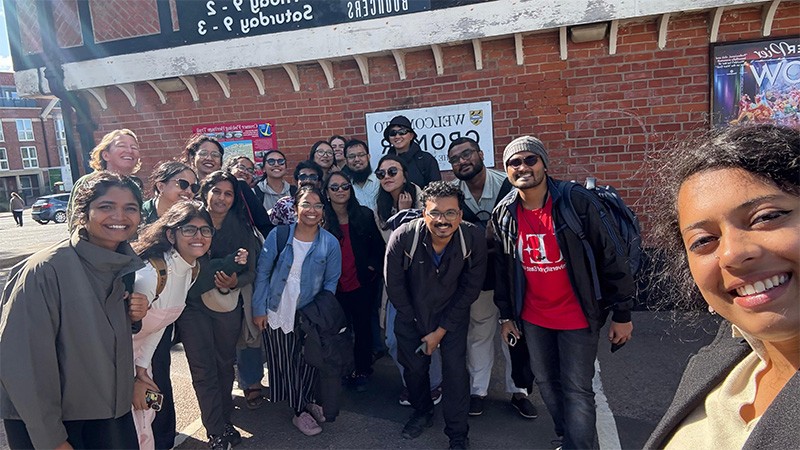
The experiences and memories we made during the three-day Early Career Researcher (ECR) Seasonal School, held in Norwich, UK from 13–15 September, are ones we will cherish for a long time. ECRs from across the SUCCESS/CLAPs consortium—Bangladesh, Bhutan, India, and Nepal—came together and quickly realised how many questions, concerns, and hopes we shared. There was a collective sense of reassurance in discovering that we were not alone in navigating the uncertainties of research life.
The Seasonal School brought together capacity-building sessions through panel discussions with external guests, roundtable conversations among ECRs, and hands-on skill training on quantitative and qualitative methods, data visualisation tools, and writing for impact. These sessions complemented the lessons we continue to learn through our own fieldwork and research practice.
One theme resonated deeply with both of us throughout the sessions: we don’t always have to know it all. During discussions, ECRs spoke candidly about their struggles in understanding what “research for impact” truly means. Hearing others articulate the same uncertainties we often experience in our work back home made us feel seen and reassured. Key lessons emerged around shaping our thinking on research for impact: how effective writing can influence policy, how knowledge can be framed into products that spark interest, and how research can be internalised at the local level by meaningfully combining academic knowledge with local and community-based knowledge. These conversations encouraged us to think more carefully about whose knowledge is prioritised and how impact is defined in practice.
The panel discussions with senior researchers from the University of East Anglia (UEA) added another layer of reflection. One statement, in particular, stayed with us: “Research doesn’t always have to be for impact.” The speaker reminded us that research itself—documenting, questioning, recording—has inherent value. Several speakers also encouraged us to reflect on positionality: how our backgrounds, identities, and strengths shape the research we do. We also learned how conversations around research impact, particularly in relation to gender and women, began gaining momentum in the 1980s, situating our work within longer scholarly and political histories.
The Surprise on the Last Day
The Seasonal School was thoughtfully designed from start to finish. From the very first day, we were prompted to reflect on what it means to be an ECR; our challenges, what works, what research for impact looks like, and who our research ultimately affects. Rotating small-group discussions created spaces for sharing frustrations and insights, and each time, we noticed how similar our journeys were despite working in different contexts.
Then came the last day…and the surprise. We were told we would be writing a paper together. The idea initially felt daunting: how could a group of ECRs possibly write a paper in a single day? What would it even be about? Only later did we realise that the discussions and reflections from the previous days had already laid the foundation.
By the end of the day, a collaborative paper had taken shape, capturing our lived experiences as early career researchers. We felt proud, inspired, and genuinely in awe of the collective effort around us. The leadership of our two leads, Prof. Mark Tebboth and Prof. Ricardo Safre De Campos, stood out strongly. They created space for ideas to emerge naturally, guiding us gently toward a shared outcome without making the process feel forced.
While some of us found it challenging to keep pace with fast-moving discussions or articulate our points quickly, everyone contributed, often by drawing deeply from their field experiences. Witnessing this process was a powerful lesson in leadership: meaningful guidance inspires rather than instructs, allowing collective creation to flourish.
Beyond the Sessions
What made the experience even more memorable were the moments beyond the classroom. The organising team including Becky, Reetika, Sarah, and others had planned everything with great care, from walking tours around Norwich to long beach walks. A small group of us attended an organ concert at the cathedral, a first-time experience for many. Through shared meals, laughter, and unstructured conversations, our bonds deepened and a sense of belonging emerged.
Looking back, we can’t help but imagine how wonderful it would be to work together every day. Though separated by borders and continents, the Seasonal School reminded us that collaboration, curiosity, and collective purpose can bridge even the greatest distances. The Seasonal School was a coming together of kindred spirits and a reminder that small acts of engagement can create lasting impact.
Editing: Sofia Juliet Rajan; Design & Layout: Midhun Mohan, Satybrat Sukla
Categories
Countries
CLARE Pillars
CLARE Themes
CLARE Topics
Published
CLARE Projects
CLARE Partners