

Traditional knowledge and Climate information helps herders navigate drought.
/
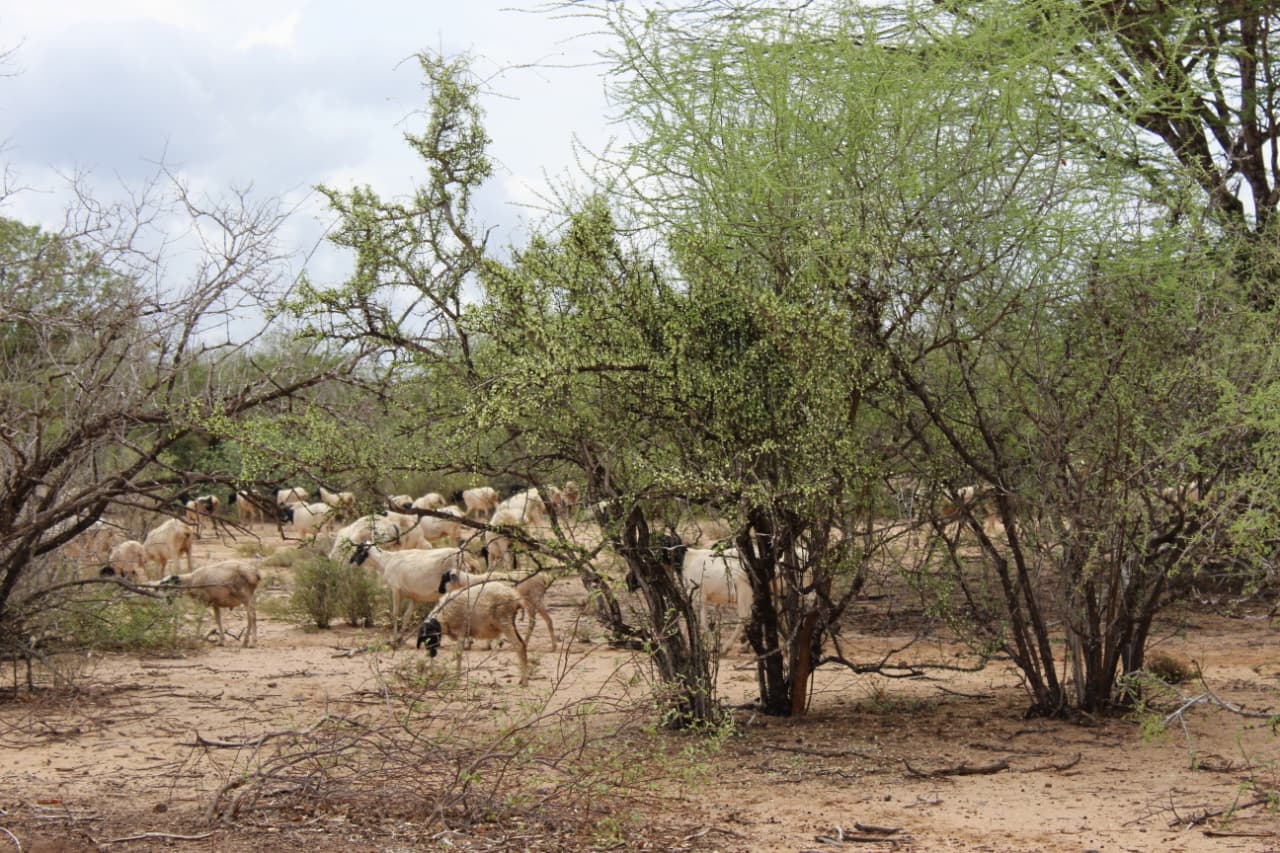
As the first clouds of the rainy season begin to gather over Tana River County, there’s a glimmer of hope after months of barely surviving the intense heat and dry conditions. Just weeks ago, the skies remained clear all day and night. Extreme temperatures soared to 40 – 45 °C. Pasture and water supply became scarce. For pastoralist communities who depend on livestock, these were familiar warning signs, a clear indication that drought was approaching.
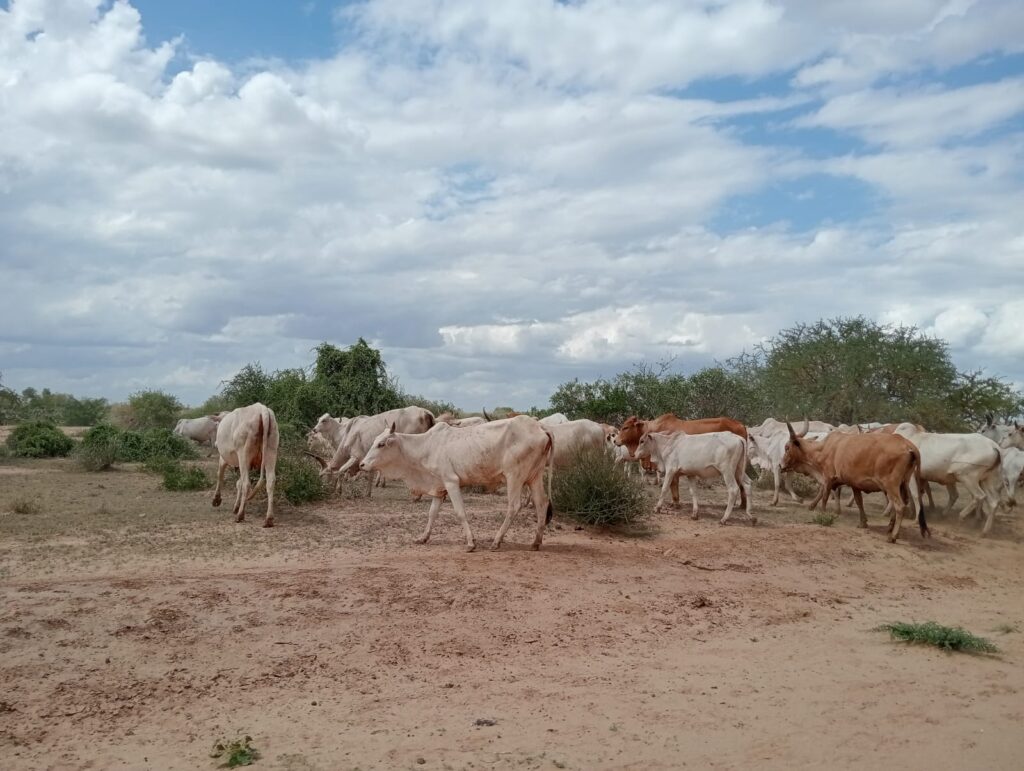
Guided by this early warning signs, and generations of traditional knowledge of the land, herders begin making critical and strategic decisions to protect their livestock: seasonal migration. They move their livestock to the Bura Irrigation scheme, a nearby drought refuge, in search for alternative sources of forage and water. The Bura irrigation scheme has proven to provide a lifeline during dry spells. It’s canals, drainage channels and water points fed by Tana River, offer reliable water for livestock when surrounding rangelands have dried up. In addition, pastoralists often purchase crop residues left after harvest from farmers within the scheme, using them as supplementary feed to help maintain the animals’ body condition during the harsh dry months.
However, this area quickly gets overpopulated as more herders arrive, and resources are depleted forcing livestock owners to search for other suitable grazing areas such as riverine ecosystems where vegetation may still persist.
To preserve the limited water sources, communities are reducing large livestock numbers in homesteads. Priority is given to milking cows and young calves which are essential for household nutrition. Some pastoralists choose to sell some of their herds before their condition worsens, using the income to sustain their livelihoods during difficult months ahead.
For Idris, the Chief and a resident of Chifiri, these decisions are deeply personal. Like many pastoralist households, his family has adopted a system of splitting the herd to balance survival of the animals with the needs of the household.
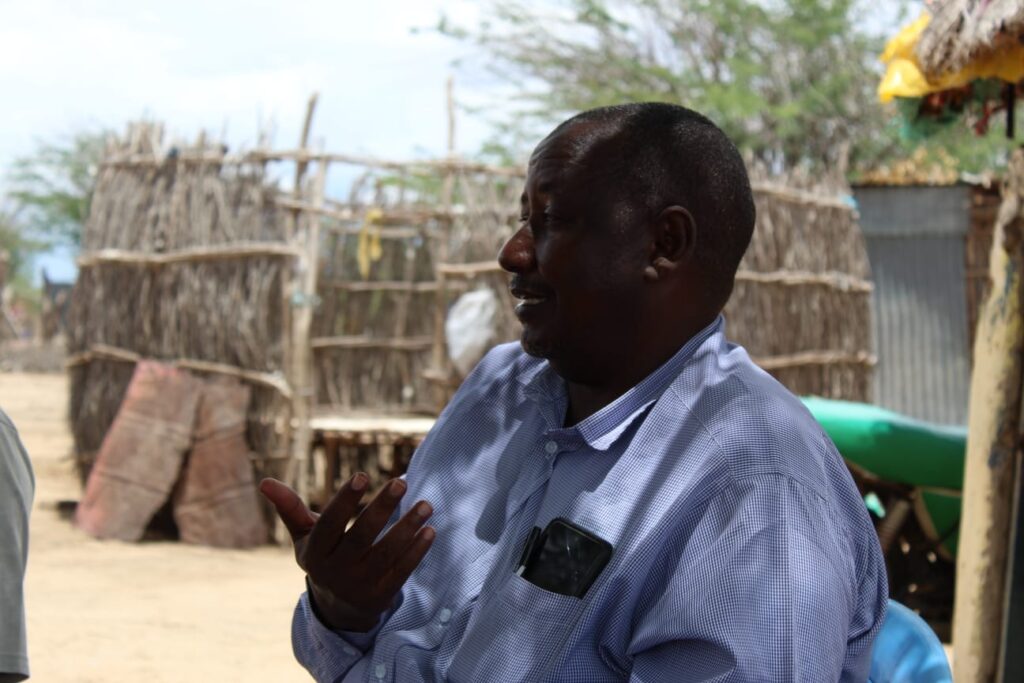
During the dry seasons, I keep the calves and dairy cows close to home, so my family continues to have milk. Meanwhile, one of my sons moves with the rest of the herd in search of better pasture and water, ensuring the animals survive while the household remains supported.
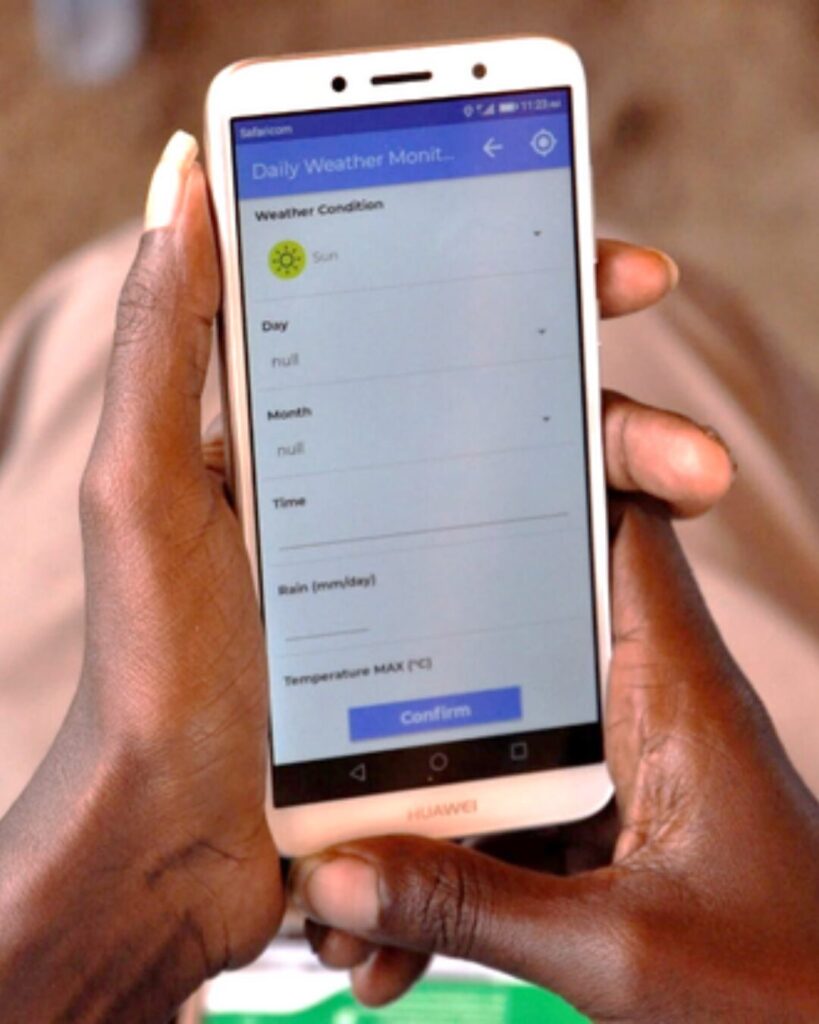
Alongside these traditional methods, communities are increasingly relying on climate information and early warning systems. The Community-Based Observers Network under TRIM – (Translate into Meaning), works closely with pastoralist communities to share timely weather and climate information. In one of the harshest seasons in the region, herders were encouraged to seek shelter between 11am to 4pm. These measures help prevent heat stress, which can weaken animals, reduce their appetite, and further compromise their health during prolonged drought conditions.
In addition to early warning information, pastoralist households are also turning to livestock insurance which provides financial protection when drought conditions lead to pasture loss and livestock stress. This safety net helps families recover faster and maintain their livelihoods even during severe climate shocks.

When we receive the payouts, we use this money to buy food for the household, forage, water from dams and medicine for our livestock. Maimuna Ismail, Livestock owner – Wayu Ward, Tana River County
By combining traditional knowledge with climate information, pastoralist communities in Tana River are strengthening their ability to anticipate and respond to climate risks. Their actions, from strategic migration to herd management and livestock insurance, demonstrate the resilience and adaptive capacity of communities living on the frontlines of climate change.
Now, as the rains begin to return to Tana River, communities look forward to the regeneration of pasture and water sources. Yet the experience of the dry season reinforces the importance of early warning information and local knowledge in helping pastoralists prepare for climate uncertainty.
Categories
Countries
CLARE Pillars
CLARE Themes
CLARE Topics