
More Than Infrastructure: How Small Community Projects Are Shaping the Way Communities Adapt in Kenya
/
By Milka Kori, SDI Kenya
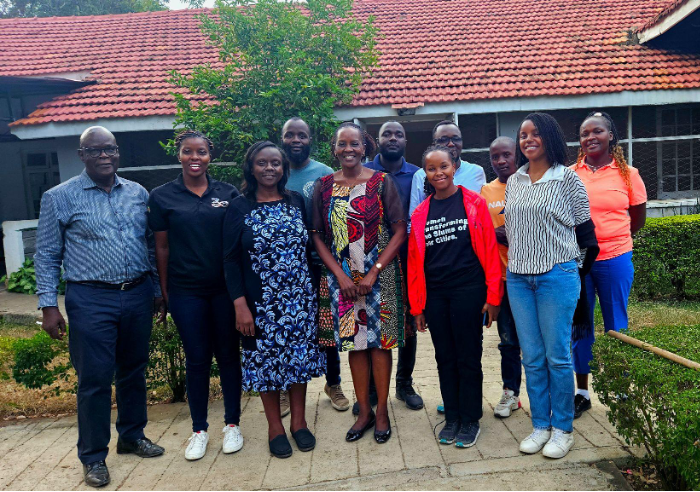
Climate resilience is often associated with large-scale infrastructure, major investments, and city-wide interventions. Yet, in many of the communities most exposed to climate risks, adaptation can begin with something much smaller: a safer drainage channel, a community resilience hub, or a home designed to withstand heat and flooding.
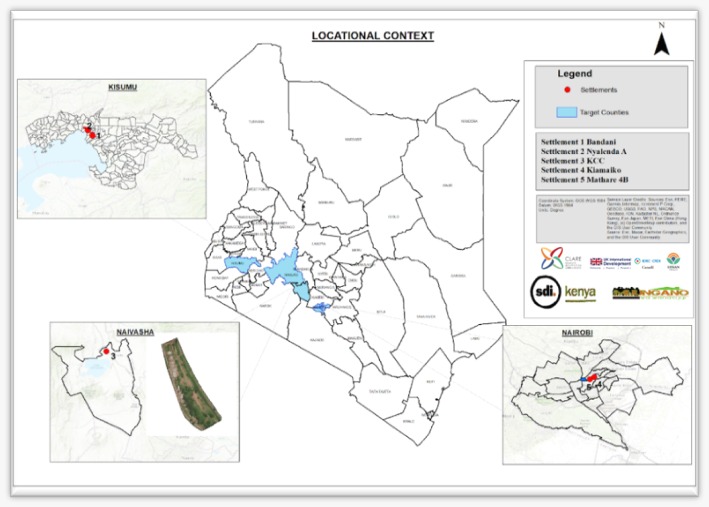
Across Nairobi, Naivasha and Kisumu, communities living in informal settlements face climate shocks that compound existing challenges, including inadequate drainage and sanitation, poor housing conditions, flooding, extreme heat and limited access to essential services. These risks can disrupt homes, movement, and livelihoods while putting additional pressure on already vulnerable communities.
Urban TRACS is demonstrating what can happen when responses to these challenges begin with the priorities and experiences of the people who face them every day. Rather than treating communities as recipients of predetermined solutions, the project places local knowledge at the center of identifying risks, co-designing responses and putting solutions into practice. From improved drainage and climate-resilient housing to resilience hubs and strengthened disaster preparedness, these interventions address immediate climate risks while creating opportunities for communities to build skills, strengthen local networks and participate in decisions about the places they live. Urban TRACS demonstrates that adaptation is not only about the infrastructure built, but also about the knowledge, relationships, confidence and local capacity developed along the way, helping communities prepare for and respond to a changing climate.
Making Places Physically Safer
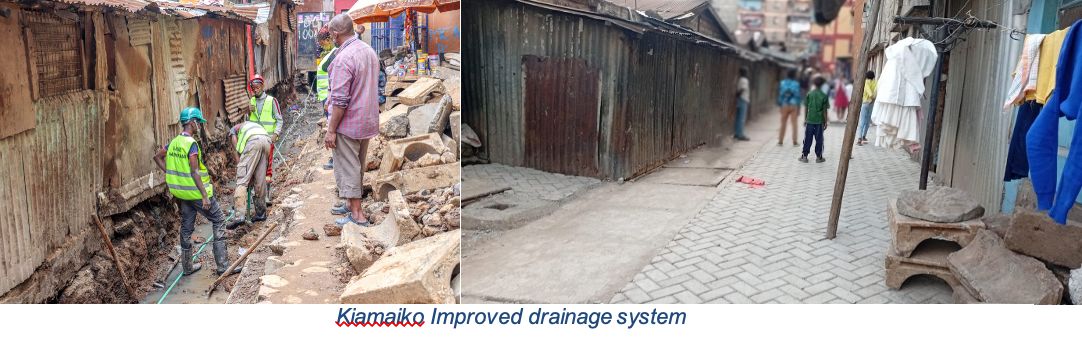
Building climate resilience begins with making everyday spaces safer for the people who use them. Across Mathare 4B, Kiamaiko, KCC Naivasha, Nyalenda and Bandani, this has involved improving physical environments in ways that reduce exposure to climate risks while supporting daily life, wellbeing and livelihoods. In Kiamaiko, drainage improvements are helping reduce exposure to flooding while creating space for children to play, community members to meet, and small businesses to operate. The intervention therefore serves more than one purpose: it makes the environment safer, improves the usability of public space and supports the community’s capacity to manage heavy rainfall and flooding.
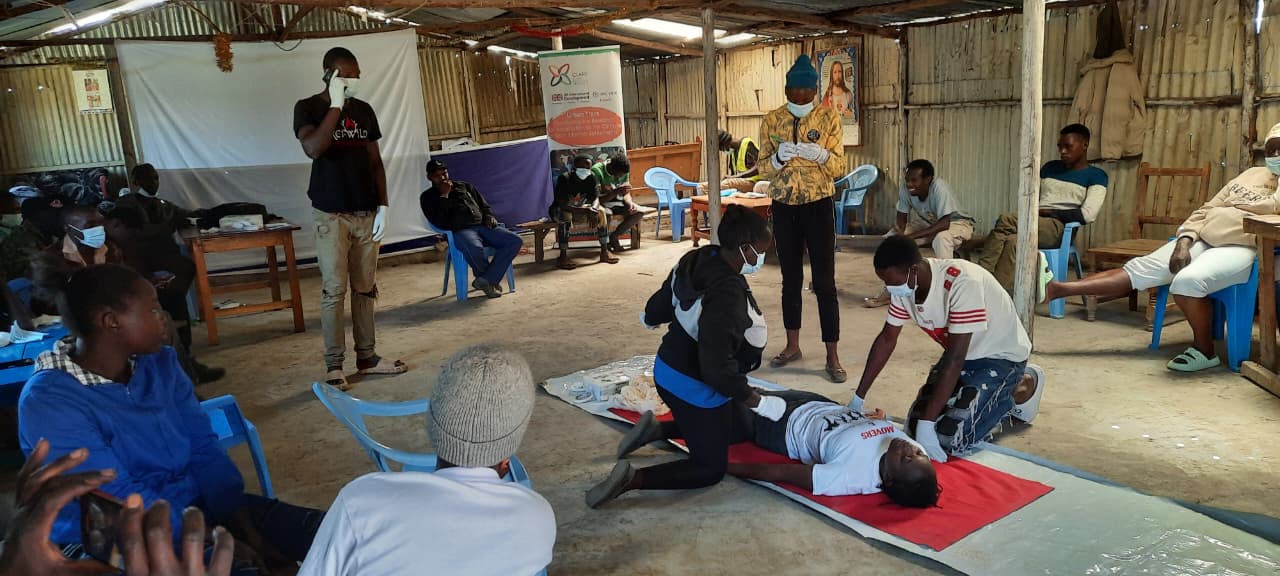
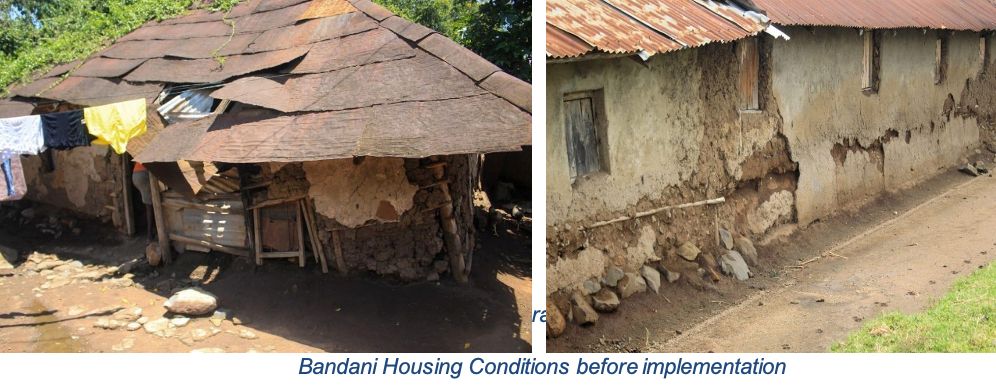
Safety also depends on having places where people can come together. Resilience hubs constructed with climate-resilient materials provide accessible spaces for communities to meet, share information, and access support. Their value extends beyond their physical design. They create an environment where residents can discuss challenges affecting their wellbeing, including mental health, and strengthen the relationships they can draw on during climate-related shocks. At the household level, climate-resilient housing in Bandani is addressing another important dimension of vulnerability. Homes designed to better withstand heat and flooding can provide safer and more comfortable living environments while reducing household exposure to climate-related hazards.
Giving communities a way to act
Infrastructure alone cannot respond when the next flood or climate shock occurs. People do, and they need the knowledge, systems and connections to act. Alongside physical improvements, efforts have focused on strengthening communities’ capacity to prepare for, respond to, and recover from climate-related risks. This has included establishing resilience hubs, strengthening Disaster Management Teams and building stronger connections between communities and county government. An important part of this work has been supporting communities to find collective ways of responding to the risks they face.
At KCC Naivasha, this is reflected in a growing sense of unity within the community. People who previously faced many of these challenges individually are increasingly coming together around shared concerns, creating a stronger foundation for collective response when climate-related emergencies occur. Resilience hubs provide spaces for communities to meet, coordinate, and access support, while Disaster Management Teams help identify local risks and support preparedness and response. Stronger links with county government also give communities channels to communicate priorities, raise concerns, and connect with relevant institutions. Together, these efforts help communities recognize risks, mobilize support, and respond collectively when shocks occur. Climate resilience is therefore not only about preparing places for climate impacts. It is also about ensuring that the people who live in those places have the knowledge, relationships and systems needed to act.
Building resilience from the household up
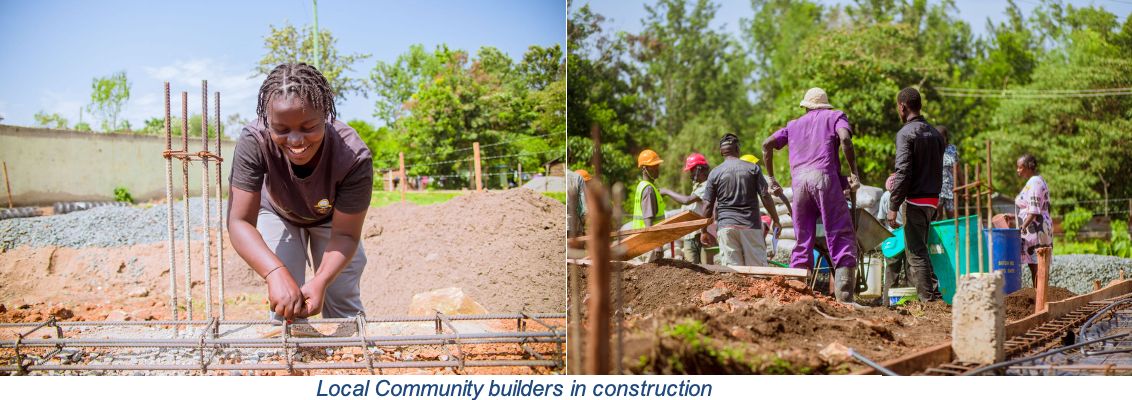
Local knowledge has been central to understanding climate risks and shaping solutions that reflect each community’s realities. In Bandani, for example, community experience is informing the exploration of alternative construction approaches suited to local site conditions. The use of rubble and stone-reinforced footings shows how homes could be built on unstable soil. This offers a locally relevant approach to improving housing resilience while responding to the physical conditions that shape vulnerability in the area.
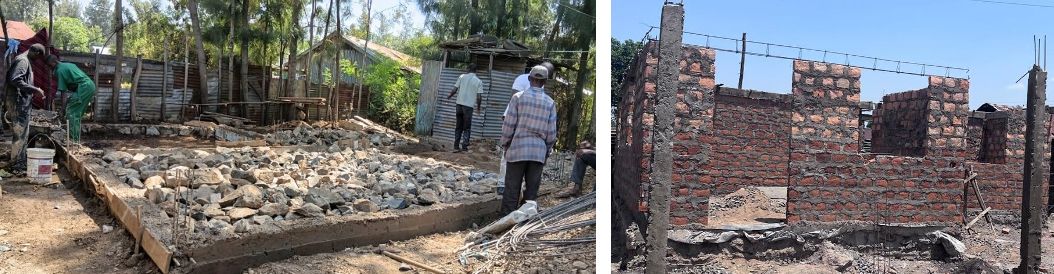
Local knowledge also extends through the construction process. Community members are participating in construction and gaining practical experience with climate-resilient building approaches. At the same time, the work is creating livelihood opportunities and opening pathways for women to develop construction skills and take on roles often dominated by men. The housing intervention has also included households facing greater exposure and vulnerability to climate risks. Their participation ensures that those most affected help shape and implement the solutions intended to support them.
In this way, the project is building more than climate-resilient homes. It is strengthening the knowledge, skills, livelihoods and participation that enable households and communities to understand and respond to climate risks.
Creating change beyond the physical intervention
The most lasting changes are not always the ones you can see. Alongside physical improvements, the process has strengthened people’s confidence, skills, relationships and ability to participate in decisions that affect their communities. Across Nairobi, Naivasha and Kisumu, communities have gained practical experience through research, co-design and implementation, strengthening their ability to identify risks and shape responses that reflect their own priorities.
“Through this project, the young people have gained practical construction skills, while the wider community has learned better ways of managing waste and improving hygiene. For me, it means not only having improved drainage, but also gaining skills and knowledge that I can continue to use and share in my community.”, Young community co-researcher, Kiamaiko settlement.
Working together has also strengthened relationships within communities and between communities and institutions. Collaboration with county governments has been instrumental in this process, helping create pathways for community priorities to reach local decision-makers and for local authorities to engage more directly with the realities and needs communities identify.
These relationships have created greater confidence to raise concerns, engage with decision-makers and advocate for action. They have also supported local preparedness, with communities better positioned to recognize risks, share information and mobilize around emerging challenges. Working through climate risks together has strengthened a sense of ownership, with communities increasingly seeing themselves not simply as recipients of interventions, but as actors in shaping the resilience of their neighborhoods. Physical interventions may be the most visible outcomes, but the knowledge, relationships, confidence, and local capacity built along the way can continue to drive change beyond the life of the intervention.
Pathway for community resilience
Small community projects will not replace the need for large-scale investment in climate adaptation. They do, however, show how resilience efforts can become more relevant, inclusive, and effective when grounded in local priorities. Across Nairobi, Naivasha and Kisumu, the value of these interventions lies not only in the drainage channels, homes and resilience hubs being built. It also lies in the skills gained, relationships strengthened, voices heard, and local systems created through the process. Physical interventions may be the most visible outcomes. But the knowledge, confidence, partnerships, and local capacity built along the way can continue to drive adaptation beyond the life of any individual project.
Categories
Countries
CLARE Pillars
CLARE Themes
CLARE Topics
Published
CLARE Projects
CLARE Partners