
Intersectionality and Nature-based Solutions in African Cities
/
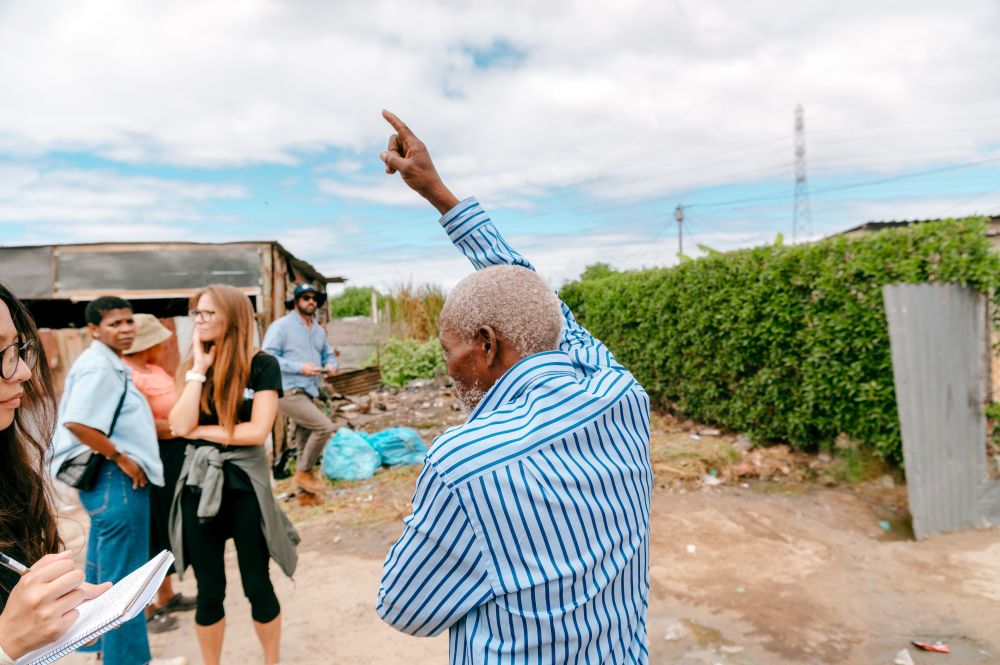
How do power, identity, and inequality shape the way we experience climate risks in African cities? Too often, broad adaptation policies and Nature-based Solutions (NbS) risk reinforcing existing exclusions if they fail to account for how people actually live, move, and experience the city.
This short video from the Tuwe Pamoja project explores how integrating an intersectional lens into urban adaptation helps uncover root vulnerabilities, centre marginalised voices, and design more just, context-specific solutions.
It reveals that intersectionality is fundamentally a lens on power, inequality, and discrimination – and this lens matters deeply for African urban contexts. Many development and climate adaptation decisions are framed as neutral or “for the public good,” – but often end up reinforcing existing inequalities, or creating new exclusions. Infrastructure, housing, green spaces, or resilience choices always reflect the priorities of some people more than others.
When we start from the perspectives of people who experience multiple forms of marginalisation, discrimination and oppression – our understanding of climate-resilient development shifts.
Categories
Countries
CLARE Pillars
CLARE Themes
CLARE Topics
Published
CLARE Projects
CLARE Partners