
CLARE-ASEAN
Introduction
The CLARE-ASEAN initiative, “Supporting Socially Inclusive Climate Adaptation & Resilience in ASEAN”, is dedicated in strengthening urban resilience to climate change across ASEAN cities. Led by the Asian Institute of Technology, under the leadership of Prof. Shobhakar Dhaka(PI), Prof. Mukand Babel, Prof. Paula Banerjee and Dr. Malay Pramanik, the program combines place-based research, regional synthesis, and policy engagement to foster socially inclusive and sustainable climate adaptation strategies. Endorsed by key ASEAN bodies, CLARE-ASEAN is positioned as a leading regional initiative advancing with action oriented -research until December 2026.
Objectives
CLARE-ASEAN seeks to generate new knowledge and enhance research capacity for urban resilience by strengthening physical, social, and governance aspects. Its objectives are:
- Enable socially inclusive and sustainable actions to support resilience to climate change and natural hazards, including through nature-based solutions.
- Scale up research and innovation efforts to provide better information on climate risks, improved decision-making tools, and transformative climate adaptation solutions for ASEAN countries.
Themes
The initiative is guided by two major research themes:
- Multifaceted and hazard-agnostic urban resilience — covering risks and resilience assessment, hotspot identification, governance, finance, integrated infrastructure, and solutions that drive structural change for better urban planning and decision making.
- Resilience against worsening urban heat extremes — focusing on heat risk assessment, monitoring, urban heat management options in infrastructure and technologies, and the role of Nature-based Solutions.
Regional Syntheses of Evidences
CLARE-ASEAN is consolidating regional knowledge through syntheses of existing research. These syntheses activities focus on:
- Nature-based solutions and actions for urban climate adaptation and resilience
- Urban heat management and responses
- Financing for urban climate adaptation and resilience
- Efficacy of urban planning and governance in urban climate adaptation
The outputs will include comprehensive policy-relevant reports, summaries for policymakers, and knowledge products drawn from scientific and grey literature.
Region-wide research and policy networking, outreach and dissemination
CLARE-ASEAN aims to play a prominent role in regional platforms. It plans to engage as well as organize regional events. Through engagements in regional activities, CLARE-ASEAN aims to build strong regional partnerships and amplifying evidence-based climate adaptation dialogues. Engagement highlights include:
- Project Steering Committee meeting with ASEAN Secretariat and ASEAN/AWGCC-Chairmanship in June 2025.
- CLARE-ASEAN Inception Workshop to drive project as well as engage with the regional stakeholder in June 2025.
- Participation in ASEAN Regional Consultation Meetings for the ASEAN Climate Change Strategic Action Plan (ACCSAP) 2025–2030.
- Convening a flagship session on transformational adaptation, and engaging with The Asia Pacific Climate Change Adaptation Forum in October 2025.
- Engagement with the authors of IPCC Special Report on Cities.
- Contributions and engagement to the ASEAN-UK Dialogue on Sustainability (March 2026) and the ADB’s Community Resilience Partnership Program (February 2026).
- Second Project Steering Committee meeting with ASEAN Secretariat, and ASEAN/AWGCC-Chairmanship in May 2026 (online).
- Regional Workshop and dialogue on, “Strengthening Urban CLimate Adaptation and REsilience in ASEAN: Bridging Knowledge-Policy-Action Gaps in May 2025”.
CLARE-ASEAN is also organizing place-based stakeholder events in the initiated-projects in seven ASEAN member states. At regional level, it is organizing regional events bringing stakeholder from the region and beyond, and linking also with broader CLARE-community, especially CS-HUB and R4IMPACT. Webinars and consultation are providing venue for networking, dissemination as well as inputs to the evidence tailoring.
Evidence tailoring
CLARE-ASEAN carries out evidence tailoring using inputs from the regional syntheses of evidence, inputs from regional events organized by the project, webinars and consultations, and drawing evidences from CLARE-ASEAN initiated place-based action research covering seven countries and fourteen cities. These evidences will be presented as recommendation to the ASEAN policy makers and the broader community to strengthen urban climate adaptation and resilience in ASEAN cities.
CLARE-ASEAN’s emphasis on ASEAN Member State participation ensures that research outputs are both regionally grounded and strategically aligned with national and regional priorities. By embedding Asean Member States perspectives into consultations, workshops, and dissemination processes, the initiative strengthens regional alignment and reinforces the relevance of its findings. This structured engagement provides a clear pathway for translating evidence into actionable strategies, ensuring that outcomes are purposeful, responsive, and positioned to inform decision making at regional level.
CLARE-ASEAN Initiated Research Activities in ASEAN Cities
CLARE-ASEAN is conducting four place-based, action-oriented research projects that span across seven ASEAN countries and fourteen cities. These projects cover diverse urban contexts, including coastal cities and cities facing high urban heat extremes, while working closely with vulnerable sectors and the communities. Each project is active in engaging with stakeholders, involving ASEAN Member States (AMS) representatives, and ensuring that research outcomes are both inclusive and policy-relevant.
1. (Be-Housing) Beyond Housing Types: Comparative Study of Urban Poor Settlements for Urban Heat Adaptation and Inclusive Urban Future in South-East Asia Countries.
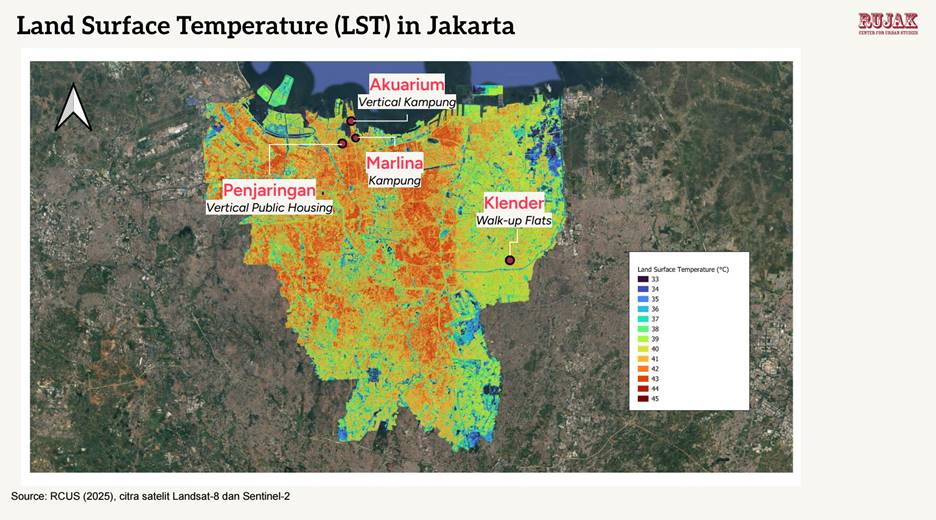
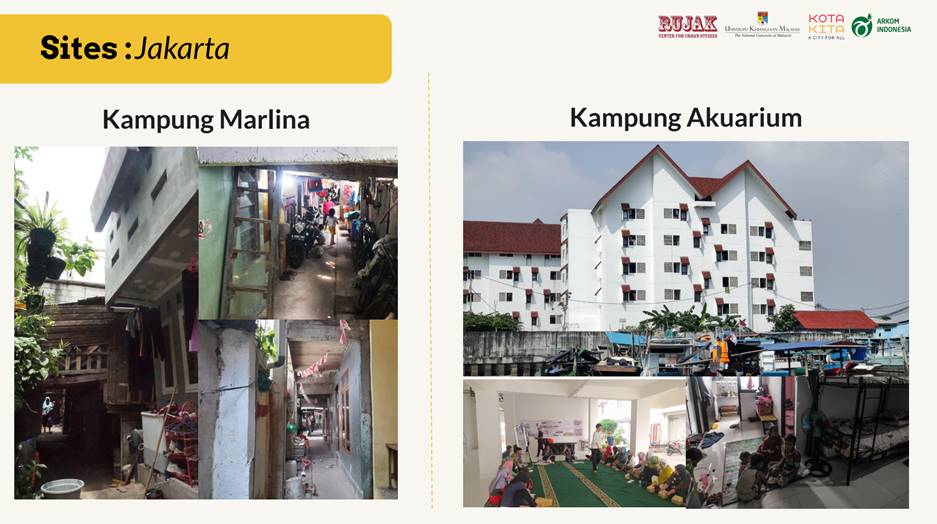
Project Location: (Jakarta, Surbaya, Semarang)- Indonesia, Selangor- Malaysia.
Partners: Rujak Centre for Urban Studies, Institute of the Malay World and Civilization- National University of Malaysia, Kota Kita Foundation, Arkom Indonesia.
Led by Dr. Dian T. Irawaty (Rujak Centre for Urban Studies, Indonesia), this project explores urban poor settlements in Indonesia and Malaysia to understand urban heat and suggest heat mitigation options in different housing typologies. Early work includes field surveys, architectural documentation, stakeholder engagement to develop a typology framework for analysis of inclusive urban heat adaptation.
2. (NbCLARE) Nature-Based Solutions for Climate Adaptation and Resilience: A Framework to Enhance Design and Implementation of Nature-based Solutions through Integration of Evidence-Based Practices and Policies.
Project Location: Bangkok- Thailand, Vientiane- Lao PDR, Ho Chi Minh- Vietnam, Cameron Highlands- Malaysia, Bali- Indonesia.
Partners: Thammassat University, Kasetsart University, International University – Vietnam National University- HCMC, National University of Laos, Universiti Tenaga Nasional, Institut Teknologi Bandung.
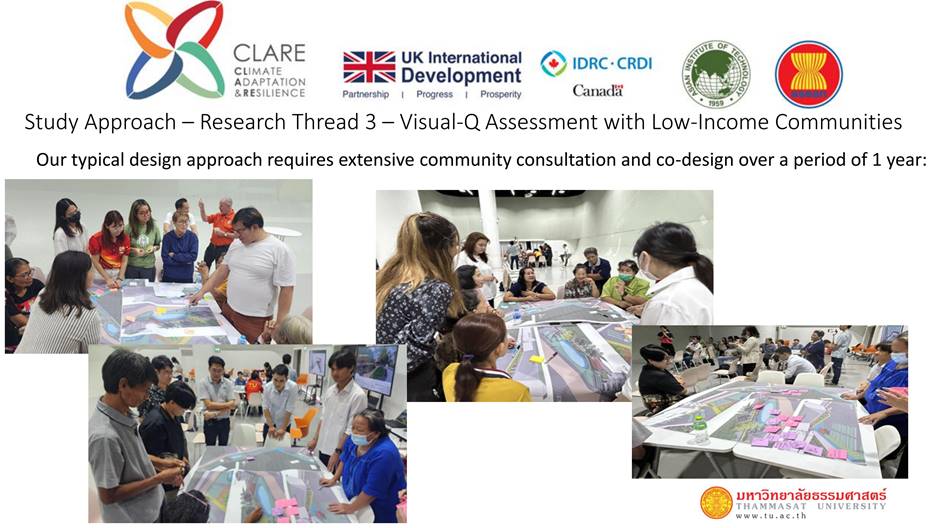
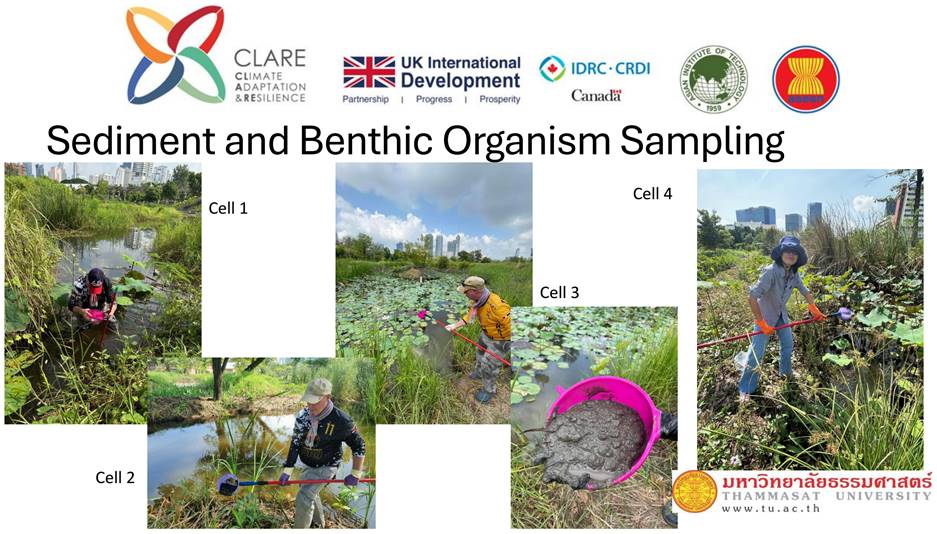
Led by Dr. Kim N. Irvine (Thammasat University, Thailand), NbCLARE is working to create practical guidelines for how Nature-based Solutions can be more effectively designed and implemented in selected ASEAN cities. Measuring ecosystem services, reviewing national policies, and listening to the experiences of communities including vulnerables are key features. The project aims to show how NbS can directly strengthen urban resilience to climate change.
3. (HAMR) Heat Adaptation in the Mekong Region: Bridging Science, Policy, and Sustainable Design in Thailand, Cambodia and Vietnam.
Project Location: Nakhon Ratchasima- Thailand, Phnom Penh- Cambodia, Hanoi- Vietnam.
Partners: Thailand Environment Institute, RMIT Vietnam, Alluvium, Royal University of Phnom Penh (RUPP).
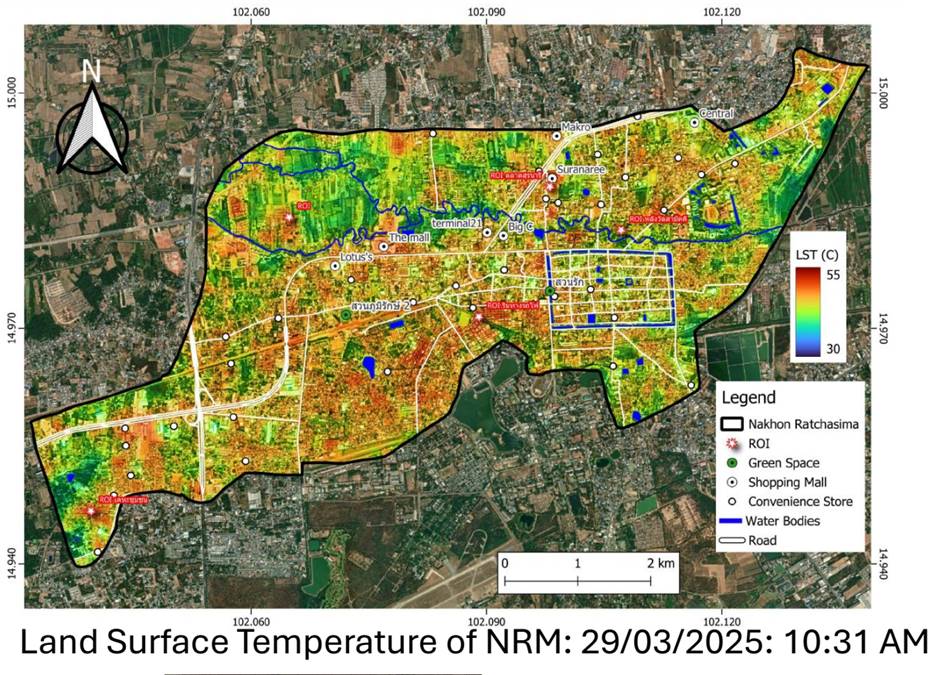
Led by Dr. Jeeranuch Sakkhamduang (Thailand Environment Institute), HAMR is developing evidence-based and inclusive strategies to reduce urban heat risks in Nakhon Ratchasima, Phnom Penh, and Hanoi. By combining structural measures such as green and blue infrastructure with non-structural approaches like policy interventions and community-based initiatives, the project aims to identify scalable solutions that strengthen resilience while ensuring accessibility for vulnerable groups.
4. (CAPE) Climate Action and Participatory Experiments: Climate Action and Participatory Experiments for Urban Resilience in the Philippines and Vietnam.
Project Location: Quezon City- Philippines, Can Tho City- Vietnam.
Partners: University of Philippines Diliman, An Giang University, The University of Melbourne, York University, Lingnan University, Work In Progress (WIP)
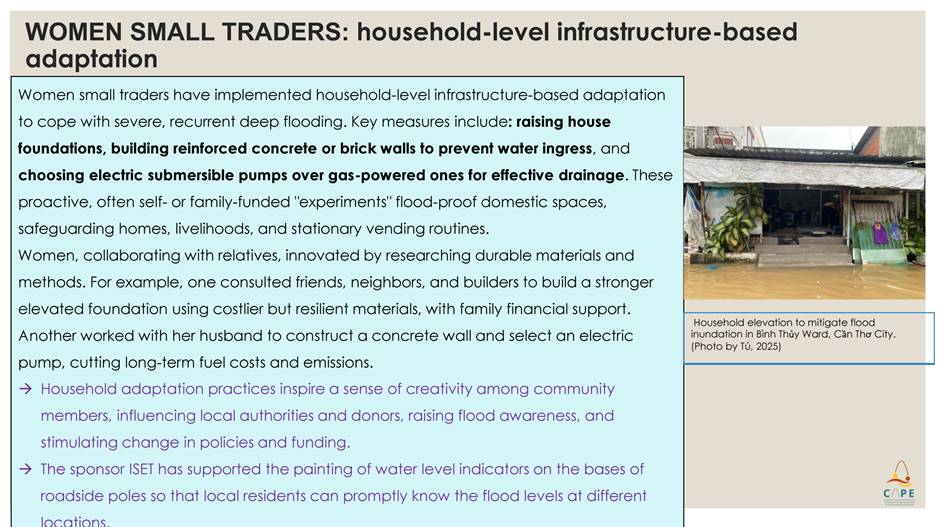
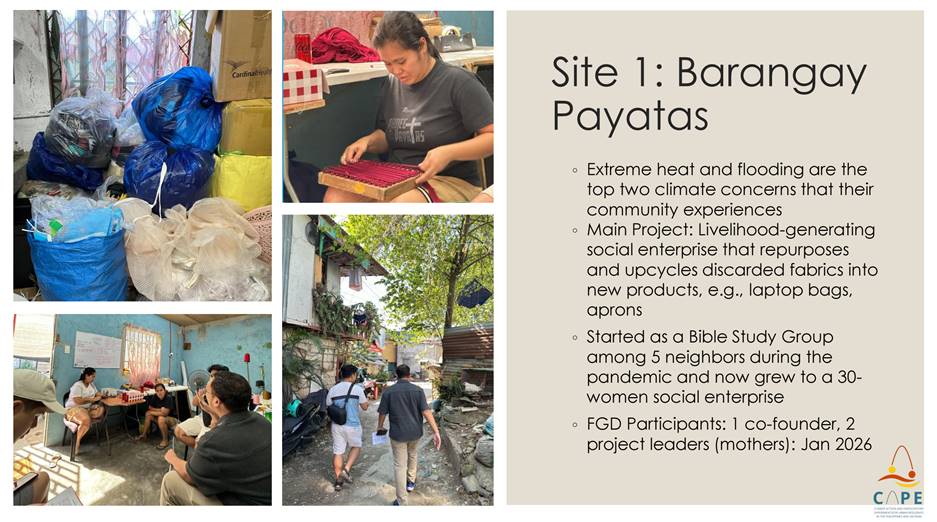
Led by Dr. Kristian Karlo C. Saguin (University of the Philippines, Diliman), CAPE aims to advance understanding of grassroot led urban climate experimentation in Southeast Asia, with focus on Quezon City and Can Tho. Through collaborative living labs, the project empowers marginalized communities including women, youth, informal workers, and low-income households to pilot their own climate solutions. By uncovering diverse forms of experimentation and connecting them with policy, institutional support, etc. CAPE aims to generate scalable models of participatory climate governance.
Lead Organizations
Asian Institute of Technology (AIT)
CLARE Partners
Contacts
shobhakar@ait.ac.th