
Story of Change: Empowering community actions for evidence-informed adaptation in the face of climate extremes
Published on
Authored by Monique Damons, Andrew Limantol, and Thompson Annor of the PALM-TREEs team as well as Dena Lomofsky of Southern Hemisphere
CLARE Stories of Change are snapshots of how research and capacity strengthening initiatives that the programme supports are contributing to specific changes on the ground in support of resilience to climate change and natural hazards. They help illustrate how CLARE is enabling socially inclusive and sustainable climate resilience, as outlined in the CLARE Theory of Change.
What changed?
Communities in the White Volta Basin (WVB) of Northern Ghana face persistent and intensifying risks from climate extremes such as floods and droughts, which threaten livelihoods that rely almost entirely on rain-fed (climate-sensitive) farming. These communities remain deeply vulnerable due to chronic poverty, lack of access to timely farming inputs, and entrenched gender inequalities that limit women’s land ownership and decision-making power. During initial community engagement it became clear that women and men already had valuable indigenous knowledge about when and how to farm more resiliently, what they lacked was the financial means and decision-making power (especially for women) to act on this knowledge.
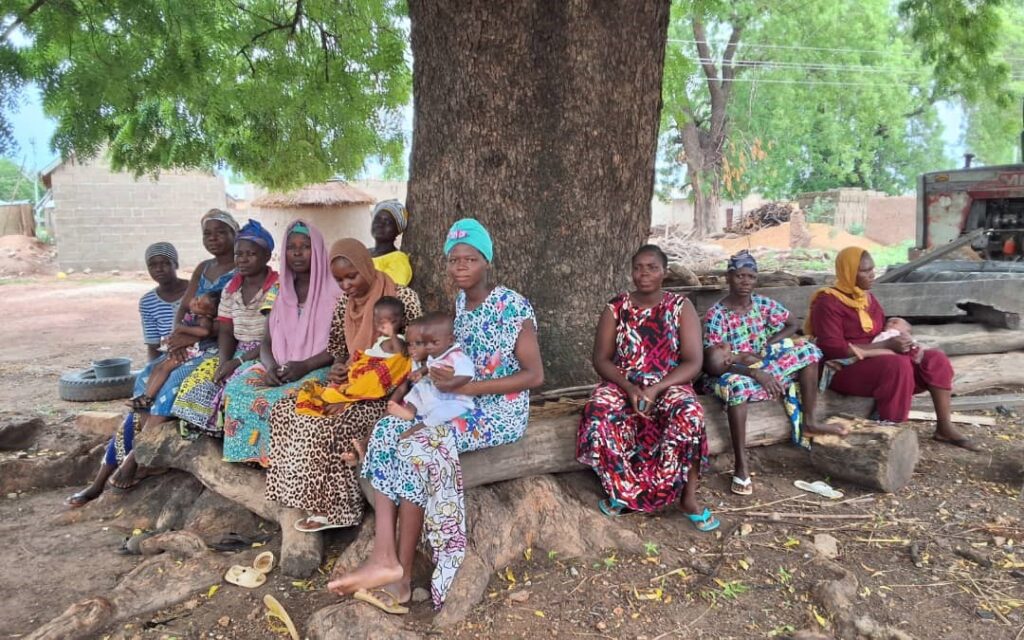
PALM-TREES researchers introduced the community to the idea of village savings and loans associations (VSLAs), which the community endorsed. VSLAs were piloted for six communities: groups of about 25 community members pool their savings weekly, can take out short-term loans to invest in farming inputs, small businesses, or household needs, with active leadership by women in the groups. Researchers simultaneously supported empowerment with information and training. Financial literacy training along with climate information including climate risk and vulnerability maps developed by the team, enabled participants to interpret the information alongside their own experience and use it to inform investments.
This approach has rapidly grown to 37 VSLA groups across nine communities, empowering over 1,000 members, over 75% of whom are women, to save, access credit, and invest in climate-smart agriculture and alternative livelihoods. The VSLAs integrate access to climate information and adaptations into a framework that empowers members, aligns with individual motives, helping to bridge immediate needs and long-term adaptation. VSLAs are not restricted to adaptation or agriculture, but integrate social funds to support members to manage financial risks more broadly for the benefit of their families. As the programme has expanded, the PALM-TREES team has supported the community to adapt the approach to address challenges and improve sustainability, including training and formal links into broader financial and agricultural support systems.
The floods come every year from Burkina Fasso, and when it is time for us to harvest the water comes to take everything, but through the VSLA, we can borrow money from it to help us do what we want to do. This means that we are able to rely on other forms of income, not just the crops.
– VSLA member
Why does it matter?
Adaptation requires empowerment to make decisions and investments. Those who are marginalised in society, such as by poverty and social norms, are often the most vulnerable and the least able to act. Community members in the WVB were able to describe the severe challenges they face in adapting to floods and droughts. The researchers had identified these concerns in selecting the sites, with the intent to understand extreme events and support local adaptation plans. Through engagement with the communities, their understanding of the knowledge these communities hold and the barriers they experience changed. The co-development of VSLAs responded to community demand, providing tools for them to choose adaptation actions to meet their needs.
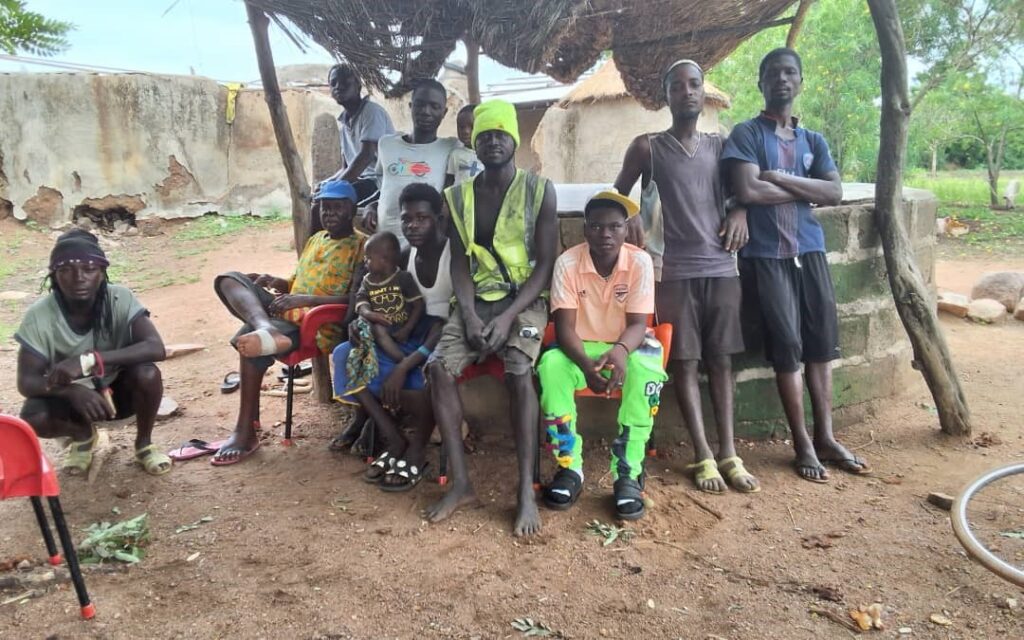
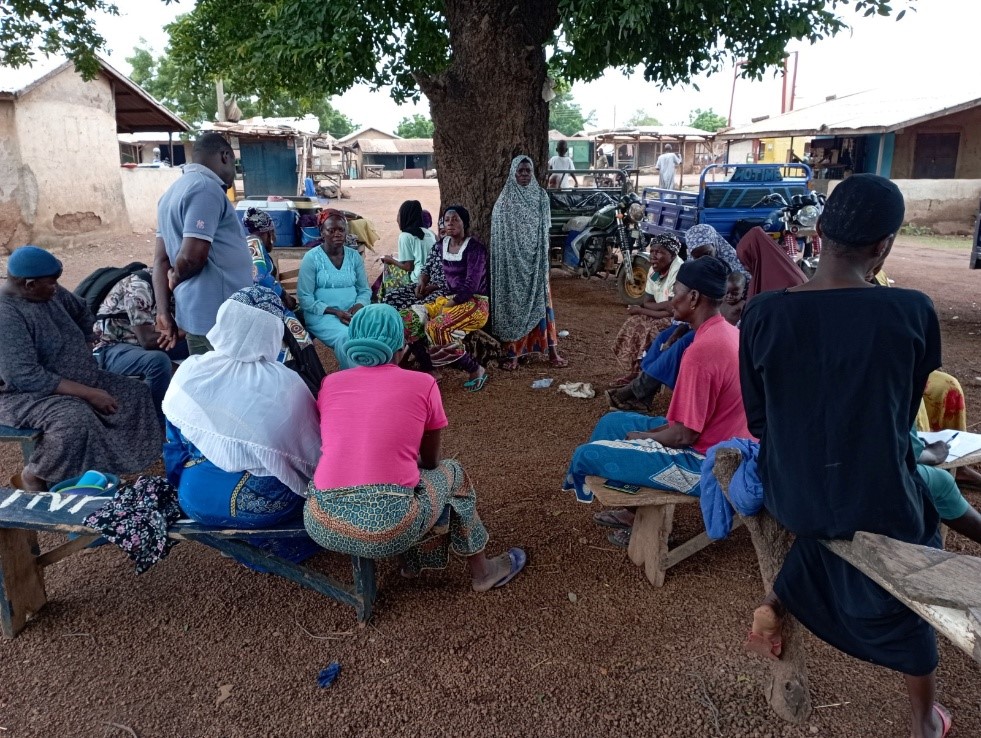
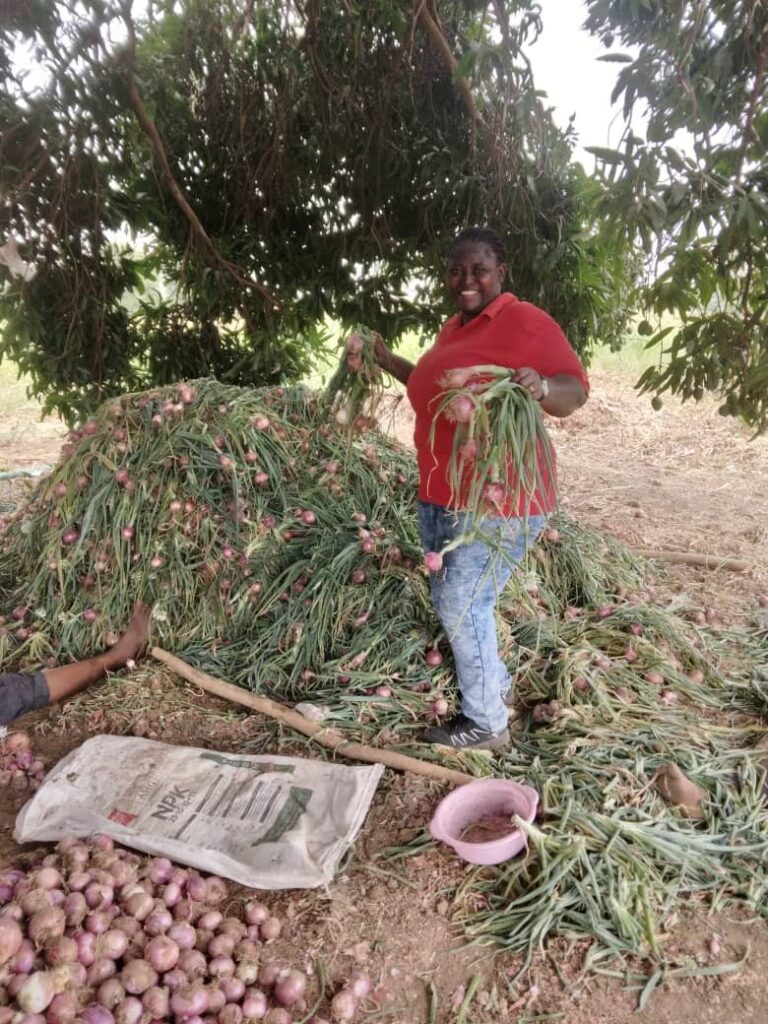
The researchers were able to integrate socially inclusive approaches to address deep-rooted gender dynamics. Women commonly depend on male relatives for access to land and equipment for farming, restricting their choices on when and where to plant. Polygamy is common, with household resources – including access to agricultural land – divided unequally across multiple wives. This restricts women’s ability to rely on resilient agricultural practices and means they are more likely to depend on other sources of income. Women tend to bear primary responsibility for turning limited income into food, healthcare, and education for their families. The VSLAs have successfully engaged women, strengthening their financial literacy and building resilience in their households, including through supporting income diversification and small businesses that are particularly valuable to those without adequate control over land.
It helps us, a lot. We benefit from it because if I am going to farm, and I don’t have any capital, through VSLA I can order something and start farming, and I can also get money from the bank to help you do your farming and any business you are doing.
– VSLA member
What did CLARE do to contribute?
With support from CLARE, PALM-TREEs was able to build interdisciplinary and transdisciplinary teams that could align research to community needs to promote practical, locally driven actions that address gender dynamics and strengthen resilience today while enabling communities to adapt to changing climate risks over the next decade and beyond.
The PALM-TREEs White Volta Basin research team (Kwame Nkrumah University of Technology and the University of Environment and Sustainable Development) brought together researchers with climate expertise and experience in implementing community development programmes, including VSLAs. This combination of skills, coupled with a funding environment that support flexibility in the research process, enabled the research team to work with community members to co-create and co-implement the project in response to community demand for appropriate solutions that would simultaneously address research and developmental concerns.
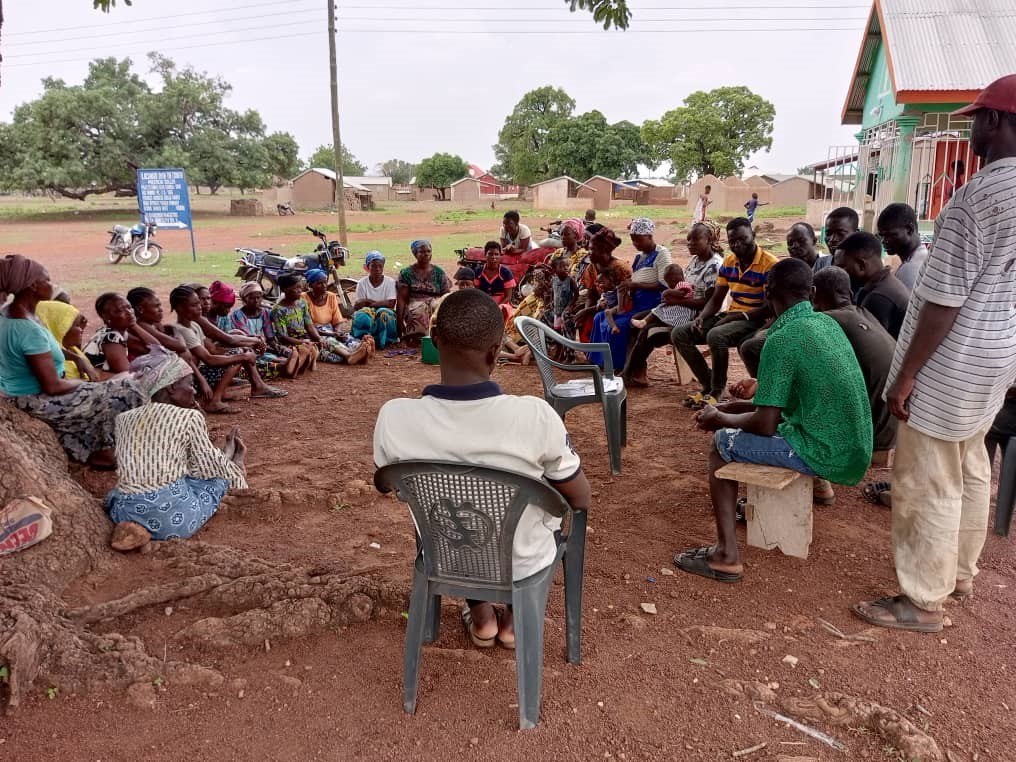
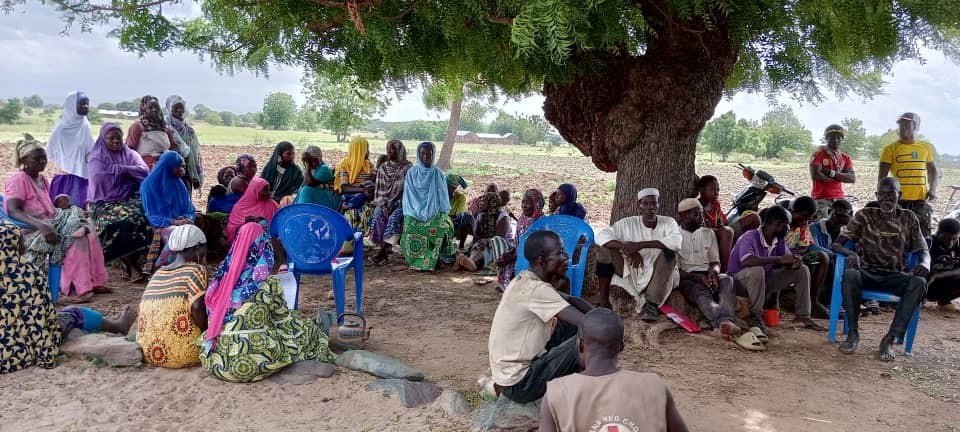
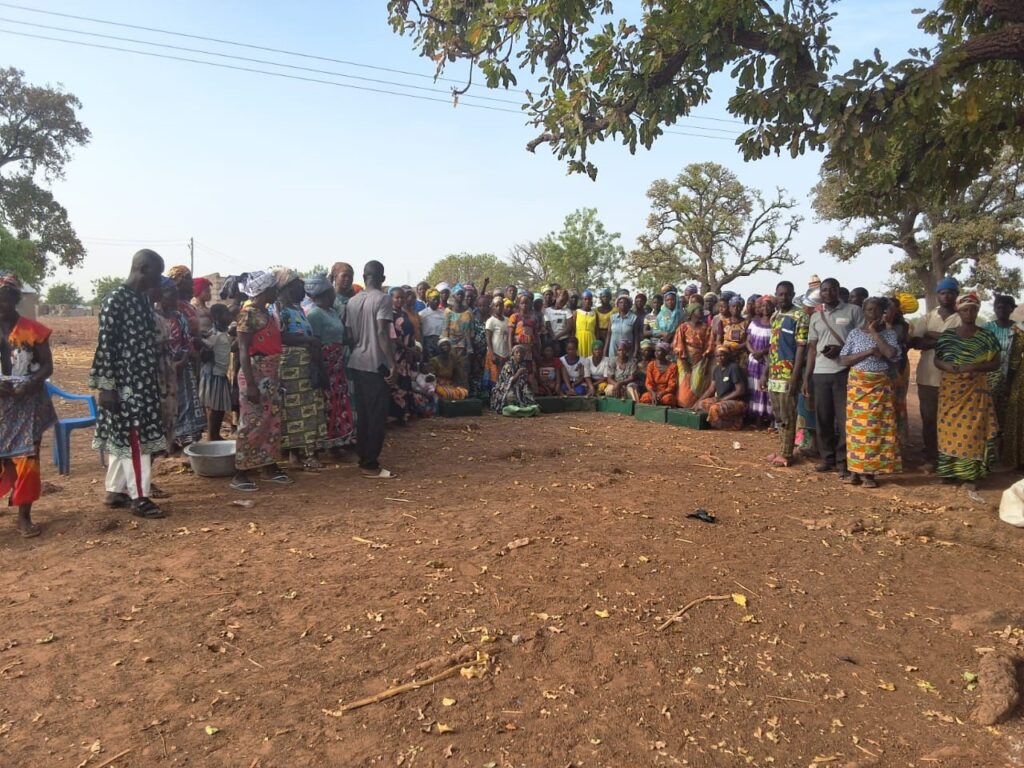
Through PALM-TREEs the relationship with the communities was sustained, with researchers able to engage with the communities in monitoring, reflection, and adaptation. This allowed the VSLA model to remain flexible and community-led, ensuring that it evolved to meet local needs and build capacity for sustainability. New training sessions were delivered in response to the challenges members reported, including on financial literacy, bookkeeping, climate-smart farming, and small business skills. Links to local institutions were strengthened through meetings with local banks, and with the Ministry of Food and Agriculture to integrate VSLA groups into official climate adaptation programmes. The Naara Rural Bank committed to expanding account access and tailored loan products for farmers.
We did not know how dire the situation was on the ground until we went and interacted with the communities… it was very urgent.
– PALM-TREEs Research Team Member
About PALM-TREEs:
Pan-African and transdisciplinary lens on the margins: Tackling the risks of extreme events (PALM-TREES) uses a transdisciplinary and pan-African approach to equip marginalised communities to better respond to extreme climatic events such as droughts, floods and heat waves. The team works in partnership with a range of stakeholders to challenge the conventional understanding of these events by prioritising the first-hand experiences of communities. In doing so, PALM-TREES highlights how gendered and other intersecting inequalities affect climate risk among marginalised groups and how adaptation can support communities in the context of a changing climate. PALM-TREEs is one of the projects in CLARE’s portfolio that is designed to be gender equality and inclusion transformative.
Categories
Countries
CLARE Projects
CLARE Pillars
CLARE Themes
CLARE Topics
CLARE Partners