
10 Key takeaways from the Tuwe Pamoja’s Peer-to-Peer learning exchange
/
This article was written by: Tuwe Pamoja Academic Lead in Nairobi Bessy Kathambi, from the University of Nairobi, and Slum Dwellers International (SDI) affiliate Michelle Koyaro
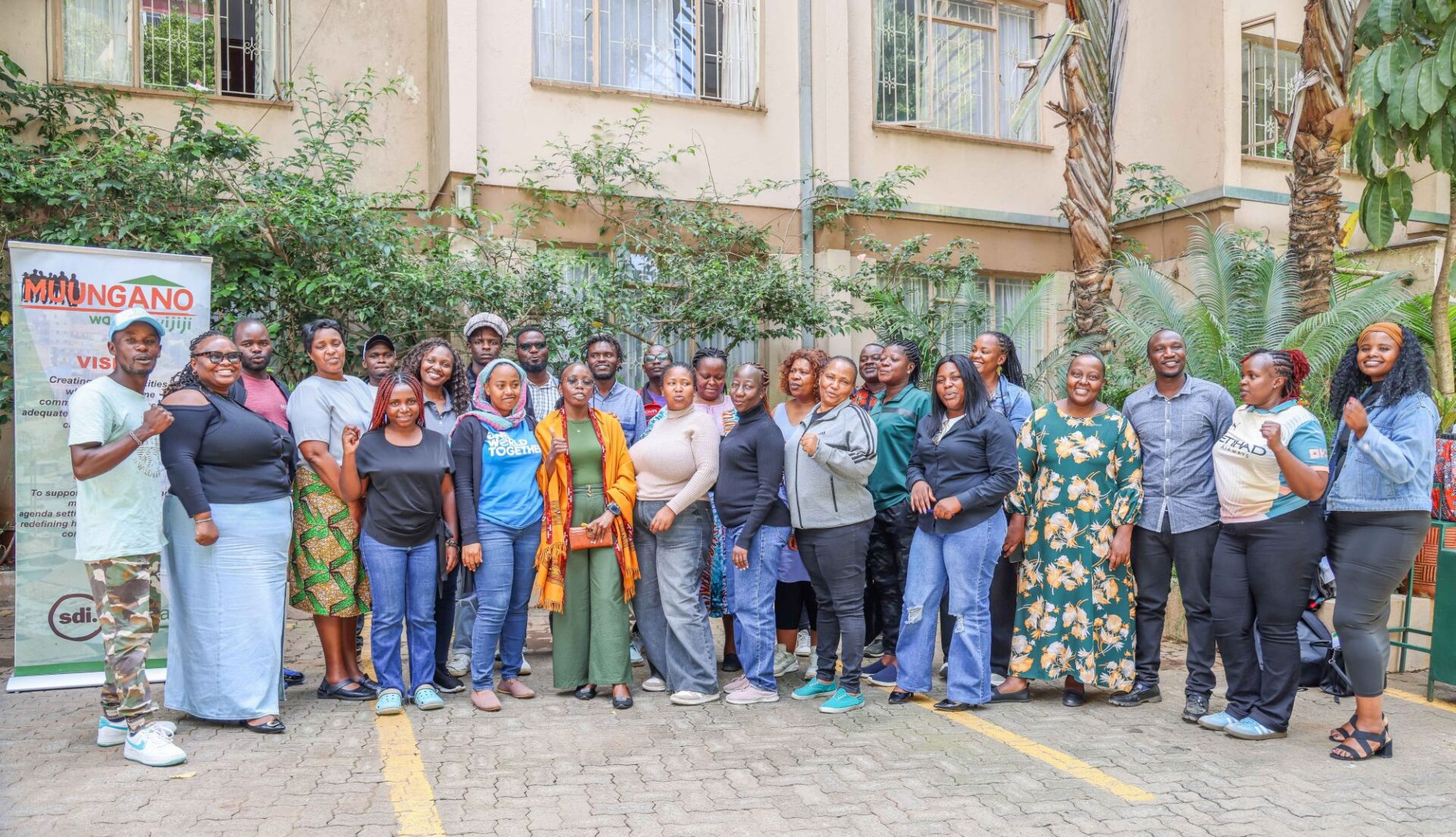
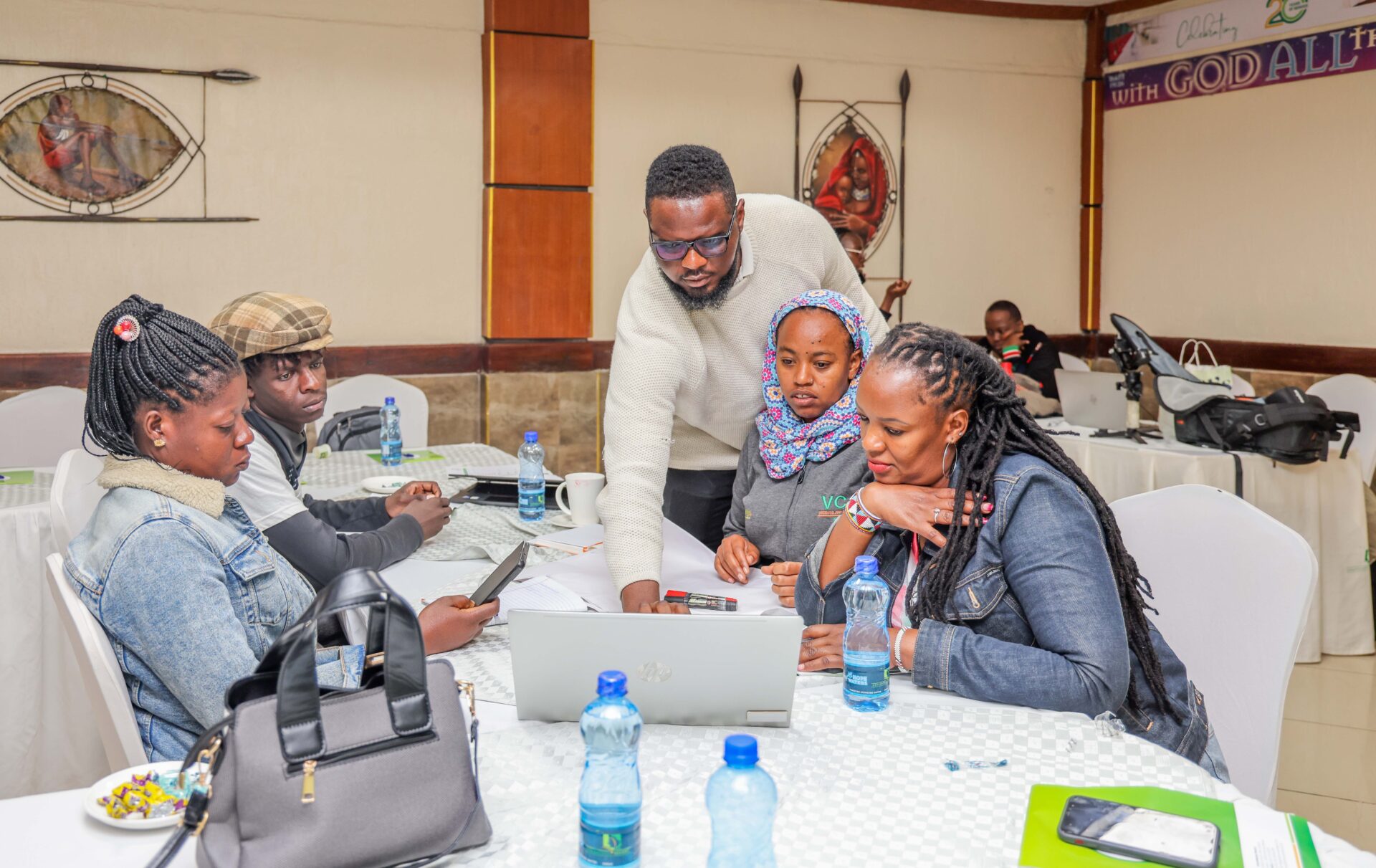
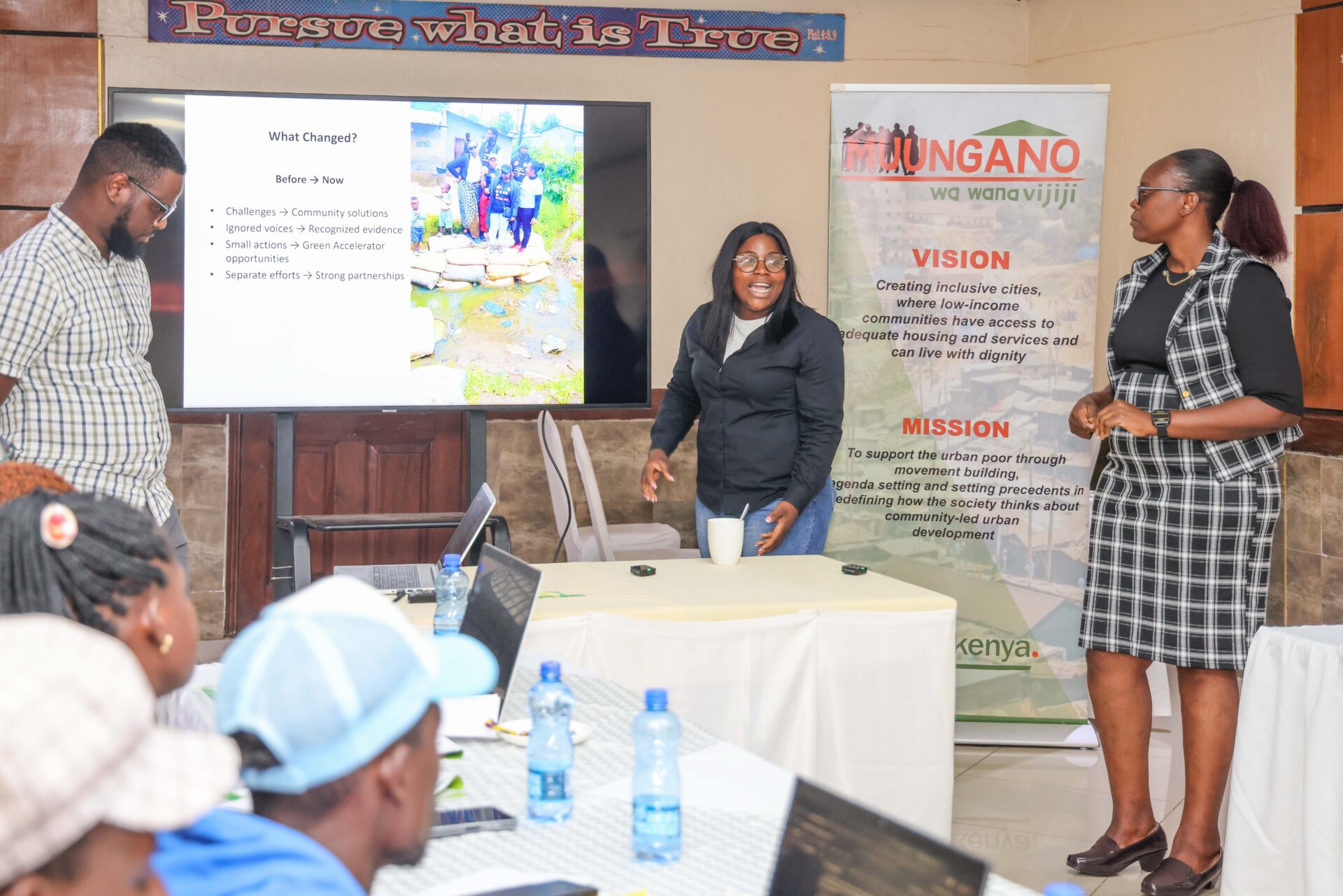
The Tuwe Pamoja project hosted a peer-to-peer learning exchange in Nairobi, Kenya, from 3-5 June, 2026, inviting its project members as well as community representatives, federation leaders and affiliates from Shack Dwellers International Kenya (SDI-K), the University of Nairobi, and C40 Cities from Kenya, Ghana, Zambia, and South Africa.
Hosted by Muungano wa Wanavijiji, SDI Kenya, and the University of Nairobi, the learning exchange allowed attendees to review project progress from Tuwe Pamoja’s three work packages, exchange experiences from their cities, and learn from each others’ strategies for climate adaptation and resilience in informal settlements. The learning exchange focused particularly on Nature-based Solutions (NbS) and community-led responses to climate risks in informal settlements.
Across the three days, participants openly discussed common challenges affecting their communities, including flooding, poor drainage, waste management, limited access to basic services, environmental degradation, and livelihood pressures. At the same time, participants shared practical responses already being implemented within their settlements, such as urban farming, recycling initiatives, tree planting, drainage improvements, savings schemes, and community clean-up campaigns.
A key component of the exchange was a field visit to Mathare informal settlement in Nairobi, Kenya, where SDI affiliates and federation members observed community-led climate adaptation initiatives in action. The visit provided an opportunity to learn directly from residents implementing river restoration, tree planting, waste management, and environmental improvement activities aimed at reducing climate risks such as flooding, soil erosion, and extreme heat.
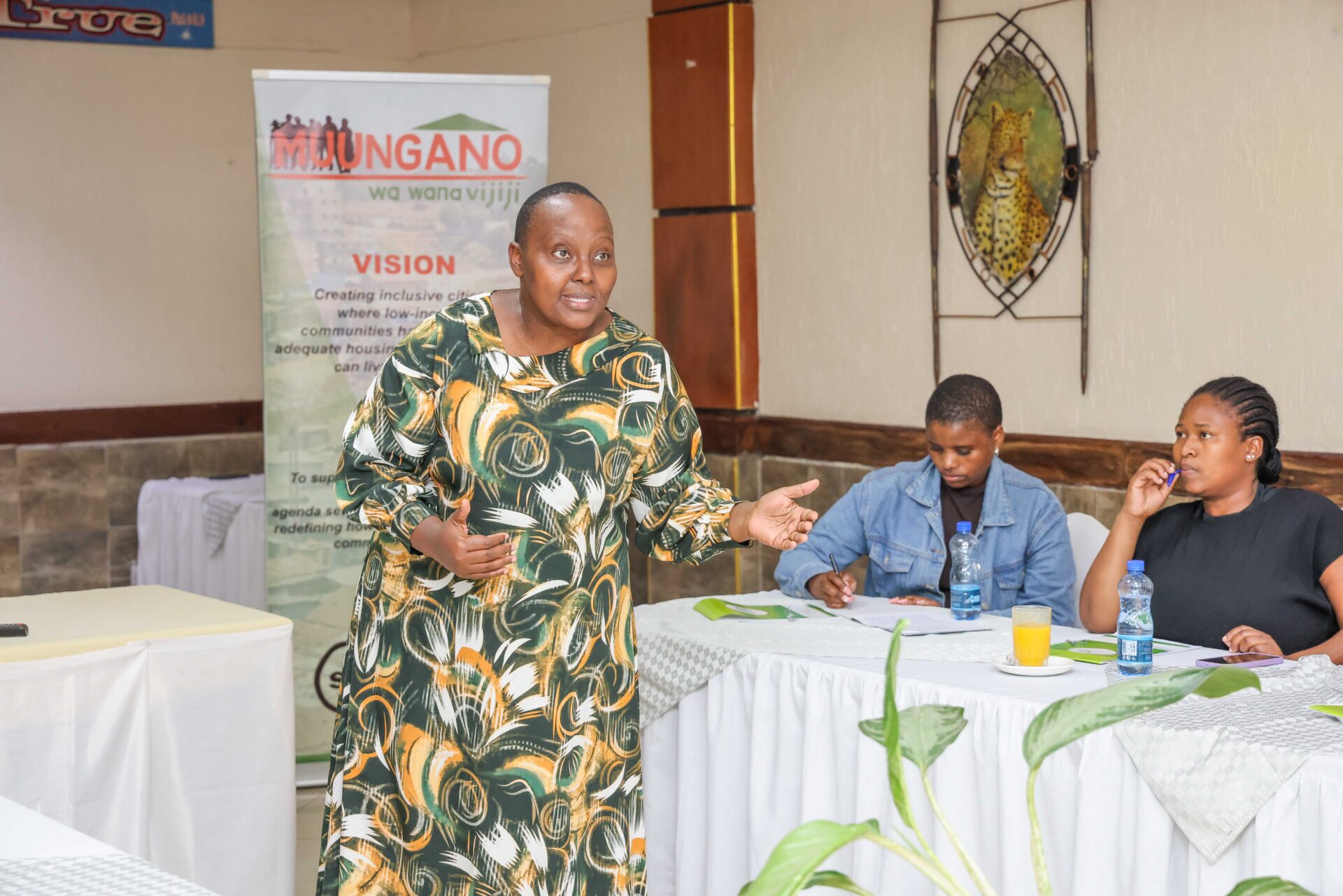
These practical experiences were complemented by learning and reflection sessions held at Gracehouse Resort Hotel, where SDI affiliates and federation members compared experiences across countries, shared project updates, and explored tools and approaches related to community profiling, data collection, planning, and knowledge management.
10 Key takeaways from the learning exchange
- Communities are already solving local challenges using simple, practical, and locally available solutions that are inherently sustainable because they are based on local knowledge, priorities, and needs.
- Nature-based solutions are effective in addressing environmental challenges while also supporting livelihoods and improving living conditions.
- Community-owned data is a vital tool for planning, and evidence-based advocacy becomes significantly more effective when supported by these accurate, community-led data sets.
- Partnerships are essential between communities, government, academia, development partners, and other stakeholders for sustainable impact.
- Cross-country peer learning provides valuable opportunities for communities to share common challenges, learn from one another, and adapt innovative, successful practices to different local contexts.
- Women and youth remain the primary drivers of community development, playing a critical role in leading climate action and implementing nature-based solutions.
- Meaningful and early engagement between communities and local authorities helps strengthen trust, collaboration, and inclusive urban development.
- Small-scale community initiatives can create significant impact when supported and scaled appropriately.
- Active community participation is essential during planning and decision-making stages to ensure that development interventions respond to real community needs.
- Building resilience requires a combination of environmental action, community organization, strong partnerships, and continuous learning.
Categories
Countries
CLARE Pillars
CLARE Themes
CLARE Topics
Published
CLARE Projects
CLARE Partners