
A new dawn for KCC: Why the Safe Space Project is More Than Just a Building
/
By Waceke Gabriel & Geogiaidis Byron
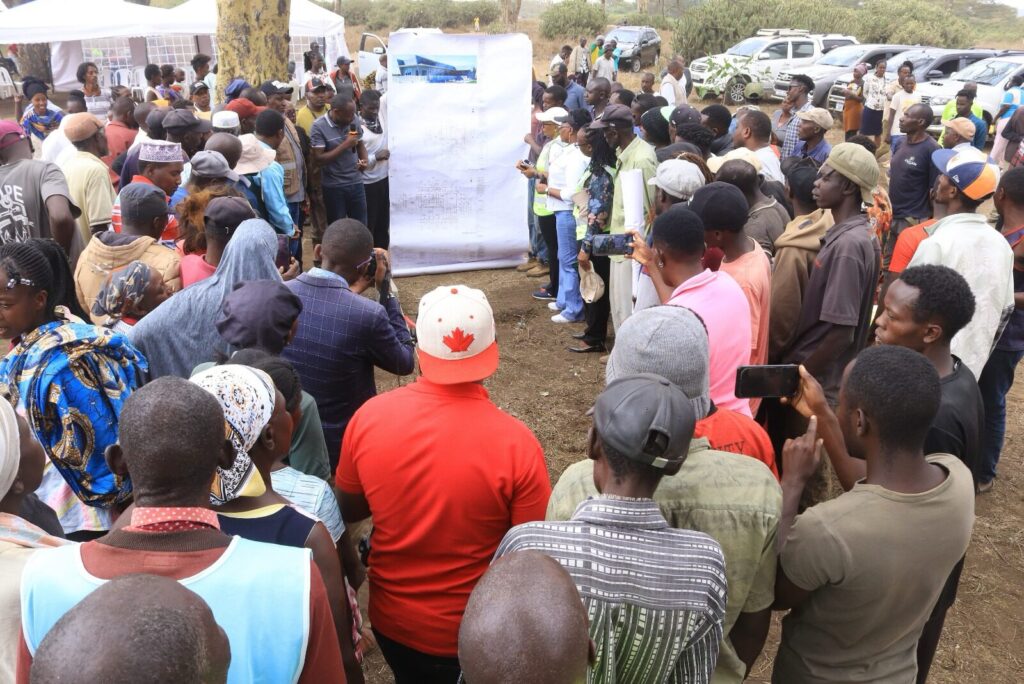
SDI-Kenya Architect Mr. Njenga presents and explains the Safe Space Project design to KCC residents and county officials.
KCC Settlement in Naivasha carries a history marked by resilience. Locally known as “Kambi Nare,” loosely translated as “The Fire Camp,” the name reflects a painful chapter when deliberate fires were used to destabilize the settlement. Over time, residents reclaimed that history as a symbol of endurance and strength. For decades, KCC has faced recurring floods, insecure land tenure, human–wildlife conflict, inadequate sanitation, limited healthcare, and the constant fear of eviction. Promises have been made before, many never fulfilled.
“Residents had grown accustomed to pledges that faded with time,” reflected Chairman Francis Mugane.
Yet this moment feels different. Unlike past promises, this project has grown from organized community savings, collective action, and partnership with the County Government of Nakuru.
On the morning of 6 February 2026, something quietly transformative unfolded. As the sun rose over Naivasha, residents gathered early on an open piece of land. Children clung to their parents. Elders stood in thoughtful silence. There was a shared feeling in the air, part disbelief, part hope, that something long-awaited was finally beginning.

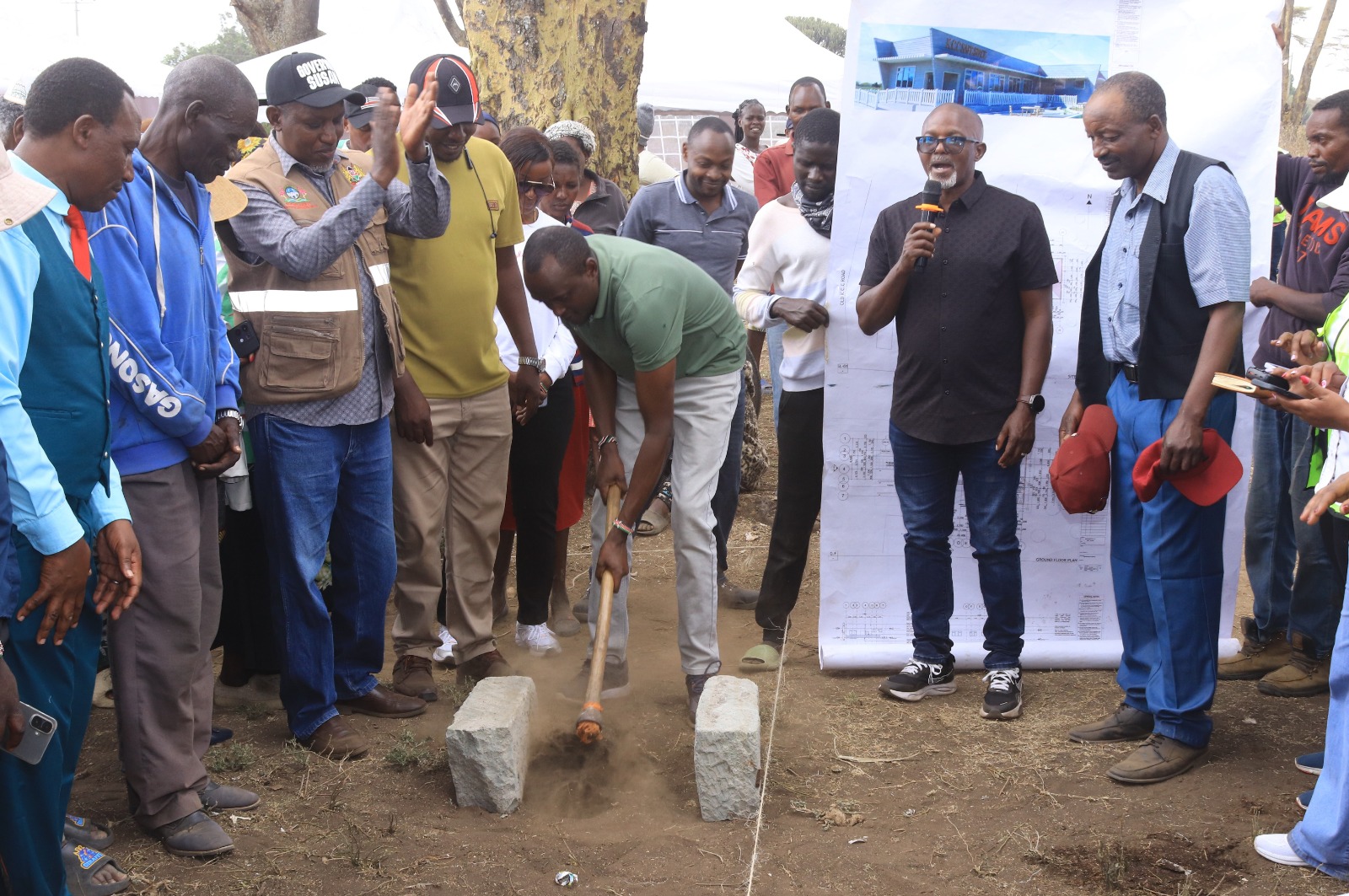
Nakuru County Secretary Samuel Mwaura officiates the groundbreaking ceremony for the KCC Safe Space Project, with SDI-Kenya Executive Director Joseph Kimani and KCC Settlement Chairman Francis Mugane Tother in attendance, along with locals.
The ceremony marked the official groundbreaking of the KCC Safe Space Project, hosted by Shack Dwellers International (SDI) Kenya, together with Muungano wa Wanavijiji–KCC. More than the start of construction, it signaled that the settlement’s voice matters. The project itself has been shaped through continuous community engagement. Residents, local leaders, and partners worked together to identify the most pressing gaps and co-design practical solutions.
“As a community, we have received many promises in the past from governments and NGOs that never materialized,” Mugane noted. “However, SDI-Kenya and Muungano wa Wanavijiji have shown that when communities and institutions come together with a shared goal, anything is possible.”

Lands and Physical Planning CECM Hon. John Kihagi, County Secretary Samuel Mwaura, and Area MCA Francis Kuria participate in planting an indigenous tree to mark the occasion.
What Makes a Safe Space Truly Safe?
The planned facility will include a dispensary, sanitation blocks for men, women, and children, a youth-friendly multipurpose space, an emergency-relief storage area, and a flood-response unit. But beyond infrastructure, the Safe Space represents something deeper: dignity.
Health Access Close to Home
For years, residents have traveled long distances for medical care, often arriving too late and at great cost. The new dispensary, supported by the County Government of Nakuru under the leadership of Governor Susan Kihika, will bring essential services closer to the community.
Community Health Promoter Teresa Abala emphasized that nearby healthcare restores dignity and prevents unnecessary suffering. In KCC, dignity means receiving care in time rather than enduring illness in silence.
Dignity Through Sanitation
Unsafe sanitation has long exposed residents to health risks and daily indignity, particularly for women, children, and persons with disabilities. The Safe Space will provide proper sanitation facilities that improve hygiene, safety, and environmental protection. As County Secretary Dr. Samuel Mwangi Mwaura reminded attendees, sanitation is not a luxury; it is a basic human right and the foundation of public health.
A Safe Haven for Women and Girls
Women made up the majority of attendees at the ceremony, 197 of the 348 participants, reflecting their central role in the community. The Safe Space will include safe recreational areas for girls, accessible facilities for persons with disabilities, and a daycare center to enable mothers to work or pursue other opportunities.
“Children with disabilities, single-parent households, and marginalized youth will finally experience dignified engagement instead of exclusion,” noted Ann Nasure. “Sometimes what a community needs most is not only infrastructure, but acknowledgment.”
Youth Empowerment and Opportunity
Young people in KCC have long faced limited opportunities and high unemployment. The Safe Space will provide a dedicated area for leadership development, mentorship, skills training, recreation, and civic engagement.
During the ceremony, leaders also highlighted additional opportunities for youth, including tournaments, job linkages with the Mau Summit–Rironi Highway Project, blue economy prospects near Lake Naivasha, and support for national ID registration ahead of the 2027 elections.
Emergency Response and Flood Preparedness
Floods are a recurring reality in KCC. Until now, residents have relied largely on neighborly courage when disaster strikes. The Safe Space will serve as a coordination hub during emergencies, offering shelter, organized response systems, and storage for relief supplies. Preparedness replaces panic. Systems replace improvisation. Resilience becomes planned rather than reactive.
Partnership in Action

CECM for Health Services, Roselyne Wanjiru Mungai, speaks to KCC residents at the groundbreaking of the Safe Space Project, committing to officially register the dispensary under the County Government of Nakuru and to deploy qualified staff and adequate medical supplies to the facility.
The groundbreaking also brought important commitments from the County Government of Nakuru.
“I have ensured that all the necessary support is in place to make this project successful and operational,” said Hon. John Kihagi, County Executive Committee Member for Lands and Physical Planning.
Perhaps the most consequential pledge came through the Kenya Informal Settlements Improvement Project (KISIP). The County committed to formally recognizing KCC as an informal settlement, a step that will enable access to World Bank-supported programs, the development of a Special Development Plan, and improved land tenure security. For residents who have lived for years with the fear of eviction, land security changes everything. It allows families to invest, plan, and imagine a more stable future.
Environmental resilience is also central to the vision. NAIVAWASCO is working toward piped water access, while tree planting during the ceremony symbolized restoration and sustainability. With KCC located near Lake Naivasha and River Malewa, climate resilience is not optional; it is essential.
Throughout the day, one message resonated clearly: partnership works when built on respect. The community organizes. The government provides policy and services. Development partners contribute technical and financial support. Governor Susan Kihika has also committed to introducing a feeding program for children at the Safe Space once the facility is completed.
“I was unable to stop smiling that day,” said Monicah Njeri, a community leader. “As a mother, I remembered the injustices some of these farms have done to us, and I cried. The whole community came alive. It reminded me that we are not forgotten, that our dreams and voices matter. With support from SDI-Kenya, Muungano, and the County Government, we feel stronger than ever. Yes, we can fight on as Kambi Nare.”
The KCC Safe Space will give a mother peace of mind, a girl safety, a young person opportunity, a patient timely care, and a community a coordinated way to respond to a crisis. If the commitments made are fulfilled, in health, land security, water access, youth empowerment, and climate resilience, KCC could become a model for settlements across Nakuru County and beyond.
The ground has been turned.
Now the real work begins.
Categories
Countries
CLARE Pillars
CLARE Themes
CLARE Topics
Published
CLARE Projects
CLARE Partners