
Anticipatory Action in River Flooding Risk Management in Nigeria: Why This Research Matters for REBUMAA
/
A recent article by Dorcas Olawuyi, published in the Journal of Flood Risk Management, offers timely insights into the realities of flood preparedness in Nigeria, insights that speak directly to the purpose and urgency of the Resilience Building Through Multi-Stakeholder Engagement in Anticipatory Action for Climate-Induced Disasters (REBUMAA) Early Warning Early Action project.
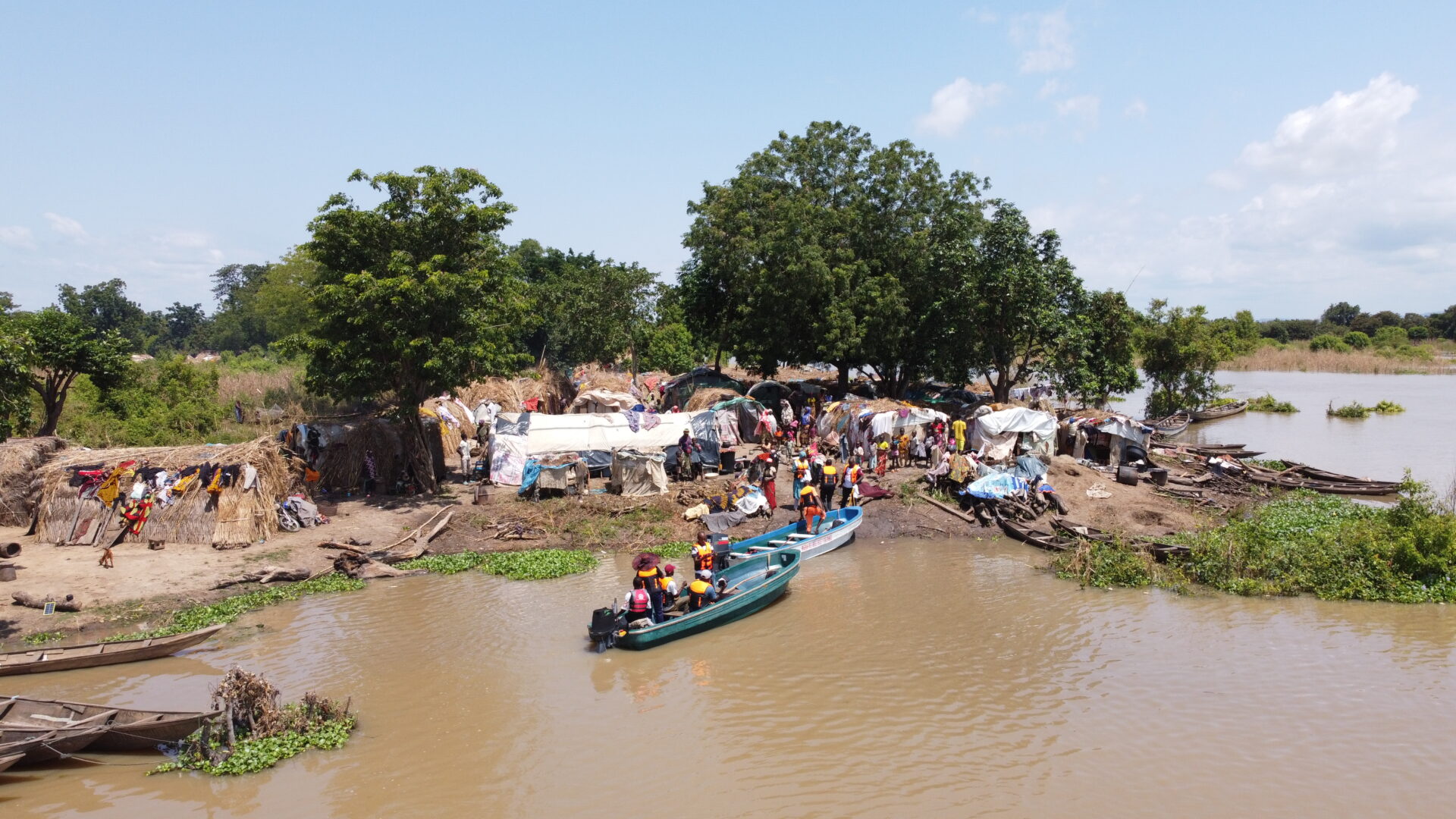
The study highlights a striking gap: more than 70% of people living in flood-prone communities do not receive early warning information on time. Many residents also view floods as inevitable events they must simply endure. This perception, shaped by years of inadequate preparedness systems, reinforces the need for stronger and more localized early warning mechanisms. The paper’s findings therefore provide clear justification for REBUMAA’s commitment to establishing Community-Based Early Warning Systems (CBEWS) and improving forecast-based, anticipatory decision-making across vulnerable regions.
Another important contribution of the research is its attention to gendered and economic barriers. Women (who often shoulder household care responsibilities) face more constraints in preparing for or responding to floods. Low-income households are equally disadvantaged, lacking the resources to act quickly even when warnings are available. These realities align closely with REBUMAA’s objective to empower women, strengthen equitable access, and ensure that anticipatory action reaches those who need it most.
Olawuyi’s use of participatory approaches, particularly the Enhanced Vulnerability and Capacity Assessment (EVCA), demonstrates how community-led knowledge can expose hidden risks and strengthen local ownership of solutions. This mirrors REBUMAA’s model of multi-stakeholder engagement, where communities, government institutions, and humanitarian actors collaborate to create sustainable early warning and response systems.
Overall, the paper provides strong empirical evidence supporting REBUMAA’s design and priorities. It confirms that anticipatory action must be people-centred, inclusive, and rooted in local realities. Most importantly, it reinforces why REBUMAA’s intervention is not only relevant but essential for reducing flood risk and protecting vulnerable populations across Nigeria.
You can find out more about the research here:
Title: Anticipatory Action in River Flooding Risk Management in Nigeria: An Assessment of Community-Level Implementation
Journal: Journal of Flood Risk Management (Open Access)
Categories
Countries
CLARE Pillars
CLARE Themes
CLARE Topics
Published
CLARE Projects
CLARE Partners