
Beyond Assessment: Reflections from Algiers on Advancing Institutional Change for Climate Adaptation Research Capacity
/
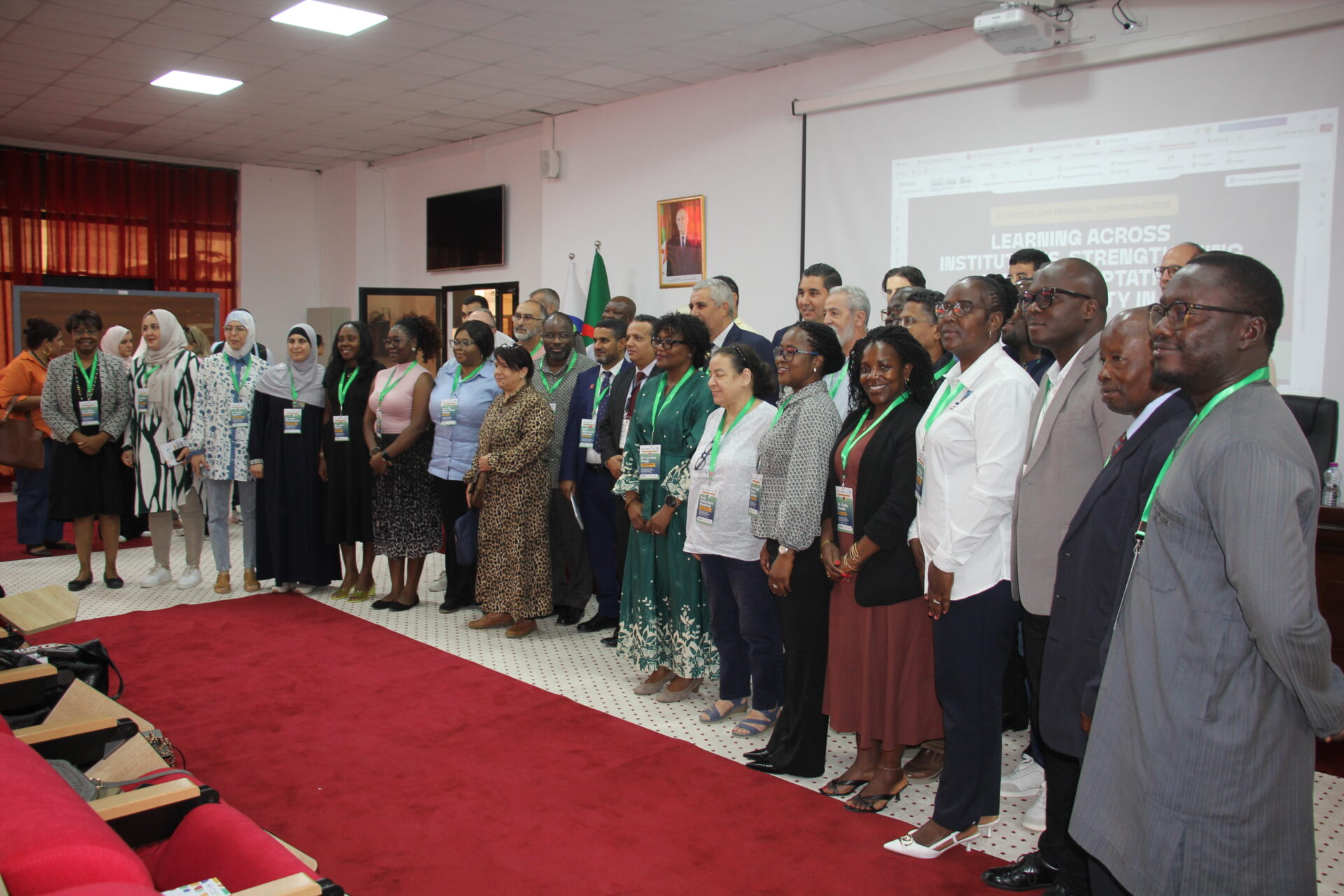
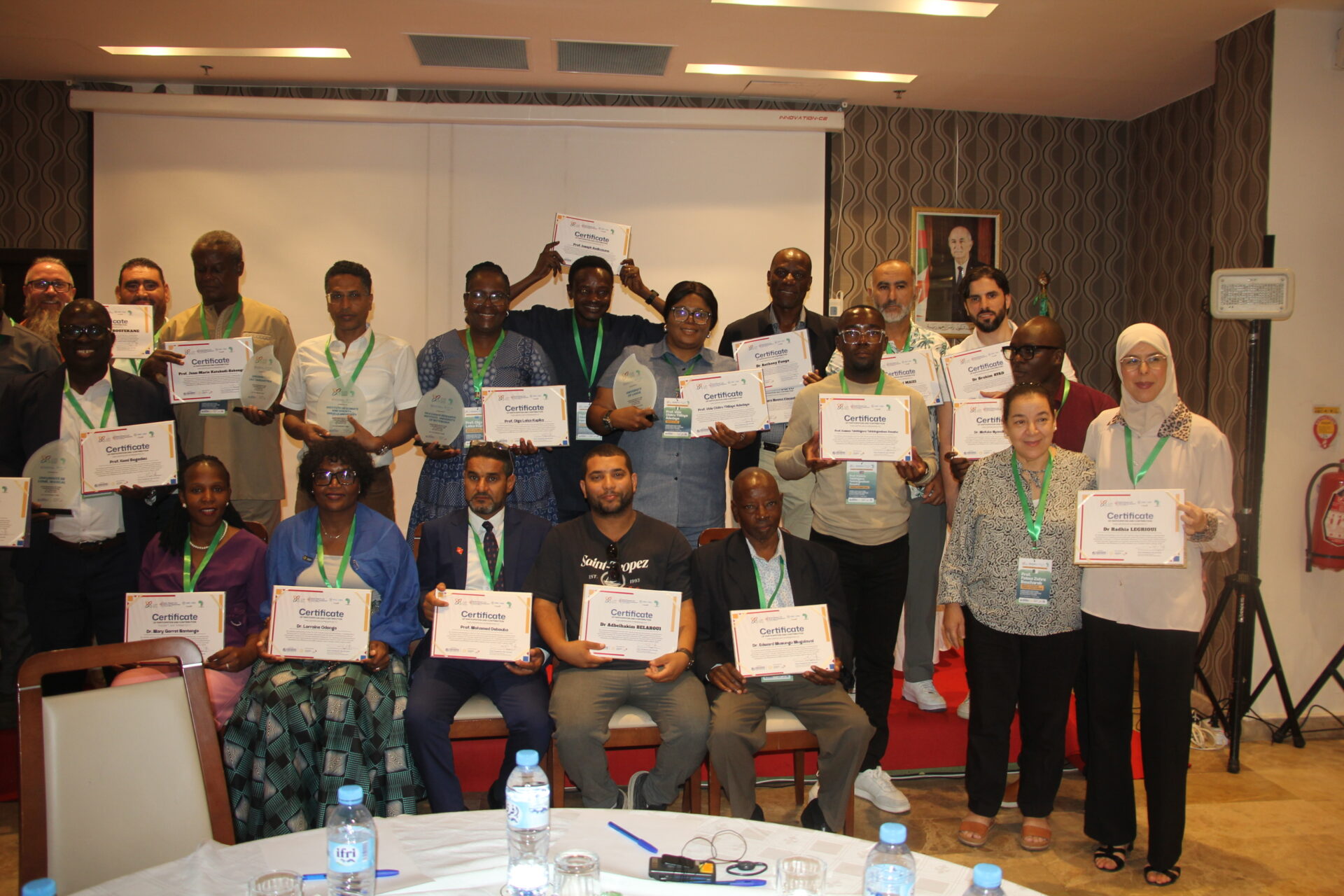
The CLARE CO-CAT Regional Meeting, held from 6th to 9th October, 2025 in Algiers, Algeria, under the theme Learning Across Institutions: Strengthening Climate Adaptation Research Capacity in Africa brought together 60 representatives of 15 participating African universities and research institutions, project partners and other stakeholders to bring institutional experiences into a shared conversation, consolidate lessons from the project and consider how these could inform the next phase of implementation.
Discussions focused on the institutional conditions that shape climate adaptation research, drawing on experiences from participating universities to explore approaches to strengthening research capacity and extending the value of the project’s work.
From Institutional Assessment to Equitable Collaboration
CO-CAT provides universities with a structured approach to assessing their capacity for climate adaptation research, identifying strengths and gaps, and informing targeted improvements. Through assessment, mentorship and peer-learning exchanges, participating institutions reflected on their experiences and explored ways to address capacity challenges. The regional meeting in Algiers brought these experiences together, creating an opportunity to consider what the lessons emerging from the process mean for strengthening institutional capacity and informing the next phase of the project.
A central insight from these discussions was that institutional capacity extends beyond research outputs. A university’s ability to produce credible and relevant climate adaptation research also depends on the systems and relationships that sustain it, including how decisions are made, how resources are allocated, whether researchers have access to appropriate infrastructure and support, how findings are communicated, and whether collaborations can continue beyond individual projects.
The value of this broader understanding was also reflected in the relationships developing among participating institutions. For some participants, mentorship and peer-learning visits provided a first opportunity to visit another university and learn directly from colleagues facing shared institutional challenges. The exchanges have, in some cases, opened doors to continued collaboration, including discussions around future joint projects. These emerging connections offer opportunities for institutions to share expertise, draw on complementary strengths, and build partnerships that can support research into complex climate adaptation challenges.
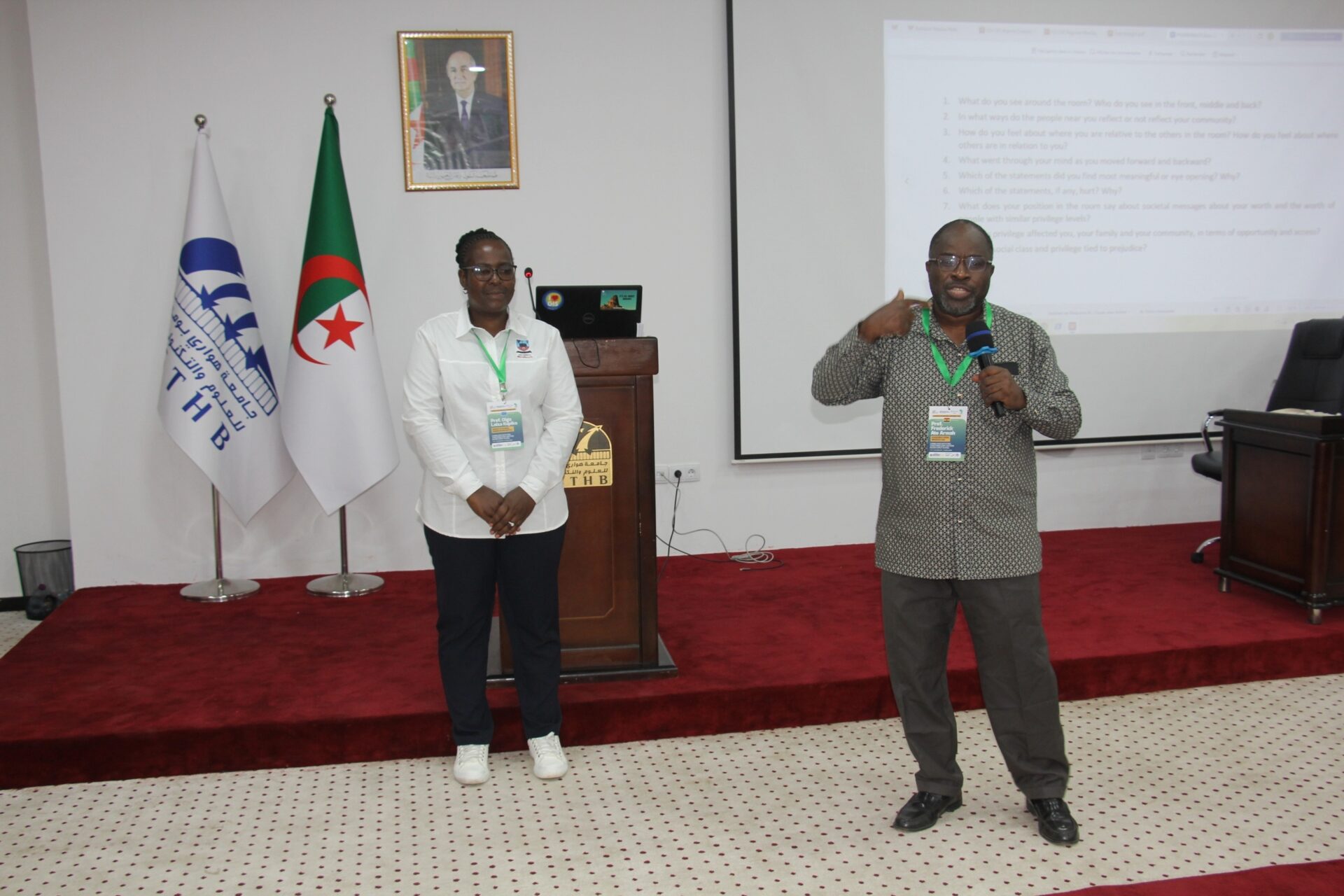
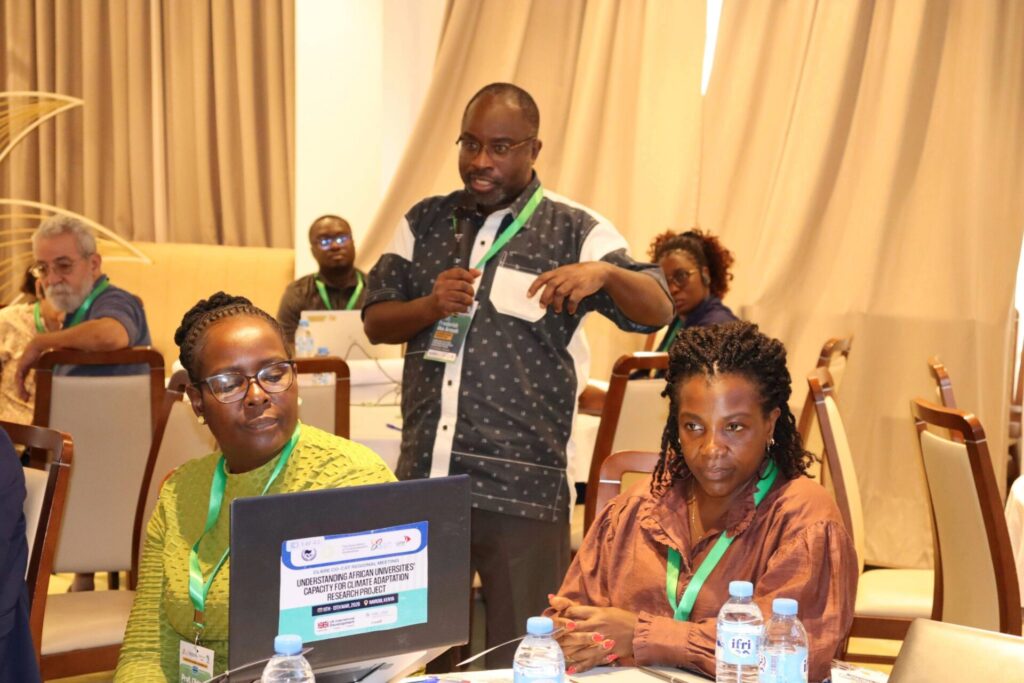
The discussions in Algiers also highlighted why collaboration alone does not guarantee equitable research partnerships or ensure that different institutional perspectives influence decisions. Through sessions on Positionality and the African Charter on Transformative Research Collaborations, facilitated by Prof. Frederick Ato Armah, Principal Investigator of the CO-CAT Project, participants reflected on how lived experiences and unequal access to opportunities can shape the perspectives people bring to research and collaboration. Discussions on the Charter extended this reflection to the wider research environment, examining how language, knowledge systems, institutional resources and decision-making arrangements can influence whose knowledge is recognised and whose priorities shape research.
These insights point to an important consideration for institutional action: strengthening research capacity involves more than improving systems and establishing partnerships. It also requires examining whose knowledge informs research questions, whose priorities shape the agenda, how resources and responsibilities are distributed, and whether partners have meaningful opportunities to influence decisions.
This is particularly important for climate adaptation research, where complex and interconnected challenges often require expertise from multiple disciplines, collaboration across institutions and engagement with the communities and decision-makers who use research evidence. For African universities, building sustainable research capacity therefore also means strengthening their ability to contribute intellectual leadership, develop their own institutional systems and sustain the relationships and expertise that collaborative work can generate.
Building Institutions that are More Inclusive and Responsive
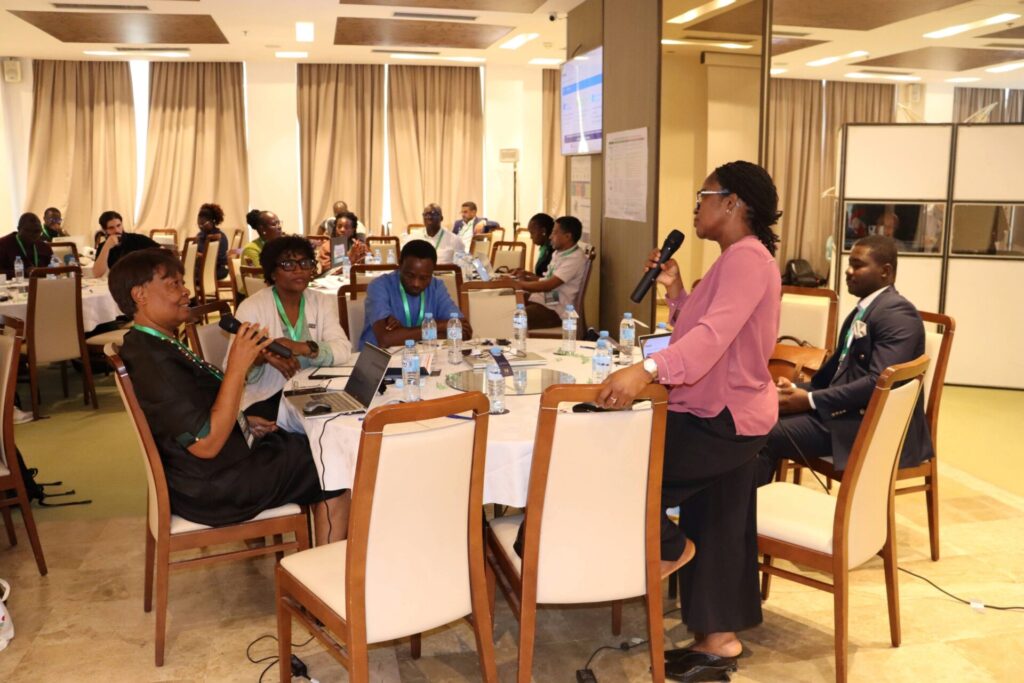
A significant part of the meeting focused on gender equality and inclusion (GEI), led by Prof. Angela Dziedzom Akorsu of the University of Cape Coast, Ghana, with discussions examining how institutional structures and everyday practices can enable or constrain equitable participation in research.
Building on lessons from the project’s Virtual Living Labs and the Nairobi Regional Workshop, participants engaged with the CO-CAT GEI Consolidated Framework and Manual to consider how gender equality and inclusion could move beyond statements of principle and become part of the way research is planned, resourced and conducted.
A central distinction emerged: representation does not necessarily translate into influence. The presence of women and other underrepresented groups in research teams, committees or consultations does not, on its own,
establish that they can shape research priorities, influence decisions or access the support needed to contribute fully. The framework therefore directs attention to the institutional arrangements behind participation, including leadership commitment, policies, implementation plans, resources, accountability and meaningful stakeholder involvement.
The five-domain framework (Strategy, Dimensions, Conditions, Methods & Tool, and Results) provides a structured way to examine these questions. It connects the institutional mandate for change with what needs to change, the conditions that make change possible, the methods and tools required for implementation, and the results that should follow. Importantly, these domains are interconnected: evidence from implementation and evaluation should inform institutional learning, resource allocation, research priorities and accountability.
The group exercises and critical engagement with the GEI Manual gave participants an opportunity to relate this framework to their own institutional contexts, consider priorities for change and provide feedback to strengthen the manual. The sessions reinforced that inclusion cannot be secured through isolated activities or policy statements alone; it requires sustained attention to the systems and practices through which institutions operate.
Measuring Change and Scaling for Lasting Institutional Impact
As CO-CAT project moves towards the finalisation and publication of the tool, two questions become increasingly important, how will universities know whether their institutional capacity for climate adaptation research is changing, and how can the lessons generated through the project benefit institutions beyond the participating universities?
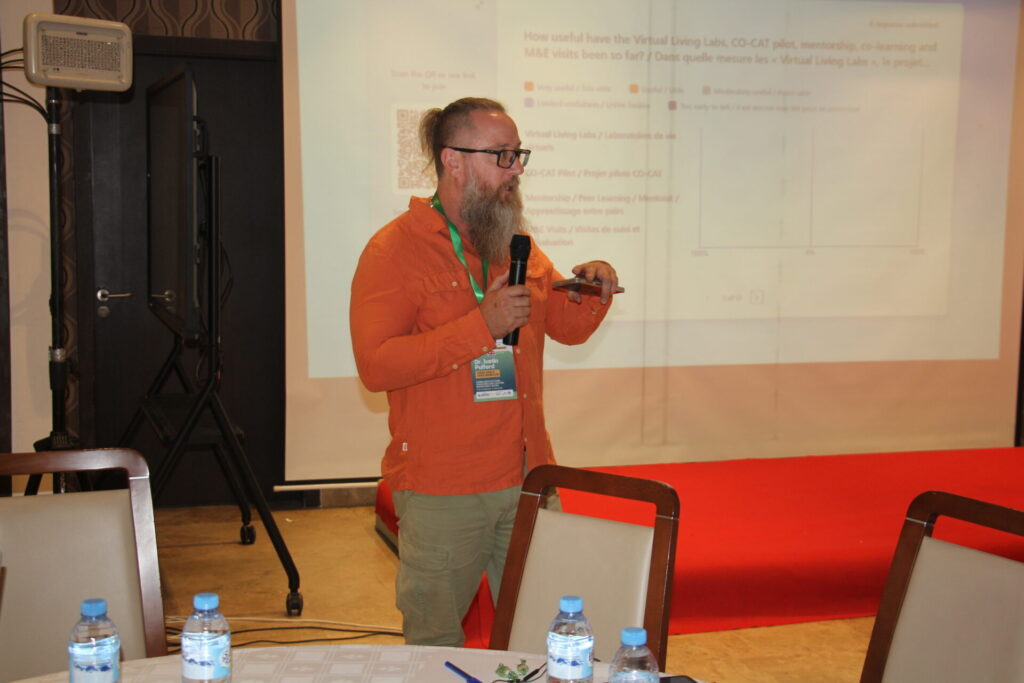
Discussions at the regional meeting led by Dr. Justin Pulford of the Liverpool School of Tropical Medicine brought these questions together, emphasising that institutional transformation cannot be measured by activities completed, workshops held or reports produced alone. While these outputs demonstrate progress in project delivery, meaningful change must also be examined through institutional practices, decision-making processes, resource allocation and the ways universities organise and sustain their research activities. The focus therefore shifts from what institutions have done to what is changing within them, and whether those changes can be maintained over time.
An assessment can identify institutional strengths and capacity gaps, but its longer-term value depends on whether the findings inform decisions and lead to appropriate responses. Evidence of progress may emerge in how universities use assessment findings in planning, strengthen research support systems or adapt their institutional practices. Such changes need to be documented and assessed over time rather than assumed from participation in project activities.
The discussion on scaling impact extended this thinking to the project’s future reach. Three complementary pathways were considered including scaling up, by influencing institutional arrangements and policy; scaling out, by extending the use of CO-CAT to additional institutions and settings; and scaling deep, by embedding changes in institutional culture and everyday practice. Together, these pathways recognise that wider impact involves more than making a tool available to more universities. It also requires institutions to have the appropriate support, resources and authority to use it, interpret its findings and translate them into context-relevant action.
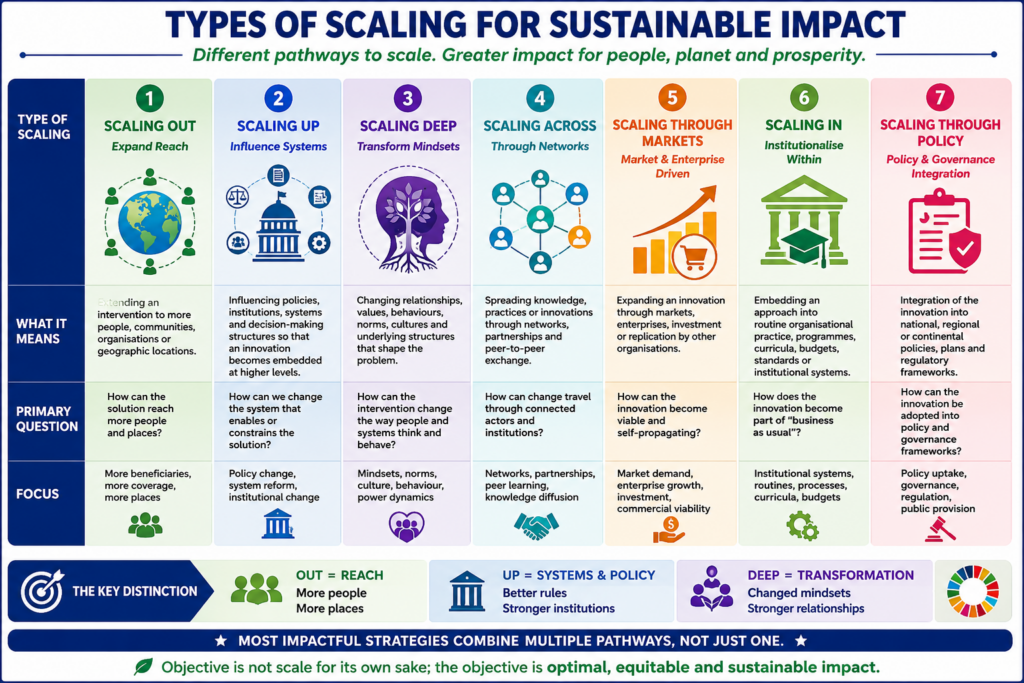
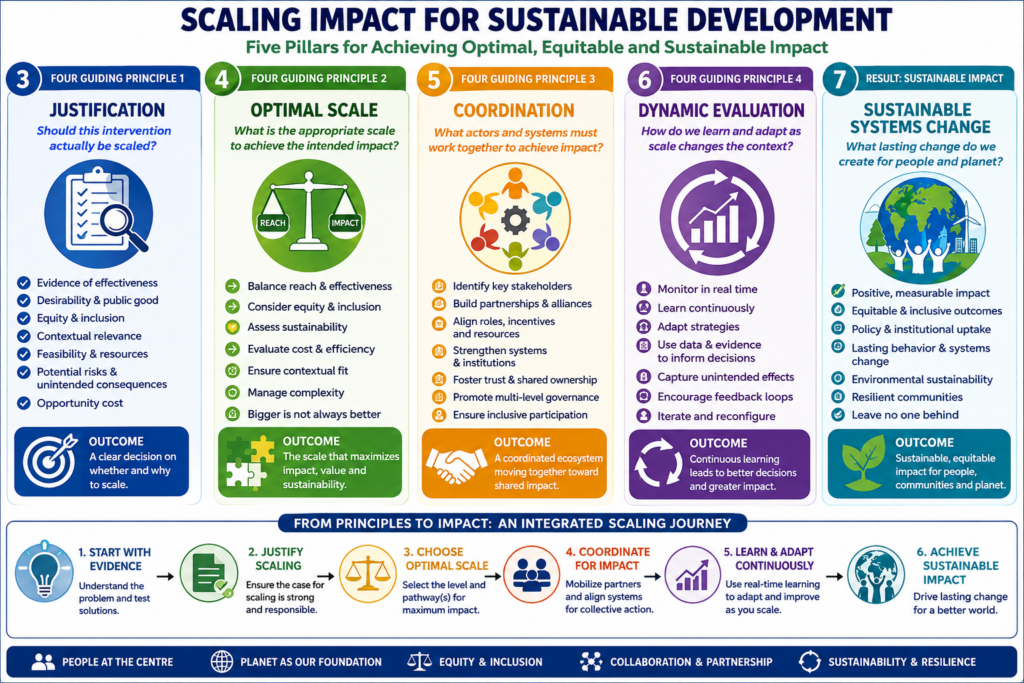
The emphasis on guiding principles (justification, optimal scale, coordination and dynamic evaluation) reinforced the importance of extending CO-CAT in ways that are evidence-informed, context-sensitive and responsive to the needs of people, communities and the environment. An approach that works in one university may require adaptation elsewhere. Its wider application must therefore consider the conditions needed for effective use, document adaptations, and assess whether the intended changes are taking hold.
These discussions have implications for the next phase of the project, including refining and publishing CO-CAT, developing user guidance, and preparing a scalability plan. Lessons from participating universities can inform these efforts by identifying capacity challenges that institutions share, as well as differences that call for locally appropriate responses.
Ultimately, the ambition is to strengthen CO-CAT usefulness as a resource for institutional learning and evidence-informed decision-making. Its longer-term contribution will depend on whether universities can use the tool to inform meaningful changes in their research systems and sustain those changes over time.
From Algiers to Action
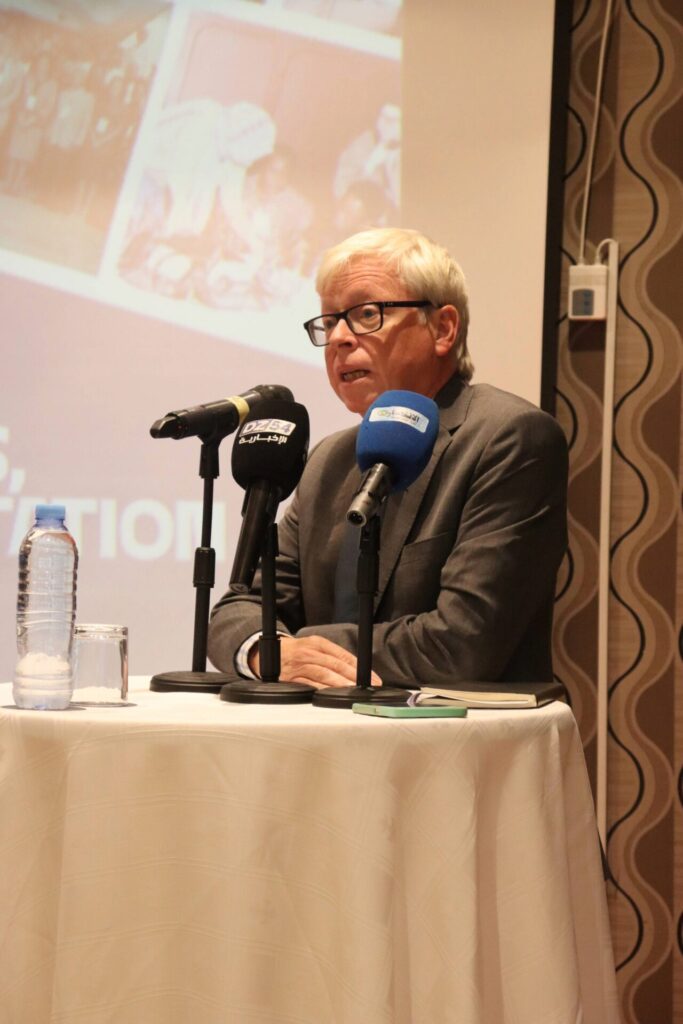
The Algiers meeting also benefited from high-level engagement that connected the project’s institutional learning agenda with wider support for African research cooperation. Among those present were Mr James Downer, Ambassador of Britain to Algeria; Professor Djamel-Eddine Akretche, Rector of the University of Science and Technology Houari Boumediene (USTHB); Professor Azzedine Chafa, Vice-Rector responsible for external relations and cooperation; Professor Mohamed Said Guettouche, Dean of the Faculty of Earth Sciences, Geography and Territorial Planning; and Prof. Mohamed Loucif, Deputy Director General of Science Technology and Innovation representing Algeria’s Minister of Higher Education and Scientific Research in Algeria.
The Ambassador encouraged continued collaboration and highlighted the UK Foreign, Commonwealth and Development Office’s support for the initiative, while Prof. Loucif highlighted the value of intra-African research collaboration and the Ministry’s role in supporting and monitoring research projects.
However, the insights, learning, institutional supportexperiences, and must translate into action. The next phase of CLARE CO-CAT calls for universities and research institutions to use assessment findings to inform institutional decisions, strengthen research systems and embed inclusive practices.
It also calls for funders and policymakers to sustain investment in the institutional conditions that make climate adaptation research possible, while supporting collaboration that recognises African universities as knowledge producers and research leaders. For the consortium, the priority is to refine and publish CO-CAT, develop practical guidance for its use and establish an evidence-informed pathway for wider uptake.
As the project moves forward, the challenge ahead is to move from assessing capacity to acting on the evidence, to turn institutional learning into decisions, decisions into practice, and practice into stronger foundations for climate adaptation research across Africa.
Categories
Countries
CLARE Pillars
CLARE Themes
CLARE Topics
Published
CLARE Partners