
Beyond Consultation: How Real-World Labs Put Communities at the Centre of Water Policy in the Maldives
/
Authored by Nadhiya Abdulla & Rana Waheed | Maldives National University
What happens when you stop asking vulnerable communities what they need and start asking them to lead the solutions?
The Problem: Whose Voices Shape Water Policy?
The Maldives faces a perfect storm of water security challenges. As one of the world’s lowest-lying countries, saltwater intrusion threatens freshwater resources. Rapid urbanization in Malé (where over 40% of the population lives) strains existing infrastructure and climate change brings unpredictable rainfall and more intense storms.
But here’s what struck our research team at Maldives National University: while there are institutions within the Maldives government to address water governance matters, the voices of people most affected by water insecurity were almost entirely missing from policy discussions.
How can we develop effective solutions without understanding how a single mother struggles to access clean water for her children? Or how does a migrant worker navigate water shortages while living in cramped housing? Or how does an elderly person cope with daily water challenges?
A Different Approach: Real World Labs
Through the RECOVER project, part of the international CLARE consortium, we decided to try something different. Instead of another technical assessment, we used a Real-World Labs approach – bringing together communities, government officials, NGOs, and researchers to co-create solutions based on lived experiences.
Meeting People Where They Are
We spent months building relationships with thirty participants across nine vulnerable groups: women, senior citizens, people with disabilities, pregnant and lactating mothers, low-income households, migrant workers, small business owners, climate-affected communities, and guardians of children. We did not just send invitations; we went to their communities, worked around their schedules, and addressed the real barriers to participation.
Many people couldn’t attend a full-day workshop because they couldn’t afford to lose wages or leave caregiving responsibilities. So, we conducted interviews in people’s homes, covered transportation costs, and designed accessible processes that worked for everyone, not just those with institutional privilege.
What We Discovered: The Depth of Water Injustice
The insights were striking. Women revealed challenges that technical assessments completely miss: insufficient access to clean water in public spaces, water shortages on Fridays, and the risk of harassment when purchasing water from local vendors. They were also completely excluded from community water resource decisions.
People with disabilities highlighted systemic barriers: building accessibility issues, physical limitations in fetching water, dependence on caregivers for basic access, and total neglect in water infrastructure planning.
Migrant workers and low-income families revealed how economic marginalization compounds water insecurity by excluding them from municipal services, limited ability to purchase bottled water, and health risks from unhygienic sources in workplaces and housing.
Small businesses that depend on water are forced to rely on bottled, filtered, or desalinated supplies, and they also face significant revenue losses during heavy rainfall and climate-related disasters such as flooding.

The Real-World Labs Process: Structured Co-Creation
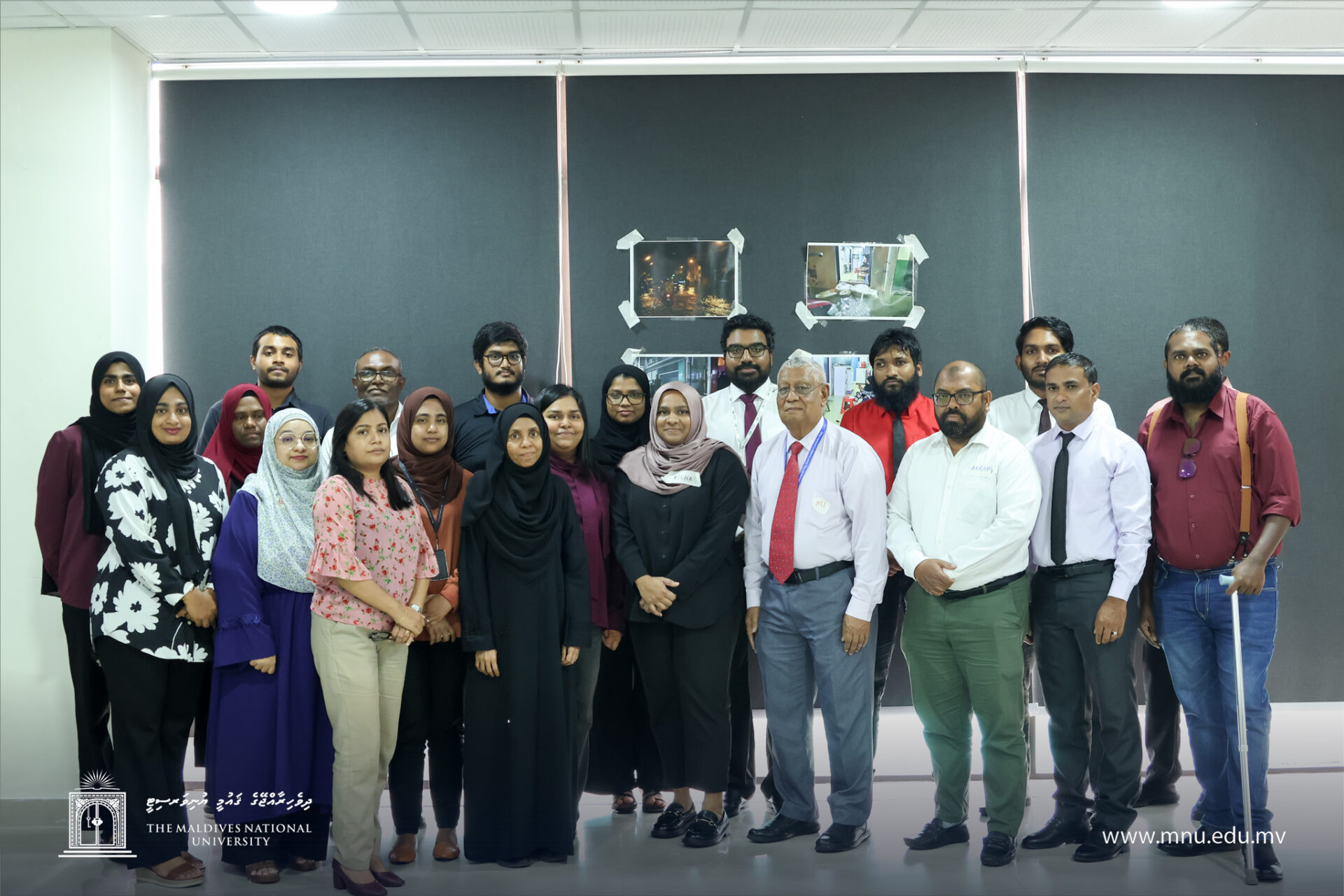
Our stakeholder forum brought everyone together through four structured discussions, from identifying challenges to validating solutions. We used interactive methods designed to level the playing field: gallery walks where everyone contributed equally, collaborative mapping where local knowledge took center stage, and informal conversations over meals.
Most importantly, we included a “Photo Vision” component, where participants submitted photographic evidence of water challenges, providing compelling visual documentation that validated their experiences.


Four-Dimensional Solutions Framework
Through collaborative analysis, participants identified solutions across four areas:
Institutional gaps: Need for clear accountability mechanisms, gender-sensitive policies, and civil society inclusion in water governance.
Infrastructure failures: Calls for universal design principles, public drinking water facilities, and building codes ensuring proper water pressure for all floors.
Quality and affordability issues: Demands for transparent water quality data, equity-based subsidies for vulnerable households, and social welfare programs supporting sustainable water technologies.
Climate vulnerabilities: Requirements for emergency water storage systems, relief mechanisms ensuring continued access during disasters, and climate research focused on vulnerable groups’ needs.


What Made This Different ?
We explicitly analyzed power dynamics from the start, used visual documentation and collaborative mapping to privilege different ways of knowing, and treated validation as continuous co-creation rather than just checking accuracy.
We recognized that gender, disability, economic status, and migration status intersect to create unique experiences of water insecurity. True inclusion meant changing how decisions get made, not just who gets consulted.


Impact Beyond Documents
We produced policy briefs and recommendations. However, the deeper transformation was in relationships and recognition. Government partners expressed changed understanding of community needs and commitment to more inclusive processes. Community participants reported increased confidence engaging with institutions and stronger advocacy networks.
As one government official reflected:
“We’ve been thinking about technical aspects of water systems, but we hadn’t considered how our policies actually work – or don’t work – for the people who need them most.”
Lessons for Climate Justice
Our experience reinforces that meaningful climate adaptation requires fundamental shifts in how research and policymaking happen. When we center those most affected by climate change as co-creators of solutions, we not only get better policies, but also transformative approaches that address root causes of vulnerability while building community power.
The migrant worker who couldn’t miss work, the elderly person struggling with accessibility, the person with disabilities excluded from services – their insights aren’t just valuable additions to water policy. They are the foundation for truly resilient climate adaptation planning that leaves no one behind.
Categories
Countries
CLARE Pillars
CLARE Themes
CLARE Topics