
Heat resilience for the most vulnerable: How CLARE research is addressing the challenge of extreme heat
/
Building heat resilience is a critical component of broader adaptation efforts. Across the CLARE portfolio, multiple projects are working to develop solutions to address this challenge, enabling better heat management and overall heat resilience.
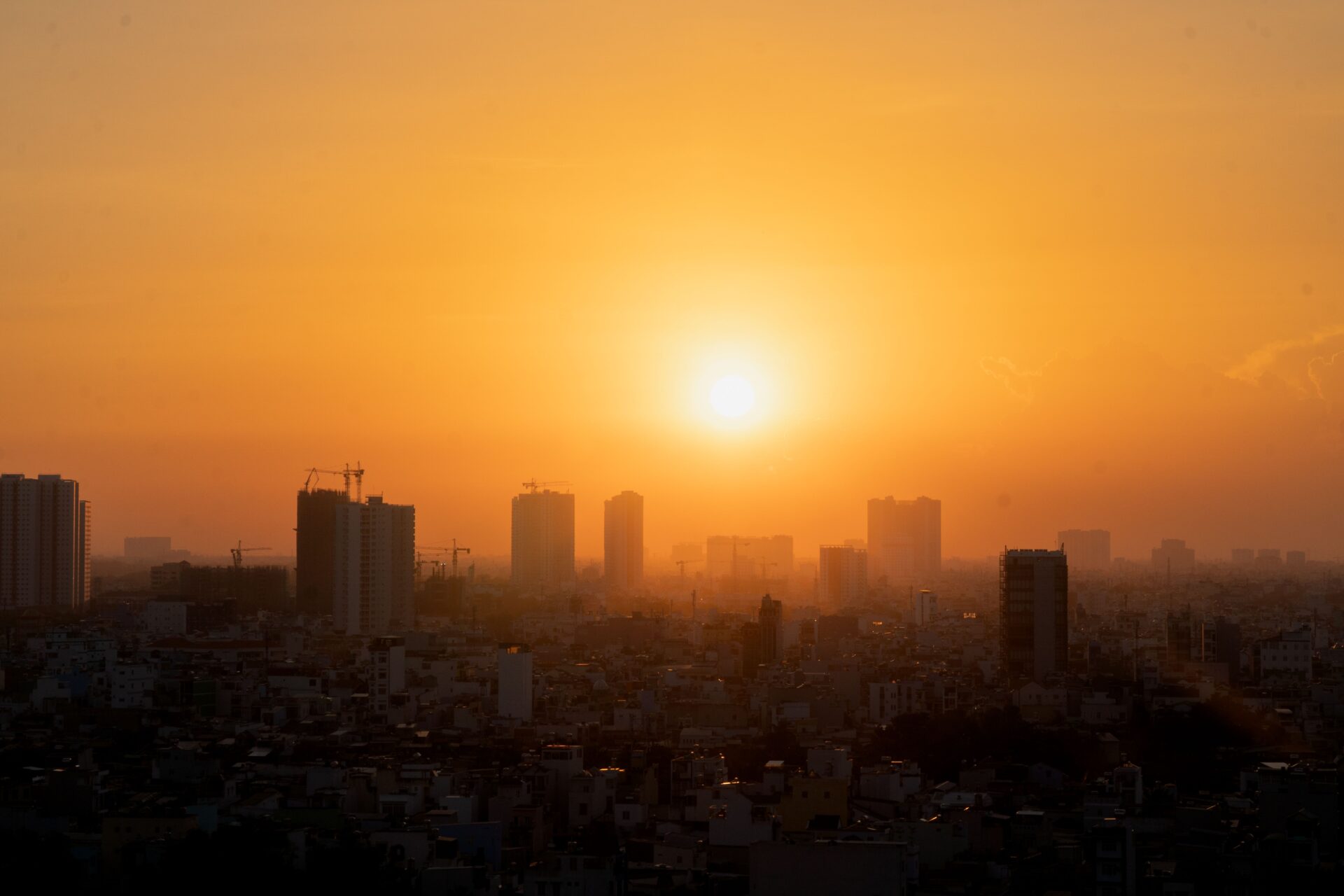
Extreme heat is among the most urgent climate challenges facing the world today, and vulnerable communities across the Global South are the hardest hit. While climate change has made heatwaves more frequent and intense, around 1.2 billion people still lack access to vital cooling services (UN Environment Programme, 2025).
The evidence is clear on the hazards of heat. Heat stress is a leading cause of weather-related death and can have other harmful effects on human health, such as exacerbating underlying illnesses like cardiovascular disease, diabetes, and mental health (WHO, 2026). Extreme heat also places stress on critical systems such as health care, transportation, agriculture, and infrastructure, and can increase the risk of hazards such as drought, flooding, poor air quality, and wildfires (Government of Canada, 2026).
Discover some examples of how CLARE projects are enabling heat resilience:
Researchers and communities designing heat-resilient homes
The Be-Housing project, part of the CLARE-ASEAN initiative, is a comparative study of urban poor settlements for heat adaptation across Malaysian and Indonesian cities, aiming to understand urban heat and suggest heat mitigation options in different housing typologies.
In cities where the heat index inside homes in North Jakarta could reach 55°C, the project works with communities to compare what actually keeps people cool in self-bult kampung versus public rental flats, turning those findings into a housing upgrading toolkit and policy guidance for heat-resilient homes, with women, children, and older residents at the centre.
Exchanging knowledge on heat health adaptation lessons
In May 2025, experts in Rajkot, India and Nairobi, Kenya had the opportunity to share transformative heat health lessons during a peer learning exchange. Hosted by the CLARE R4I Opportunities Fund, this exchange between senior government officials in Nairobi and their counterparts in Rajkot showcased the successful implementation of urban heat health prevention measures in India.
As temperatures in the Nairobi region continue to steadily rise, lessons from Rajkot offer important insight into Nairobi can implement similar forms of prevention. Following in the footstep’s of Rajkot’s success, Nairobi officials and scientific experts took initial steps towards building infrastructure for a locally grounded Heat Action Plan (HAP).
First heat action plan developed for a city in Bangladesh
Supported under the CLARE Research for Impact (R4I) Opportunities Fund, ICLEI South Asia developed the first heat action plan for the city of Narayanganj, Bangladesh, which faces severe impacts of heat stress. As Narayanganj is home to many textile industries, which form the backbone of the city’s economy, city officials were particularly concerned about the impact of heat on workers in textile industries, as well as on residents of the city.
The Narayanganj City Corporation worked with ICLEI South Asia to identify heat vulnerable hotspots in the city and vulnerable populations. The action plan further outlined actions to be undertaken by citizens and the government to reduce heat stress before, during, and after heat stress events.
Understanding heat adaptation in Indian cities
Cities in India are at particular risk for extreme heat, with vulnerable populations the most affected. Work carried out under the CLAPs project has yielded new insights into heat adaptation in Indian cities. One study carried out by the project team offered insights on heat risk governance and incremental adaptation from ten urban Heat Action Plans (HAPs).
The project has also undertaken advocacy to support Indian cities in adopting system-wide, transformational approaches to respond to extreme heat and raising awareness of the urgency of heat resilience through outlets such as The Guardian.
Adapting to how heat feels, not just degrees
In Ghana, Kenya, Nigeria, and South Africa, the PALM-TREEs project team is deploying iButtons — small, durable temperature/humidity data loggers — to record local environmental temperatures in specific geographic zones. This data is matched with personal weather diaries that capture people’s perception of heat to better understand what heat stress means to people living through it, where it is experienced at greater levels, and how best to reduce its impacts
Categories
Countries
CLARE Pillars
CLARE Themes
CLARE Topics