
Highlights from CLARExchange 2026: “Celebrating and Sustaining Our Collective Impact”
/
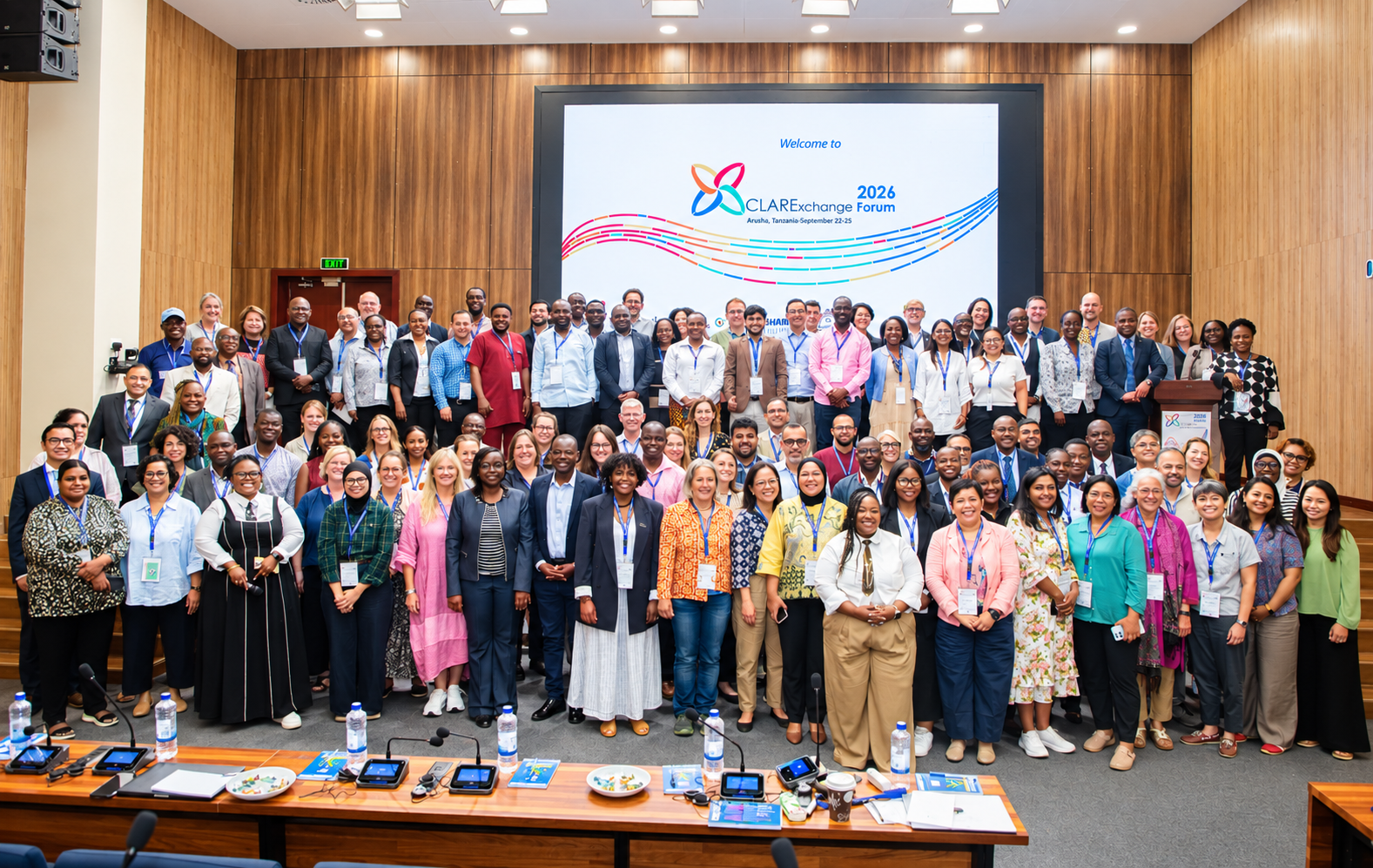
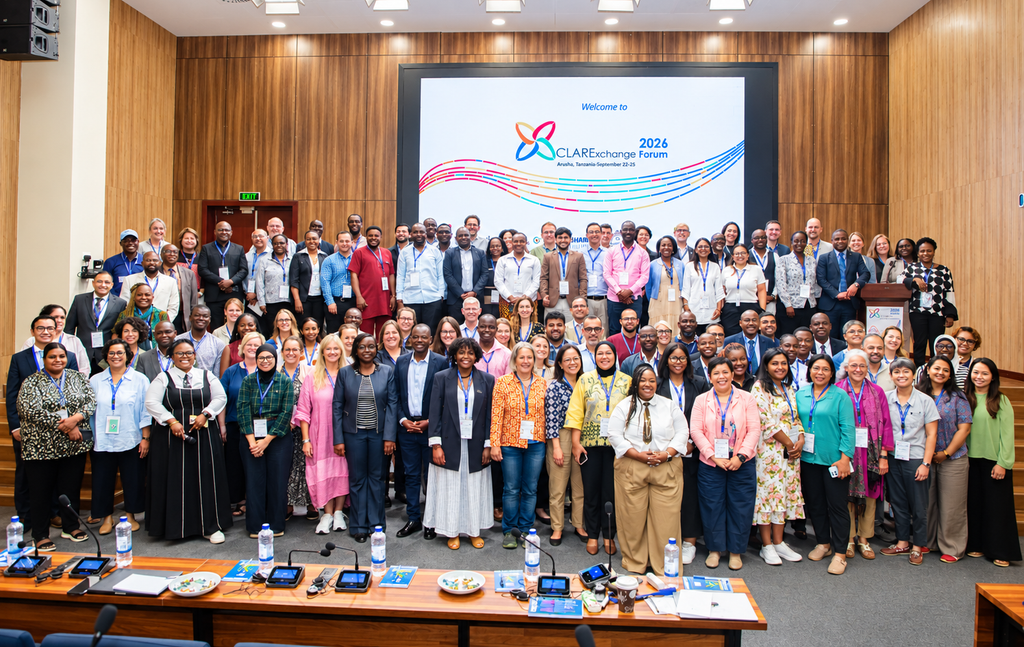
From September 22 to 25, 2026, members of the CLARE global community gathered in Arusha, Tanzania, for the second in-person CLARExchange forum. This final programme wide gathering brought together around 200 representatives from the programme’s 195 partner organisations and 35 research projects. Together, these projects involve more than 1,500 researchers and practitioners, including around 600 early-career researchers and practitioners. CLARExchange 2026 was co-hosted by the UK’s Foreign, Commonwealth and Development Office and Canada’s International Development Research Centre together with Shahidi wa Maji and the Nelson Mandela African Institution of Science and Technology.
The theme of CLARExchange 2026, “Celebrating and Sustaining Our Collective Impact”, provided an opportunity for members of the CLARE community to reflect on the programme’s achievements, consolidate learning across projects, and identify pathways to sustain and amplify impact beyond the life of the programme.
Bringing together researchers, practitioners, policymakers, funders, and other members of the CLARE community from approximately 25 countries, the forum served as an inclusive space for peer learning, collaboration, and knowledge exchange among diverse individuals and institutions involved in CLARE-supported projects across Africa and Asia-Pacific.
The primary objective of CLARExchange 2026 was to review programme results and strengthen a shared understanding and narrative of CLARE’s overall contributions to climate adaptation and resilience. Participants explored collective findings and impacts, strengthened connections across projects, and discussed opportunities to translate research evidence into inclusive and sustainable climate adaptation policy, programming, and practice.
Daily highlights
Day 1
On September 22, CLARExchange 2026 officially opened in Arusha. The opening day set the scene for the whole forum, enabling collaborative reflection on the achievements, lessons, and contributions generated through CLARE-supported research.
As part of this scene setting, participants examined the programme’s overall progress, reviewed the contributions of individual projects, and engaged in discussions on how CLARE’s evidence and partnerships have contributed to advancing effective and inclusive climate adaptation and resilience across the Global South. To date, CLARE-supported work has produced 95 tools that have been adopted to strengthen climate resilience, more than 200 peer-reviewed papers, and evidence that has informed over 40 policies across more than 30 countries.
A central message was that climate technologies and technical evidence, including climate modelling and early-warning systems, are most effective when they are developed through transdisciplinary approaches that bring researchers, communities, practitioners and decision-makers together. This helps ensure that solutions are relevant to local priorities, connected to institutions and decision-making systems, and more likely to be inclusive, sustainable and used in practice.
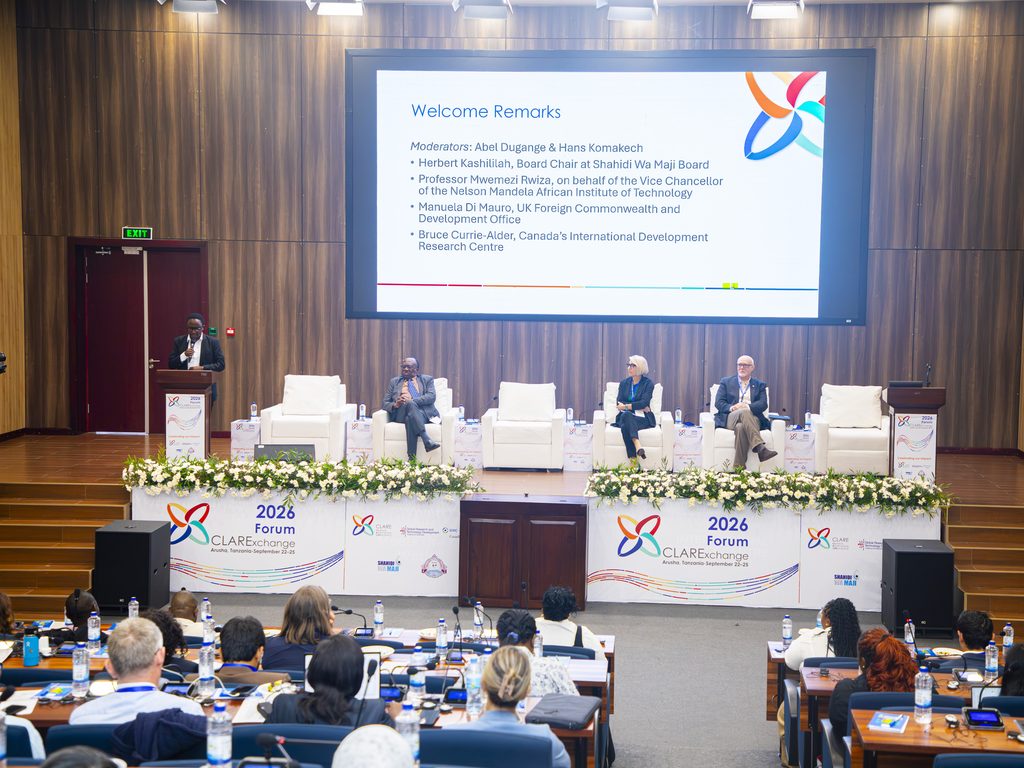
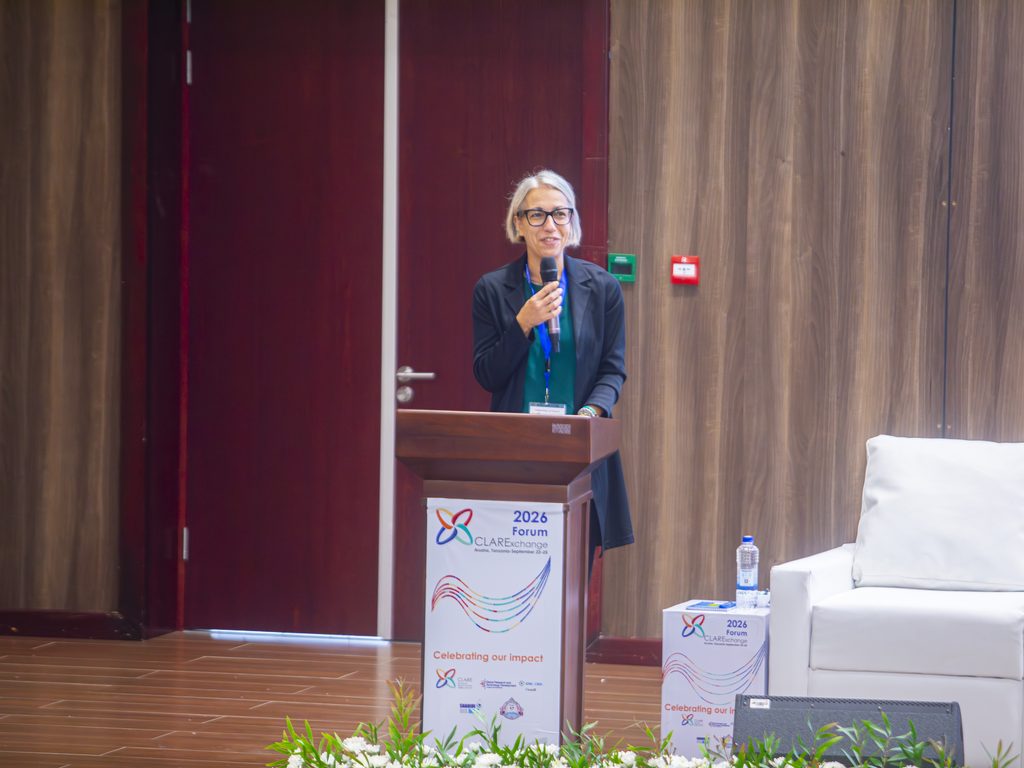
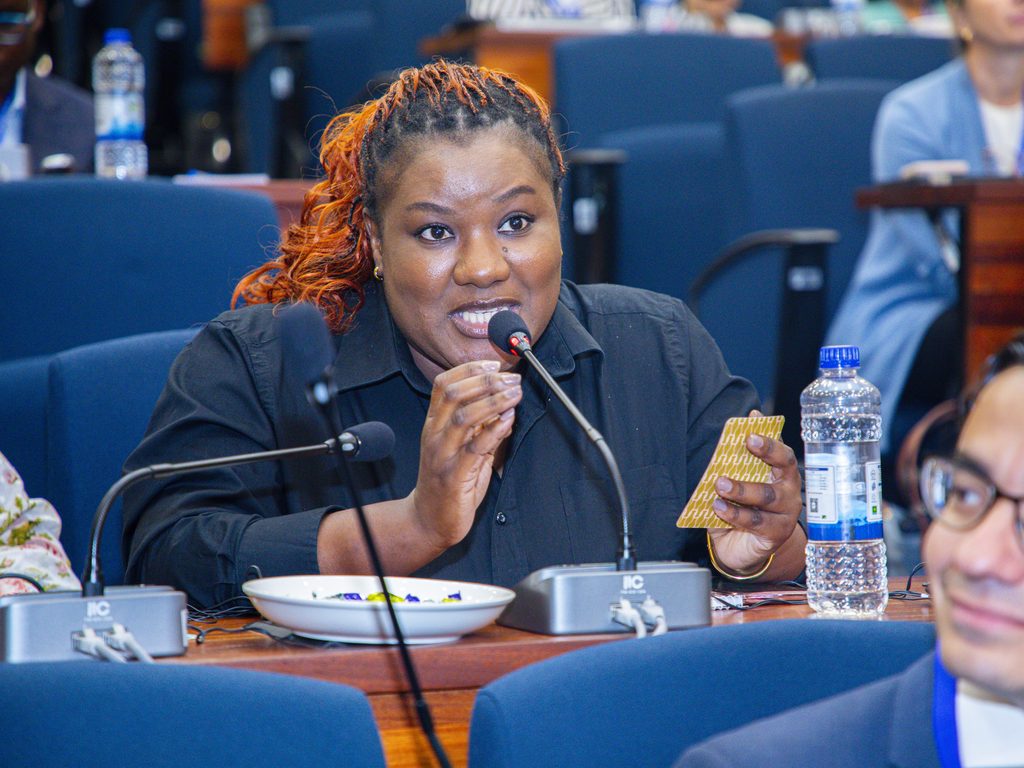
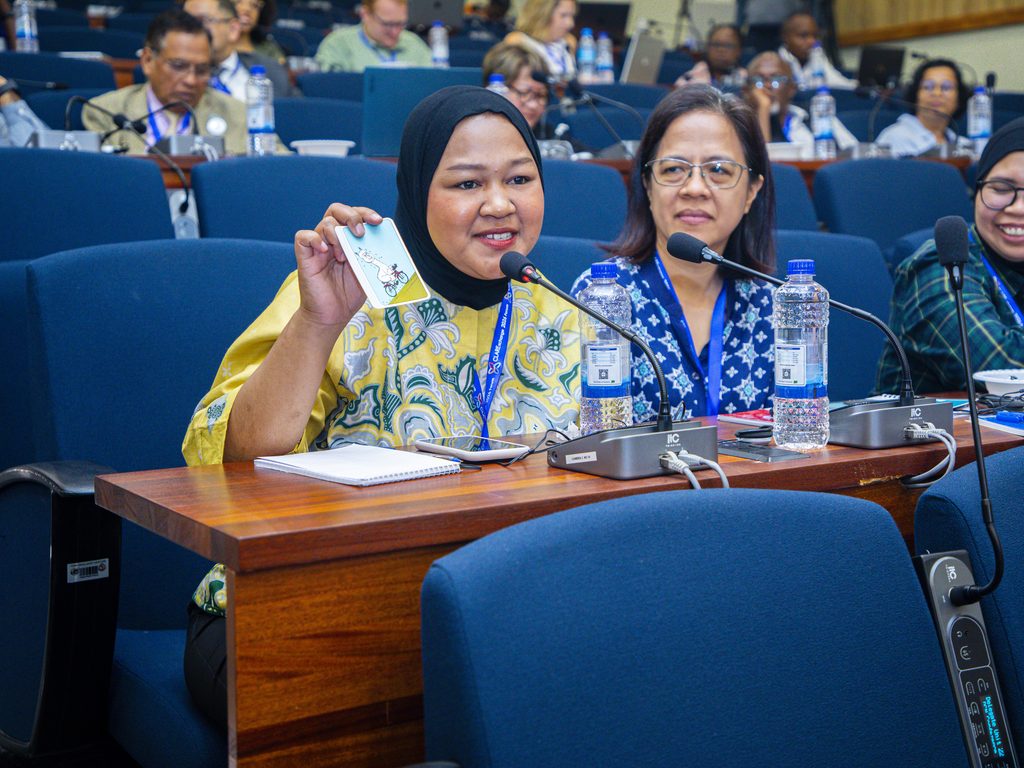
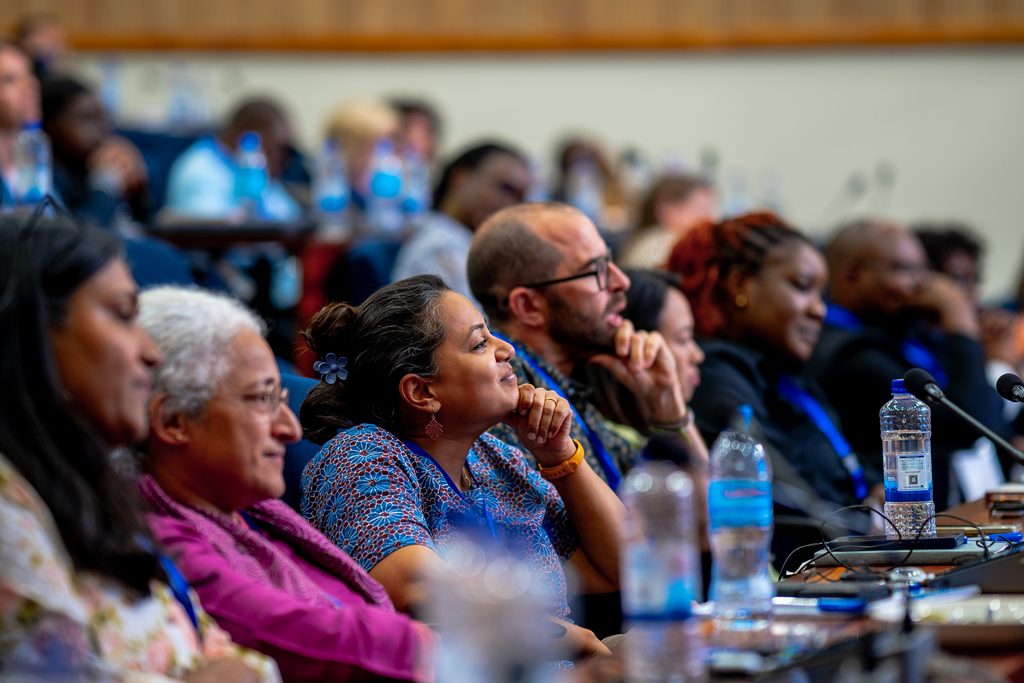
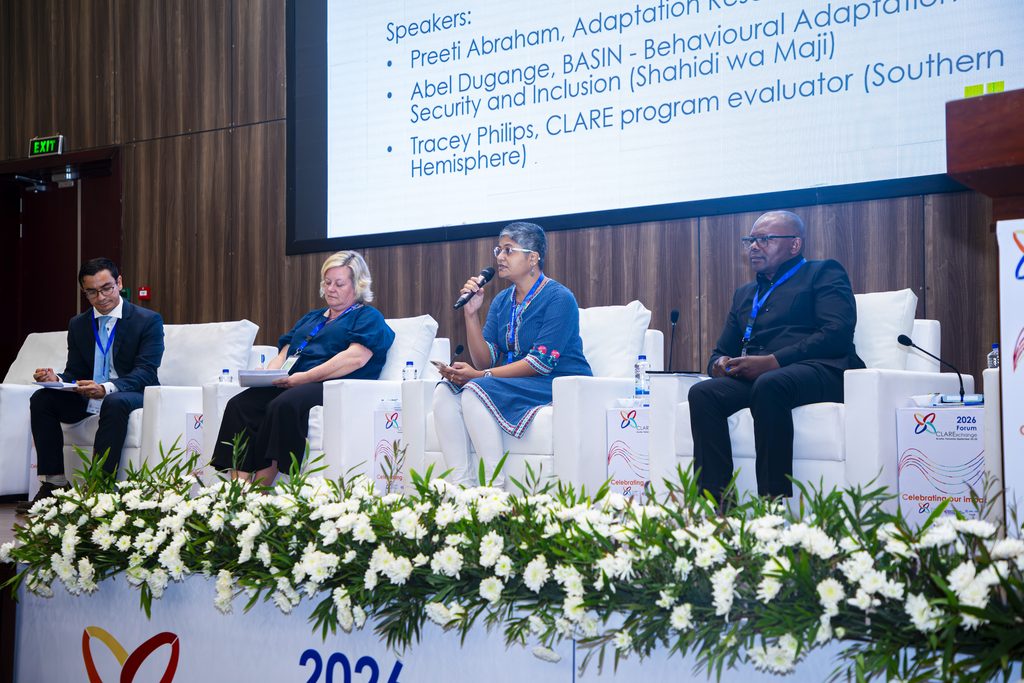
Highlights from the opening of CLARExchange 2026
Day 2
On the second day of the forum, participants delved deeper into key cross-cutting areas of CLARE’s work. Through interactive exchange and discussion, members of the CLARE community shared experiences and lessons from projects while working to consolidate evidence and learning from across the programme.
Highlights included a session showcasing the results and contributions of CLARE’s work on gender equality and inclusion (GEI), which explored key lessons, challenges, and priorities for future action. Later, participants came together to discuss and consolidate results and contributions of CLARE’s work on capacity strengthening. Another session focused on research for impact, examining how CLARE has contributed to informing policy and practice, including consideration of what works, what does not, and under what conditions. The day rounded out with a session sharing findings and lessons from common threads that cut across CLARE research: linking timescales, lived experiences of extreme events, and climate resilient development.
Together, these discussions helped build a stronger collective understanding of the programme’s contributions and legacy.
Day 3
Day 3 centred on the theme “What now, what next?”, encouraging participants to look ahead and identify practical opportunities for sustaining relationships, results, and capacities developed through CLARE in the evolving field of climate adaptation and resilience.
Sessions explored future prospects for climate adaptation and resilience research and action, strategies for carrying forward CLARE’s key messages and outcomes, and approaches to ensuring the sustainability of programme-level results beyond project timelines. Participants worked collaboratively to refine a shared vision of CLARE’s collective contribution and discuss priorities for future engagement and action. Discussions highlighted two particularly important priorities for scaling impact. The first was stronger systems-analysis approaches that can identify interactions between climate risks and the wider social, economic and political environment, helping decision-makers prioritise solutions and identify potential levers for change. The second was stronger attention to behaviour change and political economy, to help bridge the persistent gap between climate information and action.
These conversations reinforced the importance of maintaining partnerships, continuing knowledge exchange, and ensuring that research evidence remains accessible and relevant to decision-makers and communities facing climate risks.
Looking ahead
As CLARExchange 2026 came to a close, participants reflected on a week marked by collaboration, learning, and a shared commitment to advancing climate adaptation and resilience. The forum highlighted the breadth of knowledge, innovation, and impact generated across the CLARE portfolio and underscored the value of bringing together the CLARE community to learn from one another.
While the 2026 CLARExchange forum has concluded, CLARE’s momentum continues. Across Africa and Asia-Pacific, CLARE-supported projects are continuing to generate evidence, strengthen capacities, and support Southern-led approaches that contribute to more effective, inclusive, and sustainable climate resilience. The programme’s legacy lies not only in the tools, methods, models and technologies it has produced, but also in the transdisciplinary approaches, partnerships and decision-making practices that can help solutions become embedded in institutions and sustained beyond individual projects.
Categories
Countries
CLARE Pillars
CLARE Themes
Published
CLARE Projects
CLARE Partners