
Integrating Gender Equality and Inclusion in Communication Actions
/
Authors: Ursulla Wandili, Maureen Kabasa, Monroe Dikiny
Who gets heard, understood, and included in communication processes? This question emerged during the CS Hub Communication and Dissemination Learning Series organised under the CLARE Capacity Strengthening Hub. Project teams reflected on how everyday communication decisions, including whose voices are prioritised, which languages are used, and how information is shared, influence inclusion, participation, and access to knowledge.
The learning series created space for teams to examine how communication actions shape Gender Equality and Inclusion (GEI) in practice and what it takes to make communication more inclusive and responsive to different audience realities.
Table 1: Key learnings on integrating Gender Equality and Inclusion into communication actions.
| Key Learning | What It Means in Practice |
| Whose Voices Shape Communication | Include diverse voices to shape messages and decisions. |
| Early Communication Decisions Shape GEI Outcomes | Plan for inclusion from the beginning. |
| Language, Format, and Channel Choices Influence Inclusion | Adapt content and channels to diverse audiences. |
| Co-Creation Supports More Inclusive Communication | Collaborate with intended audiences. |
| Internal Team Practices Influence GEI in Communication Actions | Discuss inclusion as a shared responsibility. |
1. Why Communication Matters for Gender Equality and Inclusion
Communication plays a central role in climate resilience and adaptation work. It shapes how research findings are shared, who can engage with information, and whose experiences are recognised in decision-making processes. Yet despite increasing commitments to gender equality and inclusion, many projects continue to face challenges in translating these principles into everyday communication practice.
One of the strongest lessons from the learning series was that inclusive communication depends heavily on whose voices shape messages and narratives. Participants reflected that communication products often rely on institutional voices, technical experts, or project leads, even in projects working closely with communities most affected by climate risks. This can unintentionally limit the visibility of lived experiences and reinforce existing power dynamics.
The discussions highlighted that meaningful inclusion goes beyond representation alone. Featuring women or marginalised groups in communication outputs does not necessarily mean their perspectives influence how stories are framed or how priorities are communicated. Instead, inclusive communication requires deliberate efforts to create space for people directly affected by climate challenges to share their own experiences and perspectives.
1.1. Early Communication Decisions Shape Inclusion
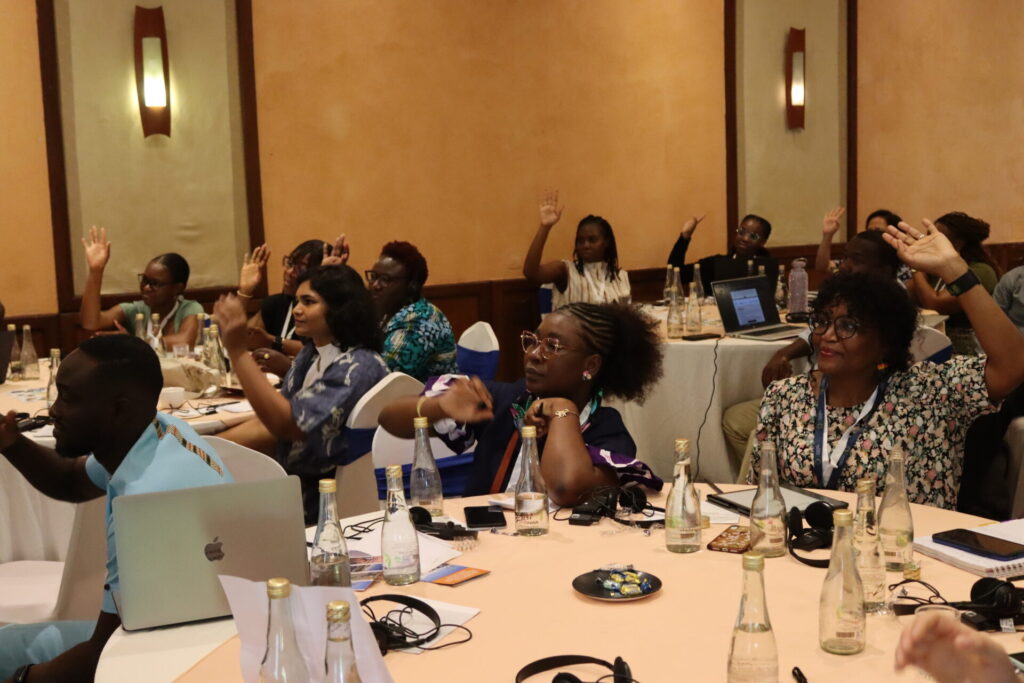
A session at the CLARE CS Hub Communication and Dissemination Workshop in Diani, Kenya. Photo Credit: Fiona Makayoto – ACTS
Another important lesson focused on the timing of communication decisions. Participants observed that communication planning often prioritises outputs and dissemination while inclusion considerations are introduced later in the process. By that stage, opportunities to address deeper issues related to participation, access, and representation are already limited.
Teams found that integrating GEI considerations early in communication planning created more opportunities to reflect on audience diversity, identify barriers to access, and select communication approaches that better align with different realities and needs. This included thinking carefully about intended audiences, access to information, and groups that may unintentionally be excluded.
1.2. Language, Formats, and Channels Influence Accessibility
Language, format, and channel choices also emerged as key areas influencing inclusion. Participants reflected on how communication frequently assumes shared literacy levels, familiarity with technical language, stable internet connectivity, or access to digital platforms. These assumptions can unintentionally exclude some audiences and reduce accessibility.
The learning series highlighted that technical terminology and dominant languages often limit engagement, particularly when communication does not align with local ways of discussing issues or interpreting information. Participants also noted that relying mainly on written reports or online platforms can exclude audiences who engage more effectively using oral, visual, or community-based communication approaches.
1.3. Co-Creation Strengthens Inclusive Communication

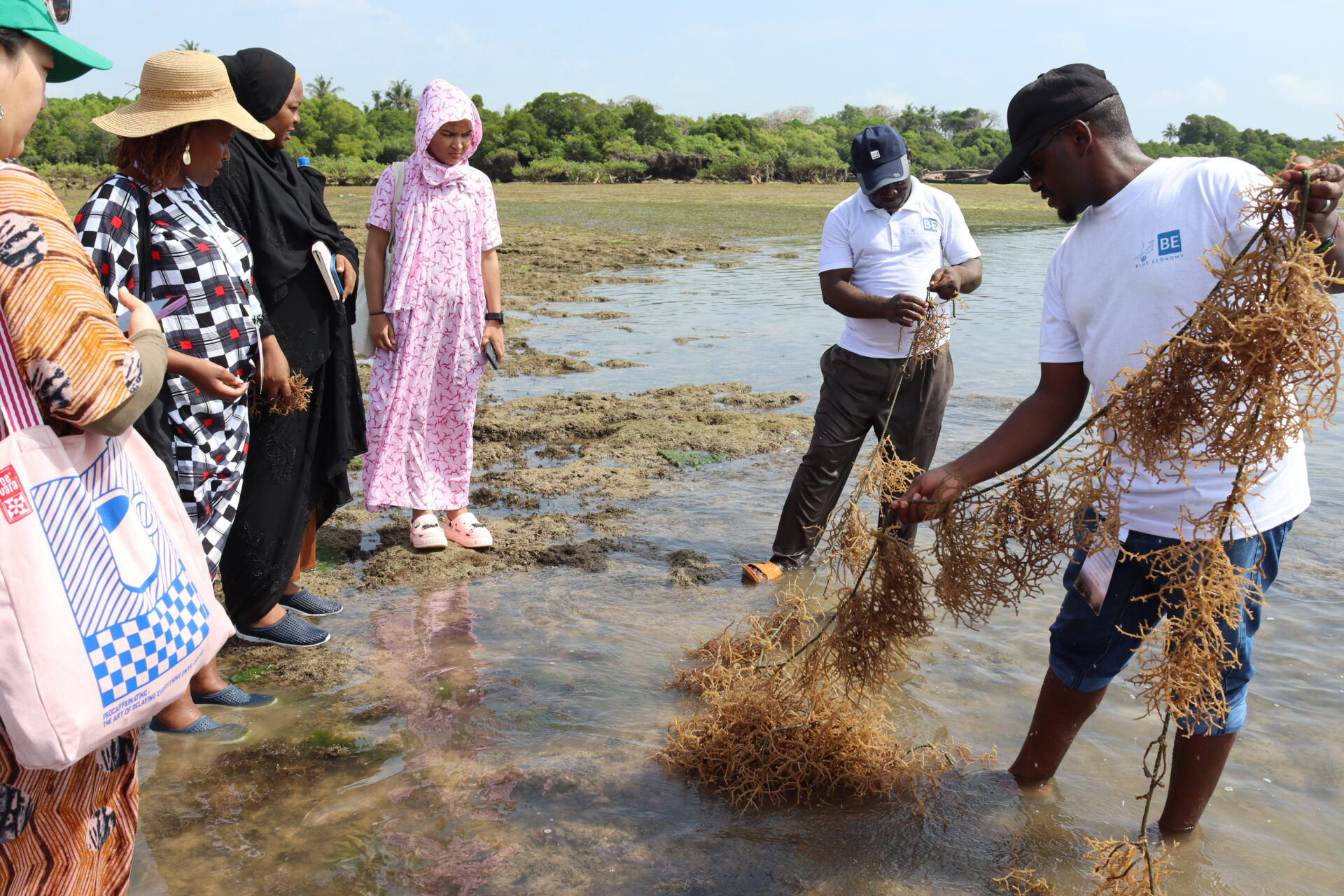
A field event at the CLARE CS Hub Communication and Dissemination Workshop in Diani, Kenya. Photo Credit: Fiona Makayoto – ACTS
Co-creation emerged as another important learning. Participants recognised that communication becomes more relevant and trusted when audiences are involved in shaping messages rather than being treated solely as recipients of information. Co-creation helped teams reflect local realities more accurately, strengthen trust, and incorporate diverse forms of knowledge into communication processes.
This process also supported more balanced communication by allowing different groups to influence how stories were framed and what issues were prioritised. As a result, communication became more grounded in lived experience and more responsive to community contexts.
2. Common Missteps in Inclusive Communication
The learning process also highlighted several common missteps that can undermine inclusive communication. These included treating GEI primarily as representation, relying on a single communication product for multiple audiences, and introducing inclusion considerations only after communication strategies had already been developed. Participants recognised that inclusive communication requires ongoing reflection rather than isolated adjustments or symbolic actions.
3. Moving From Reflection to Practice
The discussions encouraged teams to continuously reflect on key questions:
| Guiding Questions for Inclusive Communication |
| Who is this communication for, and who might be left out? |
| Can the intended audiences understand and use the information? |
| Whose voices shape the message? |
| How do format and channel choices affect access? |
| What assumptions are guiding our communication decisions? |
Conclusion
The CS Hub Communication and Dissemination Learning Series demonstrated that integrating gender equality and inclusion into communication practice is not about creating separate communication systems. Instead, it requires applying an inclusion lens to everyday communication decisions made throughout the project lifecycle.
By embedding GEI considerations into communication practice from the beginning, projects can strengthen the relevance, accessibility, and impact of their work while ensuring that diverse perspectives are meaningfully recognised and included.
Published
CLARE Projects
CLARE Partners