

Lusaka mayoral engagement is a powerful turning point for city’s formal nature strategy
/
This article was written by Jessica Kavonic, from C40 Cities
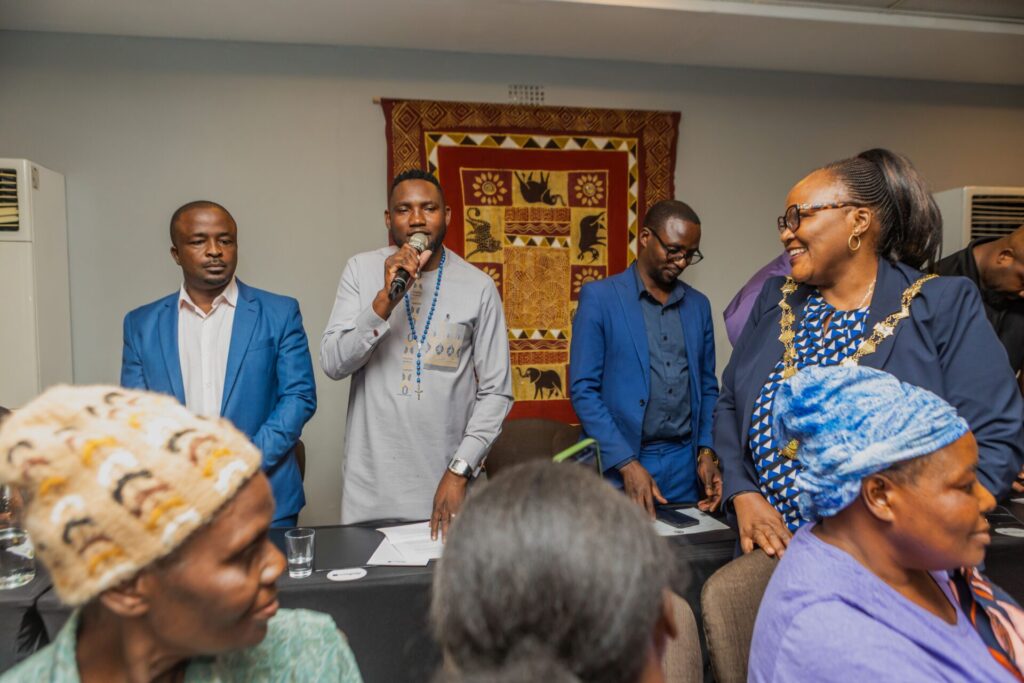
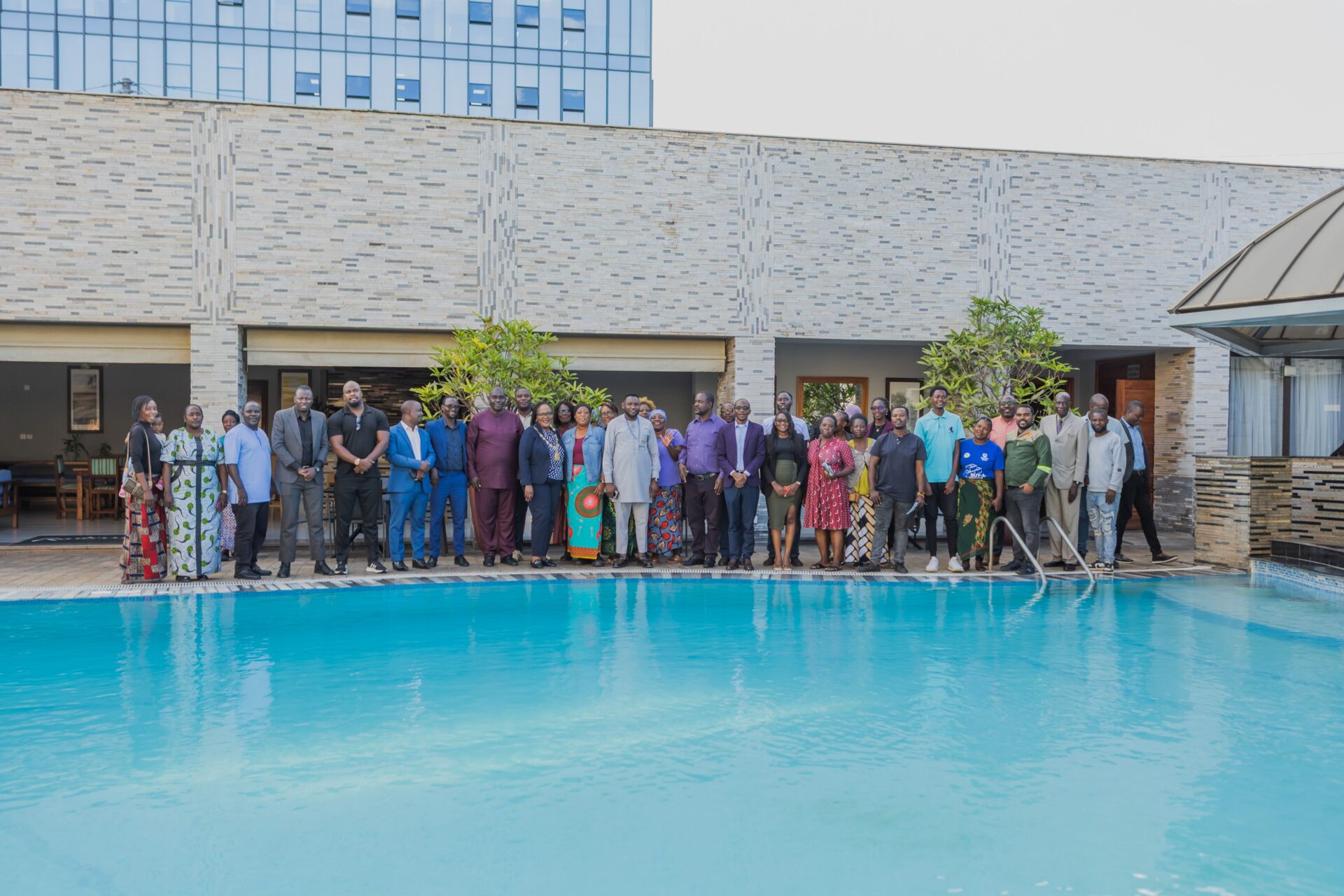
The Lusaka Mayoral Breakfast and Engagement, held on 4 May 2026, was a high-level event designed to brief the Lusaka City Council on tools and opportunities for Nature-based Solutions (NbS) in Lusaka. Its primary goal was to exchange lessons, priorities, and ideas while fostering stronger, more collaborative relationships among political, technical, and community stakeholders.
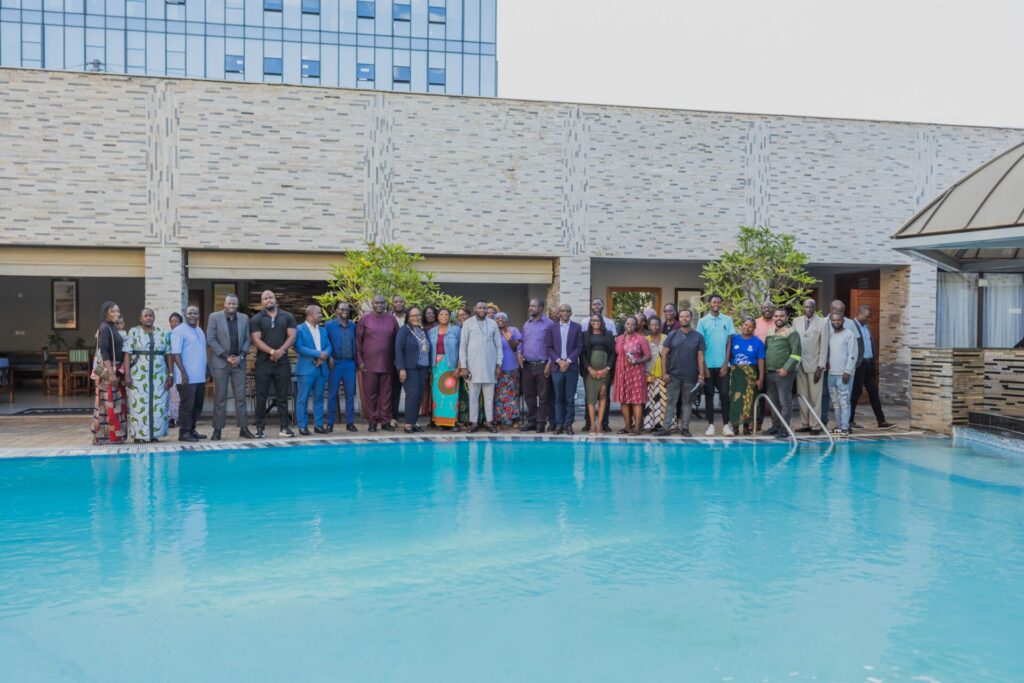
The programme brought together representatives from the Lusaka City Council (LCC), C40 Cities, the University of Zambia (UNZA), and the People’s Process on Housing and Poverty in Zambia (PPHPZ), alongside other local stakeholders and community members, to align on strategic priorities and celebrate collaborative milestones under the Tuwe Pamoja project.
Grassroots-led climate actions and urban resilience
Activities began with a field visit to the Kanyama Green Space, which is a community-led initiative to address flooding using nature. They were welcomed by 20 federation women leading the initiative. The green space serves as a practical example of a community-led NbS aimed at addressing climate vulnerability within informal settlements.
During the visit, the women explained how the initiative emerged through community mobilisation, savings schemes, and co-creation processes facilitated through the federation structures. They highlighted how collective action has enabled the community to identify local climate challenges and implement locally-driven solutions focused on environmental restoration, flood mitigation, food production, and livelihood improvement.
The discussions during the visit focused largely on issues of management, ownership, and long-term sustainability of the initiative. The federation members emphasised that the green space is fully owned and managed by the community federation, which has strengthened local accountability and ownership. They further explained that, beyond community savings, the group intends to expand economic activities at the site in order to enhance financial sustainability and ensure the continuity of the initiative.
Participants acknowledged the site as an important demonstration of how grassroots-led climate actions can contribute to urban resilience while simultaneously creating social and economic benefits for vulnerable communities.
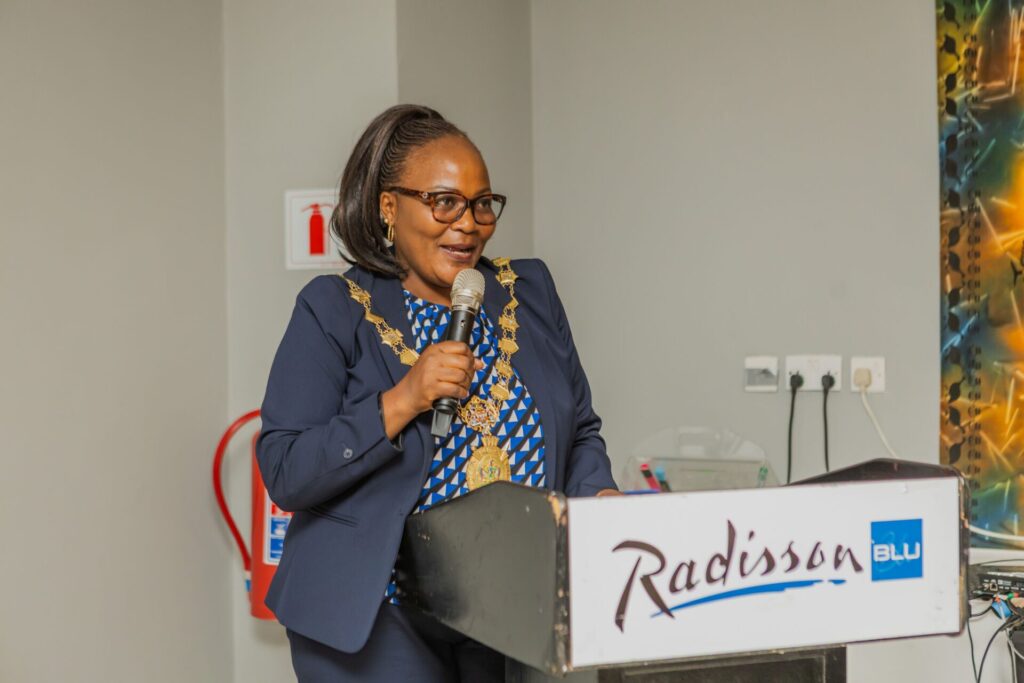
Chilando Chitangala, who served as the Mayor of the city of Lusaka, Zambia during the engagement, speaks to the participants of the Tuwe Pamoja led engagement.
Leadership to champion NbS in Lusaka
The mayoral engagement event began in the afternoon with a formal welcome from the Master of Ceremonies, followed by the opening prayer and national anthem, and an official welcome address by the Mayor of Lusaka. The programme then moved into a series of strategic presentations, starting with the Lusaka City Council’s outline of its five-year NbS priorities and its commitments to collaborating with local communities in informal settlements.
This was followed by an overview of the Tuwe Pamoja project’s progress and lessons learned, which included a dedicated reflection from community federation members and local community members regarding the project’s local impact and their challenges faced on the ground.
The formal proceedings concluded with official remarks from the Dean of UNZA and a definitive statement of commitment from the city councillors on how leadership would champion NbS initiatives moving forward.
Lusaka City Council formally announced their commitment to signing the C40 Urban Nature Accelerator. This pledge affirms the city’s dedication to scaling up NbS to protect its communities and ecosystem. This was a critical outcome of the event, with this commitment serving as a powerful turning point for Lusaka’s formal nature strategy.
Bridging the gap between community-led initiatives and policy
The C40 Urban Nature Accelerator is a global framework designed to help cities rapidly scale up NbS to combat extreme heat, flooding, and biodiversity loss. By signing the accelerator, cities gain access to technical support, peer-to-peer knowledge sharing, and pathways to climate finance, transforming high-level environmental goals into measurable, trackable urban actions.
Crucially, the accelerator places equity and inclusivity at the heart of urban planning. It provides a structured methodology that compels municipalities to design equitable NbS, ensuring that climate investments actively benefit the most vulnerable populations rather than exacerbating existing urban divides.
For a city like Lusaka, this framework is particularly vital as it explicitly champions deep engagement with informal settlements. It helps the city council transition away from top-down planning and instead co-design green infrastructure directly alongside the local communities who need protection the most. Ultimately, this commitment bridges the gap between community-led initiatives, like the Tuwe Pamoja project, and formal municipal policy.
By embedding the principles of the C40 Urban Nature Accelerator into its governance, the Lusaka City Council has not just pledged to protect its ecosystems, but has locked in an institutional promise to build a fairer, safer, and more resilient city for all its residents.
Actionable engagement drives meaningful momentum
The Lusaka engagement underscored the immense value of grounding high-level events in active city processes, demonstrating that anchoring discussions in concrete, actionable content drives meaningful momentum.
A key success was the integration of fieldwork with stakeholder engagement; seeing ideas implemented on the ground visibly demonstrated commitment and successfully shifted the dialogue toward scalability. Furthermore, providing a dedicated space for community voices to lead, alongside securing a broader political commitment—symbolised by a Councillor reading the city’s statement of commitment rather than just the Mayor—proved highly effective.
This demonstrated that the support needed to drive inclusive and equitable NbS is embedded throughout the city council, ensuring continuity that is not dependent on political election cycles. However, the event also highlighted critical operational challenges.
While political engagement is incredibly valuable, it requires extreme flexibility to navigate unpredictable schedules, as shifting timelines on the day unfortunately forced some key stakeholders to leave early.
Future iterations would benefit from longer invitation lead times to boost attendance, a diversified invitation strategy from multiple institutions to better reach all stakeholder tiers, and a pre-prepared press release ready for immediate city adoption and dissemination.
Ultimately, despite these logistical hurdles, the event achieved a monumental outcome with the Mayor and city officially committing to the C40 Nature Accelerator.
Published
CLARE Projects
CLARE Partners