
Realising gender equality in fisheries and climate policy
/
Authored by: Danielle Robinson, University of Leeds & Tyas Trialfhianty, Universitas Pelita Bangsa
New research reveals that progress towards a gender-transformative and climate-resilient fisheries sector is hindered by gaps between policy commitments and action, alongside oversimplified assumptions about gender. We highlight the latest co-developed strategies in strengthening fishing communities’ resilience under climate change.
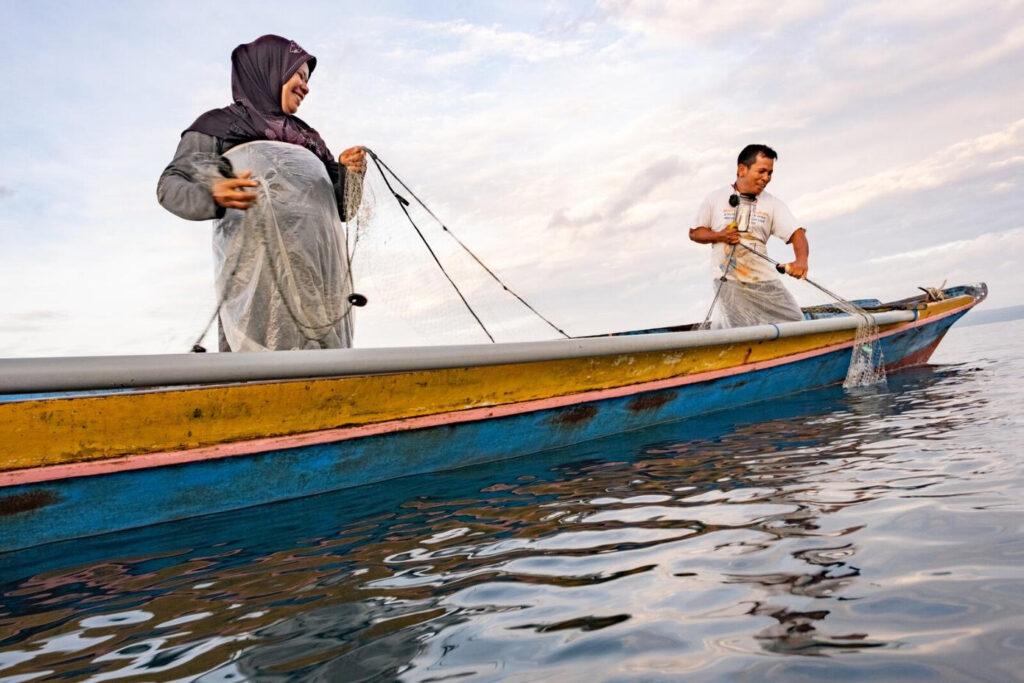
The study, published in Marine Policy, examined the extent of gender integration in 115 fisheries and climate policy documents in Indonesia and the Philippines. Coastal communities in both countries, in which women play a critical role in fisheries, are highly vulnerable to climate change. Crucially, the findings point to two interconnected challenges: how gender is understood in policy, and how those policy commitments are translated into action.
Beyond ‘Women’s Issues’
Women are often portrayed in policy as a single, vulnerable group, overlooking the diversity of their experiences, roles and capacities within fisheries and climate adaptation.
“Gender equality cannot be achieved by focusing on women alone. As our results show, treating gender equality as a ‘women’s issue’ leads to strategies that focus primarily on women, overlooking the important role of men in challenging the social expectations and power relations that constrain women’s opportunities.” – Dr Danielle Robinson, University of Leeds
Findings highlight the need for research and policy that centres the lived experiences of fishers affected by climate change, recognising how intersecting identities (e.g. age and income levels) shape vulnerability and adaptive capacity.
From commitments to action
Both Indonesia and the Philippines have made progress in recognising gender equality in fisheries and climate policies. However, this study identified a persistent gap between policy commitments and implementation at local levels. For example, increasing women’s representation and participation in decision-making was frequently cited as a primary goal for gender equity. Yet, none of the reviewed policies identified the barriers limiting women’s participation, outlined actionable pathways to address those barriers, or explained how increased participation would contribute to broader gender equality or social change outcomes. Additionally, few policies consider how climate change, gender and fisheries intersect. As a result, the specific impacts of climate change on women and men in fisheries remain overlooked.
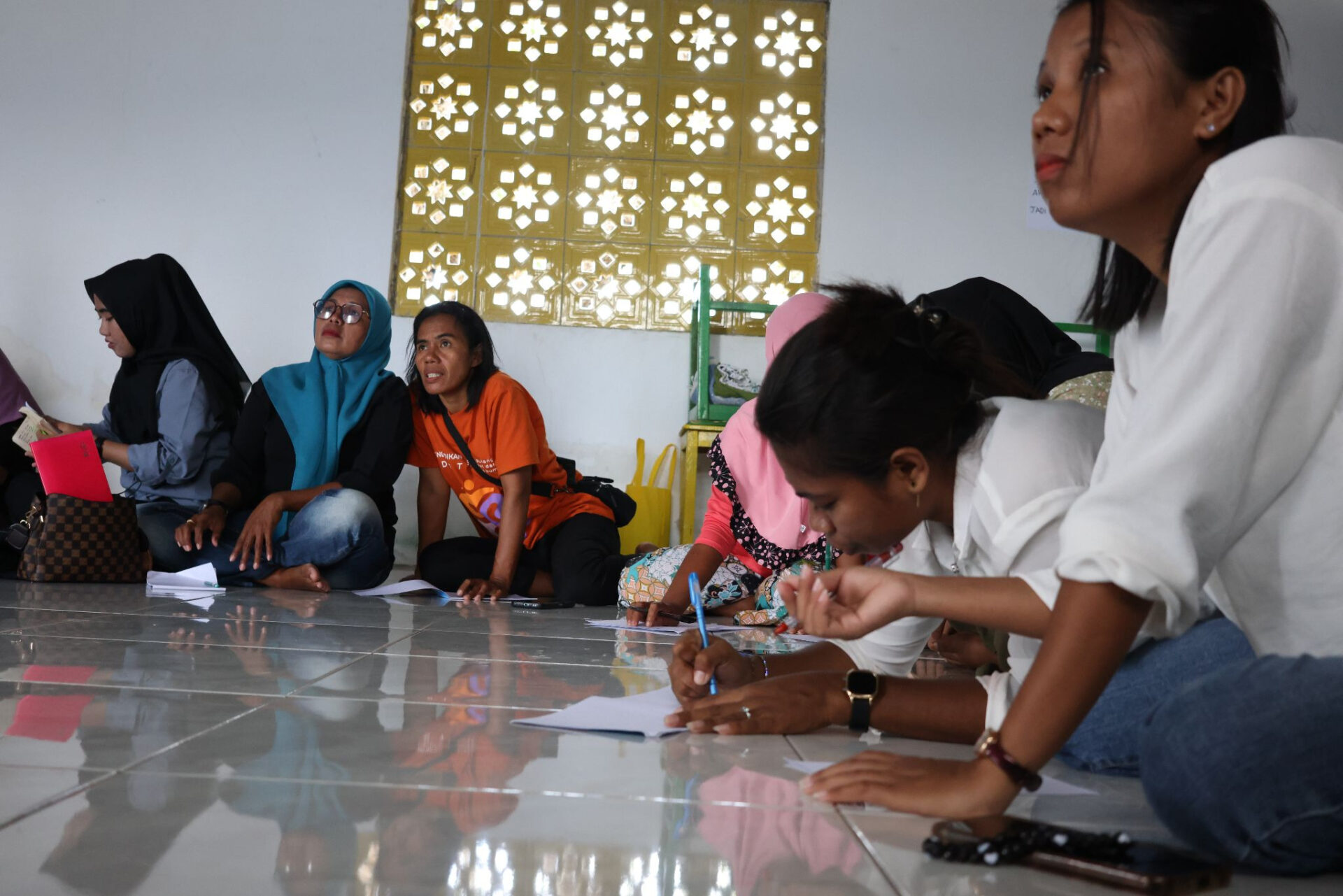
To support meaningful change in fishing communities, findings from this study have informed the co-development of a Think-Kit, led by the Maritime and Marine Science Center of Excellence of Pattimura University. Co-designed with a fisherwomen’s group from Tulehu, Ambon, Indonesia, the Indonesian Pole & Line and Handline Fisheries Association, and the Coral Triangle Initiative on Coral Reefs, Fisheries, and Food Security (CTI-CFF), the Think-Kit aims to help communities, fisheries organisations, government agencies, NGOs, and adaptation practitioners understand how climate risks affect men and women differently and ensure that these differences are considered when planning and implementing adaptation actions.
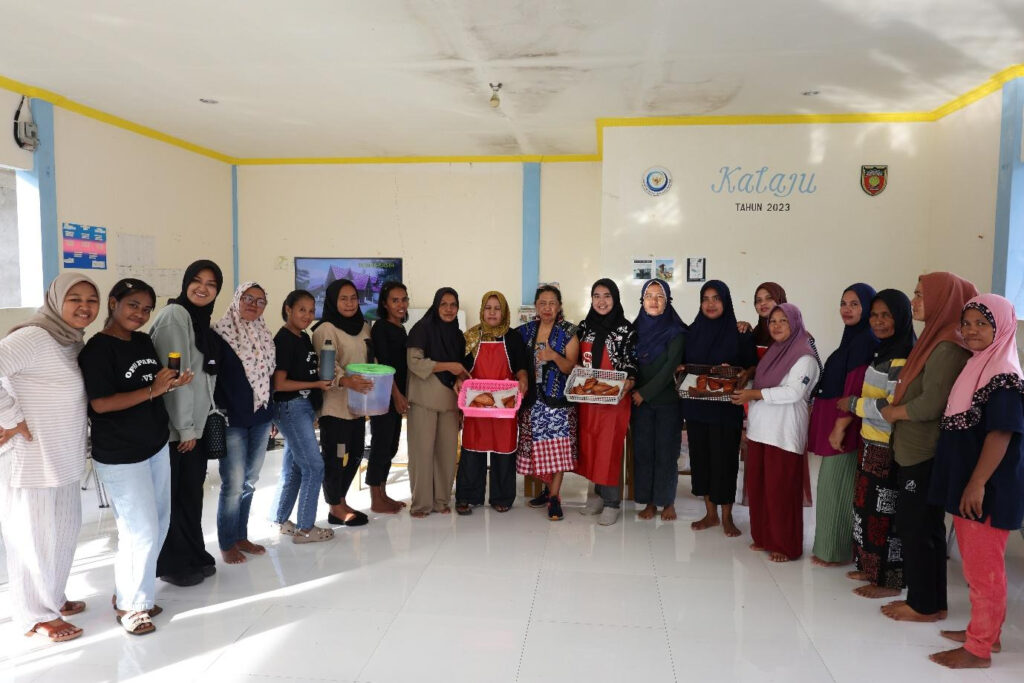
Unlike a fixed manual, the Think-Kit provides adaptable questions, participatory activities, and reflection tools that can be adjusted to different social, cultural and environmental contexts. It includes gender role analysis, livelihood and stakeholder mapping, vulnerability assessment, leadership reflections and guidance for gender-inclusive community consultations. Together, the Think-Kit helps identify who performs different activities, who has access to and control over resources, who participates in decisions and whose priorities may be overlooked. This helps ensure not only effective, but inclusive and equitable climate change adaptation, shaped by the people most affected.
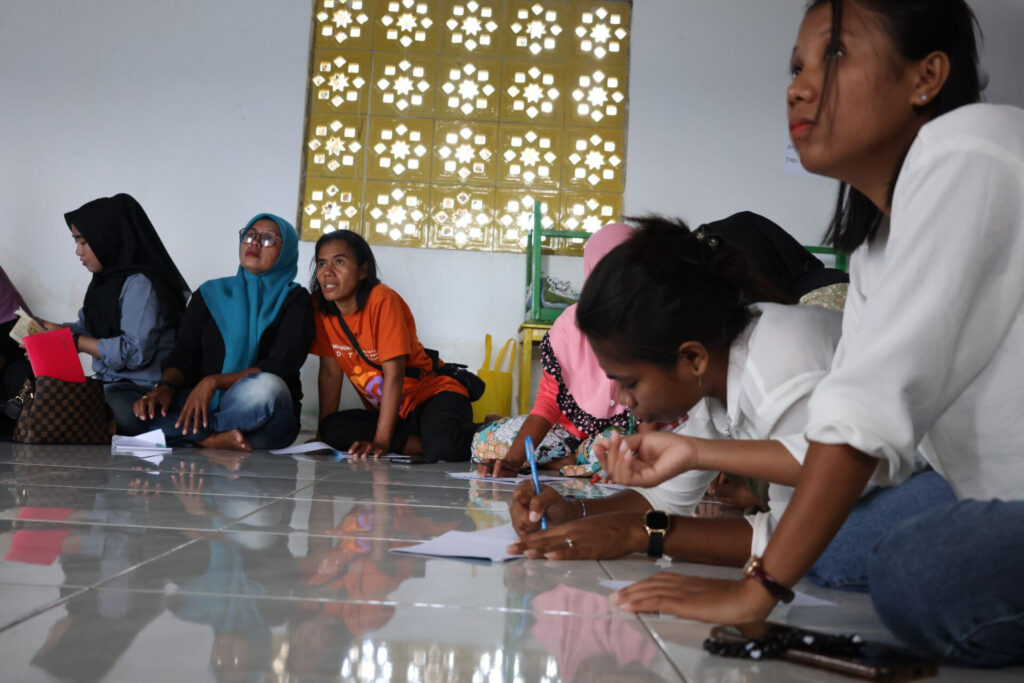
The Think-Kit also shares the participatory development in Tulehu, Ambon, Indonesia as a case-study. We strengthened women’s climate resilience through fish product diversification, financial literacy, climate leadership, and digital storytelling. These collective actions are supporting a shift from reliance on selling raw products towards greater control over production, income generation, and future outlooks, while strengthening women’s voices, independence, and participation in decision-making.
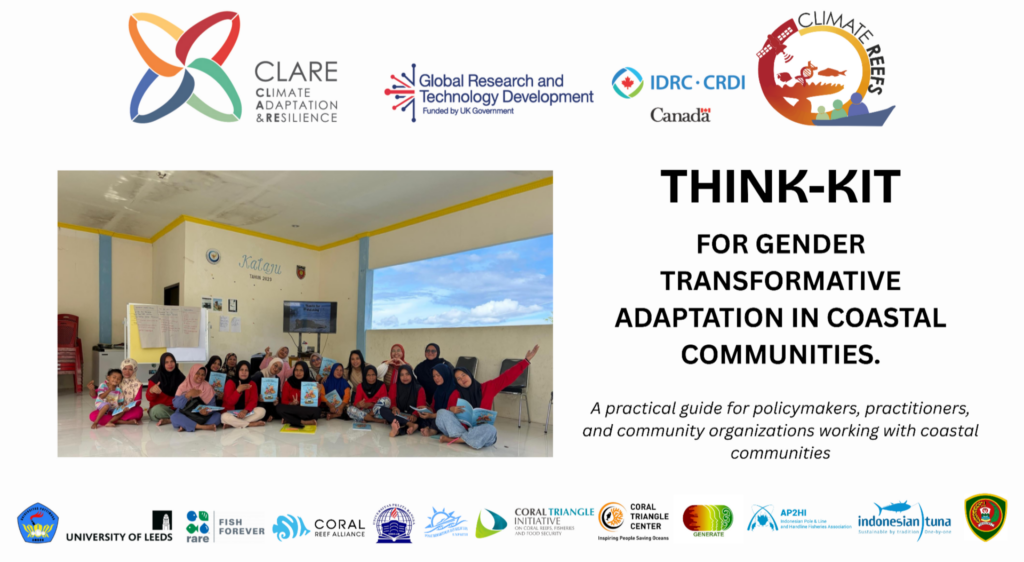
This work was part of the ClimateREEFS project. The Think-Kit development was made possible through the CLARE Research for Impact (R4I) Opportunities Fund. ClimateREEFS is co-funded by the UK’s Foreign, Commonwealth & Development Office (FCDO) and Canada’s International Development Research Centre (IDRC) through the Climate Adaptation and Resilience (CLARE) research programme.
Categories
Countries
CLARE Pillars
CLARE Themes
CLARE Topics
Published
CLARE Projects
CLARE Partners