
RECOVER Partner Meeting in Mauritius Highlights Circular Economy Pathways for Climate Resilience
/
From 7 to 10 July 2026, the University of Mauritius hosted a week of collaboration, learning and strategic planning as part of the RECOVER project’s ongoing work to strengthen climate resilience across Small Island Developing States (SIDS). The gathering brought together researchers from Mauritius, Seychelles, and the Maldives, alongside representatives from the University of Waterloo’s Faculty of Environment, for a hybrid partner meeting focused on advancing circular economy research and deepening island-to-island collaboration.
Strengthening Partnerships for Climate Adaptation
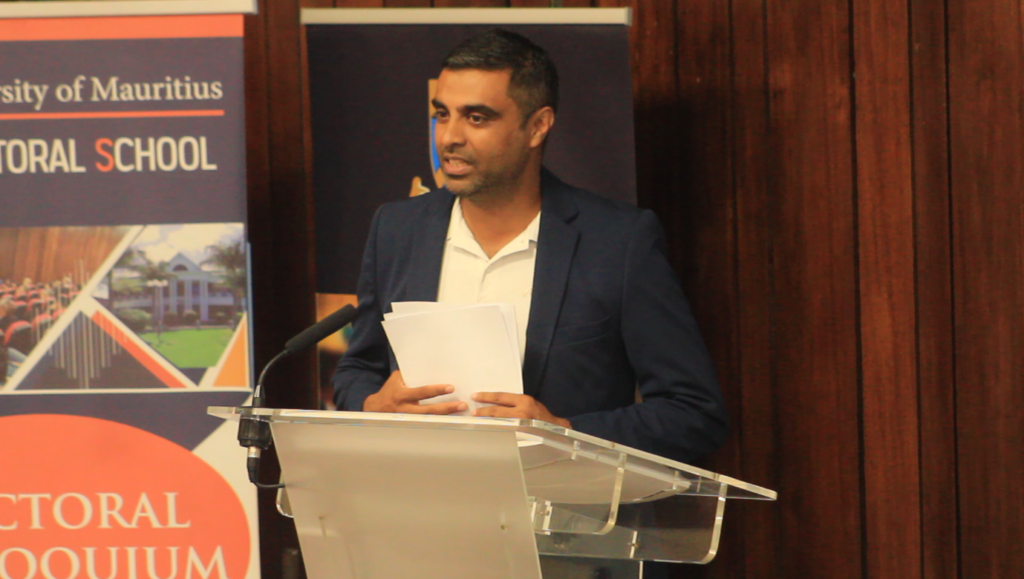
The delegation from the University of Waterloo, including Professor Simron Singh, Principal Investigator of RECOVER, and Professor Bruce Frayne, Dean of Environment, joined partners in Mauritius for technical discussions, one‑to‑one meetings, academic exchanges and public engagement. Coordinated locally by Dr. Mahendra Gooroochurn, Associate Professor at the University of Mauritius, the week provided a platform for researchers to compare methodologies, refine ongoing studies and identify new opportunities for collaboration across the partners islands.
On July 8, project team members engaged with the key members of the RECOVER team to learn about Real‑World Labs (RWLs) as a tool for community engagement and climate adaptation.
Stakeholder Consultative Meeting: A Key Highlight
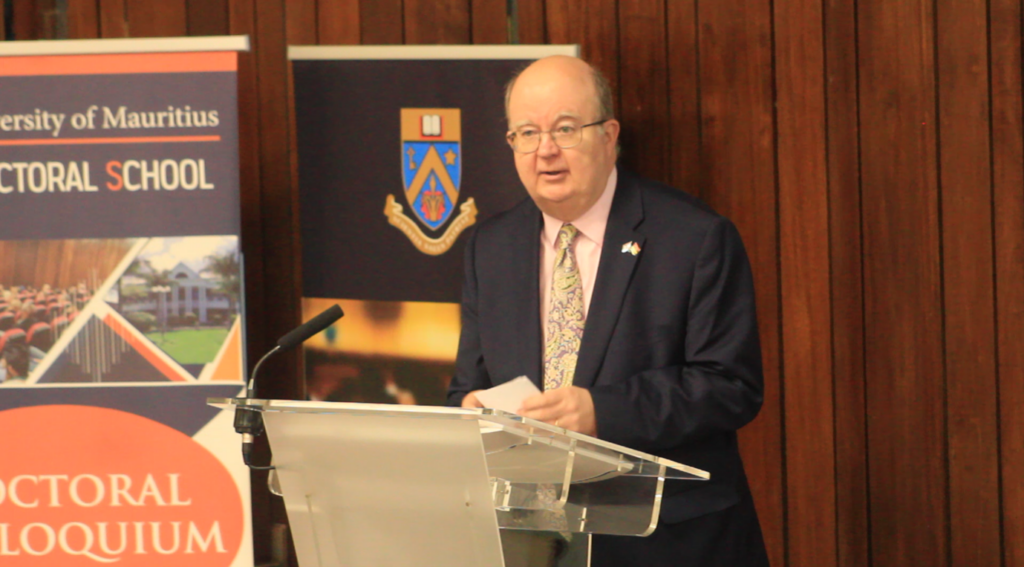
On July 9, RECOVER convened a Stakeholder Consultative Meeting that brought together representatives from ministries, academia, NGOs, private companies and regional organisations from Mauritius. The event opened with remarks from Professor Ponnadurai Ramasami, Pro Vice-Chancellor, followed by a keynote address from the British High Commissioner to Mauritius, Mr. Paul Brummell, who underscored the UK Government’s commitment to climate adaptation through the CLARE programme.
The event was an opportunity to present updates on four major research activities underway in Mauritius:
- Energy flow analysis for the Mauritian economy
- Circularity framework for fishing gear and fish waste in small-scale fishing communities
- Circularity framework for the construction sector, mapping material flows and stocks
- Biomass flow analysis exploring the potential of natural fibres from agro-waste for biocomposites
These studies aim to support Mauritius in strengthening climate resilience through circular economy approaches and socio‑metabolic risk assessments.
Panel Discussion: Opportunities and Barriers
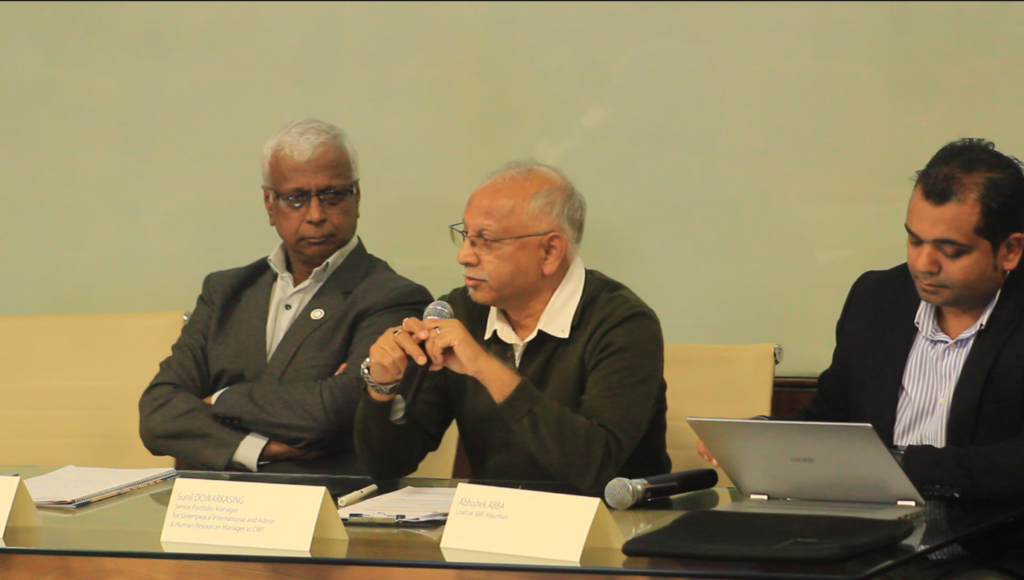
The evening concluded with a panel discussion featuring Mr. Abhishek Abbaf, from SME Mauritius, Mr. Raj Mohabeer, from the Indian Ocean Commission, and Mr. Sunil Dowakarsing, a sustainability consultant and former Greenpeace strategist. The discussion was moderated by Professor Toolseeram Ramjeawon, Sustainability and Circular Economy Consultant and lead architect of Mauritius’ first circular economy roadmap. It examined both the opportunities and the obstacles to advancing circular economy principles in Mauritius, ranging from import dependence and waste management challenges to the need for stronger local value chains and more effective science policy linkages. The panel concluded with remarks from Dr. Bruce Frayne, from the University of Waterloo.
Participants emphasised the importance of sustained dialogue between researchers, industry, government and communities to ensure that RECOVER’s evidence-based insights translate into practical, lasting change.
Additional information on the event is available at: https://uwaterloo.ca/environment/news/recover-builds-capacity-climate-change-adaptations
Categories
CLARE Countries
CLARE Pillars
CLARE Themes
CLARE Topics
Published
CLARE Projects
CLARE Partners