
RI-Africa: Strengthening robust climate information for decision-making across Africa
/
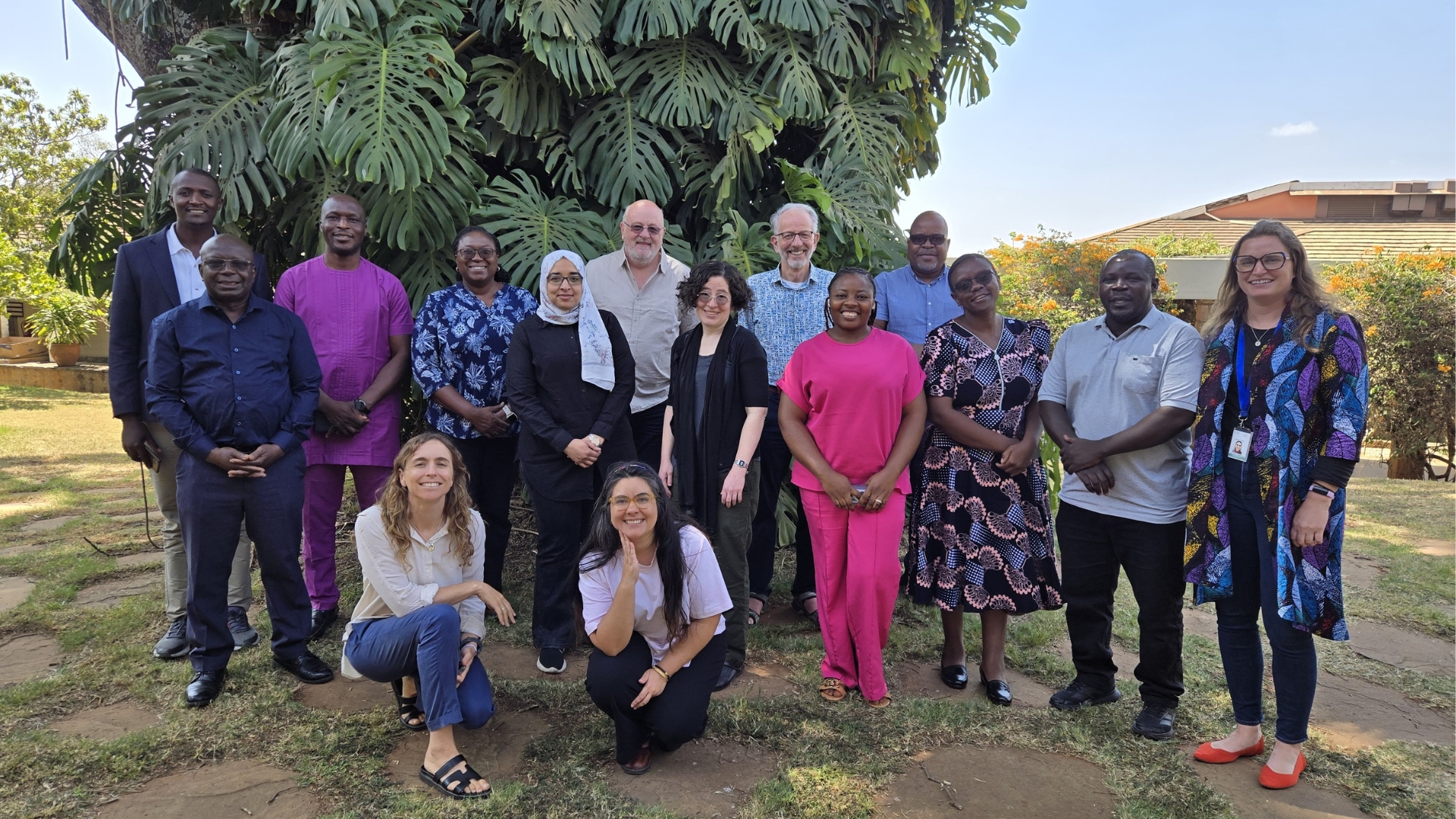
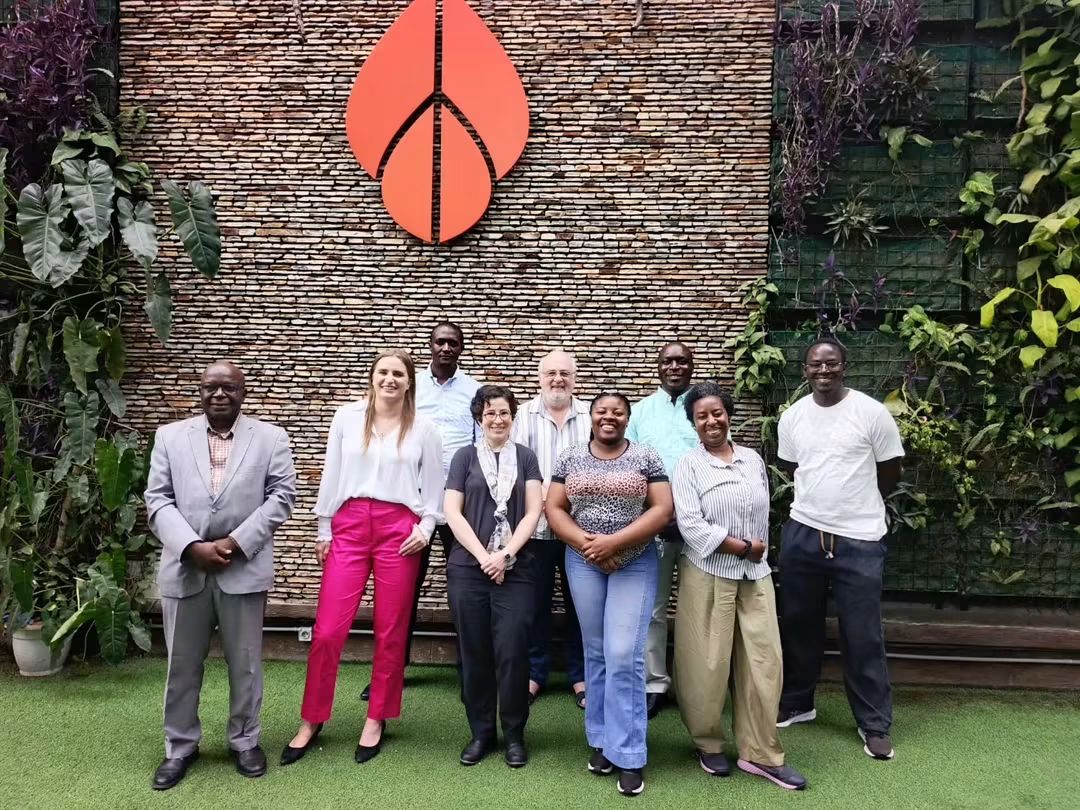
Attendees to the 1st RI-Africa Planning and Evaluation Meeting, Nairobi, Kenya, Feb 2026. Credit: RIfS.
The Robust information for decisions: Africa climate change focus project, known as RI-Africa, aims to strengthen coordination among actors who produce and use climate information, support syntheses on climate literacy and information robustness, and develop guidance for context-aligned climate information. In doing so, it reflects CLARE’s wider emphasis on research for impact, Southern leadership and socially inclusive climate-resilient development.
RI-Africa contributes to the work of the World Climate Research Programme’s Regional Information for Society Core Project and its RIfS Africa Task Team, thanks to the support of the CLARE programme. Its central concern is the persistent gap between climate science and the information needs of those shaping adaptation, resilience and development decisions.
Establishing the foundations for RI-Africa
RI-Africa has supported the initial phases of the RIfS Africa Task Team, a volunteer group of researchers that has been active, and helping to guide RI-Africa research directions, since August 2025. The RIfS Task Team is part of a lasting legacy from RI-Africa, as it continues its mandate through the coming years.
CLARE Programme’s support means a pivotal contribution to the RIfS’s work by supporting a research coordinator and two postdocs based in Africa to help coordinate across diverse but related efforts around the continent, and work on pilot projects. The RIfS Africa Task Team, along with the postdoctoral supervisors, provides strategic guidance and scientific oversight, ensuring alignment with the project’s overall priorities.
From 12 to 14 February 2026, RI-Africa held its first Planning and Evaluation Meeting at the CGIAR International Livestock Research Institute (ILRI) campus in Nairobi, Kenya. The meeting brought together postdoctoral researchers, supervisors, partners and members of the RIfS Africa Task Team, the RIfS Scientific Steering Group and the RIfS International Project Office to align research priorities and workplans with the broader objectives of RI-Africa and the CLARE Programme. The meeting also reflected CLARE’s contribution to strengthening African research capacity in this area.
Learning from CLARE projects on climate information use
On 16 and 17 June 2026, RI-Africa convened virtual discussions with CLARE project teams to examine how climate information is accessed, interpreted, trusted and applied in adaptation decision-making. The RIfS–CLARE Conversation Series provided a structured space for researchers and practitioners to share experiences from ongoing adaptation work and to identify common enabling conditions and barriers.
The June discussions are contributing to RI-Africa’s synthesis of lessons on climate information use across diverse contexts. By connecting the experiences of CLARE project teams, the process is helping to identify practical opportunities for more inclusive, relevant and effective adaptation support. It also reinforces the importance of collaborative learning as a foundation for climate-resilient development.
The conversations focused on co-production with stakeholders and communities, engagement approaches that support the use of climate services, the usability and uptake of climate information, and the role of trust, legitimacy, context and capacity in adaptation processes. These themes are central to RI-Africa’s objective of understanding not only what information is available, but how information becomes credible and usable for decision-makers.
The project’s postdocs lead the CLARE conversation effort, and analyze the outputs, in addition to conducting reviews of literature on robust information and co-production in Africa and beyond.
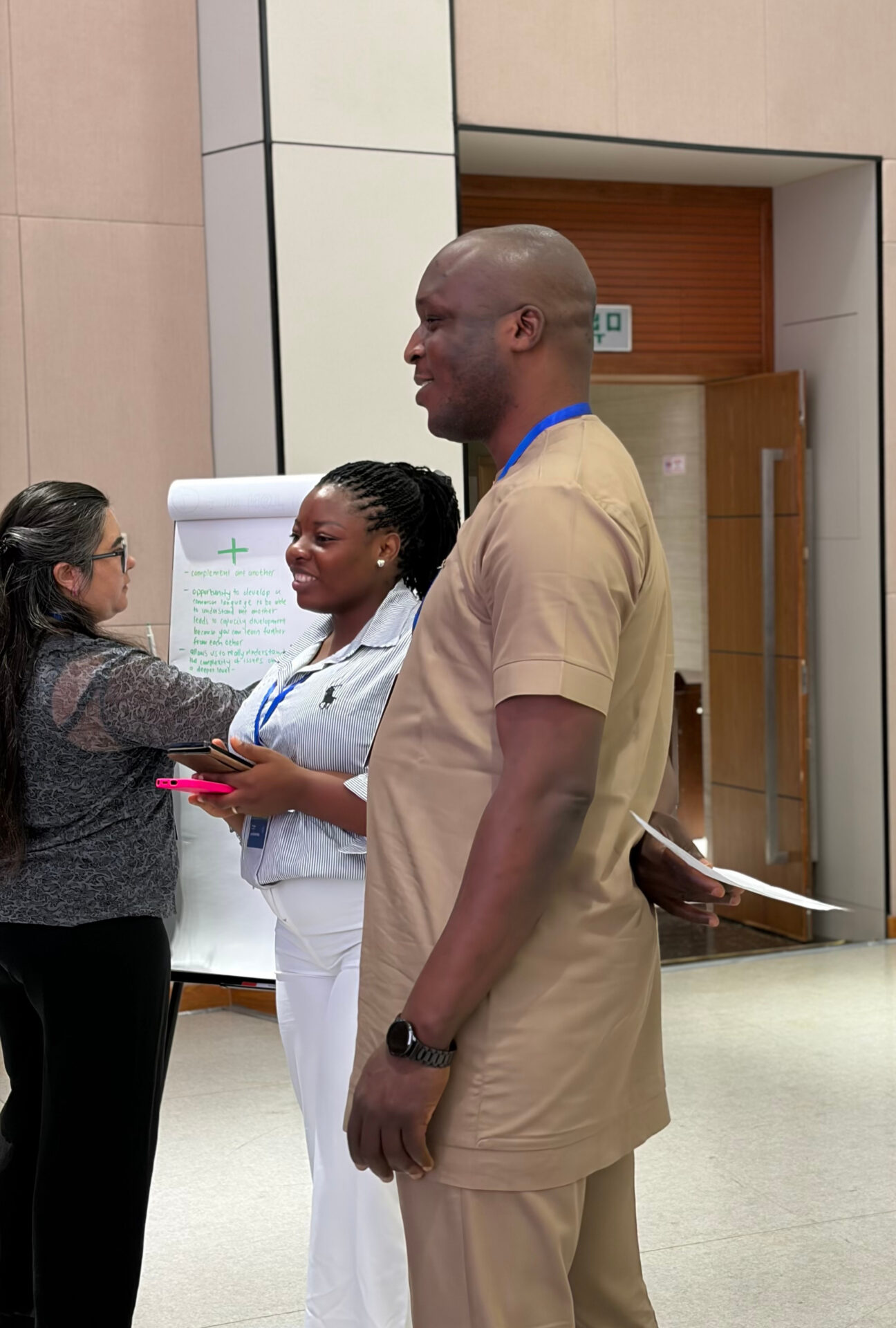
Dr. Lum Sonita Awah is additionally conducting interviews with other projects beyond CLARE to understand how participatory and co-productive processes influence the legitimacy, uptake, and sustainability of climate information use in decision-making across scales and sectors.
Dr Felix Ajibola is focused on understanding how multiple sources of climate data and knowledge (from models to observations to local knowledge) are integrated in ways that build confidence, highlight contradictions and represent uncertainty so that climate information supports effective decision making.
Photo: In the foreground, postdoctoral researchers Dr. Felix Ajibola and Dr Lum Sonita Awah. Credit: RIfS.
We thank the representatives from MECHANICS, Tuwe Pamoja, WOSFER, REBUMAA, CLARITY, FRACTAL, NAP- Senegal and Urban Climate Change Footprint of Greater Cairo projects for their participation in these conversations. We look forward to extending our sample based on what we learned from running these initial online discussions.
Moving from reflection to pilot actions
Lusaka, Zambia was the place for the first in-person workshop of the RIfS Africa Task Team. From 29 June to 1 July experts from across the continent gathered to discuss around how to strengthen Africa’s role in shaping decision-relevant climate information for adaptation, while creating space for alignment, co-creation and collective ownership. With support from the RI-Africa project and local assistance from the University of Zambia, the workshop helped reinforce networks across this group of highly experienced specialists exploring human-centred approaches to robust climate information to meet the practical needs of decision-makers working in African adaptation contexts.
From 4 to 6 August 2026, RI-Africa convened its second Planning and Evaluation Workshop in Abidjan, Côte d’Ivoire. Hosted by Université Félix Houphouët-Boigny and the Ministère de l’Enseignement Supérieur et de la Recherche Scientifique de Côte d’Ivoire, the workshop marked a shift from early alignment to practical implementation. Since the first RI-Africa workshop in Nairobi, the cross-project team had been meeting regularly online to advance its shared workplan. In Abidjan, participants discussed how emerging interviews with CLARE projects and related initiatives could inform gap analysis, identified next steps for pilot actions, and reflected on how success should be assessed in work that seeks to strengthen climate information for real-world decisions.
A central theme was the quality of co-production. Discussions moved beyond whether stakeholders are involved to examine how priorities are set, whose knowledge shapes the process, how trust and ownership are built, and whether relationships and institutional capacity can endure beyond individual projects. A visit to SODEXAM Côte d’Ivoire further grounded these reflections in the country’s institutional, research, data and climate-services context.
Attendees to the 2nd RI-Africa Planning and Evaluation Workshop in Abidjan, Côte d’Ivoire, Aug 2026. Credit: RIfS.
Taken together, the activities along 2026 show RI-Africa’s progression from institutional set-up and planning to knowledge exchange, and then to implementation-oriented reflection and pilot planning. This progression illustrates a central lesson for climate-resilient development: robust climate information is not produced through scientific analysis alone. It depends on sustained relationships among a web of actors that includes knowledge producers, intermediaries and decision-makers, and on institutional conditions that allow evidence to be interpreted, trusted and used. By supporting these connections, RI-Africa is contributing to more credible, legitimate and actionable climate information for adaptation and resilience across Africa.
Categories
Countries
CLARE Pillars
CLARE Themes
CLARE Topics
Published
CLARE Projects
CLARE Partners