
SEI and UNEP back researchers in Africa to address climate adaptation gap
/
Gaps in economic evidence are holding back climate adaptation in Africa. Twelve research teams are set to address this gap after being selected for funding through the SEI- and UNEP-backed Raising Adaptation Impact and Ambition (RAIA) project.
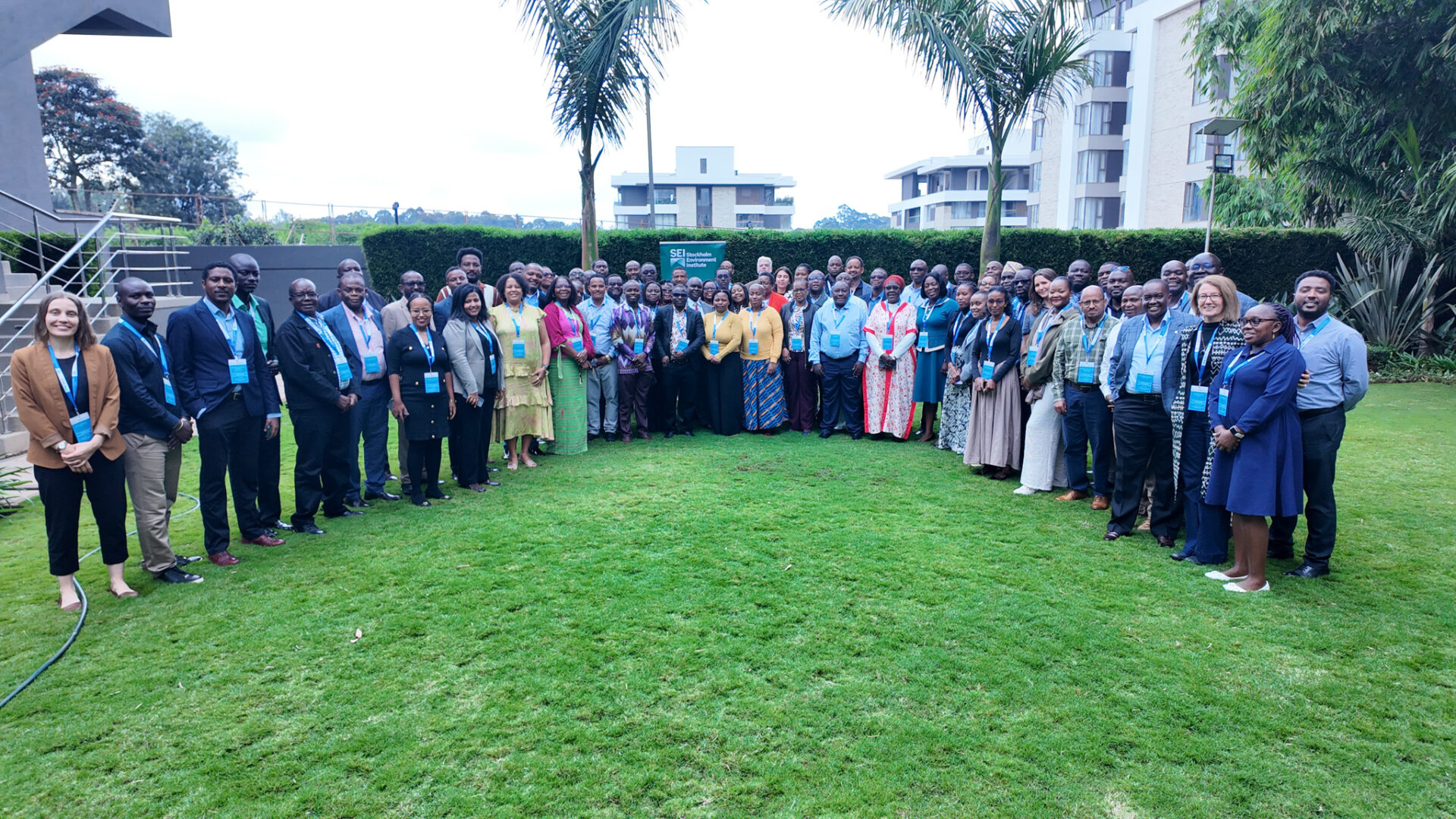
The teams met in Nairobi, Kenya on 4–5 June 2026 for an orientation workshop that officially introduced them to the project. The workshop also laid the foundation for a seven-month period of interdisciplinary research, co-creation with policymakers and vulnerable groups, and knowledge exchange and dissemination.
Addressing adaptation gap in Africa
Africa, like the rest of the world, is experiencing the effects of climate change in the form of droughts, floods, coastal erosion, and extreme heat, which are disrupting livelihoods, straining public finances, and slowing the achievement of development goals. According to UNEP’s Adaptation Gap Report 2025, the situation is worsening and developing countries will need an estimated USD 310-365 billion a year by 2035 against just USD 26 billion inflows in 2023.
Findings from RAIA-funded projects are expected to support governments in Africa, particularly ministries of finance, in integrating adaptation measures into their budgeting processes. The projects will estimate the economic costs of failing to adapt across sectors and encourage the integration of climate risk into national budgets and macro–economic strategies. This will provide decision–makers with the evidence they need to make better-informed choices about adaptation investments.
Focus areas of RAIA-funded projects
RAIA projects cut across several areas:
- Integrating climate risk into public finance, macroeconomic forecasting and budget planning through climate budget tagging and macro-fiscal modelling
- Assessing the efficiency and equity of adaptation expenditure within public financial management systems
- Analysing farm- and sector-level economics of climate adaptation in agricultural systems
- Estimating economic costs of sea-level rise and coastal flooding and their implications for financial planning in urban coastal economies
- Conducting economy-wide cost-benefit analyses of climate change impacts and adaptation responses across multiple sectors
- Quantifying the socioeconomic and psychosocial costs of drought and the role of social protection as a financial adaptation mechanism
- Examing the economics of climate-resilient bioeconomy value chains and their contribution to national development
- Valuing ecosystem services, water security and biodiversity as foundations for climate adaptation
- Analysing the impacts of climate investments on population groups and incorporating distributional equity into adaptation funding
Gender equality and social inclusion
In addition to co-creation, which aims to ensure that research is developed with, rather than for, decisionmakers, gender equality and social inclusion are also at the centre of every RAIA research project.
Experts will assess how climate risks and adaptation investments affect different population groups: women, youth and vulnerable communities. Findings are expected to support more equitable adaptation planning and help ensure public adaptation investments reach those who need them most.
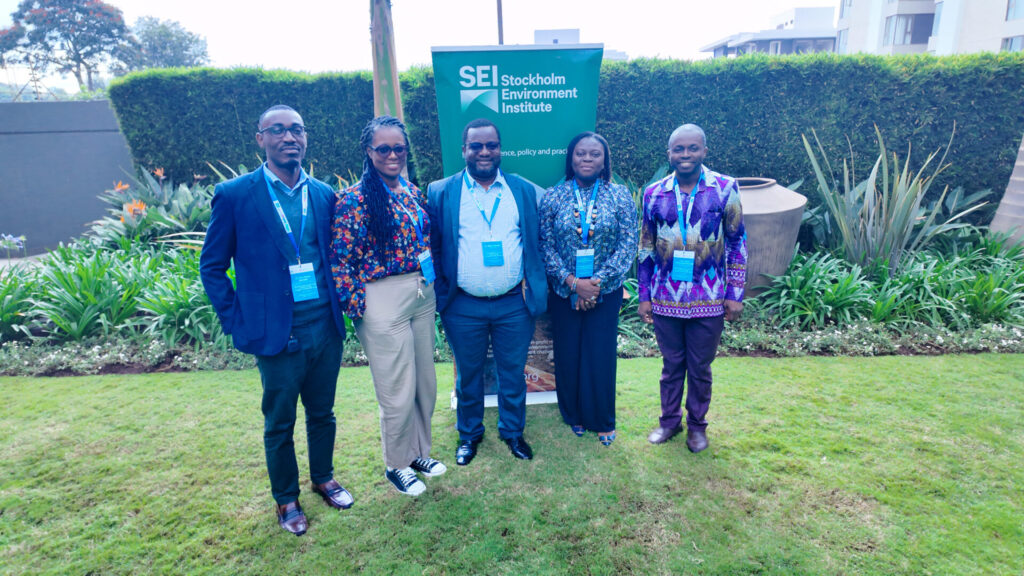
Photo: Henry Nerious Dieto/SEI
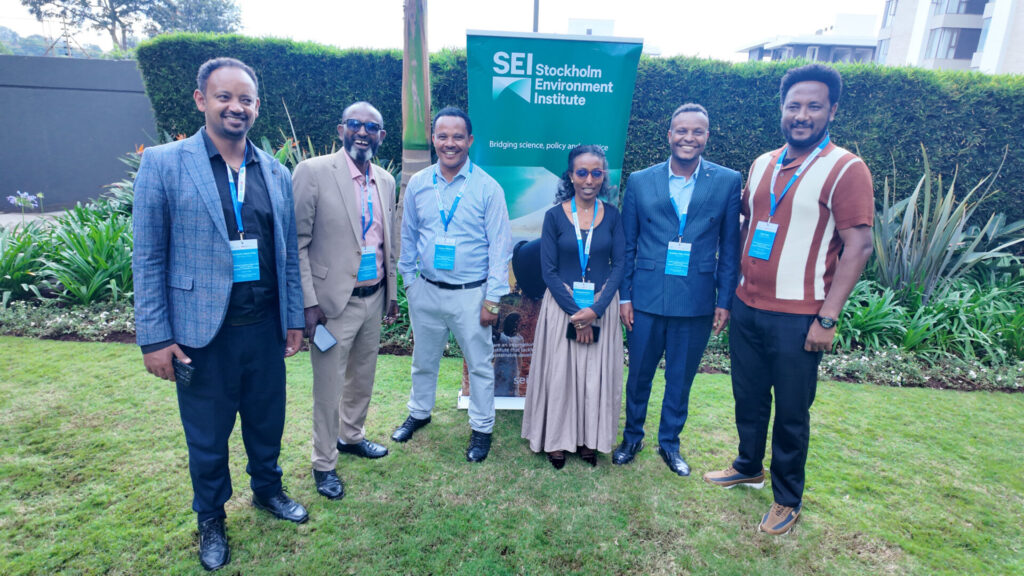
Photo: Henry Nerious Dieto/SEI
Knowledge dissemination
The 12 teams will produce a range of knowledge and communication outputs, including policy briefs, journal publications, tools, models and other resources. These could inform ongoing revisions of national adaptation plans, COP32 scheduled for Ethiopia in 2027, the IPCC’s seventh assessment cycle and the next edition of the Adaptation Gap Report.
Selected RAIA grantees
- Council for Scientific and Industrial Research – Science and Technology Policy Research Institute (CSIR-STEPRI), Ghana
- University of Ghana
- Jimma University, Ethiopia
- Federal University of Technology, Akure, Nigeria
- Institute for Environment and Sanitation Studies (IESS), Ghana
- AGRHYMET Regional Centre, Niger
- University of the Free State, South Africa
- Maseno University, Kenya
- National Commission for Science, Technology and Innovation (NACOSTI), Kenya
- Policy Studies Institute (PSI), Ethiopia
- Madda Walabu University, Ethiopia
About the RAIA project
RAIA is a UK Aid-funded climate adaptation project under the Foreign Commonwealth and Development Office (FCDO)’s Climate Adaptation and Resilience (CLARE) Research Programme. The project is led by the UN Environment Programme (UNEP) in partnership with SEI Africa. Learn more about RAIA.
Categories
Countries
CLARE Pillars
CLARE Themes
CLARE Topics