
News from CLARE: Demonstrating real-world impact
/
Highlights from the CLARE Programme Newsletter – June 2026
To receive the CLARE newsletter directly to your inbox, scroll to the bottom of our homepage and sign up for updates.
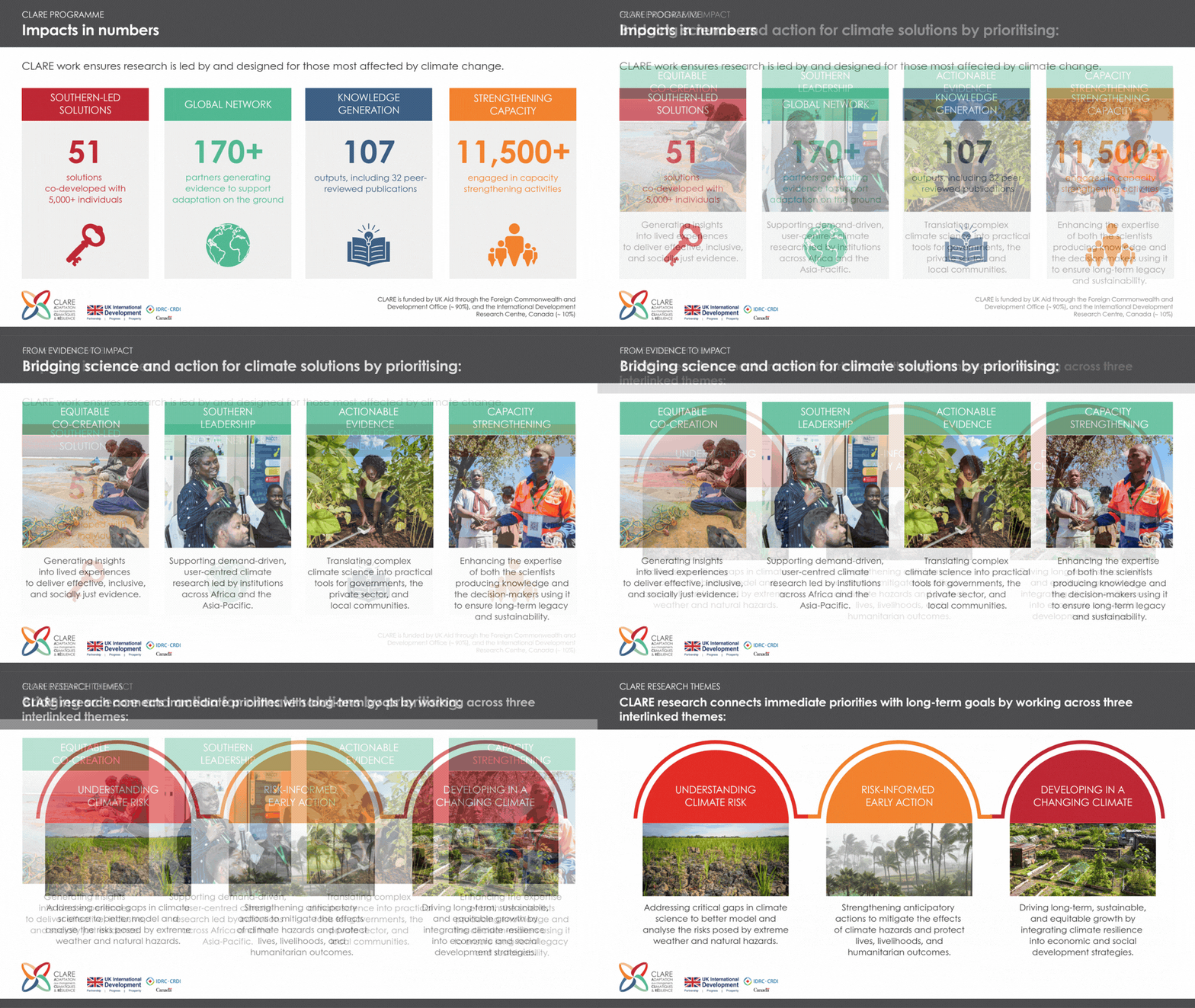
We are stepping out of this quarter with incredible momentum, driven by a wave of activity across our research network. As we take in the data from our latest reporting period, we see concrete evidence of adaptation solutions in the Global South, demonstrating the real-world impact of our projects.
We are thrilled to share some of these successes through several public products, including the Stories of Change series. A snapshot of those stories is below, and we encourage you to keep an eye on the impact section of our website as we add more examples of how CLARE research is driving climate resilience. These stories amplify the outcomes that the CLARE programme as a whole has achieved over the last year – expect to see more highlights on our social channels.
Our highly engaging public webinar series, which launched in May, is bringing vital project insights to the forefront. These webinars are an opportunity to engage with learnings from colleagues across the CLARE community; we hope you will join the sessions planned from now until November.
Taken together, this rich body of evidence is positioning us for an exciting lead-up to the second half of 2026, which will include milestone moments such as COP 31. This momentum sets us up to work with partners, policymakers, and other critical stakeholders to drive systemic resilience.
Programme news

Next sessions in the CLARE webinar series
Until November, CLARE research projects will share insights at several webinars. Whether you are a researcher, community leader, or policymaker, these sessions offer a space for open dialogue on the strategies that contribute to lasting resilience.

Making locally-led adaptation fundable at scale
What did reviewing 1,600 applications teach Transitions Research about writing stronger proposals? An info brief presents findings from a critical review of the 2022 CLARE open call for proposals process.
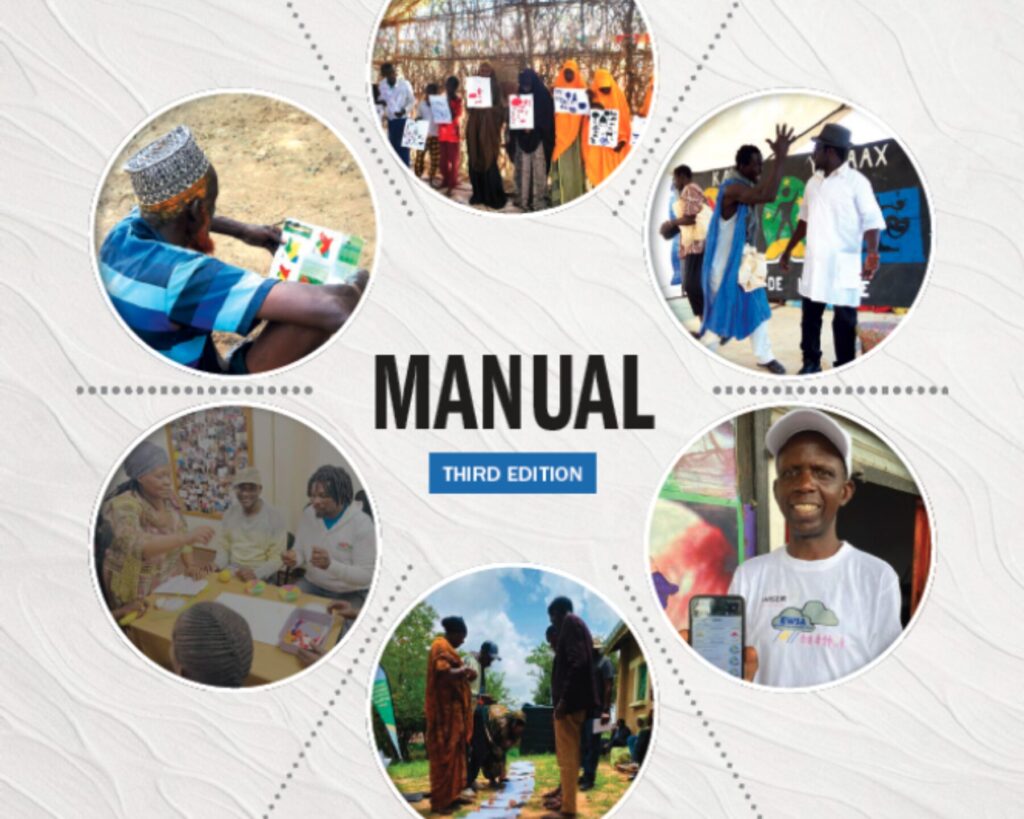
CLARE portfolio features in a WISER manual for co-production
To illustrate how co-production has been applied to improve the quality, relevance, and uptake of weather and climate services, the manual highlights examples from across the CLARE programme.
CLARE Stories of Change: Using impact-based forecasting for community-led protective action in the face of Cyclone Remal
This Story of Change from the SURF-IT project reflects on the project’s success in building resilience amongst communities in coastal Bangladesh affected by Cyclone Remal in May 2024. Thanks to ongoing work by the project, communities were able to take protective action at weak embankment points.
Research updates
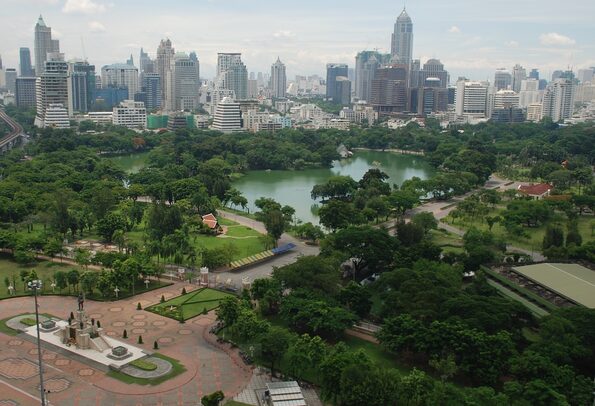
Financing urban climate adaptation in ASEAN cities
These reflections from the CLARE-ASEAN Regional Workshop in June call for greater alignment between local adaptation priorities, national climate strategies, financing mechanisms, and implementation frameworks.
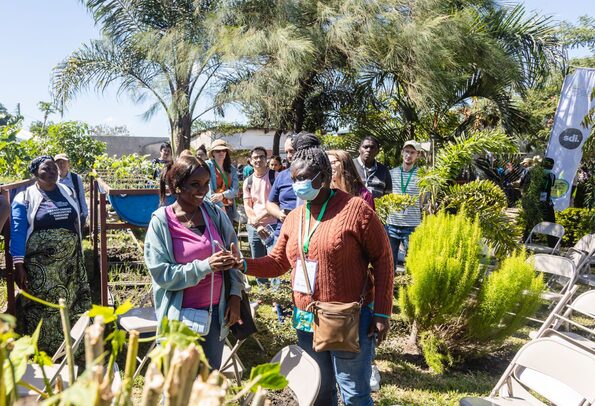
What happens after training? Communities carry learning forward
This article from BASIN highlights how climate learning can move beyond a project through the story of one young man’s efforts to bring training content back to benefit his own community.
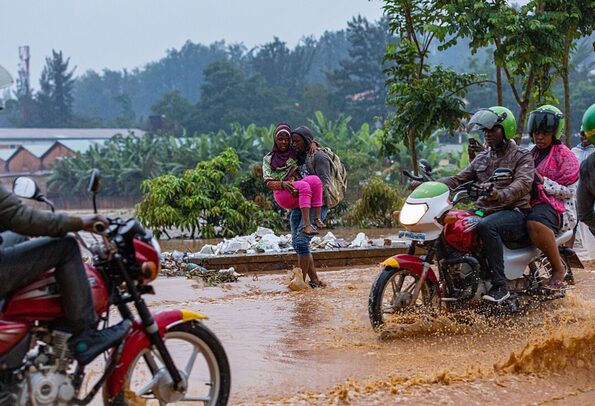
Economics of climate change and loss and damage in Rwanda
Based on a survey of 2,450 households across 21 districts, this output from the ECONGENESIS project provides the first primary-data estimates in Rwanda of climate loss and damage, disaggregated by gender and poverty.
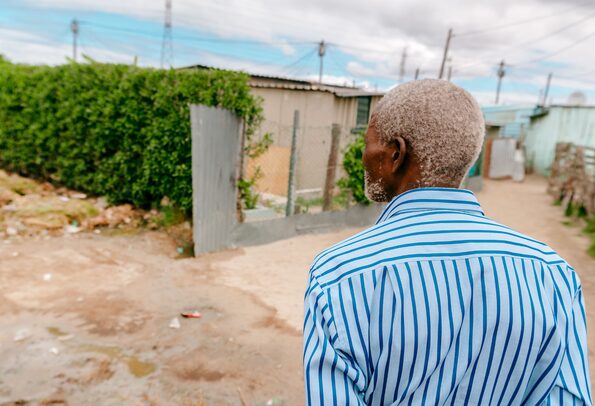
Nature-based Solutions (NbS) in African urban cities
This video, featuring insights from the Tuwe Pamoja project, explores how nature-based solutions can be applied in African cities and urban informal settlements and highlights practical examples.
Influencing policy: Tools and practice that works
Across CLARE, projects are generating valuable lessons on how research can effectively inform policy and practice in the context of locally led adaptation (LLA). However, influencing pathways are rarely linear.
This webinar, the first in the CLARE public webinar series, aimed to create a practical and reflective space for exchange and was guided by speakers from SUCCESS, PALM-TREES, RURBANISE and REBUMMA.