
Building Trust Across Borders: Reflections from the Maradi–Katsina Transformation Lab
/
CLARITY Abuja Annual Meet, Nigeria | July 2026
Authors: Richard Taylor, Baba Ibrahim Goni, Yagana Bukar, Sani Abdullahi Bello, Elh Ousmane Boukari, Ayouba Ali Lali, Baba Musami Sheriff, Nazoumou Yahaya, Issaley Nana Aichatou, Susan Varughese
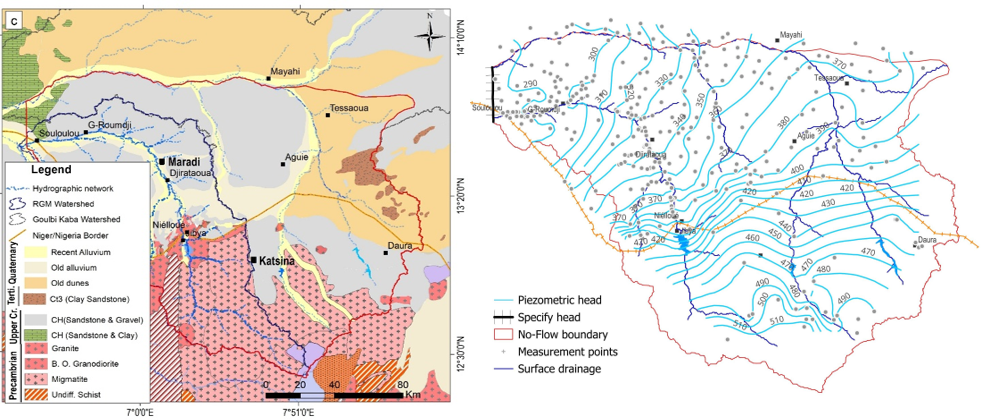
In the drylands of the Central Sahel in Niger and Nigeria, the River Goulbi Maradi flows seasonally, connecting communities on both sides of the Niger-Nigeria border in Maradi and Katsina State (Fig. 1). For decades, communities in these cities – now numbering more than a million people – have lived under similar uncertainties in water supply, shaped not only by climate and hydrology but also by rapid population growth, urbanization, upstream construction of a dam, and climate change.
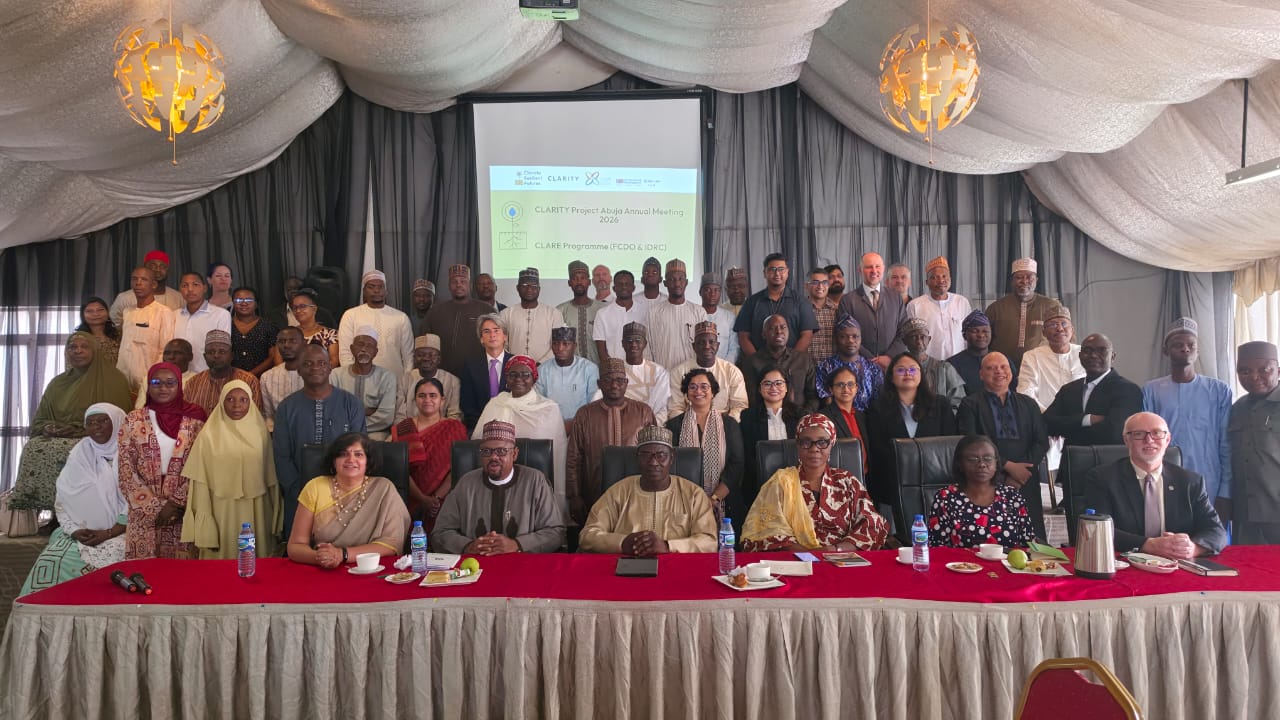
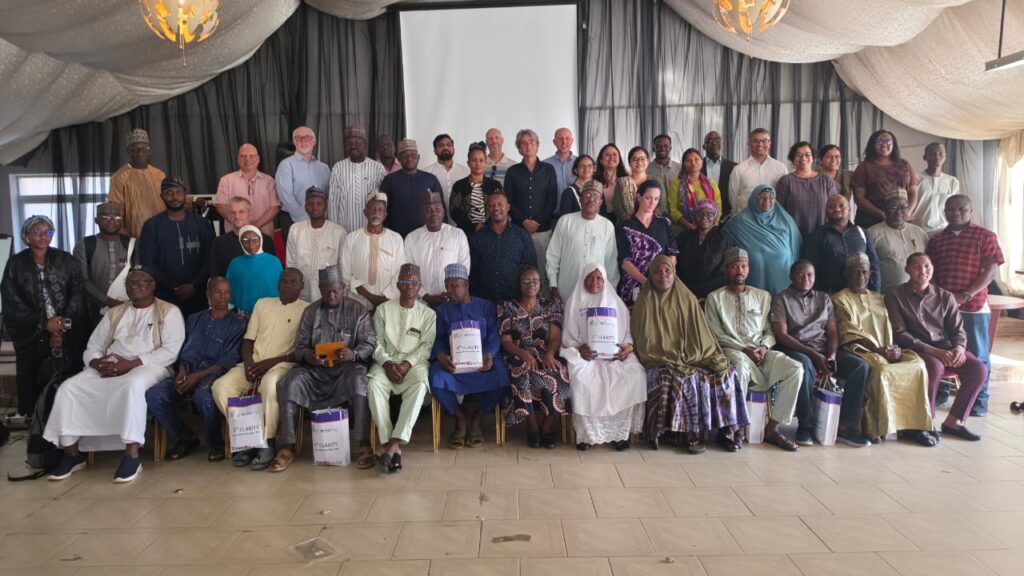
During CLARITY’s Annual Meeting in late June 2026, community members and officials from Maradi and Katsina travelled to Abuja where the CLARITY team convened a meeting of the Maradi and Katsina Transformation Labs (T-Labs) for two days of face-to-face discussions (Fig. 2). Talks took place largely in Hausa – the mother tongue of both communities – and covered a range of topics that went well beyond technical matters related to hydrology, siltation, groundwater use, and dam operations. Most importantly, it became a space where for the first time in decades people from these hydrologically connected but physically separated communities sat across from one another to listen and understand each other’s perspectives.
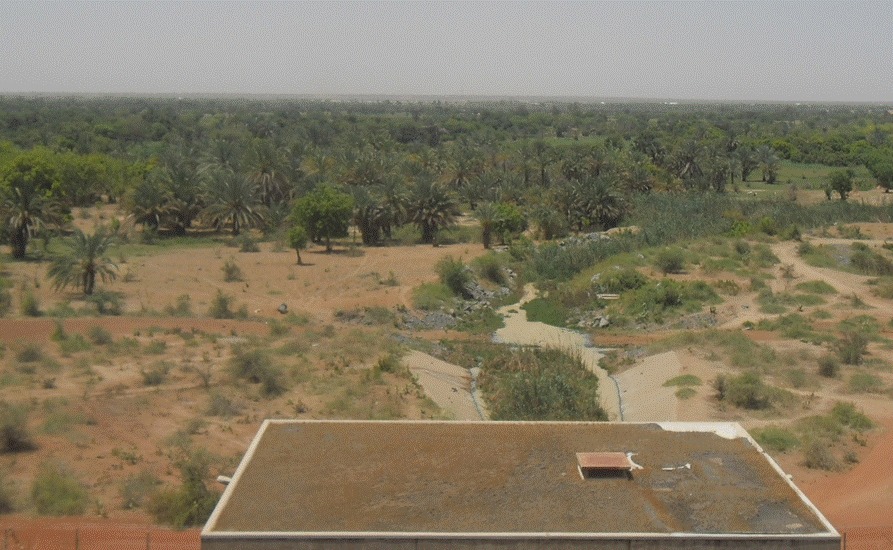
Farmers from Maradi shared their concerns about river water not reaching them when needed. For years, they have believed that Nigeria intentionally withheld water, sharing stories of crops drying while water remained in the dam just upstream of the border in Jibiya, Nigeria (Fig. 3). While the water did not come in the dry season, it arrived unwanted during the rains, inundating Maradi. The Jibiya dam manager explained that during the rainy season, once the reservoir reaches the spillway level, dam releases are simply gravity-driven, not controlled. It was noted that sedimentation and erosion along the river channel also affects downstream flow; widened channels are thought to have caused river water to disperse and recharge the underlying alluvial aquifer. Increased groundwater abstraction for irrigation along the river also impacts water availability. Both communities learned that the Jibiya dam has not been desilted for over 40 years; the extent of sedimentation needs to be understood before any engineering solutions can be planned. These discussions helped clarify long-standing misunderstandings over the operations of the dam.
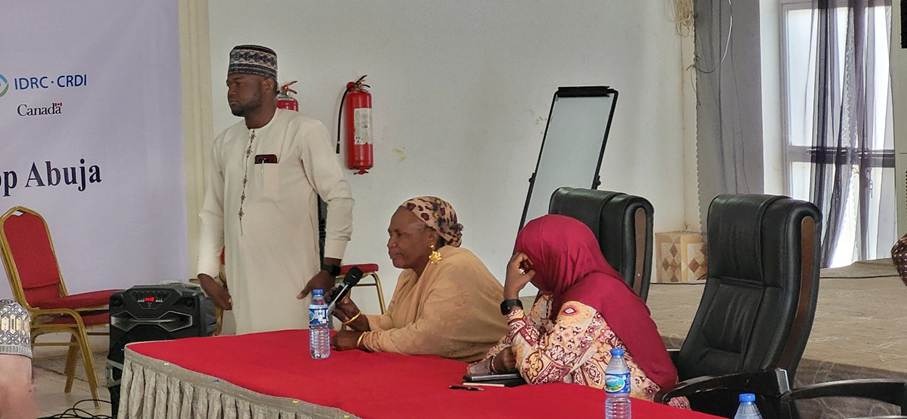
Both communities reported instances of groundwater levels from individual wells that had dropped substantially over the last decade. Women leaders shared how groundwater-level declines affect their daily responsibilities for water collection, and how climate variability disrupts both household and agricultural patterns. This space, created for women to participate fully, added a key dimension often missing in such water discussions – the voices of those who manage water at the domestic level (Fig. 4).
A turning point in the discussions came when government officials themselves requested the creation of a WhatsApp group to facilitate communication, especially in relation to water releases from the Jibiya Dam; the first direct communication channel between dam operators, government officials, and community members across the border. The dam manager’s quip “I don’t know who to communicate with?” captured how such small gaps can persist for years. With a single exchange of phone numbers, a decades-long gap was bridged.
This is how cooperation often begins – with simple straightforward conversations.
On the second day, senior officials from the governments of Katsina State and Maradi Region joined the discussions. The Director of the Maradi DRHA (Direction Régionale de l’Hydraulique et de l’Assainissement) noted that the new transboundary understanding of dam operations would help them communicate better about flood risks and releases with communities. He said, “I came to Abuja with some ideas and am returning with other ideas, which I am sure will help our people.”
There was also discussion of how regional short-term forecasts can be used to manage dam water releases. The Special Adviser on Climate Change to the Katsina State Governor made clear that climate impacts do not respect political boundaries, and our actions should also move beyond them.
CLARITY’s long-term aim is to co-create adaptation and resilience in tropical drylands with communities, recognizing solutions often already exist within them. These two days showed us what that looks like in practice – field realities meeting policy commitments, and the opportunities for cooperation when people come together and choose to talk.
CLARITY’s efforts to bring these representatives of these two communities together, months in the making, are a refreshing reminder that the willingness to listen can create shared understanding. People came together, clarified their misunderstandings, and created simple communication channels that previously did not exist, beginning the gradual journey to cooperation, trust and coordination in ways that can be sustained. They expressed interest in working together, and most of the time, that shared intention is enough to begin!
Categories
Countries
CLARE Pillars
CLARE Themes
CLARE Topics
Published
CLARE Projects
CLARE Partners