
The Philippines Takes the Spotlight: Project RURBANISE Debuts on the Global Stage
/
When we think of climate action, we envision massive global summits, high-level policy frameworks, and expansive international agreements. Our minds naturally focus on the sheer enormity of the challenge. What we often overlook, however, is that the real, life-saving solutions are being built on the ground, designed hand-in-hand with the very communities facing the immediate impacts of a changing planet.
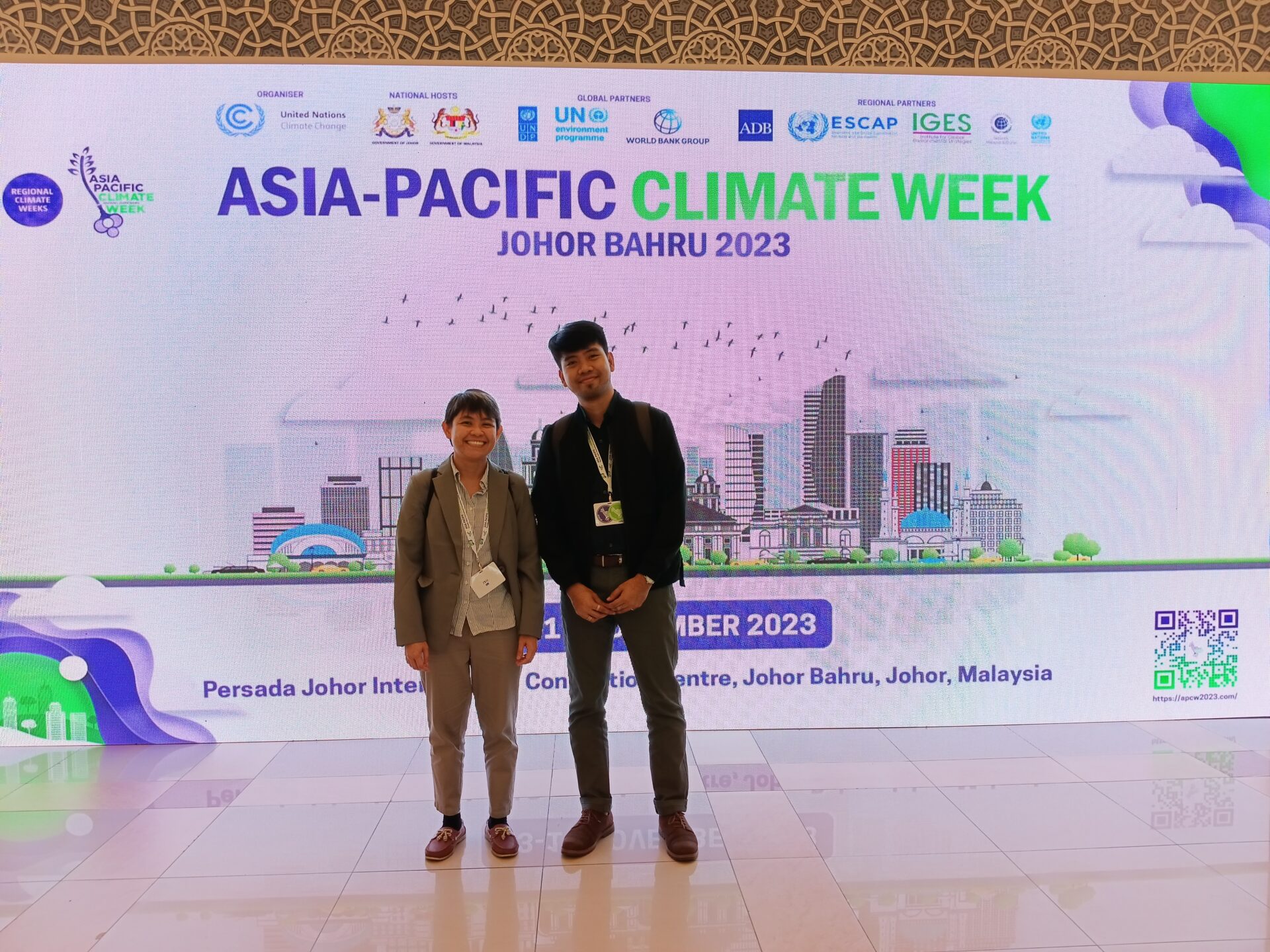
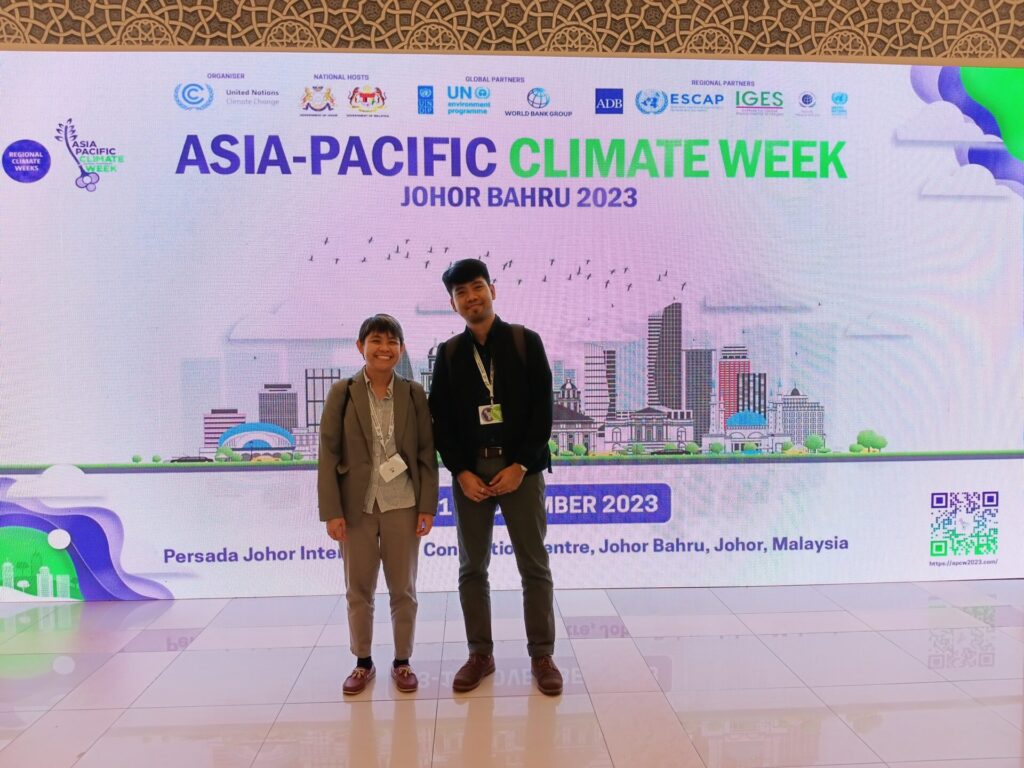
This was the precise reality brought to light at the UNFCCC Asia-Pacific Climate Week in Johor Bahru, Malaysia. From November 13 to 17, 2023, a compelling panel was hosted by CLARE, a framework research programme on CLimate Adaptation and REsilience of the UK’s Foreign, Commonwealth and Development Office (FCDO) and Canada’s International Development Research Centre (IDRC).
The Philippines Take the Spotlight
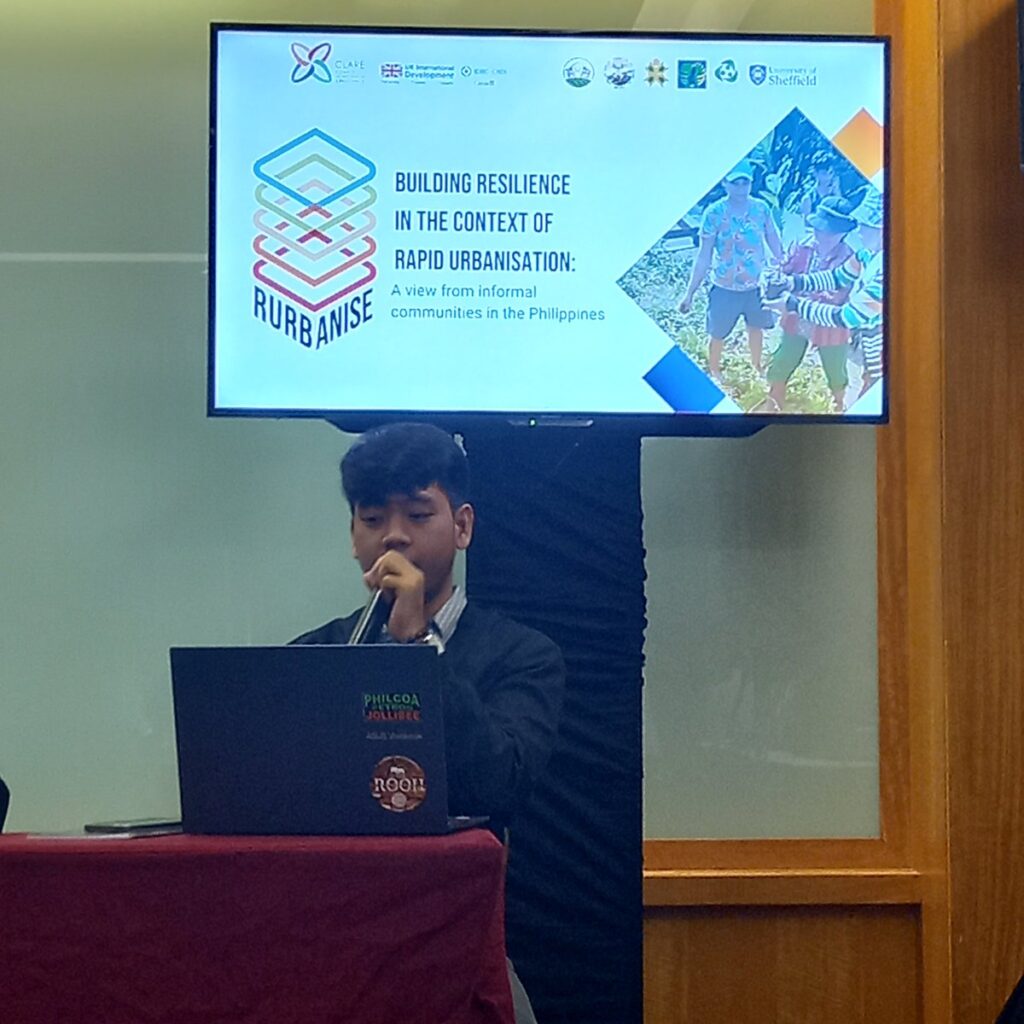
Among a select group of innovative regional presentations—ranging from deploying AI to mitigate storm surges in Bangladesh to enhancing coral reef protection in Indonesia—the Philippines took the spotlight with a crucial announcement. Ar./EnP. Louie Robert Posadas, Executive Director of TAMPEI and Principal Investigator of the project together with Ar. Emelyn Bermundo, Senior Community Architect of TAMPEI and Co-Principal Investigator of the project, officially launched Project RURBANISE. Developed to support the resilience of informal urban settlements navigating rapid, unmanaged urbanization, this initiative embodies what it truly means to place communities at the heart of climate strategy.
During his presentation, Louie Posadas established a critical baseline for climate action, highlighting that the Philippines faced the highest disaster risk globally while navigating a massive housing backlog and rapid urbanization. To address this backdrop, Project RURBANISE was introduced as a targeted framework to strengthen climate adaptation by directly honoring the lived experiences and unique capacities of residents in informal settlements.
A Collaborative Approach
Driven by a collaborative consortium of six organizations— TAMPEI, and the Homeless People’s Federation Philippines, Inc. (HPFPI), alongside local and international co-research partners— the project was designed to span nine distinct partner communities across Metro Manila, Bicol, Western Visayas, Central Visayas, and Southern Mindanao. These locations encompass a complex spectrum of settlements facing varying risk contexts, from natural hazards to housing tenure insecurity.
A Grassroots Approach to Research
To turn these systemic challenges into opportunities, the project utilized a highly structured, locally-led research approach to accomplish the four core work packages: 1) investigating urbanization and vulnerability, 2) analyzing governance, 3) capturing grassroots experiences, and 4) co-designing innovations.
By conducting training sessions for community data collectors and incorporating local languages, gender roles, and community risk perceptions, Project RURBANISE looked beyond traditional top-down data.
Today, the initiative continues to generate robust, evidence-based tools like community maps, profiles and journals to inform policy, builds a powerful network of local climate advocates, and drives long-term community empowerment through genuine co-produced knowledge.
To learn more about our ongoing milestones and community features under Project RURBANISE, follow our updates on TAMPEI’s official website and social media pages!
This blog was initially published on the TAMPEI website: https://www.tampei.org/post/the-philippines-takes-the-spotlight-project-rurbanise-debuts-on-the-global-stage
Categories
Countries
CLARE Pillars
CLARE Themes
CLARE Topics
Published
CLARE Projects
CLARE Partners