
AV-STEC Reconnaissance Survey: Setting the Pace
/
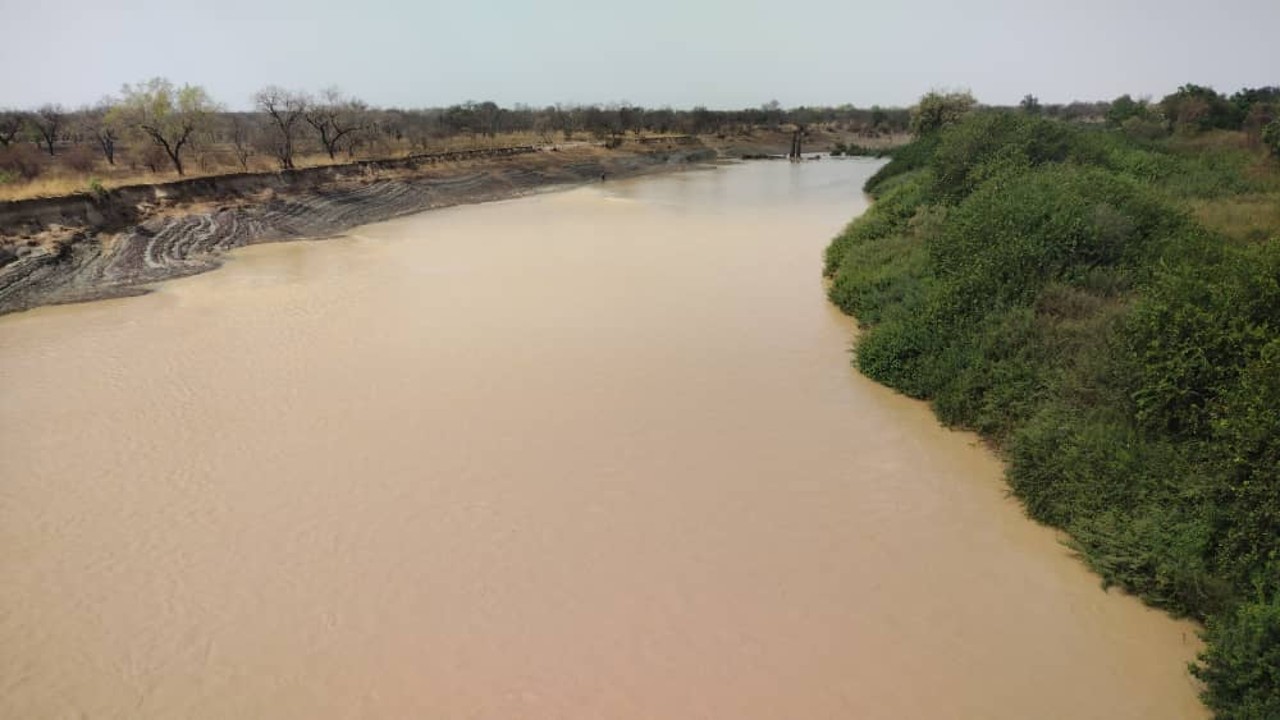
To achieve the aim of developing responses that strengthen the resilience and adaptive capacities of priority local communities in the wetlands and riparian zones of the White and Black Volta Rivers in Ghana, a team from the AV-STEC project, led by the Field Activities Coordinator, undertook a scoping reconnaissance visit to the Northern regions of Ghana in March 2025. The purpose of the visit was to explore the regions along the white and black volta rivers in order to identify districts and communities within which project activities will be carried out.
The team visited and interacted with community leaders, assessing the states of the communities and their vulnerability to the impacts of the Bagre dam spillage and the impacts of climate change.
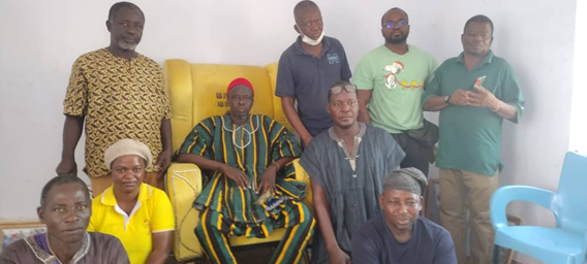
Six communities were shortlisted using the following selection criteria:
- Impact of the Bagre Dam spillage.
- Climate change impacts on food security, livelihoods, and lives.
- Accessibility to the affected communities.
- Interest and reception from the community.
Further metrics for selection will be applied to the shortlisted communities and vetted by the consortium ahead of the project implementation.
Key observations and insights gathered during the visit include:
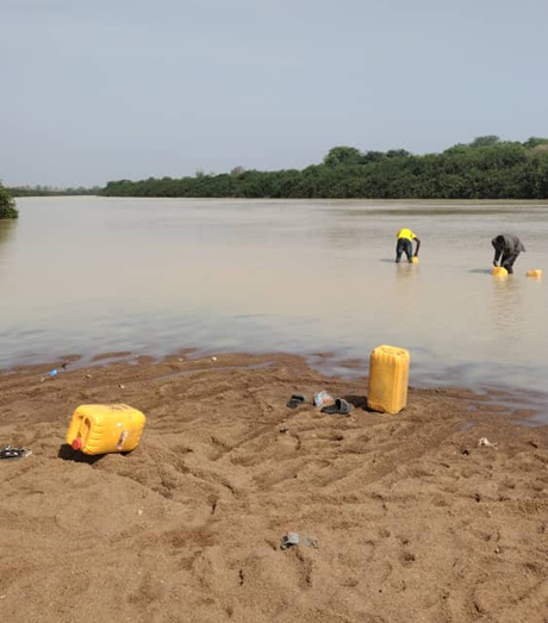
- Communities farm close to the White Volta but have their settlements farther from the river’s bank.
- Lack of mechanized irrigation is the reason they farm close to the river.
- Only a few farmers have the capital to purchase mechanized pumps to plant in the dry season.
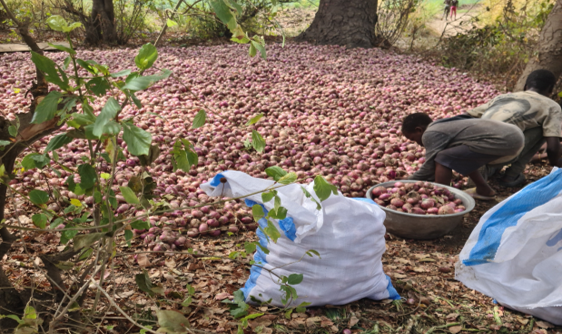
- The majority of farmers only plant in the rainy season and risk losing their harvest when it floods.
- Community members expressed the need for early harvest varieties of crops so they can plant earlier in the rainy season and harvest before the flooding occurs.
- While early warning systems are in place (calls from Burkina Faso), farmers are still not able to harvest, collect, and transport their crops to safe areas before the overflow occurs.
- At Sariba, roads are inundated during the floods, which cuts off the community from other areas. Residents rely on canoes during spillage to access other communities for essential services such as healthcare.
Categories
Countries
CLARE Pillars
CLARE Themes
CLARE Topics
Published
CLARE Projects
CLARE Partners