
AV-STEC Inception Meeting: Laying the Foundation for Action
/
We have officially commenced our project!
An inception workshop was organized to formally kick off the project and bring together all partners to align on our shared vision, activities, and implementation plan.
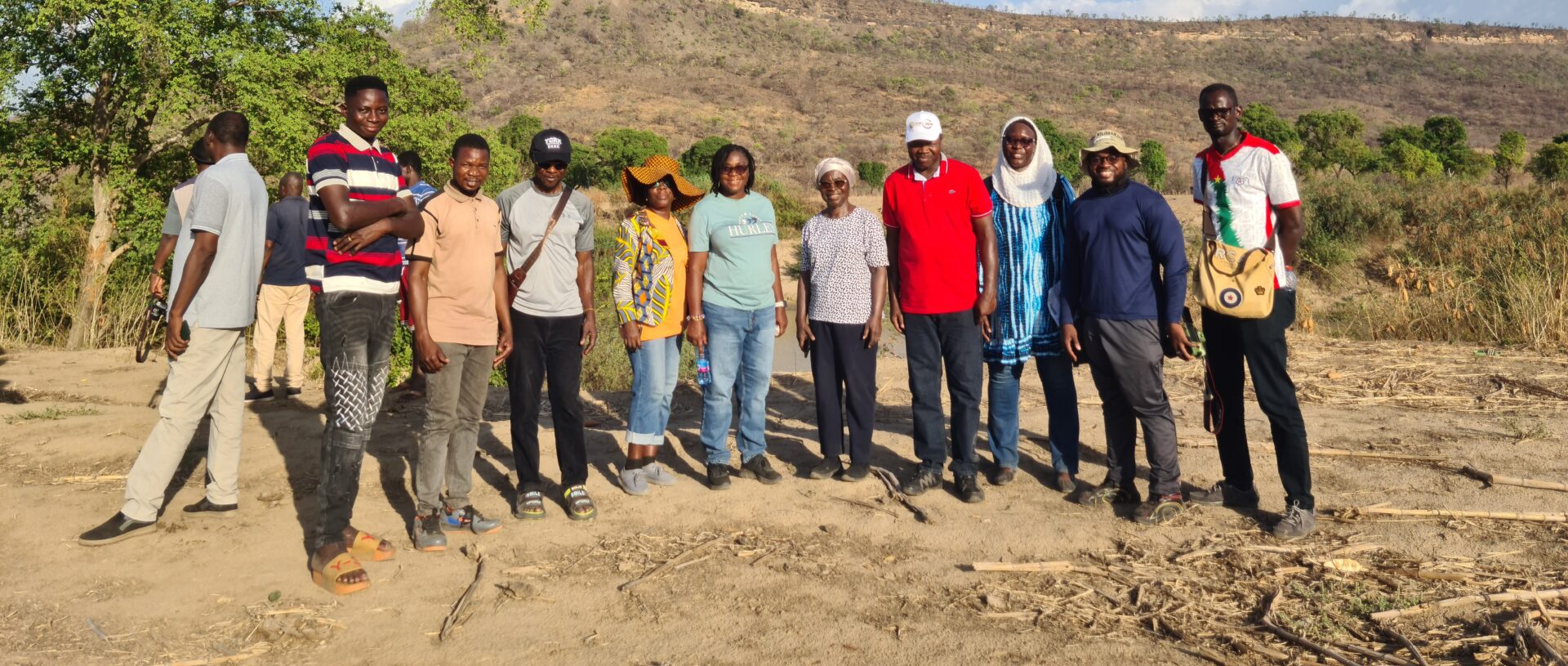
The workshop brought together a diverse team of experts and collaborators, including
- The CBCR team, including faculty members from the University of Ghana
- A representative from Start International
- A representative from York University
- The Naturama team from Burkina Faso
What We Did
The workshop had clear objectives: to formally commence the project, provide updates on progress, discuss project activities and plans for implementation, allocate responsibilities to team members, finalize the questionnaire for data collection, align and standardize research methods across countries, and map out the next phase of project activities. The workshop was highly interactive and focused on practical planning for the months ahead. Key activities included:
- Understanding the Context: The Naturama team gave an insightful presentation on the history and operations of the Bagre Dam, providing crucial background on its transboundary impacts.
- Defining Our Scope: We held an in-depth discussion on the project scope, key deliverables, and timeline for implementation.
- Planning for Fieldwork: The team worked together to allocate responsibilities for streamlined execution. A session led by Prof. John Mensah from York University reviewed the survey instruments, incorporating feedback from all partners to ensure alignment with project goals and logistical considerations.
- Setting criteria for community selection: To ensure our work is impactful and reaches those most in need, the team defined nine key criteria for selecting project communities
Selection Criteria:
- Crit 1: Security—Safety of the field team and community members
- Crit 2: Impact of the Bagre Dam Spillage—Severity of flooding and other effects
- Crit 3: Community Vulnerability—Level of susceptibility to shocks
- Crit 4: Accessibility—Ability to reach the affected communities
- Crit 5: Interest and Reception—Willingness of the community to engage with the project
- Crit 6: Previous Interventions—Consideration of resettlement history and ongoing projects
- Crit 7: Diverse Livelihood Activities—Inclusion of both farming and fishing communities
- Crit 8: Proximity / Enclosure—Location relative to the dam and affected river basin
- Crit 9: Migrant Communities—Inclusion of migrant populations is often disproportionately affected
From Workshop to Field: Engaging Affected Communities
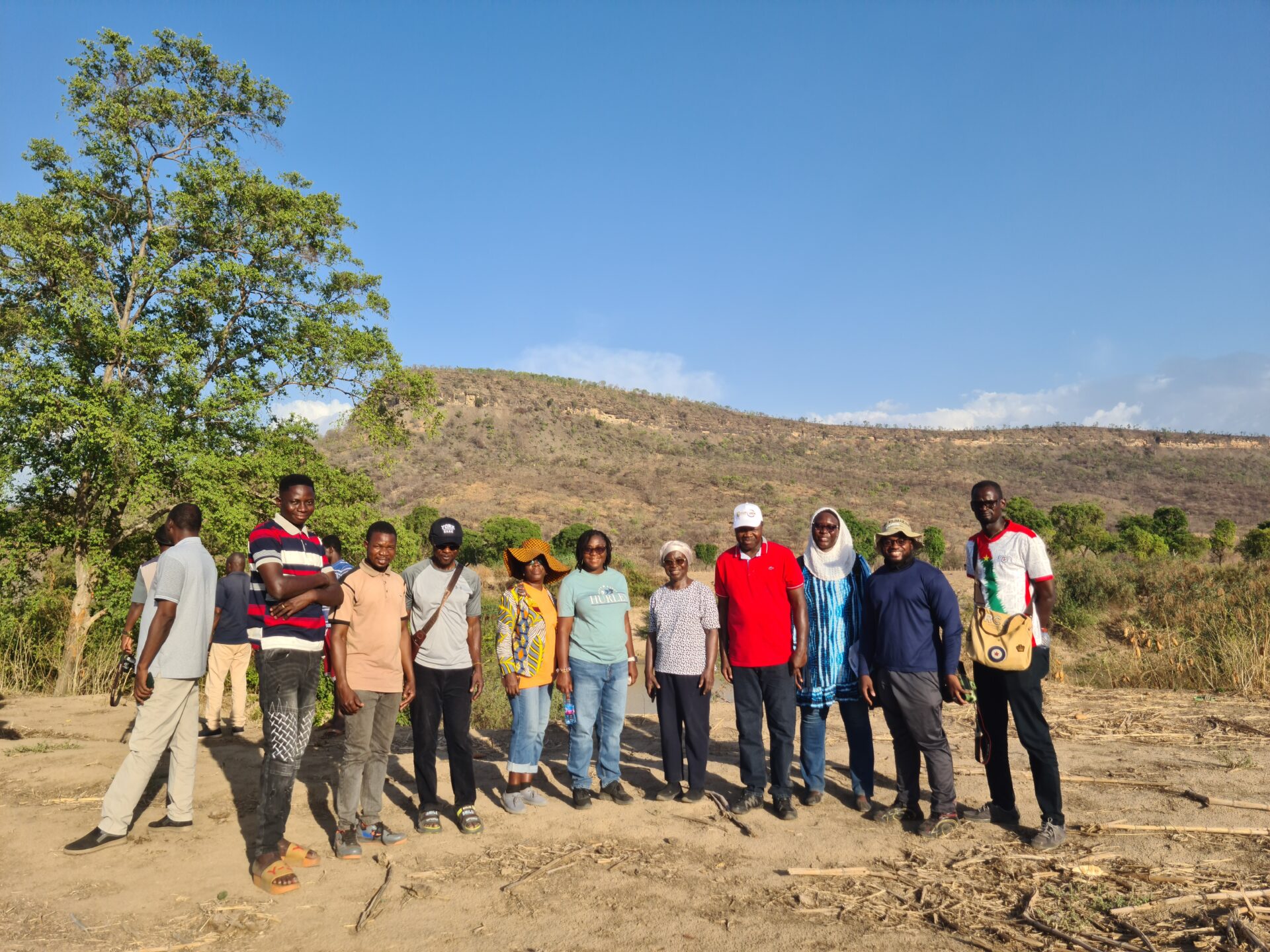
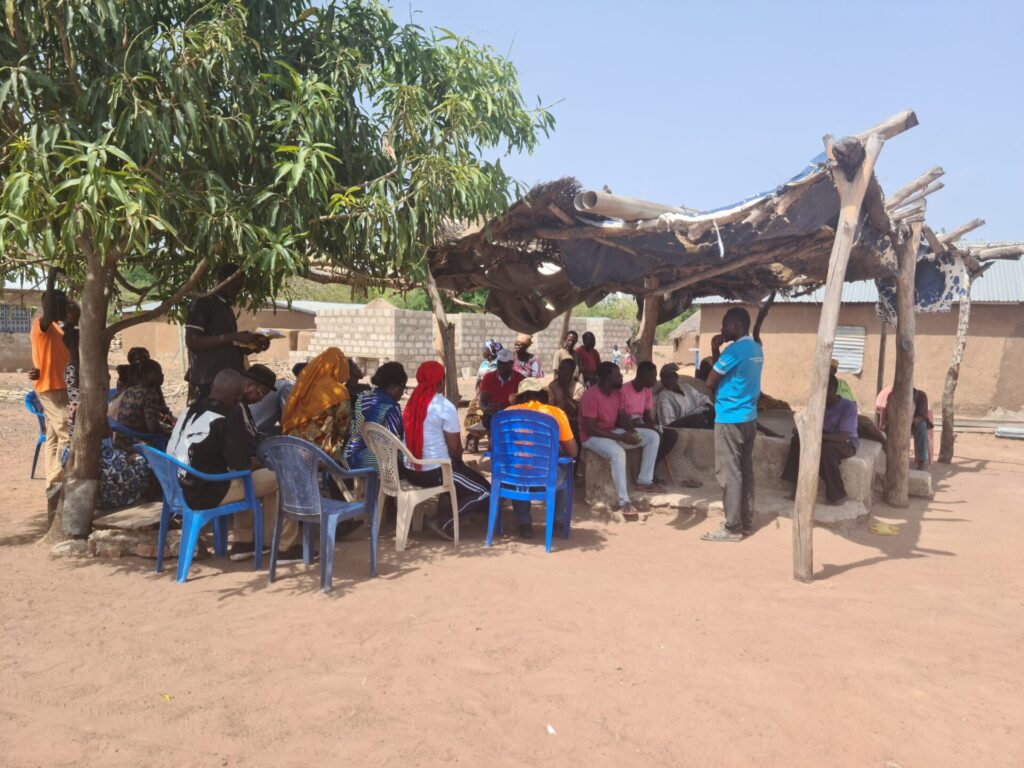
Moving from planning to action, participants undertook field visits to flood-affected communities impacted by Bagre Dam spillage—including Pwalugu, Nungu, Yinduri, Karimenga, and Sariba.
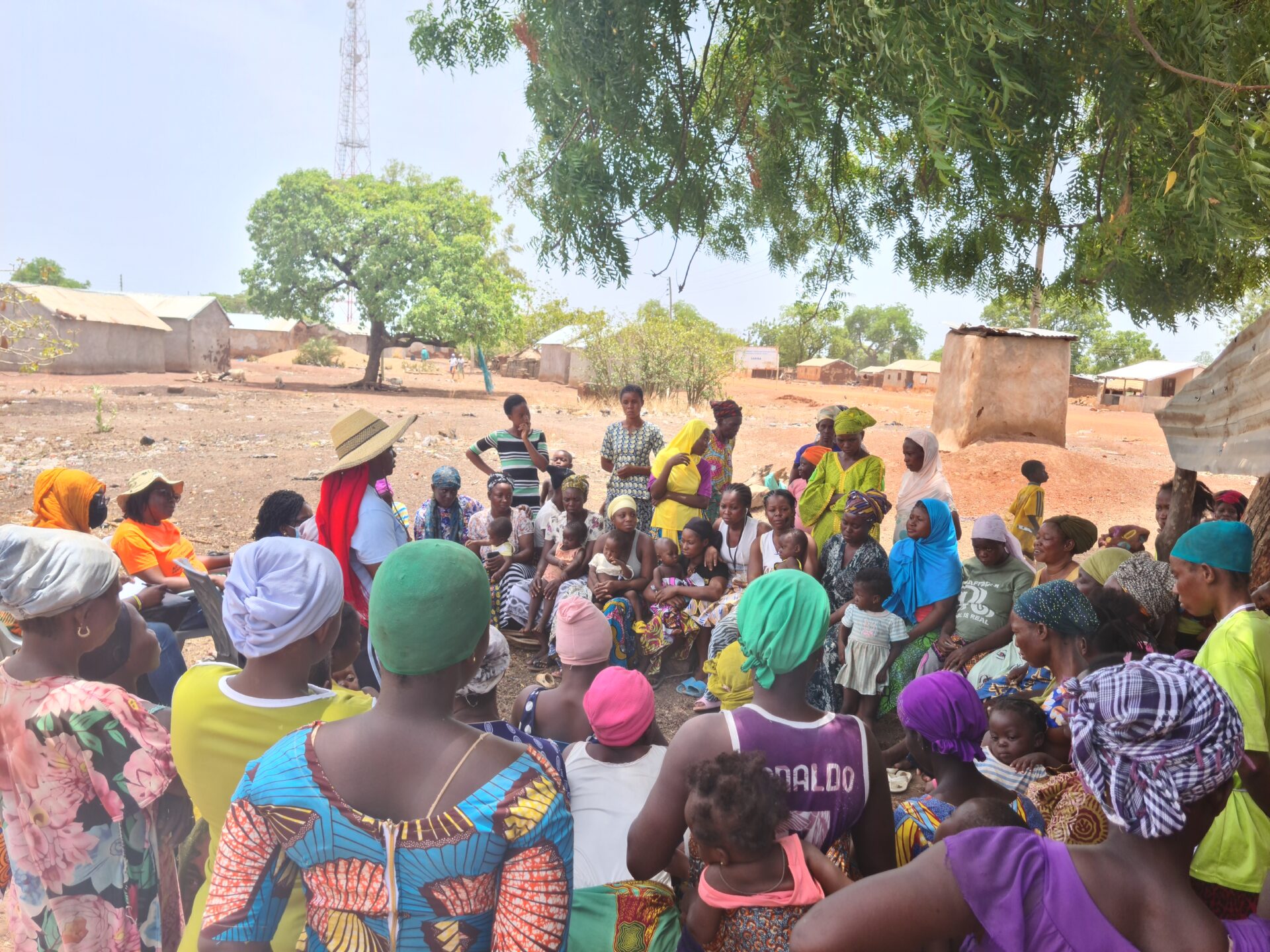
The visits aimed to assess flood impacts, community vulnerability, and logistical feasibility for project activities. The team applied the selection criteria in real-time and held gender-segregated focus group discussions, which highlighted key challenges and perspectives, especially among women.
Next Steps
The four-day workshop ended with a strong commitment to collaboration and timely execution. With responsibilities allocated, data collection tools finalized, and initial communities visited, the project is now fully underway.
A follow-up transboundary meeting is expected to take place in Bolgatanga, Ghana, or in Burkina Faso, to further strengthen cross-border learning and coordination as we work with wetland communities to co-create nature-based solutions for climate resilience.
Stay tuned!
Categories
Countries
CLARE Pillars
CLARE Themes
CLARE Topics
Published
CLARE Projects
CLARE Partners