
Story of Change: Strengthening climate service capacity for inclusive adaptation in Malawi
Published on
Authored by Charles Vanya, James Pagona, Kristel Fourie, Edwin Tadeyo, Chance Muwama,Maynard, Nyirenda Elizabeth Kendall, Francois Engelbrecht, Luis Artur, Jeff Neal and Christel Prudhomme
CLARE Stories of Change are snapshots of how research and capacity strengthening initiatives that the programme supports are contributing to specific changes on the ground in support of resilience to climate change and natural hazards. They help illustrate how CLARE is enabling socially inclusive and sustainable climate resilience, as outlined in the CLARE Theory of Change.
What changed?
In Malawi, local authorities are now able to use climate research more effectively in support of inclusive adaptation, with contributions from the REPRESA project. The Malawi Department of Climate Change and Meteorological Services (DCCMS) is strengthening efforts to make weather and climate services more participatory and community-engaged, building on existing approaches and contributions from other programmes. By making its climate service delivery more locally embedded and inclusive, DCCMS increases the likelihood that early warnings will lead to timely protective action during dangerous weather events, particularly amongst vulnerable communities.
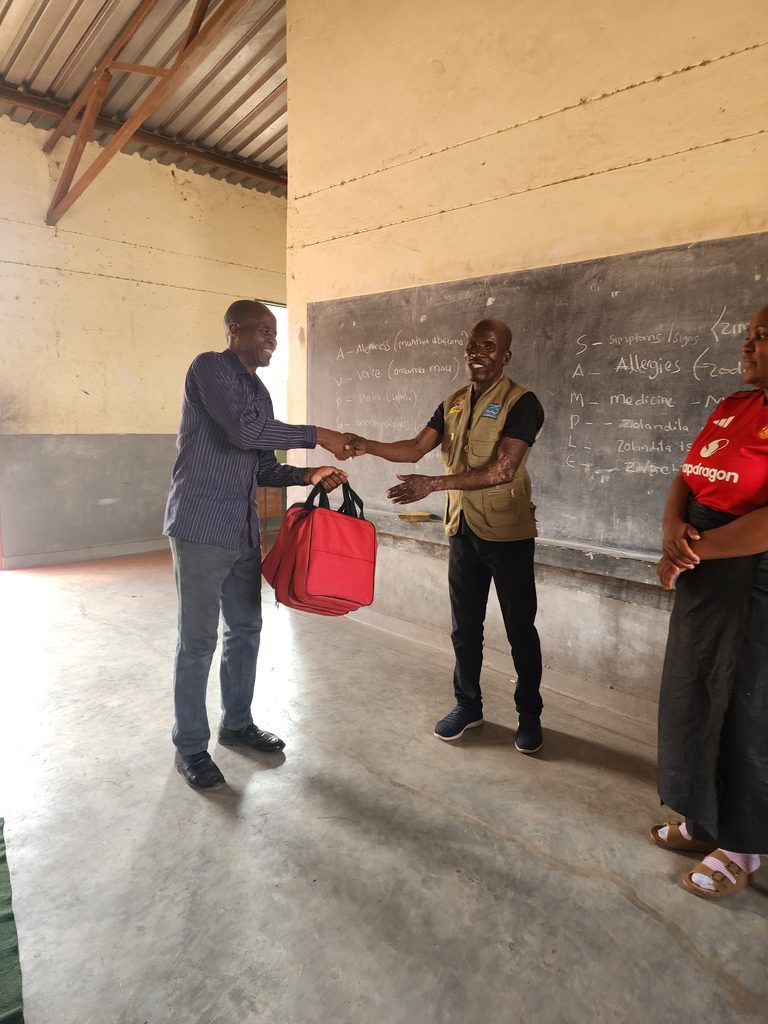
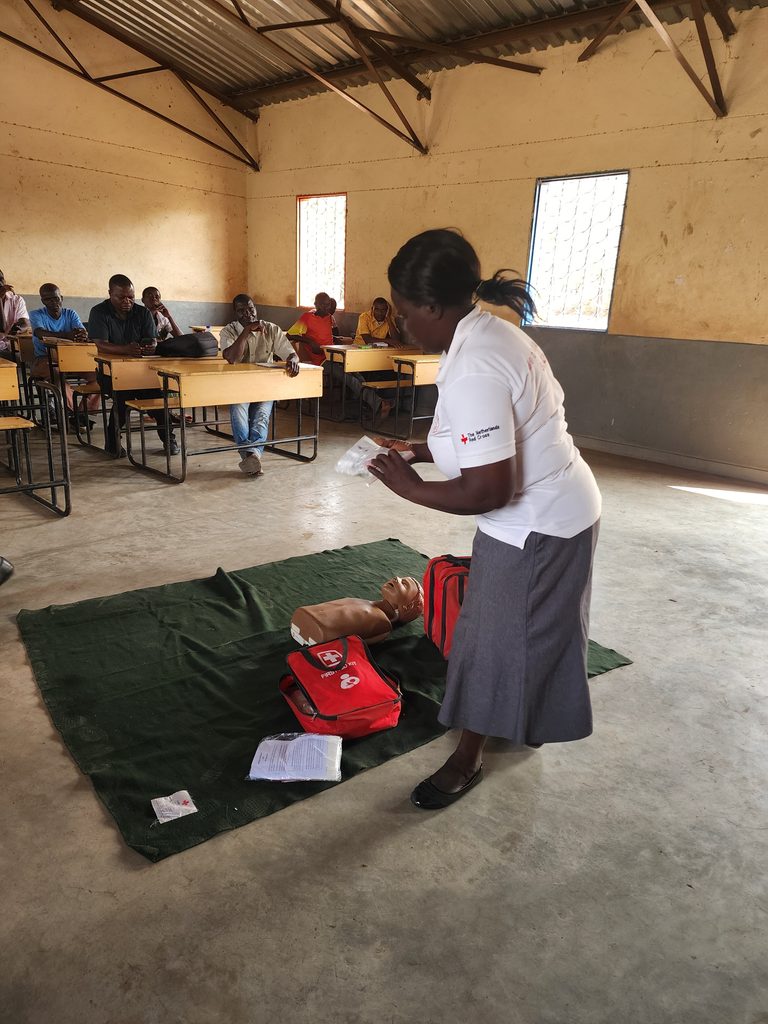
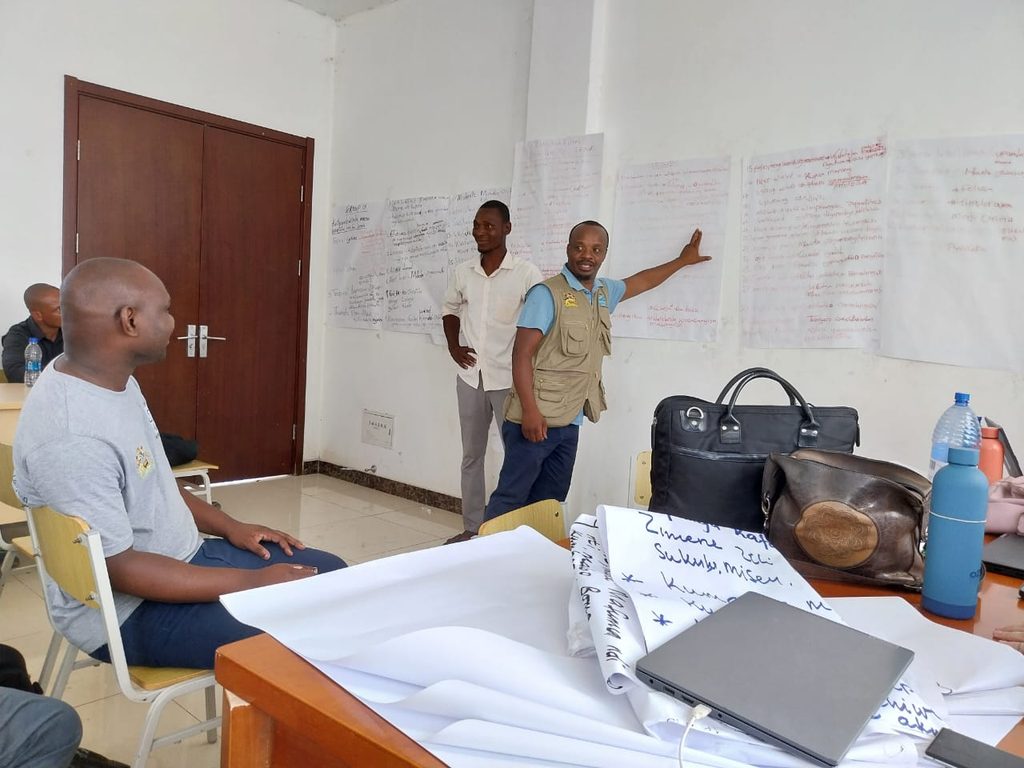
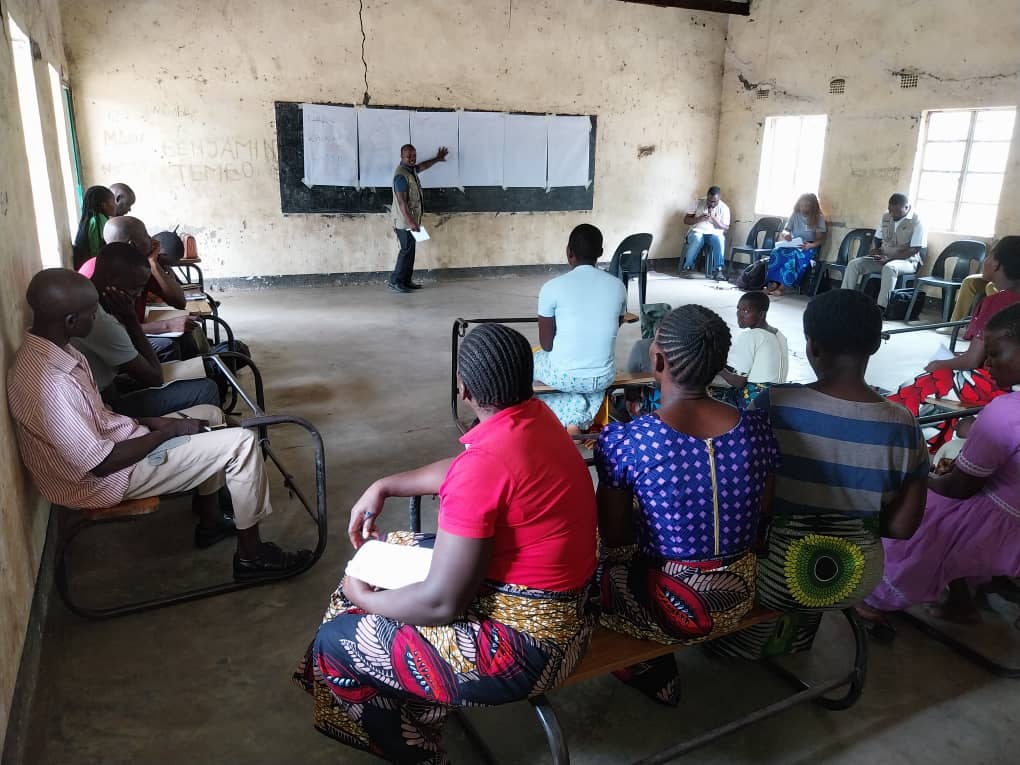
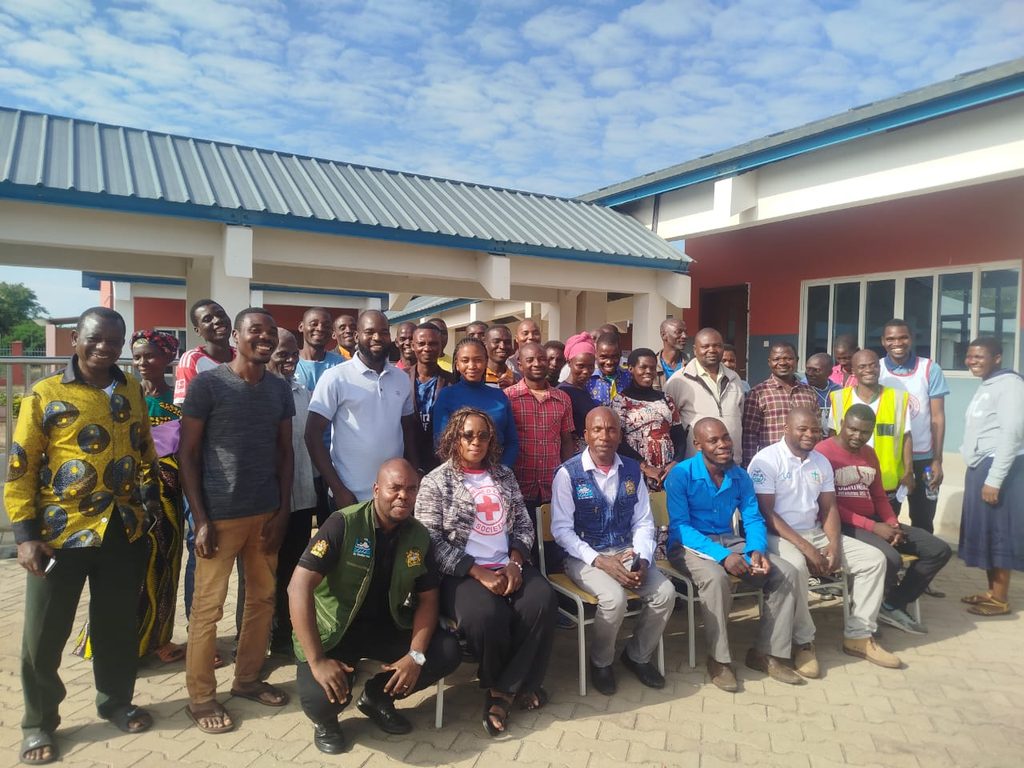
Through direct interaction with communities in flood- and cyclone-prone districts, the DCCMS has begun co-producing warning messages, improving feedback loops, and making climate information more accessible through local languages and trusted intermediaries. This includes terminology translation workshops in English, Chichewa, and Sena, which went beyond direct translation of words to support community understanding and buy-in around concepts such as tropical cyclone, intensity, and trigger mechanisms. REPRESA has also supported training of community leaders and youth volunteers in interpretation of scientific flood alerts, helping to facilitate integration of traditional knowledge and scientific forecasts,, while paying greater attention to the needs of women, older people, youth, and people with disabilities.
Through their involvement with the REPRESA project, REPRESA has supported training on interpretation of global flood forecasting system (GloFAS), flood risk mapping, and the latest climate projections, as well as local access to REPRESA km-scale climate projections and flood hazard mapping and training on analysis tools. These activities have helped make climate information more relevant and actionable for vulnerable communities whose livelihoods are highly exposed to climate hazards. At the same time, REPRESA has strengthened DCCMS’s institutional relationships with key actors, including research institutions, disaster management agencies, NGOs, and community leaders – helping connect scientific knowledge, communication systems, and local response mechanisms more effectively.
(Photo credit: REPRESA Malawi)
(Photo credit: REPRESA Malawi)
(Photo credit: REPRESA Malawi)
Why does it matter?
Countries across southern Africa face increasing risks from tropical cyclones and associated flooding, which are becoming more intense and unpredictable in a changing climate. In Malawi, the southern districts of Chikwawa and Nsanje, which have a population of more than 800,000 people, are the most vulnerable to flooding caused by tropical cyclones. Enhanced capacity of the DCCMS to manage its climate service delivery increases the chances that timely action will be taken in response to future hazards, which can prevent loss of life and livelihoods for vulnerable populations in flood-prone and cyclone-affected areas.
This strengthened agency is also significant because it addresses key constraints that limit the effectiveness of adaptation. While awareness of hazards is often high, information doesn’t always lead to action due to gaps in accessibility, trust, and usability. These gaps are most pronounced among marginalised populations, who are often the most exposed to risk yet least able to access, interpret or act on forecasts. By improving how information is communicated and building increased trust, the DCCMS increases the likelihood that warnings will be acted upon. DCCMS’ strengthened relationships with community actors are also essential for effective adaptation, as early warning systems depend on coordination between organisations responsible for forecast, communication, and response.
(Photo credit: REPRESA Malawi)
What did CLARE do to contribute?
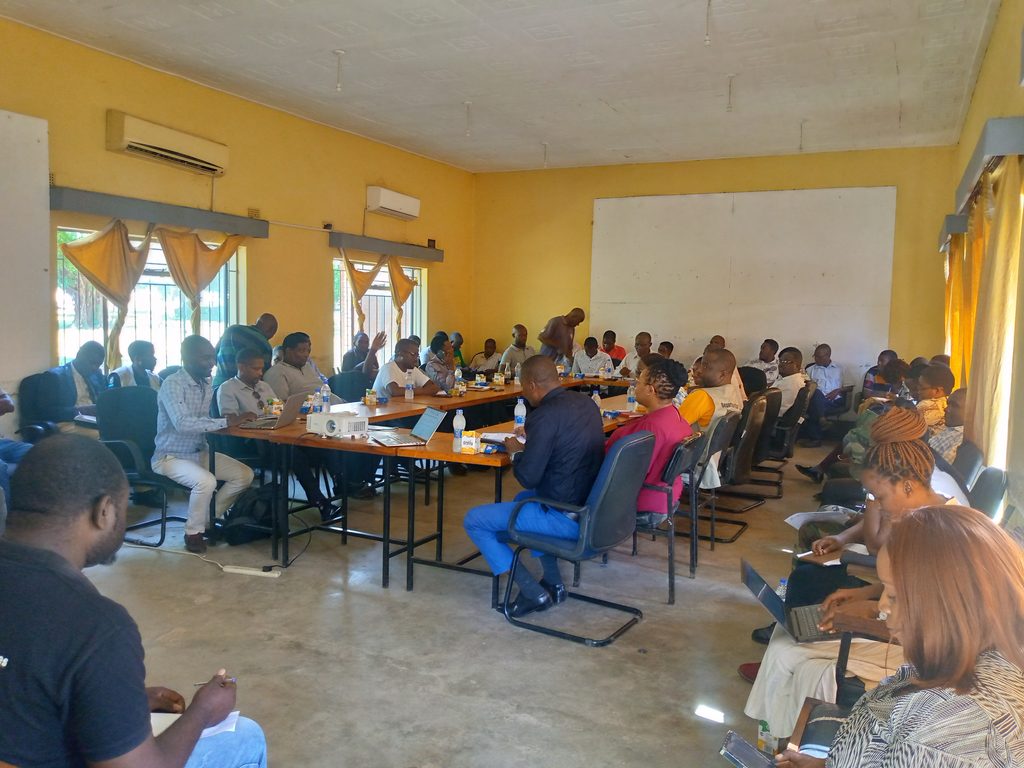
DCCMS was engaged as a core partner in the REPRESA project, serving as the Malawi country lead. REPRESA provided operational funding and logistical support that enabled DCCMS staff to engage directly with communities in Chikwawa and Nsanje, supporting a shift towards co-produced and locally relevant climate services and building on complementary contributions of programmes such as the Weather and Climate Information Services (WISER) programme. Additionally, REPRESA supported the DCCMS’s technical capacity to deliver localised, impact-based forecasts through training workshops, simulation exercises, and access to improved datasets and tools, through which staff enhanced their ability to analyse climate data and translate it into actionable information.
REPRESA also supported training on interpretation of GloFAS, floodrisk mapping, and the latest climate projections, including local access to REPRESA km-scale climate projections and flood hazard mapping and training on analysis tools. Terminology translation workshops were one key example of REPRESA’s contribution focused on translation of key terms in English, Chichewa, and Sena; these were critical because some of the key terms used in forecasts do not have simple direct translations but are critical to helping ensure communities understand warnings and can therefore take appropriate action.
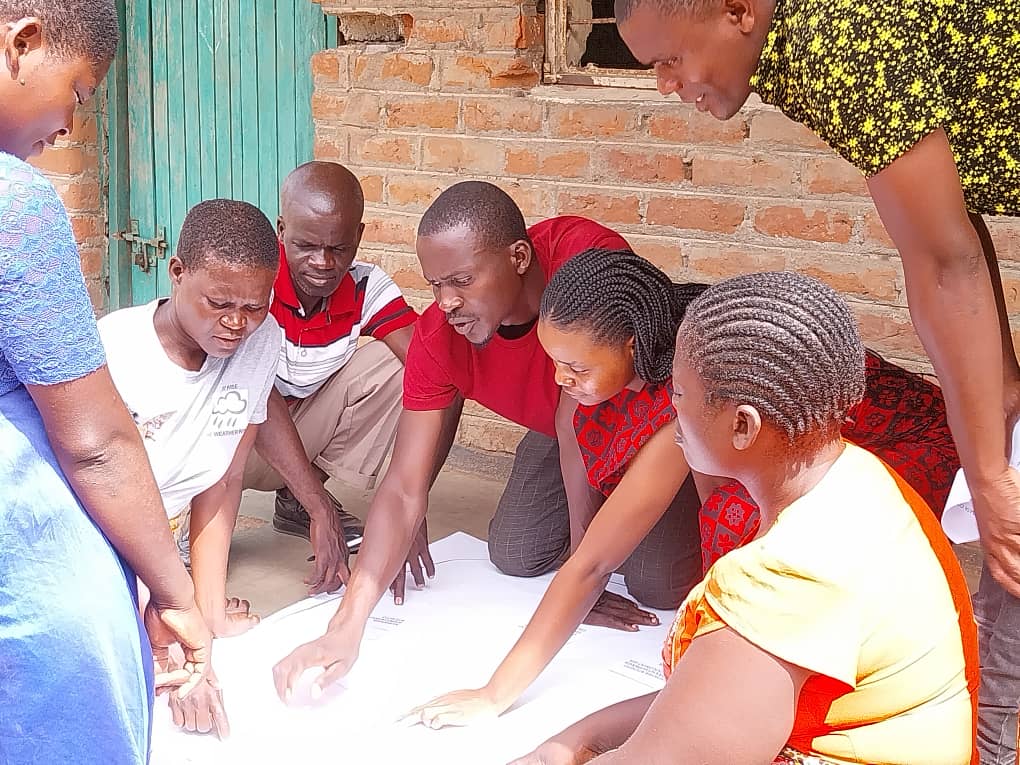
For community members, the project led dedicated capacity strengthening activities to enhance understanding of and action on climate information, running activities such as workshops for local committees, training of community leaders and youth volunteers in interpretation of scientific flood alerts to facilitate integration of traditional knowledge and scientific forecasts, participatory scenario planning, and development of locally adapted communication tools. Through participatory community workshops, the project created structured spaces for collaboration between researchers, government actors, and communities, reinforcing a more inclusive, trusted-based, and accountable approach to climate information and early warning systems.
Overall, these strengthened institutional, technical, and relational capacities within DCCMS, with contribution from REPRESA alongside other programmes and partners, have contributed to more inclusive and effective climate adaptation, particularly for vulnerable communities exposed to flood and cyclone risks.
(Photo credit: REPRESA Malawi)
About REPRESA
The Resilience and preparedness to tropical cyclones across Southern Africa (REPRESA) project focuses on the impacts of tropical cyclones in Madagascar, Malawi and Mozambique. Southern Africa is highly vulnerable to the impacts of tropical cyclones, as seen in devastating events like tropical cyclone Idai in 2019. The existing early warning systems in the region are insufficient to prevent loss of life and economic hardship. REPRESA aims to address this gap by improving early warning systems, conducting research on changing cyclone attributes, and formulating adaptation options to enhance resilience.
Categories
Countries
CLARE Projects
CLARE Pillars
CLARE Themes
CLARE Topics
CLARE Partners