
Story of Change: Strengthening groundwater management in Dodoma through borehole depth data
Published on
Authored by CLARITY Dodoma T-Lab
CLARE Stories of Change are snapshots of how research and capacity strengthening initiatives that the programme supports are contributing to specific changes on the ground in support of resilience to climate change and natural hazards. They help illustrate how CLARE is enabling socially inclusive and sustainable climate resilience, as outlined in the CLARE Theory of Change.
What changed?
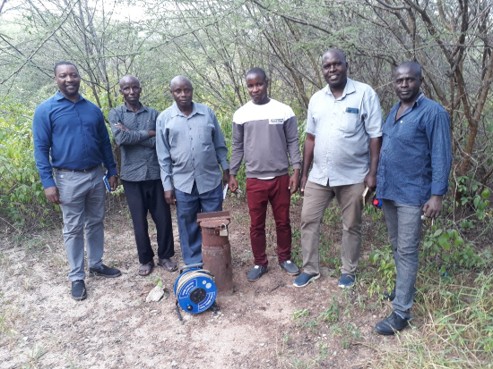
In Tanzania, municipal officials in the city of Dodoma are applying evidence from the CLARITY project to encourage water users to improve groundwater management strategies under increasing climate stress. The Dodoma Urban Water Supply and Sanitation Authority (DUWASA) and the Wami Ruvu Basin Water Board (WRBWB) have adopted CLARITY research insights to discourage households and other water users from drilling ever deeper boreholes in search of elusive groundwater.
Based on borehole records collated across the Dodoma T-Lab, the CLARITY team working with its partners in the Ministry of Water has shown that well yields beyond a depth of 125 m are low (<10 m3 per hour); highest (optimal) well yields in Dodoma City and neighbouring districts occur at depths between 60 and 120 m. WRBWB officials have begun including this information when issuing groundwater use permits for drilling licences. While WRBWB policies do not restrict drilling depth, providing verbal evidence-based advice to licensees enables drillers and those contracting drillers to make better-informed decisions about the merits of drilling deeper.
This change in how policy is implemented has the potential to strengthen Dodoma region’s water security under changing climate while helping water users avoid expensive over-drilling that can further endanger water supplies and unnecessarily increase their drilling costs.
Why does it matter?
This change in policy implementation has the potential to strengthen the water security of the 1.8 million citizens served by DUWASA in Dodoma and surrounding districts, if applied consistently and sustainably.
This improved understanding of the accumulated evidence of the optimal depths at which well yields are achieved in the deeply weathered crystalline rock aquifer systems in the Dodoma region will serve to strengthen water security in Dodoma, which is totally dependent on groundwater resources and currently faces less predictable precipitation and increased risk of heat and droughts. The limited storage of hard-rock aquifer systems underlying Dodoma and its dryland climate mean that periods of lower rainfall and high evaporation can lead to rapid declines in the water table. Shallow wells are at an increased risk of drying up during prolonged droughts, and digging multiple wells can drain moisture from the upper groundwater zone upon which the broader region relies. Meanwhile, competitive abstraction from deep wells beyond that which can be renewed can lead to rapid depletion of groundwater sources in a ‘race to the bottom’ as individual well owners chase dwindling groundwater resources with depth.
By using evidence from CLARITY to encourage more sustainable groundwater extraction practices, WRBWB and DUWASA are helping to safeguard water supplies for both current and future users.
What did CLARE do to contribute?
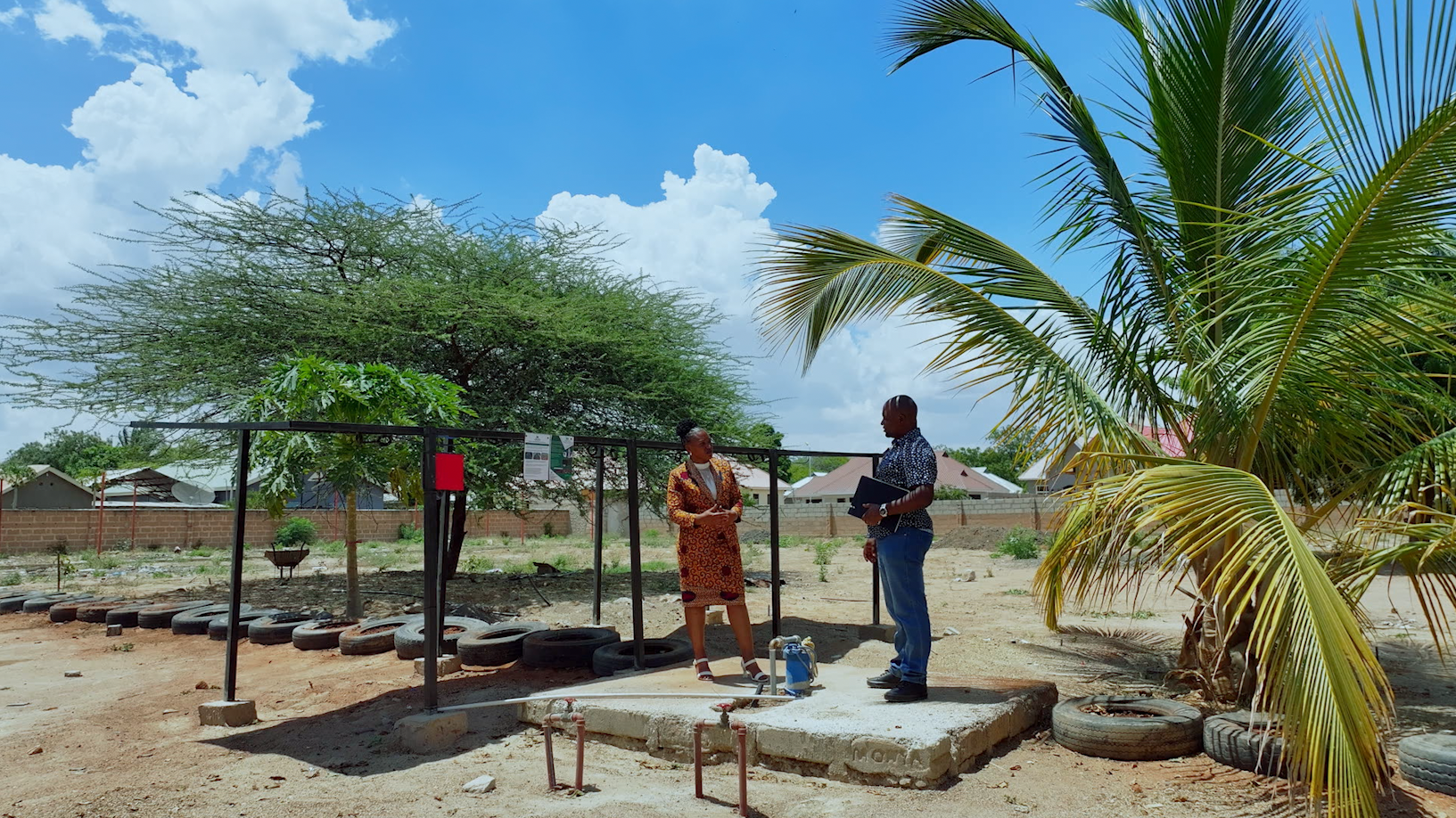
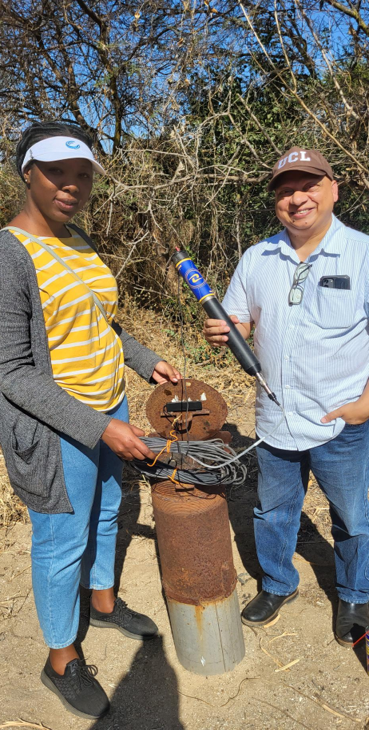
Members of CLARITY’s Dodoma Transformation Lab (T-Lab), which includes members from Sokoine University of Agriculture and the national government’s Water Resources Centre for Excellence, identified a need for evidence, to help prevent unsustainable and costly drilling for groundwater and avoid the so-called “race to the bottom” of depleted groundwater. In response, they worked together to identify where groundwater is becoming scarce, map out potential recharge areas, and inform alternative strategies to support more sustainable groundwater management. As a part of this work, the CLARITY team undertook systematic monitoring and modeling of Dodoma’s groundwater resources.
The CLARITY team’s research partnership with the Water Resources Centre for Excellence, established under the T-Lab, along with the relationships they had built with DUWASA and WRBWB, provided trust and credibility when the team presented the recommendations about optimal borehole depth to DUWASA.
About CLARITY
The Climate adaptation and resilience in tropical drylands (CLARITY) project convenes transformational labs in the Sahel (Maradi region in Niger/Nigeria), in the drylands of central Tanzania (Dodoma) and in Peninsular India (Chintamani-Chikkaballapur and Raichur). The project team works with communities to assess water management practices, build models of plausible pathways, and embed research outcomes into wider policy and practice. They also pursue rigorous, action-oriented research, linking inclusive stakeholder engagement with cutting-edge modeling and measurement to synthesise existing knowledge and identify promising innovations to improve climate resilience in tropical drylands.
Categories
Countries
CLARE Projects
CLARE Pillars
CLARE Themes
CLARE Topics
CLARE Partners