
Adaptation research leaders gather in Kenya to advance inclusive, sustainable climate resilience
/
Kenya is a hotbed for innovation in climate adaptation and resilience, thanks in part to the work of a vibrant community of researchers who are shaping solutions across the country and beyond.
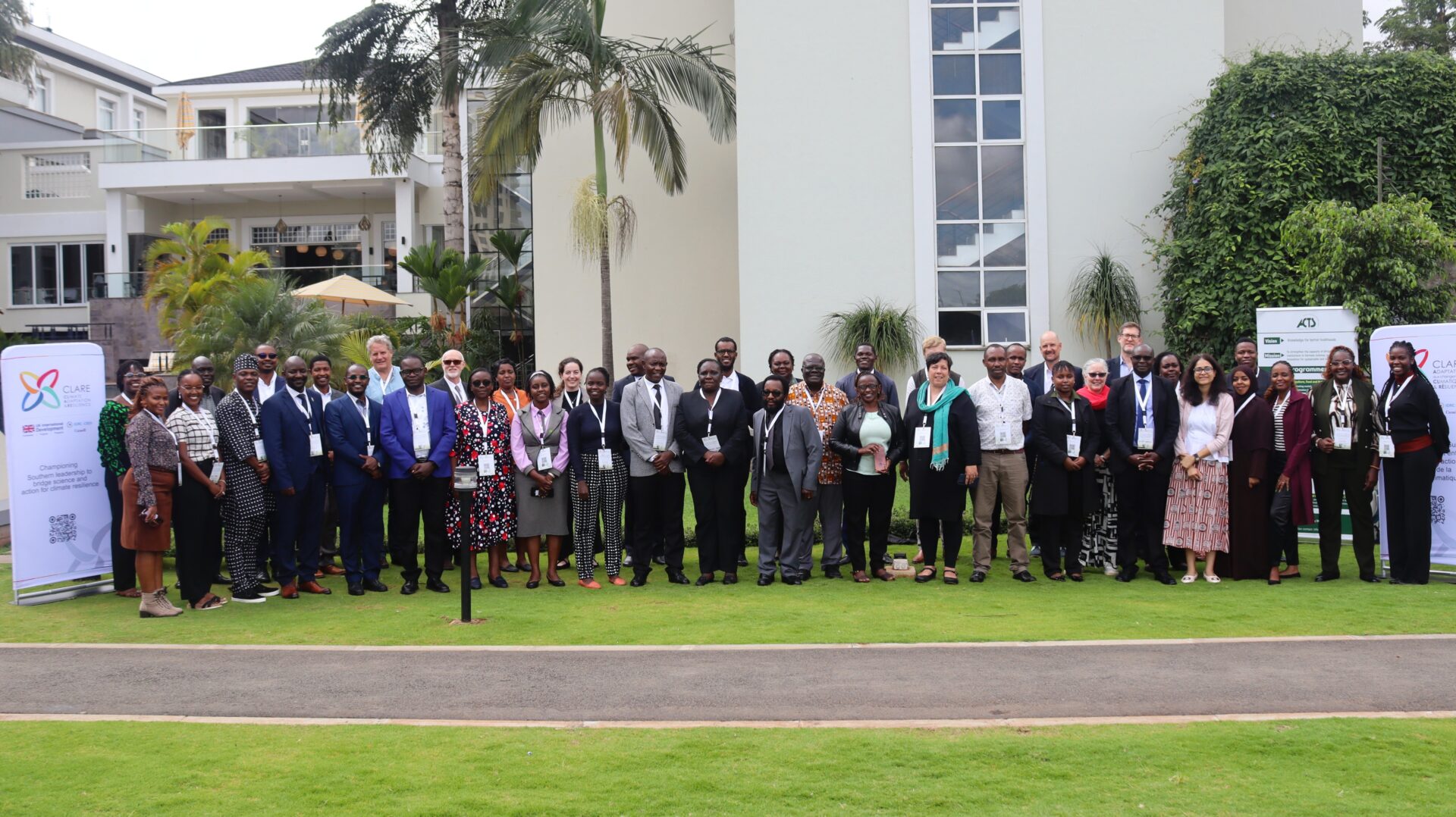
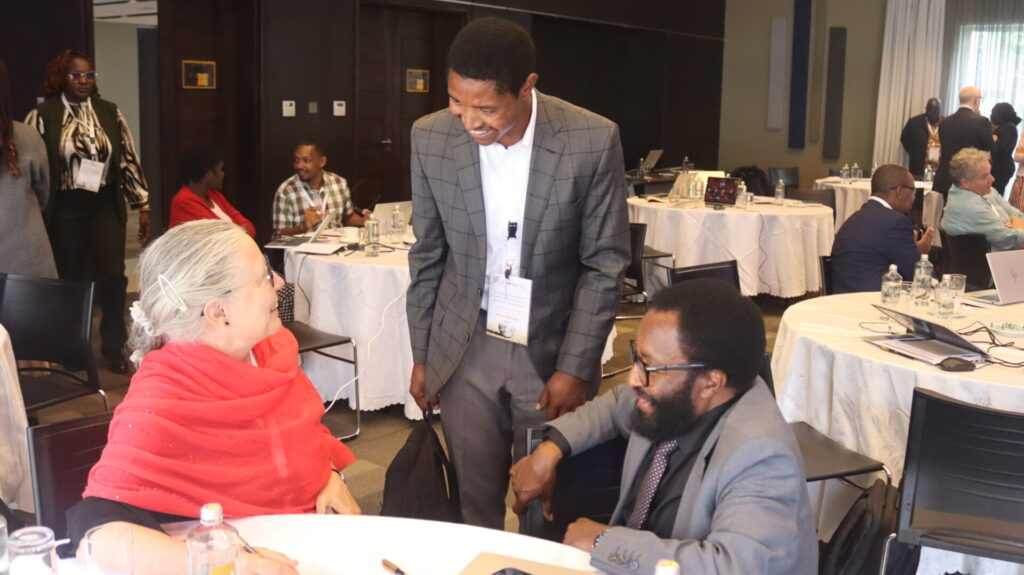
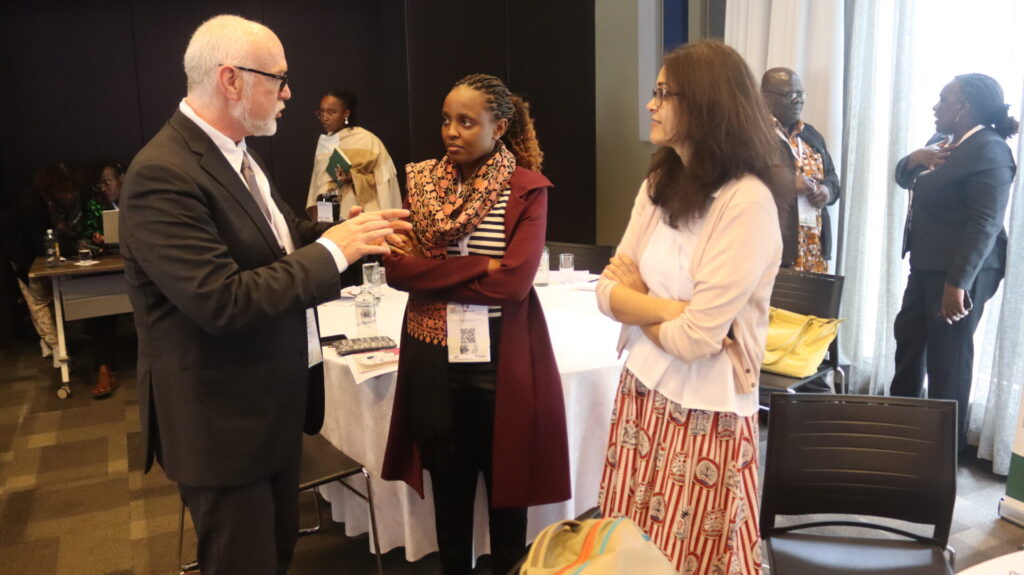
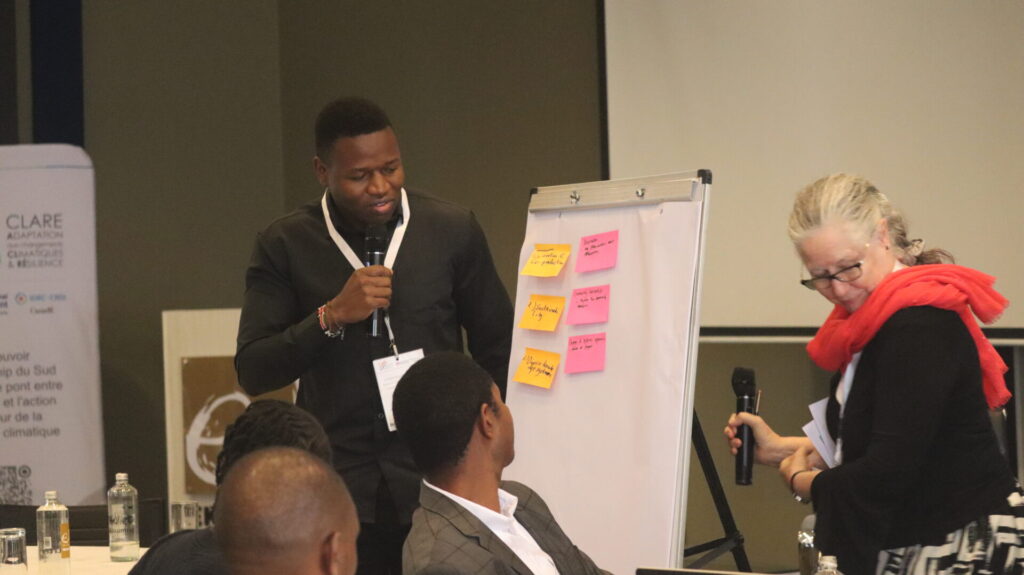
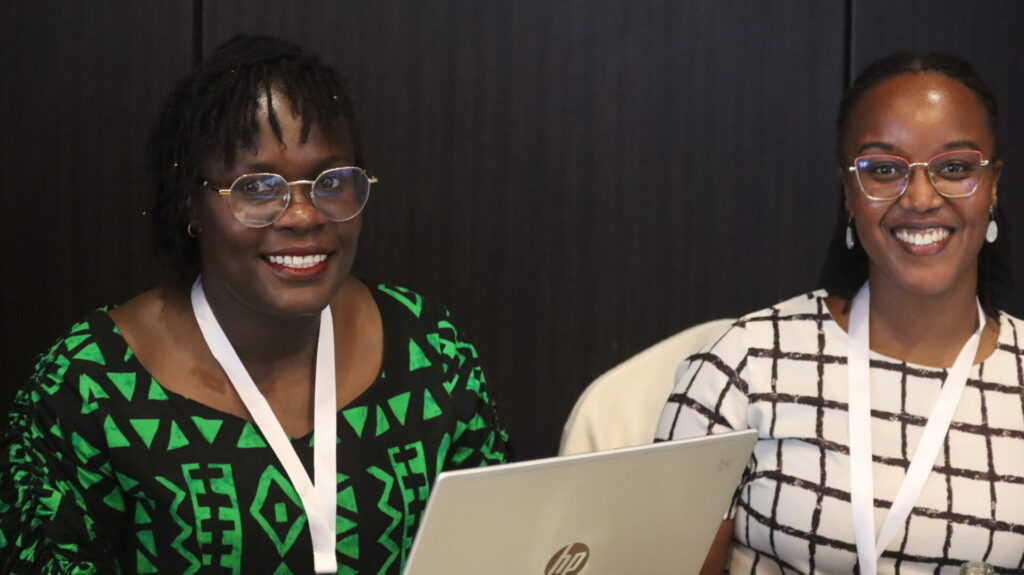
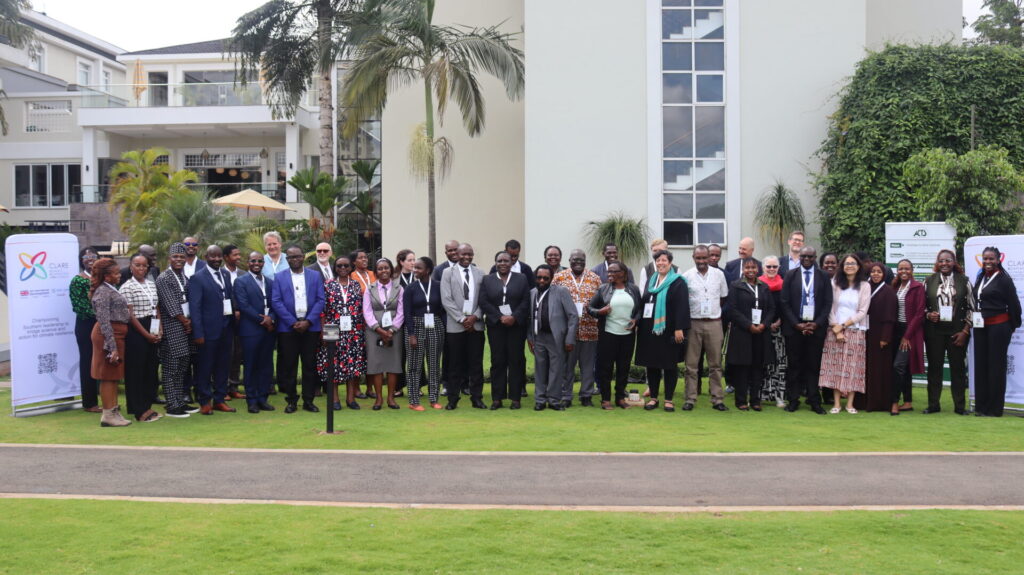
On 4 June 2026, leaders in climate adaptation research in Kenya came together in Nairobi to identify shared lessons, best practices, and opportunities for collaboration. Hosted by the African Centre for Technology Studies (ACTS) and CLARE Capacity Strengthening (CS) Hub in collaboration with the CLARE programme and core FCDO programmes in Kenya, the convening brought together adaptation experts to share knowledge on supporting research to enable inclusive, sustainable climate resilience.
These dedicated climate leaders represented multiple CLARE research projects, as well as the leads of core FCDO-funded projects working across urban resilience, pastoralism in arid and semi-arid lands, and capacity strengthening.
Moving from knowledge to action: insights from the Kenya School of Government
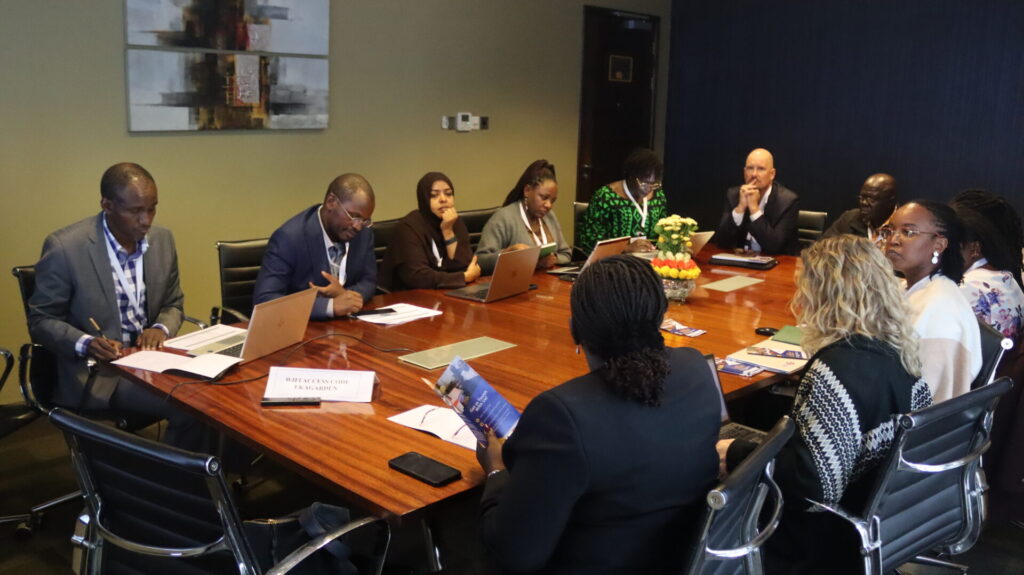
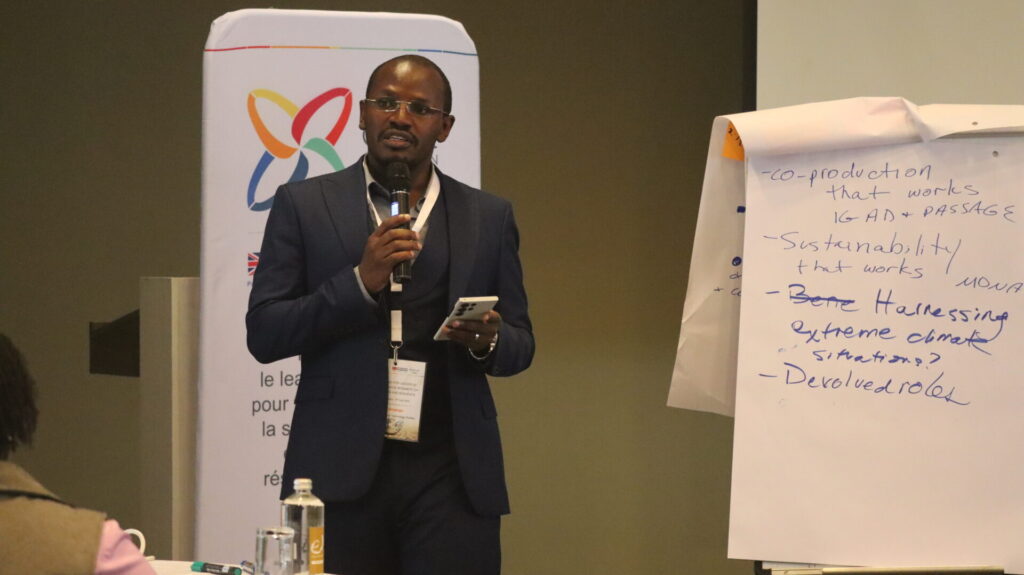
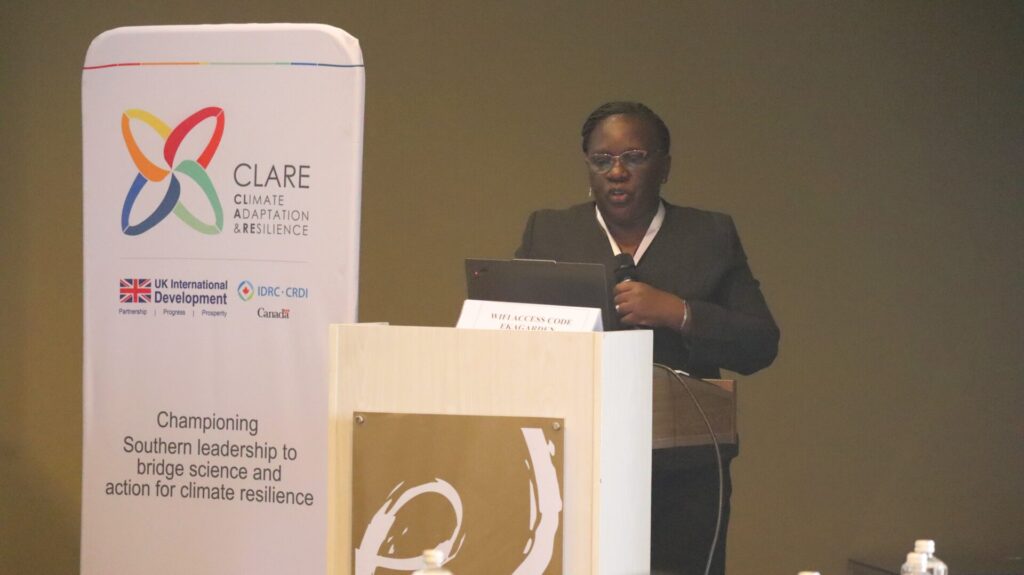
The convening kicked off with a keynote address by Dr. Rachel Ngesa, Director of the Institute for Devolution Studies at the Kenya School of Government, delivered on behalf of Prof. Nura Mohamed, Ph.D., EBS, Director General of the Kenya School of Government, which set the scene for the day.
These insights from the Kenya School of Government emphasized that building climate resilience is no longer a question of understanding climate change, but of effectively converting existing knowledge into coordinated, scalable, and sustained action.
“The defining challenge is not the absence of knowledge but ability to organize knowledge in ways that strengthen decisions, improve coordination, and accelerate implementation for — not as isolated efforts, but as part of a continuous learning system. This requires effective leadership, capable institutions, and strong partnerships between researchers, policymakers, and practitioners.”
– Dr. Rachel Ngesa, on behalf of Prof. Nura Mohamed
The full address from the Kenya School of Government framed climate change as a governance and leadership challenge, and delivered key insights on how to meet this challenge, including:
- Collaboration, co-creation, and shared learning are essential, rather than continued work in silos.
- Locally led approaches deliver greater impact.
- Dissemination is a major gap, as research findings and project outcomes are often not reaching intended audiences effectively. As such, knowledge must be disseminated in language that can reach the targeted audience.
- Evidence must inform decision-making and action. Research findings must be progressively distilled into knowledge that can be used to inform decisions.
- Inclusion must remain central. The communities most affected by climate shocks – particularly women, youth, persons with disabilities, and pastoralists communities – must be supported through adaptation and resilience efforts that are inclusive.
- Success should be measured through impact. There is a need to move beyond activity reporting and focus on measurable and quantifiable outcomes.
- Climate resilience requires a whole-of-society approach, necessitating contributions from government, academia, civil society, communities, development agencies, and the private sector.
Drawing out adaptation insights from across the CLARE portfolio and beyond
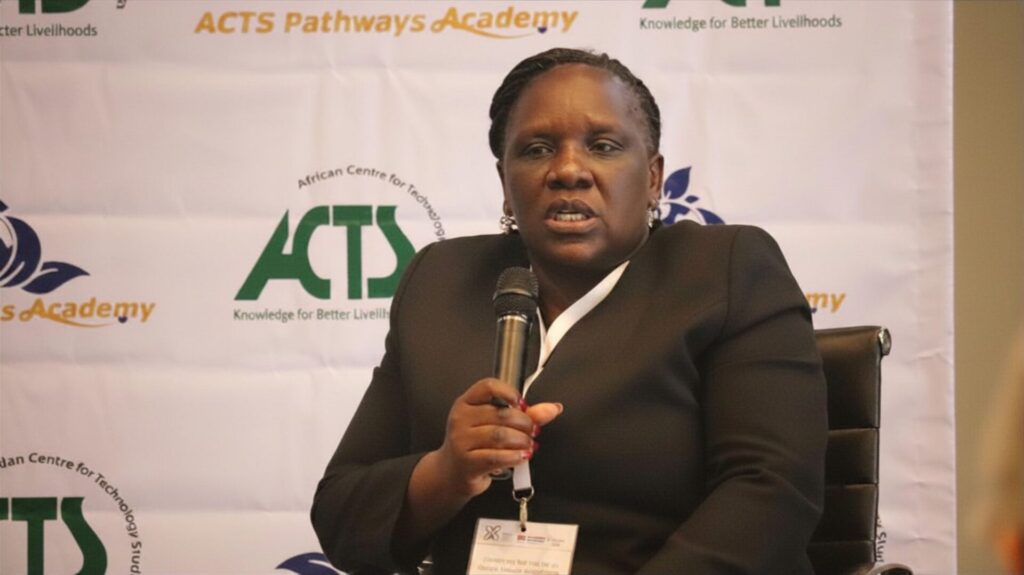
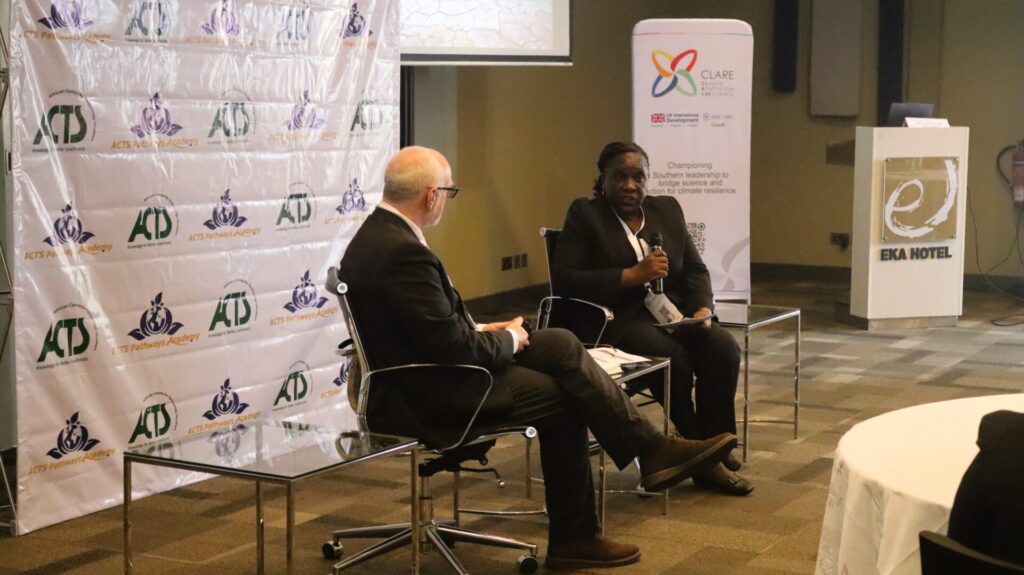
The convening for leaders in climate research on adaptation and resilience highlighted the breadth of work underway in this area, and the climate solutions it is yielding to support the most vulnerable in Kenya.
Rhiannon Clapham, East Africa Climate and Natural Resources Advisor of the British High Commission in Kenya, spoke to how the UK is investing in futureproofing to prepare for expected climate impacts, particularly in water and energy systems.
“We can build resilience to these challenges. We do have tools, we have evidence, we have knowledge.”
– Rhiannon Clapham
Bruce Currie-Alder, co-Leader of the CLARE programme on behalf of the International Development Research Centre, emphasized that climate resilience requires bringing together researchers, policymakers, practitioners, and communities to leverage their different strengths and experiences.
“We are leveraging the differences of these partnerships, collaborations that are motivated by working with those that are different from us – being able to harness that difference, leveraging each other’s strengths.”
– Bruce Currie-Alder
The gathering spotlighted how research across the CLARE programme and beyond is contributing to critical aspects of climate resilience in Kenya, including urban resilience, pastoralism in arid and semi-arid lands (ASALs) and capacity strengthening.
On the topic of urban resilience and systemic challenges, participants had the opportunity to hear continental reflections from the African Development Bank Group (AfDB), as well as to share experiences from relevant projects, including the CLARE projects Urban TRACs and Tuwe Pamoja.
The convening brought together the leaders of multiple projects working to advance the resilience of pastoralists and address climate challenges in arid and semi-arid lands (ASALs). Participants heard reflections on national policy, systemic challenges, and innovations being developed across multiple initiatives, including the CLARE projects BIMA, HERCS, PASSAGE, and PALM-TREEs.
To foster long-term ownership and leadership in climate resilience, investments in capacity strengthening are critical. This convening gave space for projects working on capacity strengthening and policy engagement to share learnings from their work, including the CLARE CS Hub, and CLARE projects comprising AWARD, CO-CAT, and RI-Africa.
Looking ahead: strengthening research on climate resilience in Kenya
As Kenya continues to face increasing climate-related challenges – including recurrent droughts, flooding, and mounting pressures on urban systems and dryland livelihoods – these conditions require practical, evidence-based approaches to climate change adaptation and resilience, as well as stronger coordination across initiatives operating in different contexts.
This convening in Nairobi marked a key step forward in supporting research to build climate resilience in Kenya. The gathering provided a practical space for climate researchers to share experiences, learn from each other, and build connections – strengthening leadership in research on adaptation and resilience to support more coordinated and effective responses. The convening set the stage for an emerging forum for leaders’ climate change research and served as a launch pad to a knowledge sharing platform envisaged for delivery through contextual- and solution-focused periodicals.
Categories
Countries
CLARE Pillars
CLARE Themes
CLARE Topics
Published
CLARE Projects
CLARE Partners