
Co-producing resilience strategies: Strengthening communities against flooding in Lusaka’s informal settlements
/
In the face of intensifying climate change, conventional top-down strategies often fail to address the complex realities of urban poverty and climate vulnerabilities.
For the Kanayama and Kalikiliki informal settlements in Lusaka, the interplay between these realities produces familiar but consequential disruptions to people’s livelihoods, damage to housing and infrastructure, and reduced access to public services. The need to mobilise communities and strengthen their capacities for undertaking flood resilient development is urgent.
In these two communities, Climate Resilient Development Pathways (CRDPs) offer an approach to explore transformative alternatives, co-design and assess dynamic sequences of adaptation and mitigation interventions to secure sustainable and flood resilient futures.
In Lusaka, the Tuwe Pamoja project is pioneering the localisation of the pathways approach, moving beyond scientific abstractions to empower residents in Kanyama and Kalikiliki to co-produce their own visions for resilience and portfolios of interventions in light of changing climate and urban conditions.
In formulating these CRDPs, the two communities are being supported by the Lusaka City Council, the People’s Process on Housing and Poverty in Zambia, and other community organisations.
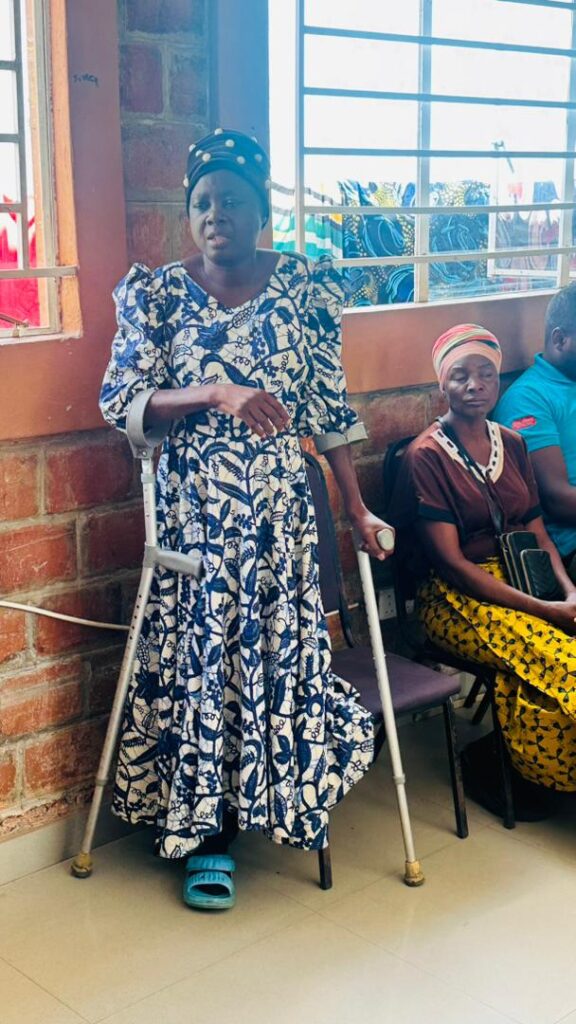
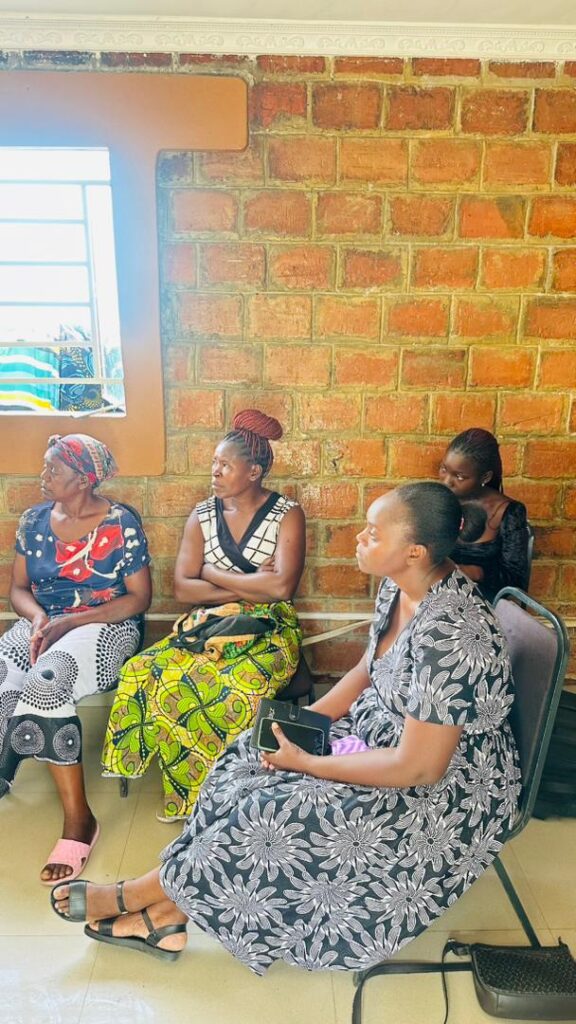
Collaborating on CRDPs
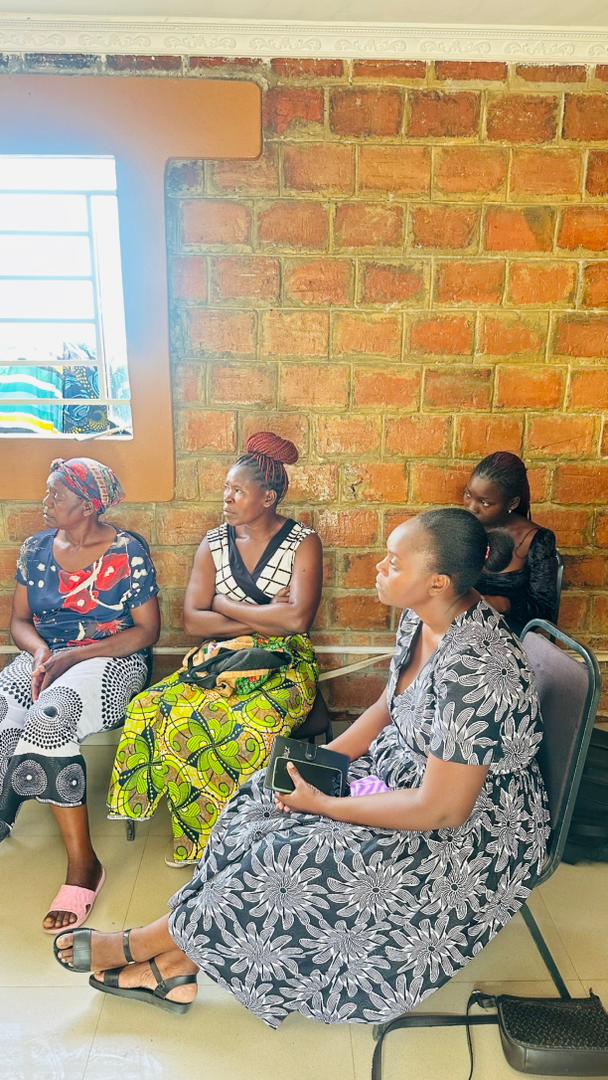
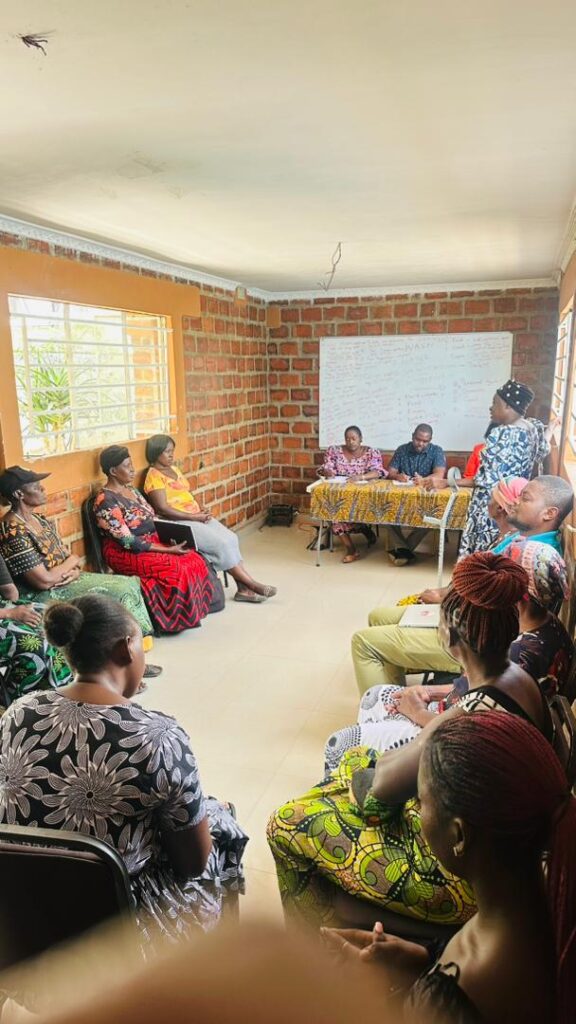
The project team has undertaken several community engagements aimed at localising the CRDPs through activities that strengthen capacity for collaborative action on flood risk reduction through nature-based solutions in Kanyama and Kalikiliki.
The engagements on CRDPs as part of Tuwe Pamoja took place over a period of three months in late 2025, and were carried out by the University of Zambia and the PPHPZ in close partnership with community leaders and residents of the two communities.
Frontline of flooding crisis: Kanyama and Kalikiliki
For these communities, climate change is a lived environmental emergency marked by unpredictable rainfall, extreme heat, and annual flooding.
In Kanyama, recurrent floods are described locally as an ‘annual traditional ceremony’ and are considered devastating. During extreme flooding years, residents report a 75% income loss among surveyed households, forcing small businesses, especially home-based enterprises to close or face extreme losses of up to 95%.
The health consequences are equally dire, with submerged latrines leading to outbreaks of cholera and malaria.
In Kalikiliki, especially in the areas close to the dam and the Kalikiliki stream, the flooding crisis starkly manifests when water mixes with waste, a situation that increases high exposure to disease for the residents and property damage, while also creating harsh livelihood conditions for the local residents.
The impact is highly disproportionate to women, youth, and people with disabilities, who face severe health risks during floods in the area.
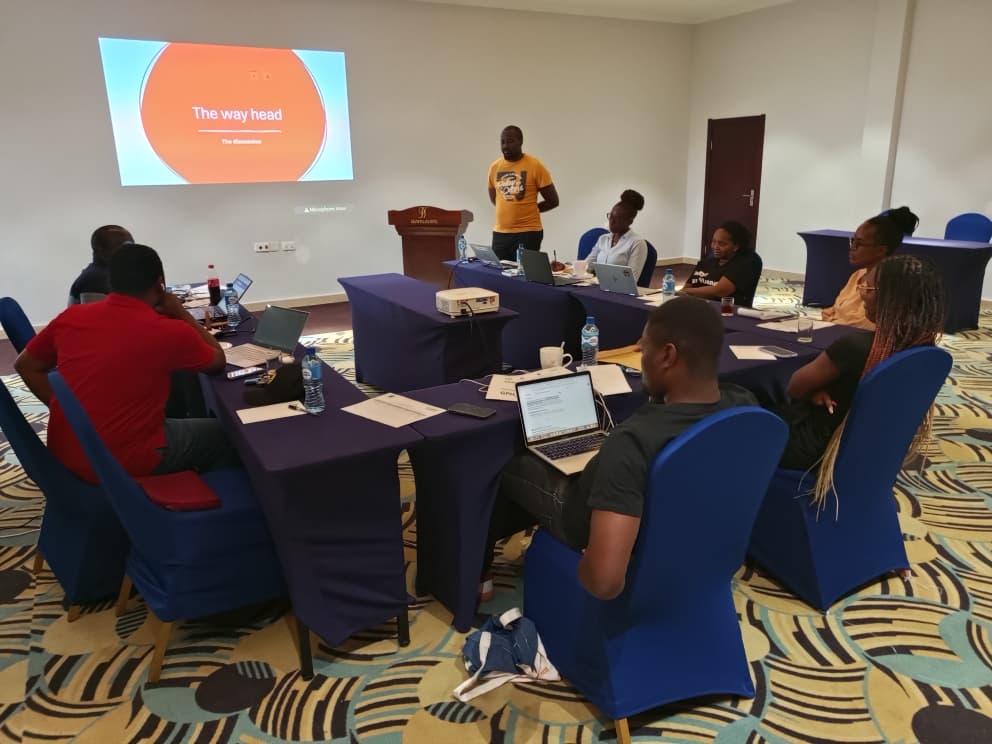
Understanding evidence and co-creating CRDPs
The Tuwe Pamoja project acknowledges the limitations of technocratic approaches to dealing with perennial flooding in the two communities and intentionally departs from such to embrace inclusive, arts-based methods for integrating evidence such as community surveys, mapping and stories on lived flood experience.
Project engagements carried out in Lusaka used storytelling, poetry, music and role-play to surface the lived experiences of residents.
Youth and women played a key role in the collaborative evidence creation, which led to requests by communities to establish what they called Community Solution Labs at the local level, where practical interventions could be identified, implemented and scaled. The call for these labs was especially strong in Kalikiliki.
Dealing with floods in Lusaka’s informal settlements
In addition to traditional infrastructure, the CRDPs explored during the Lusaka engagements included ecological interventions such as turning waste into food through composting, urban nature-based solutions, the creation of a network of green spaces, and identifying energy alternatives to charcoal.
- Kanyama: Residents prioritised flood hotspot mapping, sustainable drainage systems, and immediate low-cost measures like sandbags. While sandbags provide a degree of ‘peace of mind,’ participants acknowledged the trade-offs, as sandbags also displace water and exacerbate suffering and inequities for neighbours. Thus, more sustainable solutions are needed. Residents asked for more engagements to co-craft scalable solutions, including the need to finance adaptation and resilience at scale using local community development funds and national budget.
- Kalikiliki: The focus from residence was on increasing the capacity of informal waste collectors and exploring composting for income, improving food systems for the area, and greening the dam and the local stream. Schools and churches are being leveraged as strategic hubs for environmental stewardship and youth engagement. Residents also called for more engagements to consider nature-based solutions that create active and productive urban landscapes for the entire stream, including the dam area.
Path forward
Community engagements in Kanyama and Kalikiliki suggest that realising CRDPs requires inclusive community governance that is cognisant of the complexities in multi-level governance and often precarious livelihood systems.
Success depends on leveraging local institutions like the Ward Development Committee (WDC) and securing financial viability through the Constituency Development Fund (CDF), and the Cash for Work Programme.
By shifting from mere survival to community-driven action, Lusaka’s informal settlements are transforming climate vulnerability into an opportunity for equitable and resilient development.
In the next few months, the Lusaka project team will look to scaling engagements to co-create CRDPs and inform city government-based community development strategies including at least one local area plan for Kalikiliki.
Categories
Countries
CLARE Pillars
CLARE Themes
CLARE Topics
Published
CLARE Projects
CLARE Partners