
Highlights from the CLARE-ASEAN Research Partners’ Meeting
/
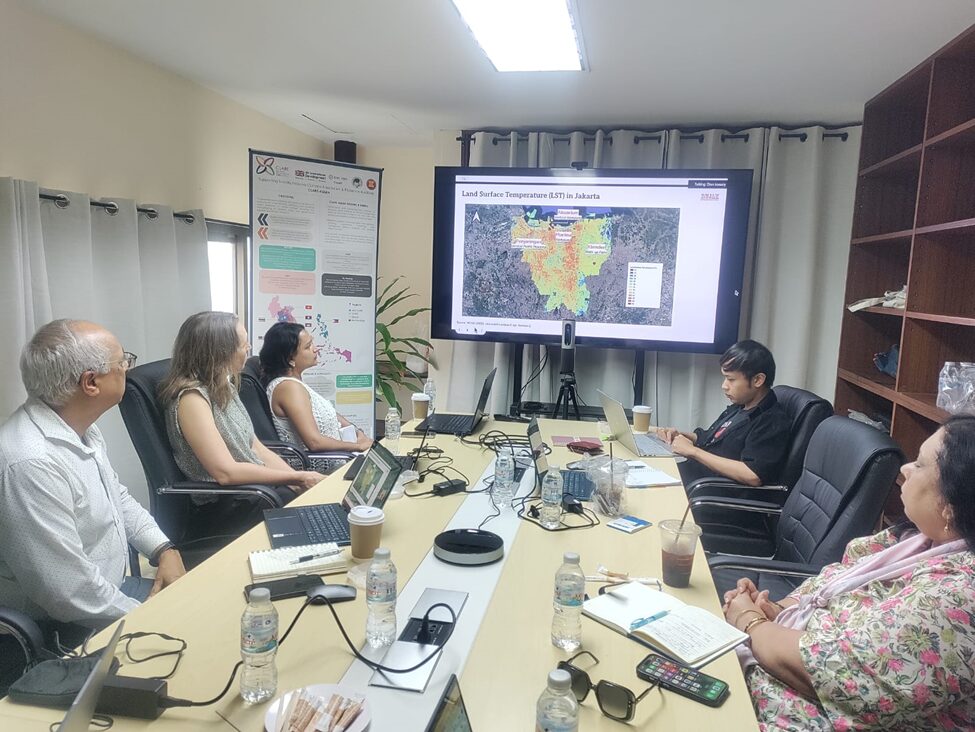
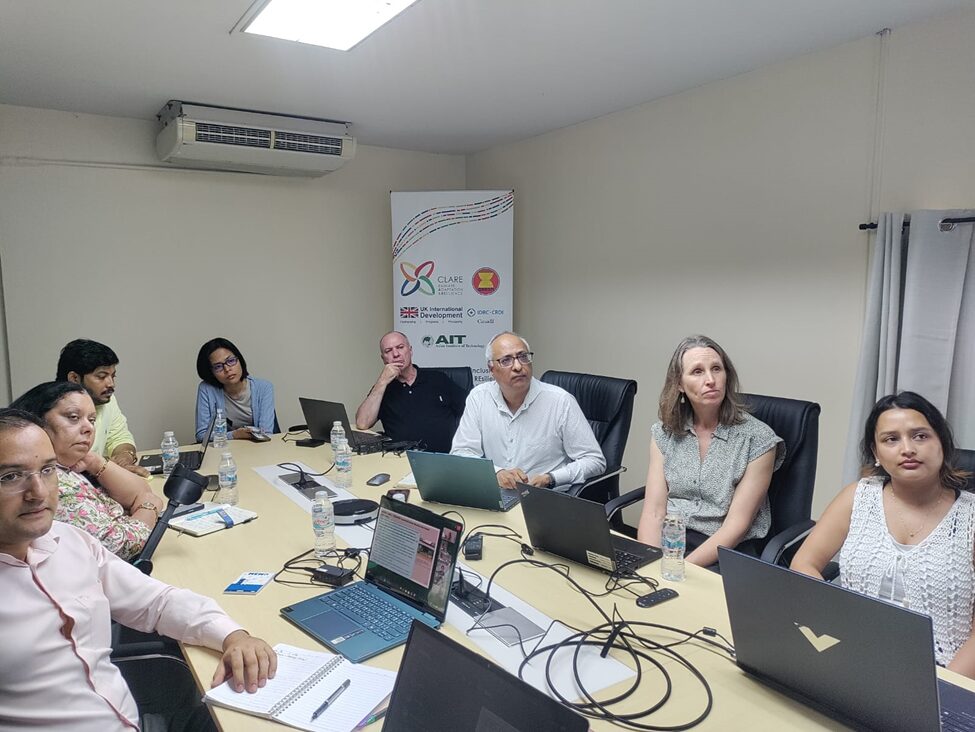
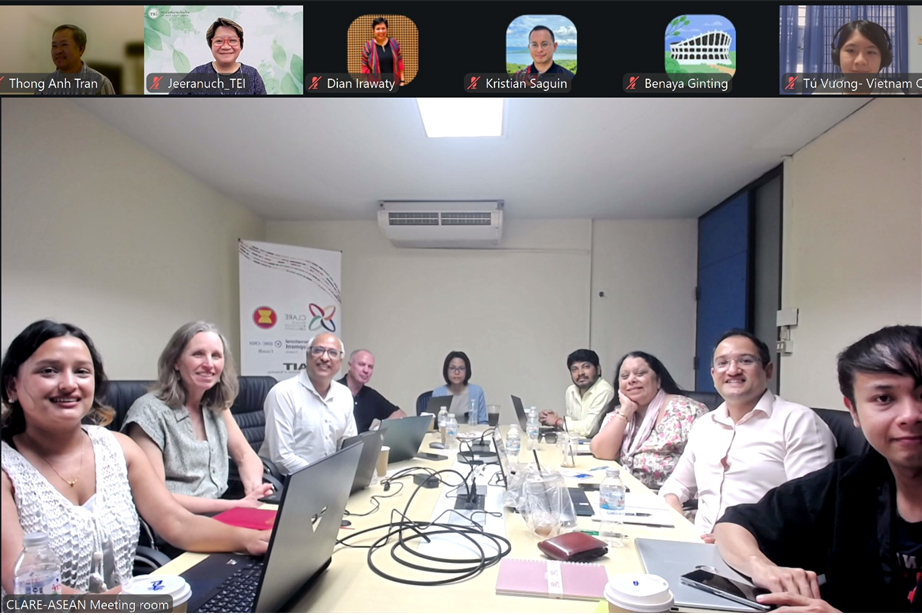
The CLARE-ASEAN initiative, “Supporting Socially Inclusive Climate Adaptation & Resilience in ASEAN”, held its Research Partners’ Meeting on 09 February 2026 to take a stock of ongoing activity and progress. The meeting brought together CLARE–ASEAN partners to share progress, align ongoing work with CLARE principles, and foster co‑learning in an interactive setting. Ms. Heidi Braun along with Dr. Bruce Currie Alder and Dr. Arjan De Haan from IDRC, also joined the meeting for insightful discussions and provided feedbacks.
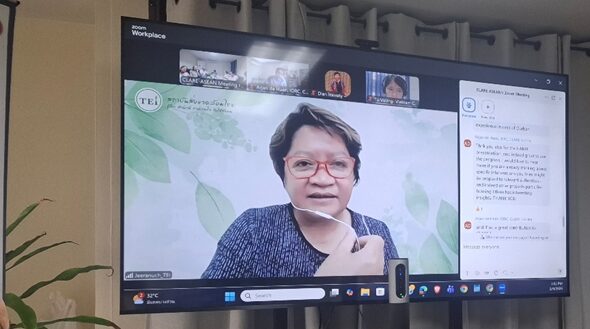
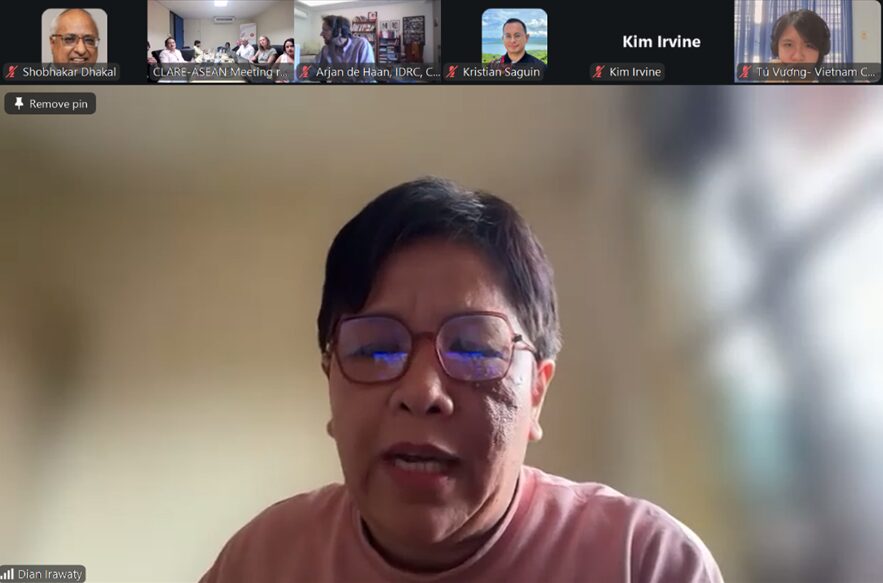
The meeting was conducted in a hybrid format, combining in‑person participation at AIT with online engagement via Zoom. AIT emphasized the importance of synergy across research teams and fostering a co‑creative research framework. Partners expressed strong enthusiasm for their work, demonstrating great momentum and commitment. During the meeting, Prof. Shobhakar Dhakal introduced the overall initiative and outlined the work carried out so far, and partners presented the progress and the outcomes till date.
As highlighted in the Research Partners’ Meeting, the CLARE-ASEAN initiative has advanced along the key dimensions:
- CLARE-ASEAN has been endorsed by ASEAN bodies, including the ASEAN Working Group on Climate Change (AWGCC), the ASEAN Senior Officials on Environment (ASOEN), and the Committee of Permanent Representatives to ASEAN (CPR) in January 2025.
- Four place‑based action research projects in 14 cities across 7 ASEAN nations are ongoing. These projects have made significant progress in project implementation and progression, with highlights including:
- Be-Housing has initiated comparative assessments of housing typologies in Indonesia and Malaysia, focusing on thermal comfort, energy use, and climate adaptation. Field surveys, architectural documentation, a typology framework, and stakeholder engagement have begun and ongoing.
- NbCLARE has launched coordinated NbS research across five countries with finalized ecosystem service indicators, site-specific monitoring (e.g., water, carbon, heat), and early engagement with marginalized communities. Policy reviews and Visual-Q assessments are underway to support inclusive NbS design and implementation.
- CAPE has conducted a quick literature review on urban climate experiments in the Global South and received ethics clearance for fieldwork in Quezon City and Can Tho. Established a gender-responsive participatory framework to map grassroots experiments, amplify community voices, and co-create living co-labs.
- HAMR has initiated heat resilience research in Nakhon Ratchasima, Phnom Penh, and Hanoi by building strategic relationships with authorities and selecting study sites based on extreme heat exposure. These efforts lay the foundation for participatory research and locally tailored adaptation strategies in the Mekong region.
- Regional synthesis of research evidence on Nature‑based Solutions, Urban Heat, Financing Adaptation and Resilience, and Urban Planning for Urban Climate Adaptation and Resilience are ongoing, aimed at generating actionable knowledge for policymakers through briefs, toolkits, and guidance materials.
- Region‑wide networking and outreach, engaging ASEAN bodies, civil society, and global platforms are ongoing. CLARE–ASEAN has actively participated in and led adaptation tracks at major regional forums such as:
- The Regional Cross-cutting Coordination Meeting (RCCM) for ASEAN Climate Change Strategic Action Plan (ACCSAP) Development held online on (4-5) August
- The ASEAN Regional Consultation Meeting (RCM) for ACCSAP Development, held in Bangkok in (19-21) August 2025, where CLARE-ASEAN along with Dr. Arjan De Haan (IDRC) co-chaired and facilitated the Adaptation track of the deliverables and stakeholder input process. CLARE-ASEAN also shared insights from CLARE’s locally-led initiatives across seven ASEAN countries.
- Asia-Pacific Climate Change Adaptation Forum (APAN Forum) in October 2025, where CLARE-ASEAN co-convened a flagship session titled “Enablers and Barriers to Transformational Adaptation.” The session showcased CLARE’s inclusive, co-created approaches and emphasized the importance of systems thinking, local partnerships, and trust-building. CLARE-ASEAN PI Prof. Dhakal delivered a keynote address during Plenary 3 of the APAN Forum, positioning CLARE-ASEAN as a regional model for transformative adaptation.
- The Community Resilience Partnership Programme (CRPP) Partnership Forum, which took place on 24-25 February 2026 in Bangkok.
- Looking ahead, CLARE-ASEAN will also contribute to the 20th International Conference on Community‑Based Adaptation (CBA20), scheduled to take place in Manila, Philippines, from 11-14 May 2026.
As a whole, the CLARE-ASEAN initiative is paying special attentions to engage co-creation, interaction and participation from ASEAN Member States, local governments and civil society organizations (CSOs) to further strengthen the work, ensuring that the research remains grounded in local realities.
The CLARE-ASEAN Research Partners’ Meeting fostered a collaborative learning environment where participants exchanged insights and experiences. Ms. Heidi Braun highlighted the importance of networking and collaboration across CLARE projects with related themes, encouraging knowledge sharing and mutual learning. She also discussed developing approaches to distill key messages and outcomes that would be common and cross-cutting within the CLARE community.
The meeting reinforced the shared commitment of CLARE–ASEAN partners to advancing socially inclusive climate adaptation through place-based, action-oriented, and hazard-agnostic approaches. Collaborative learning remained central, with ASEAN Member States, local governments, and civil society organizations actively contributing to discussions and shaping outcomes. This broad participation ensures the initiative stays grounded in local realities while strengthening regional resilience and inclusive futures.
Categories
Countries
CLARE Pillars
CLARE Themes
CLARE Topics
Published
CLARE Projects
CLARE Partners