
Influencing policy in Nigeria by linking climate change, soil health and food security
/
“The state of our soils directly impacts our ability to feed a growing global population, adapt to a changing climate, and mitigate its effects.”
– Dr Salisu Dahiru, Director General, National Council on Climate Change, Nigeria
Nigeria’s President Bola Tinubu declared a state of emergency on food security in July 2023, to tackle rising food prices and shortages. In response, the CLARE Research for Impact (R4I) Hub Opportunities Fund awarded its pilot project, the Nigeria Soil Restoration Project.
The project aimed to address the country’s adaptation and resilience to climate change by providing technical expertise, as well as drawing on research and evidence from countries in the West African Region on soil health to support climate-resilient agricultural practices, highlighting the links between climate change, soil health and food insecurity.
From research to action
“We have to secure our soil through positive productive practices, not actions that go to degrade the soil, because once the soil is degraded you can no longer get food from there.”
– Samuel Onuigbo, Chairman, Security, Climate Change and Special Interventions, North East Development Commission (NEDC), Nigeria
While often overlooked in the climate space, soil health is a crucial contributor to food security. Between October and November 2023, the R4I Opportunities Fund enabled the Nigeria Climate-Smart Soil Project to join forces with SouthSouthNorth’s (SSN) African Climate Action Partnership (AfCAP) programme.
The goal was to collectively support the country’s National Council on Climate Change Capacity Building (NCCCCB) in implementing climate-smart soil health practices to ensure climate resilience in Nigeria’s food systems.
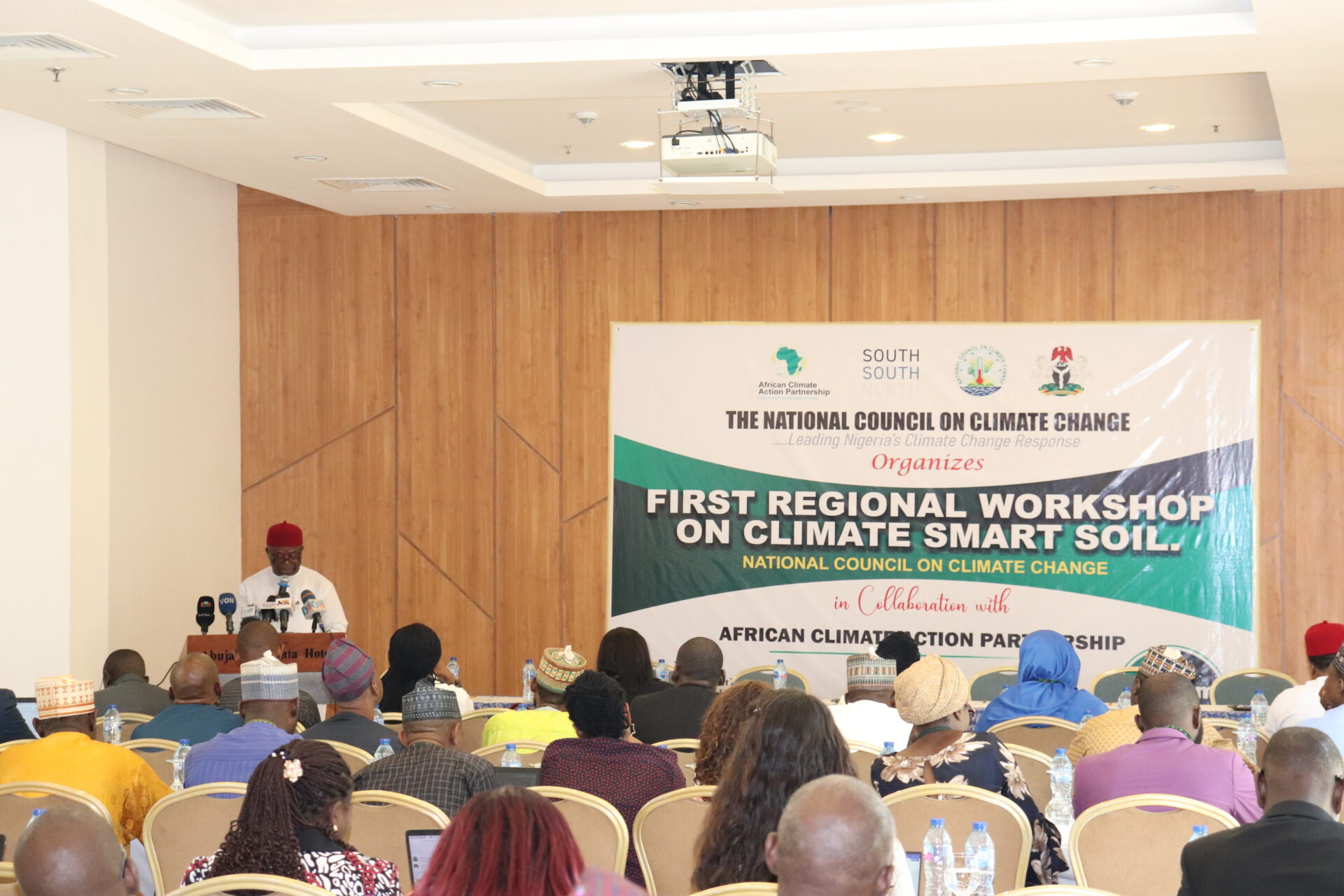
This involved a two-day workshop hosting a range of essential stakeholders, including scientists, researchers, policymakers, and practitioners who contributed their expertise and innovative approaches to maintaining soil health.
The collaboration of such a wide range of stakeholders was particularly valuable in galvanising efforts towards ensuring adoption by policy makers.
“The collective expertise, creativity and commitment for change is essential for fostering and embracing innovative measures that can transform Nigeria’s agricultural systems to ensure food security and be resilient against climate change.”
– Hon. Chris Nkwonta, Chairman, House of Representatives Committee on Climate Change, Nigeria
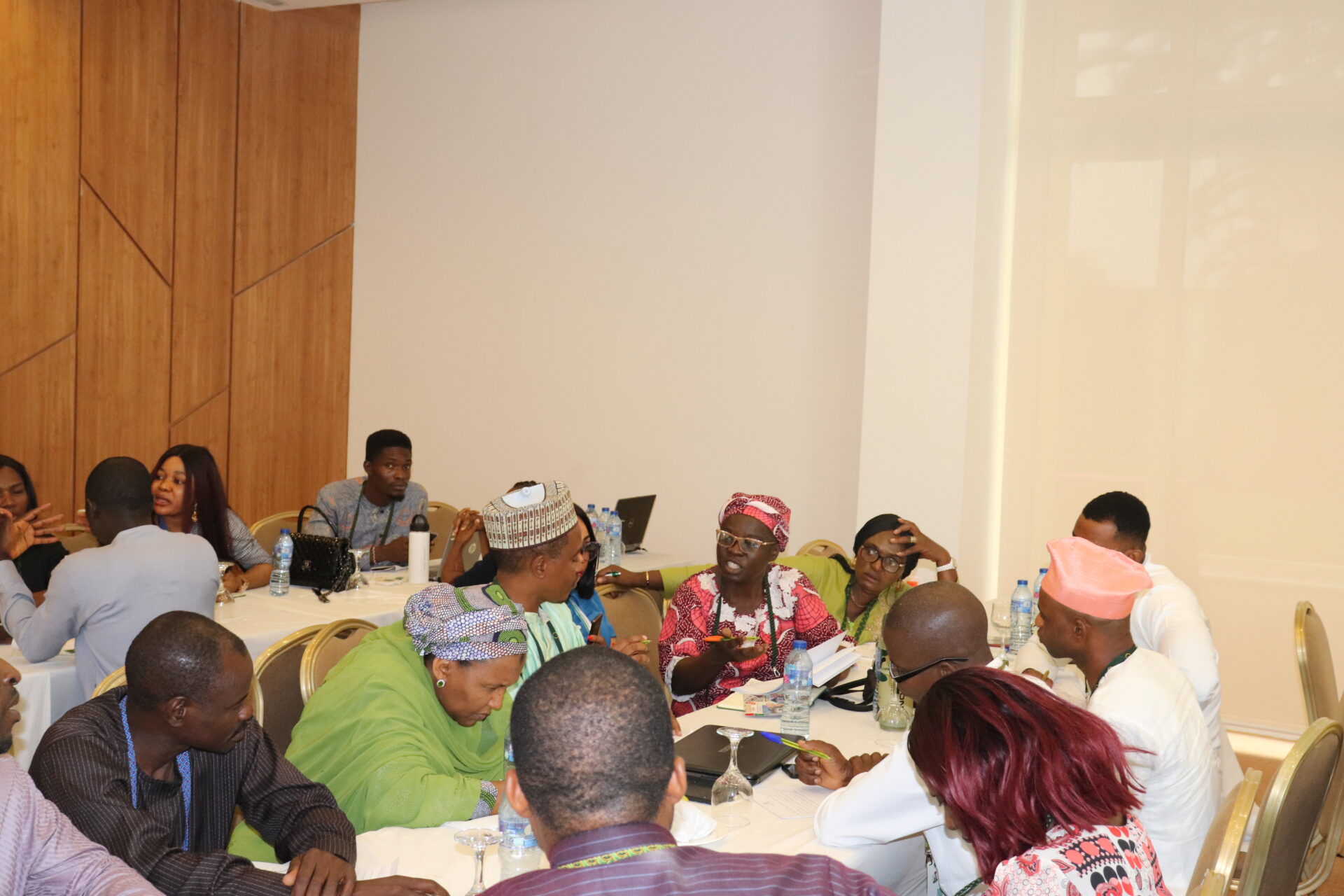
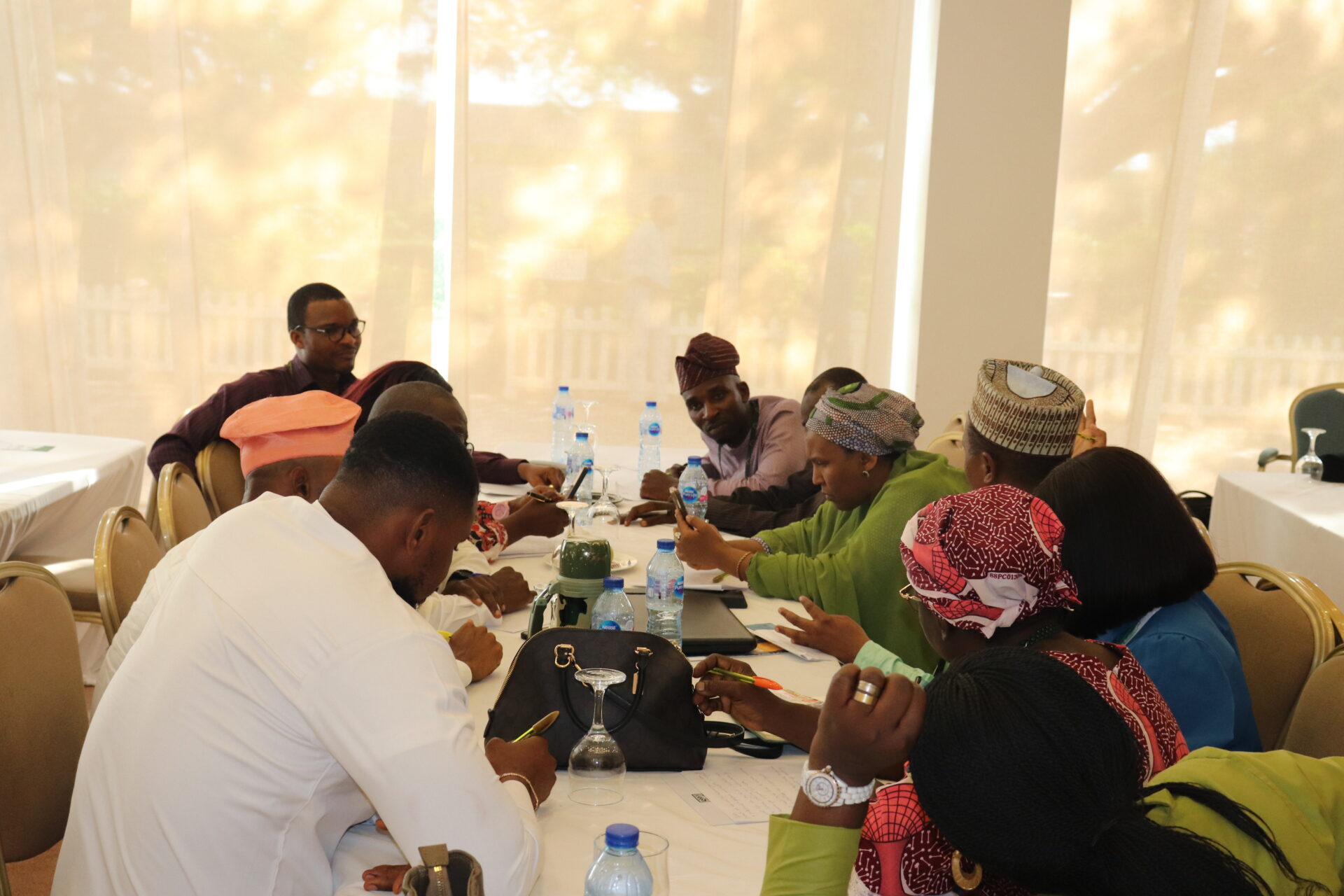
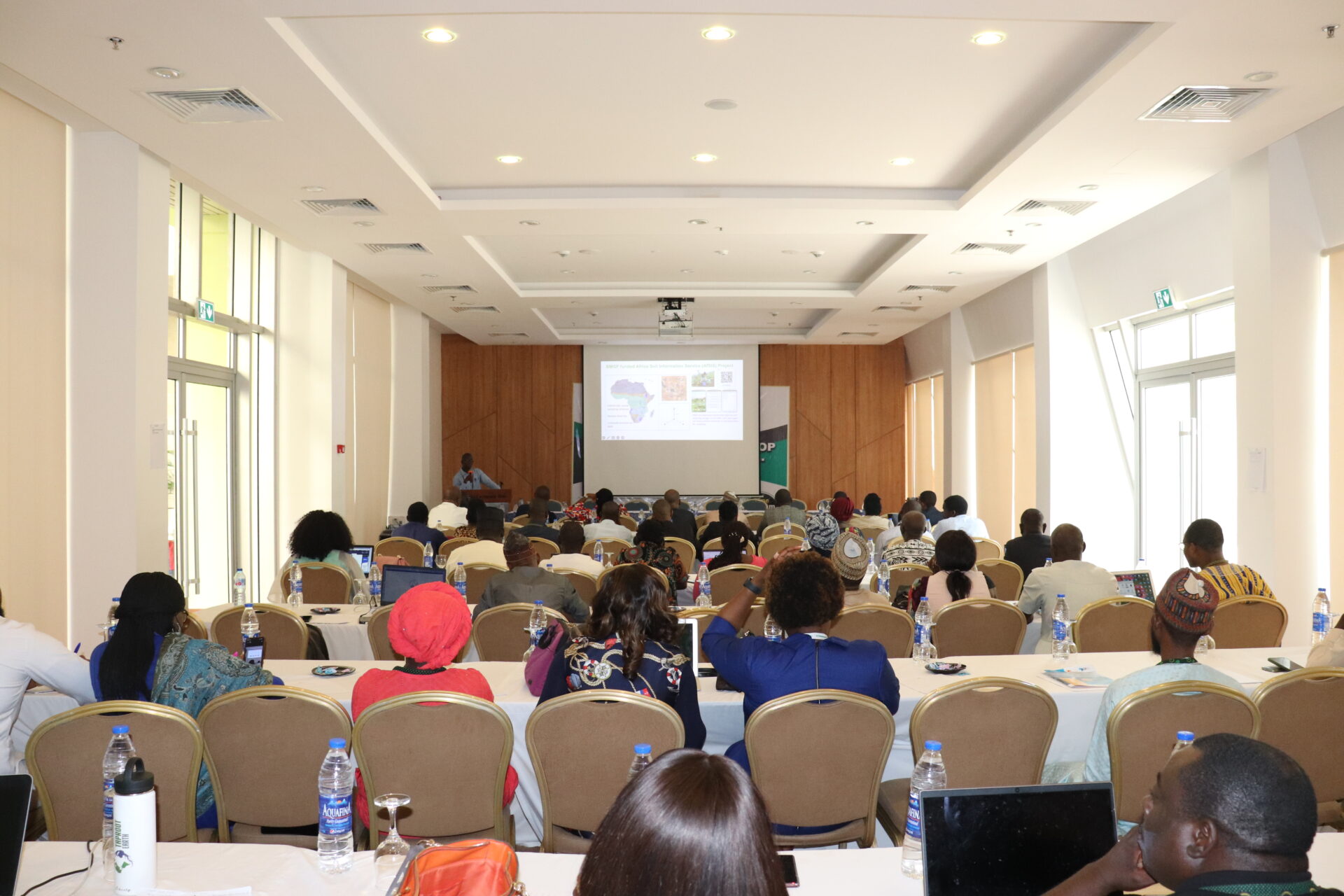
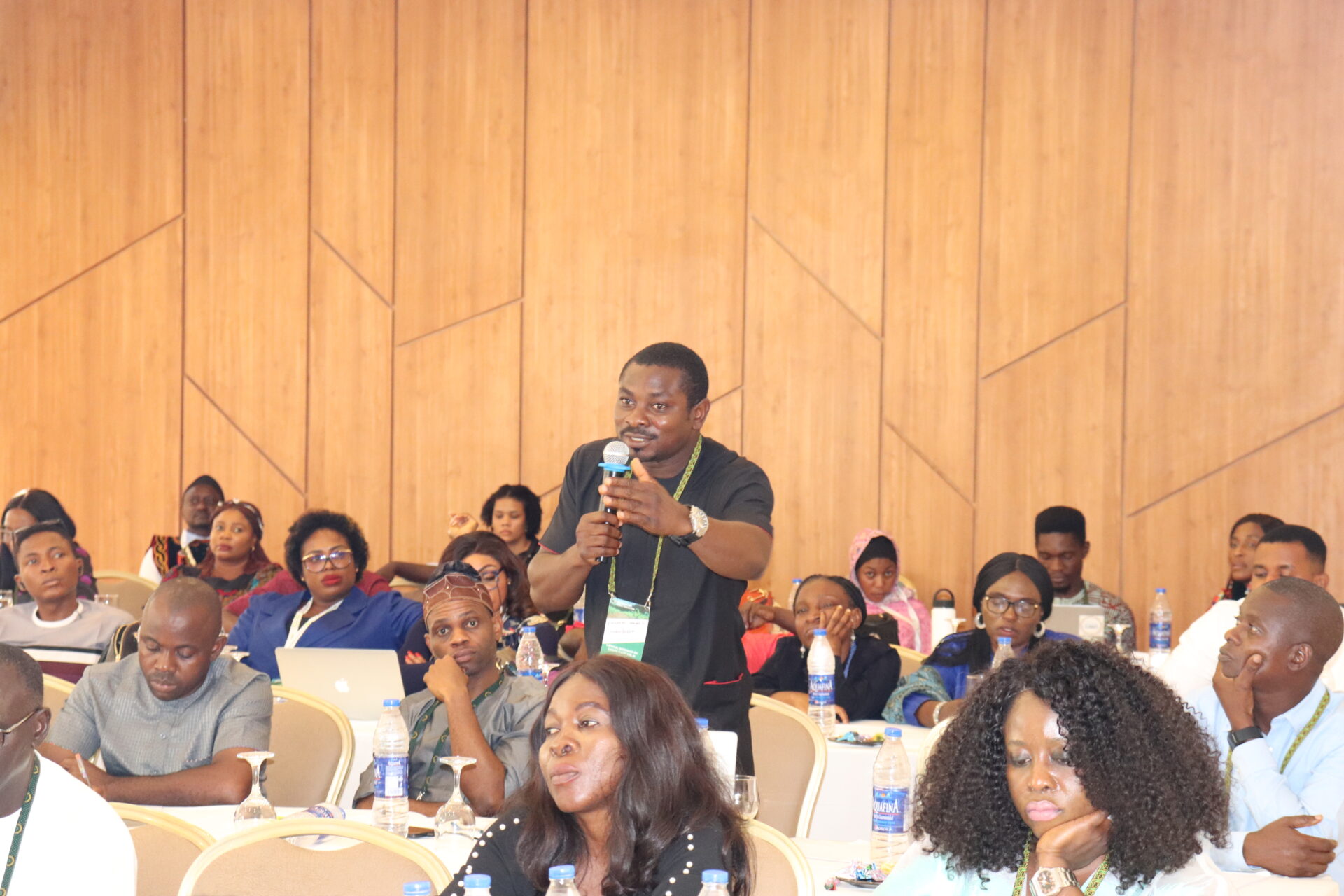
Delegates discussing soil action needs during Regional Soil Workshop in Abuja, Nigeria. Credit: AfCAP / SSN2023
Actions and recommendations
The Nigeria Climate-Smart Soil Project workshop provided clear actions and recommendations drawing on existing data and expertise from the Central and West African regions to inform Nigeria’s response to food security.
Zeroing in on the potential of climate-smart agricultural practices, CLARE brought together line Ministries, Departments and Agencies (MDAs) to support the National Council on Climate Change and Capacity Building (NCCCCB)’s response to the 2023 state of emergency on food security in Nigeria. This intervention specifically aimed to bridge the gap identified between the government’s approach to the crisis and the importance of soil health and climate change.
The workshop received extensive media coverage in Nigeria, including feature stories from the country’s leading media outlets. Other outcomes included the development of a Technical Working Group to support the development a National Action Plan for Soil Health (in part based on workshop recommendations).
The project also produced a Climate Smart Soil Health Practices recommendations report for policy makers. Read the report here.
Soil health in Africa:
With over 60% of Africans expected to rely on agriculture for income generation in 2026, healthy soil is particularly crucial for food security in the Global South.
As soil health is increasingly prioritised by government bodies in Africa such as the 2025 African Union Commission (AUC)’s 100-day plan including transformational soil health priorities – projects like these are crucial in contributing to greater climate resilience and food security systems.
By supporting the Nigeria Soil Restoration Project, the CLARE R4I Opportunities Fund was instrumental in contributing towards sustainable and equitable economic and social development in Nigeria’s changing climate.
Categories
Countries
CLARE Pillars
CLARE Themes
CLARE Topics
Published
CLARE Projects
CLARE Partners