
Introducing the CLARE-ASEAN action-research portfolio
/
The ASEAN region is undergoing a period of unprecedented change, characterized by rapid economic development, accelerating urbanisation, and increasing cultural and economic integration (ASEAN State of Climate Change Report). By 2030, ASEAN’s economy is projected to become the world’s fourth largest economy; by 2040, its population is expected to reach 770 million.
With change comes challenges – ASEAN Member States (AMS) are considered highly vulnerable to climate change impacts, making climate adaptation a critical regional priority.
Launched in June 2025, the CLARE-ASEAN initiative responds to the pressing need for new knowledge and enhanced research capacity to understand, identify, and enable urban resilience in the ASEAN region.
CLARE-ASEAN supports multi-country collaboration and knowledge sharing through a cohort of four place-based, action-research projects, selected through an open call for proposals.
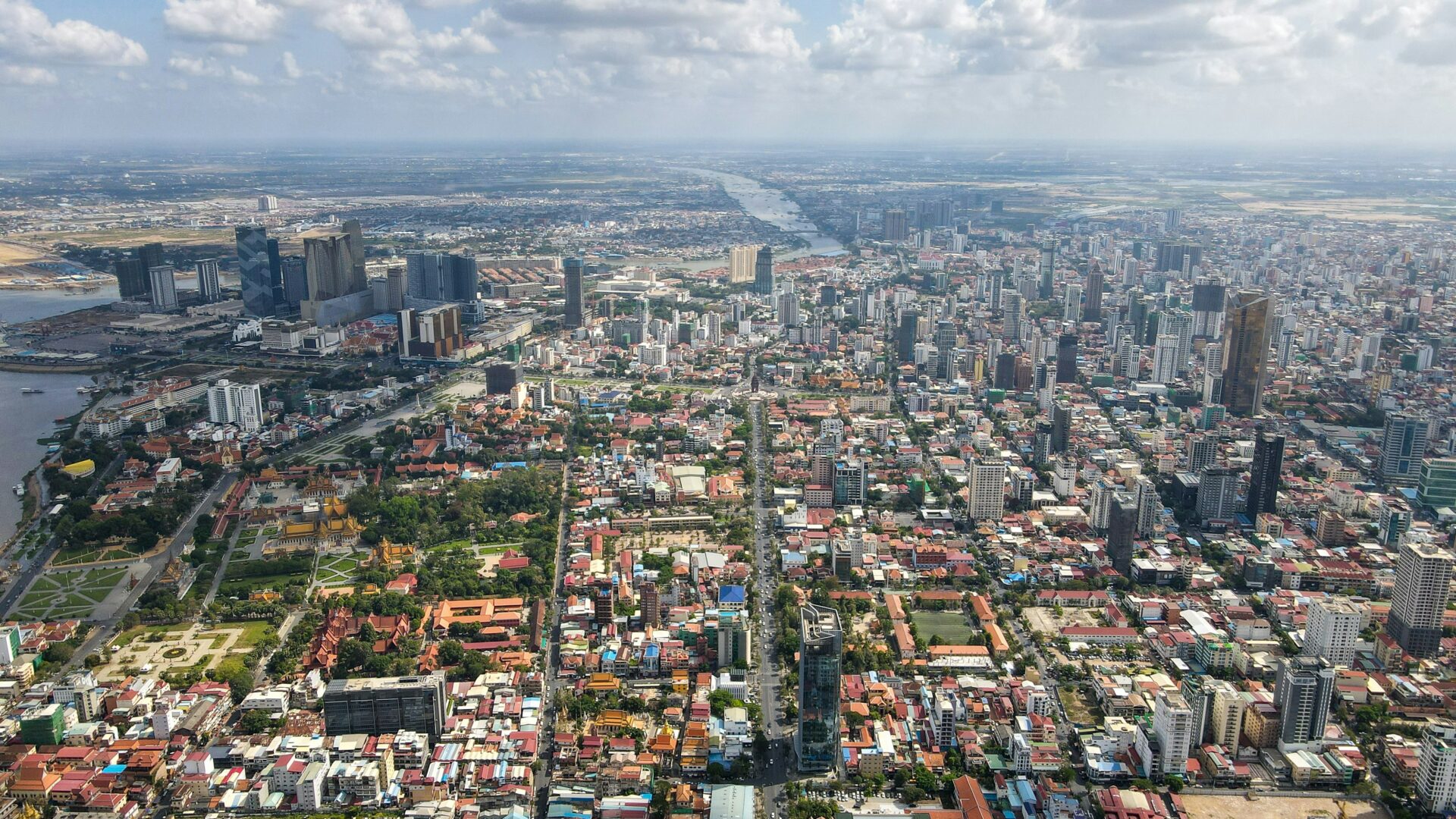
These projects span across seven ASEAN countries and fourteen cities, covering diverse urban contexts – including coastal cities and cities facing high urban heat extremes – while working closely with vulnerable sectors and communities.
Each project is active in engaging with stakeholders, involving AMS representatives, and ensuring that research outcomes are both inclusive and policy relevant.
These projects are:
- Beyond Housing Types: Comparative Study of Urban Poor Settlements for Urban Heat Adaptation and Inclusive Urban Future in South-East Asia Countries (Be-Housing), which explores urban poor settlements in Indonesia and Malaysia to understand urban heat and suggest heat mitigation options in different housing typologies.
- Nature-Based Solutions for Climate Adaptation and Resilience: A Framework to Enhance Design and Implementation of Nature-based Solutions through Integration of Evidence-Based Practices and Policies (NbCLARE), which is working to create practical guidelines for how Nature-based Solutions can be more effectively designed and implemented in selected ASEAN cities.
- Heat Adaptation in the Mekong Region: Bridging Science, Policy, and Sustainable Design in Thailand, Cambodia and Vietnam (HAMR), which is developing evidence-based and inclusive strategies to reduce urban heat risks in Nakhon Ratchasima, Phnom Penh, and Hanoi.
- Climate Action and Participatory Experiments: Climate Action and Participatory Experiments for Urban Resilience in the Philippines and Vietnam (CAPE), which aims to advance understanding of grassroot led urban climate experimentation in Southeast Asia, with focus on Quezon City and Can Tho.
Each of the four projects are generating high-quality, action-oriented evidence and scalable solutions through a process of co-creation with local stakeholders.
Together, these projects and the broader CLARE-ASEAN initiative are driving inclusive, sustainable urban resilience across the ASEAN region.
Categories
Countries
CLARE Pillars
CLARE Themes
CLARE Topics
Published
CLARE Projects
CLARE Partners