
Meet the people behind RECOVER
/
Across Seychelles, Mauritius, the Maldives, and Canada, more than 60 team members have contributed to the project through partnerships with Sustainability for Seychelles (S4S), the University of Mauritius, the Maldives National University, and the University of Waterloo.
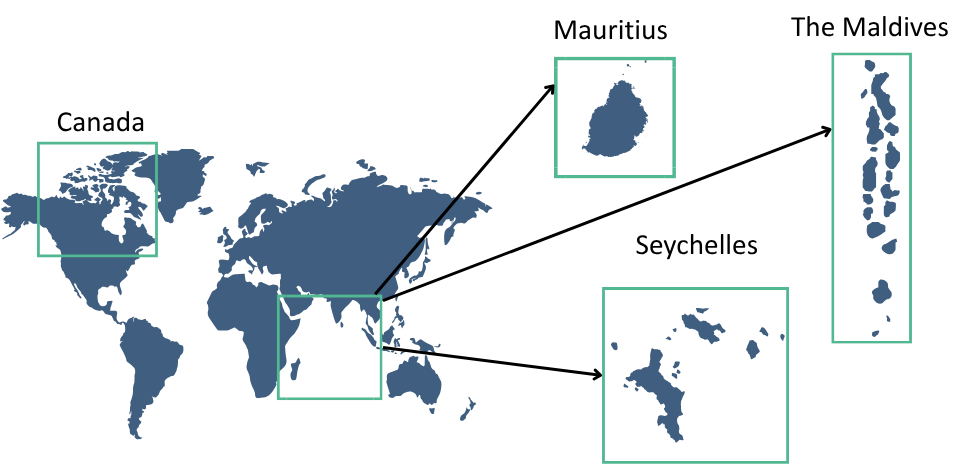
From early career researchers and senior scholars to consultants and support staff, RECOVER is driven by a diverse and collaborative network of experts. Early career researchers make over 50% of the team (33) and women make approximately 45%, reflecting the project’s investment in inclusive and southern leadership.
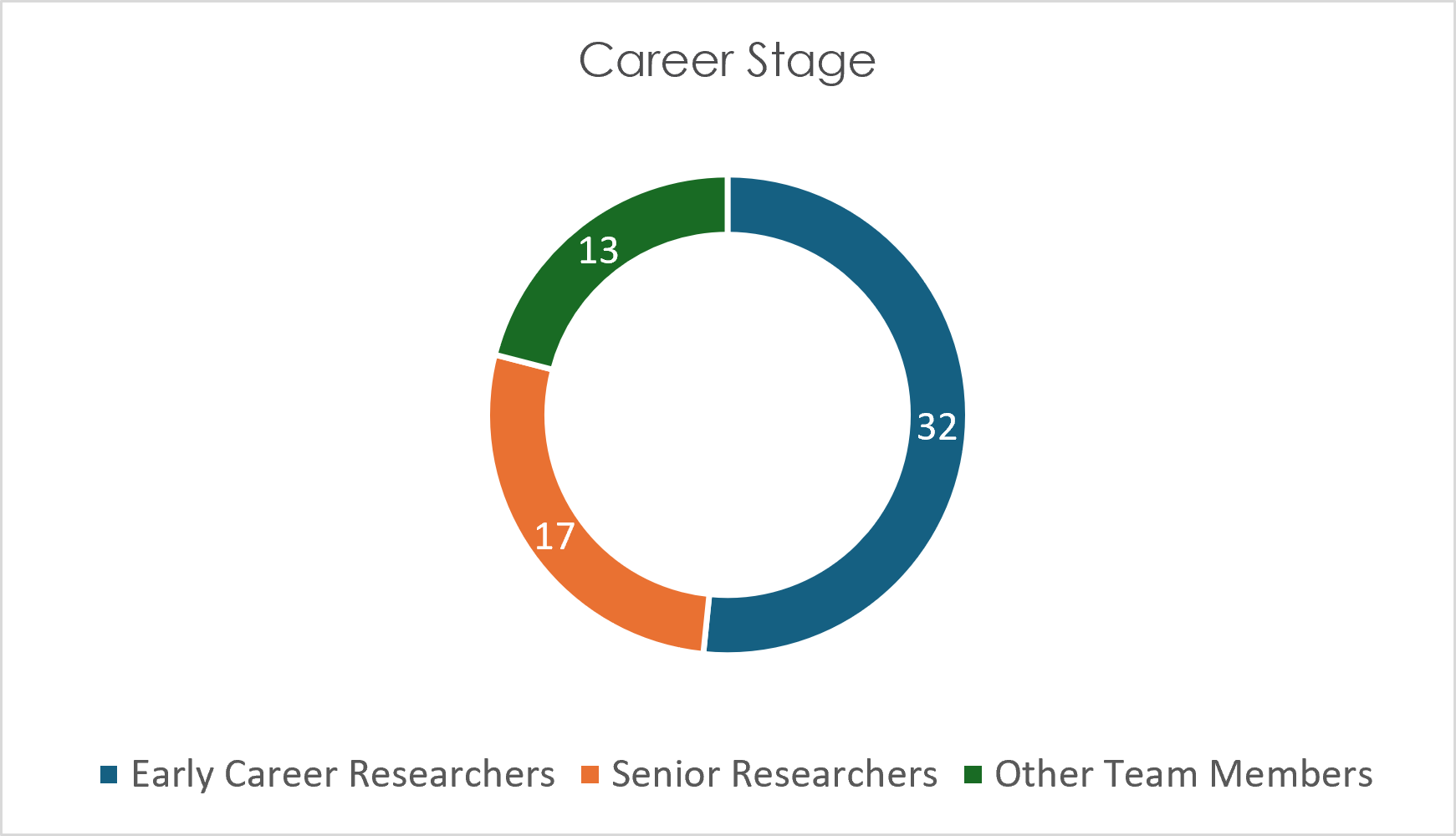
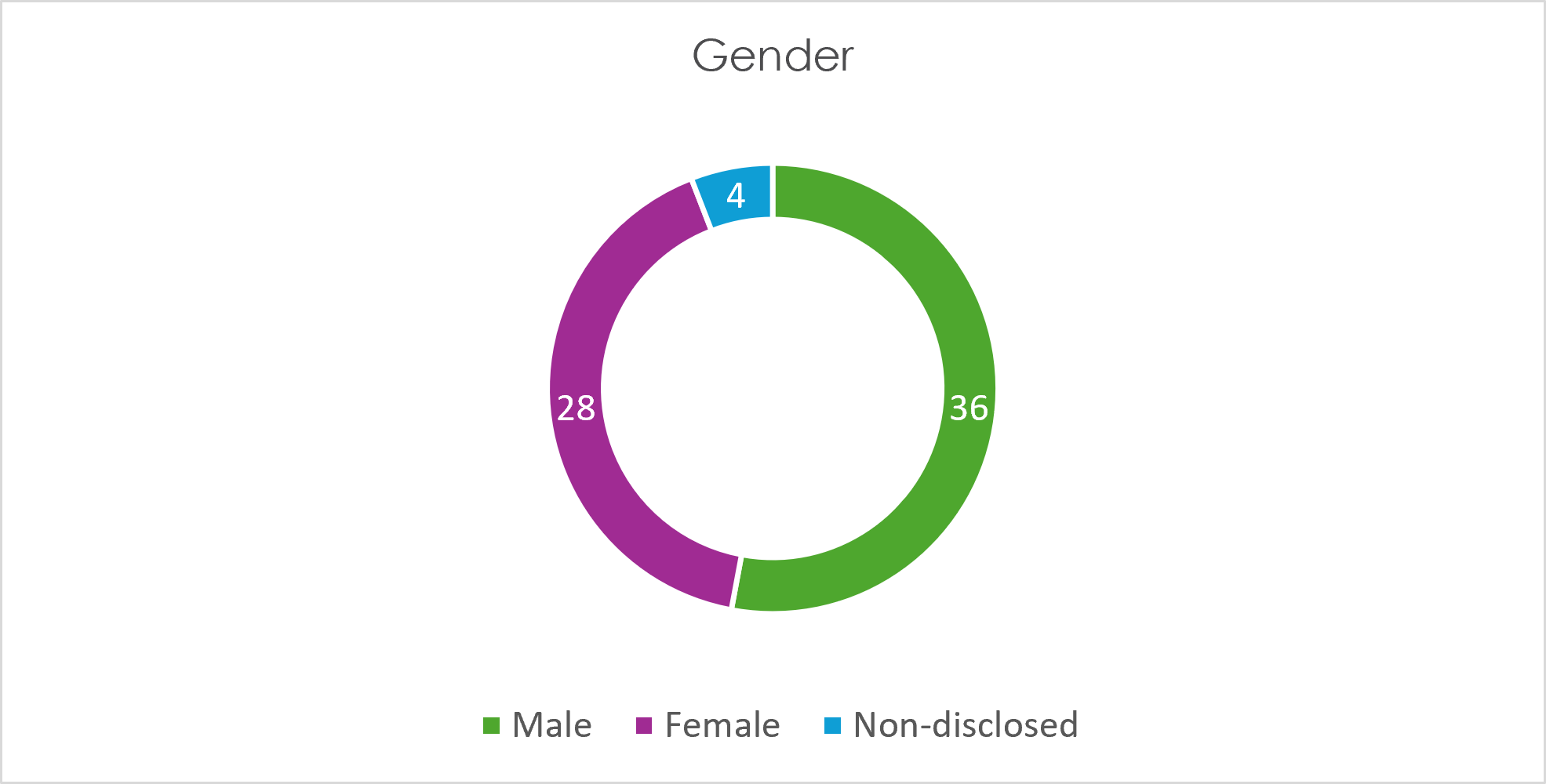
RECOVER is powered by people with diverse experiences, expertise, and perspectives. In addition to highlighting team members from each partner country, we invited them to share their own reflections on working with RECOVER, along with a few fun facts about themselves and their island nations, cities, or countries. The profiles below introduce each individual in their professional capacity, while their insights and stories offer a more personal glimpse into the people behind the project.
SEYCHELLES – Sustainability for Seychelles (S4S)
Iris Carolus
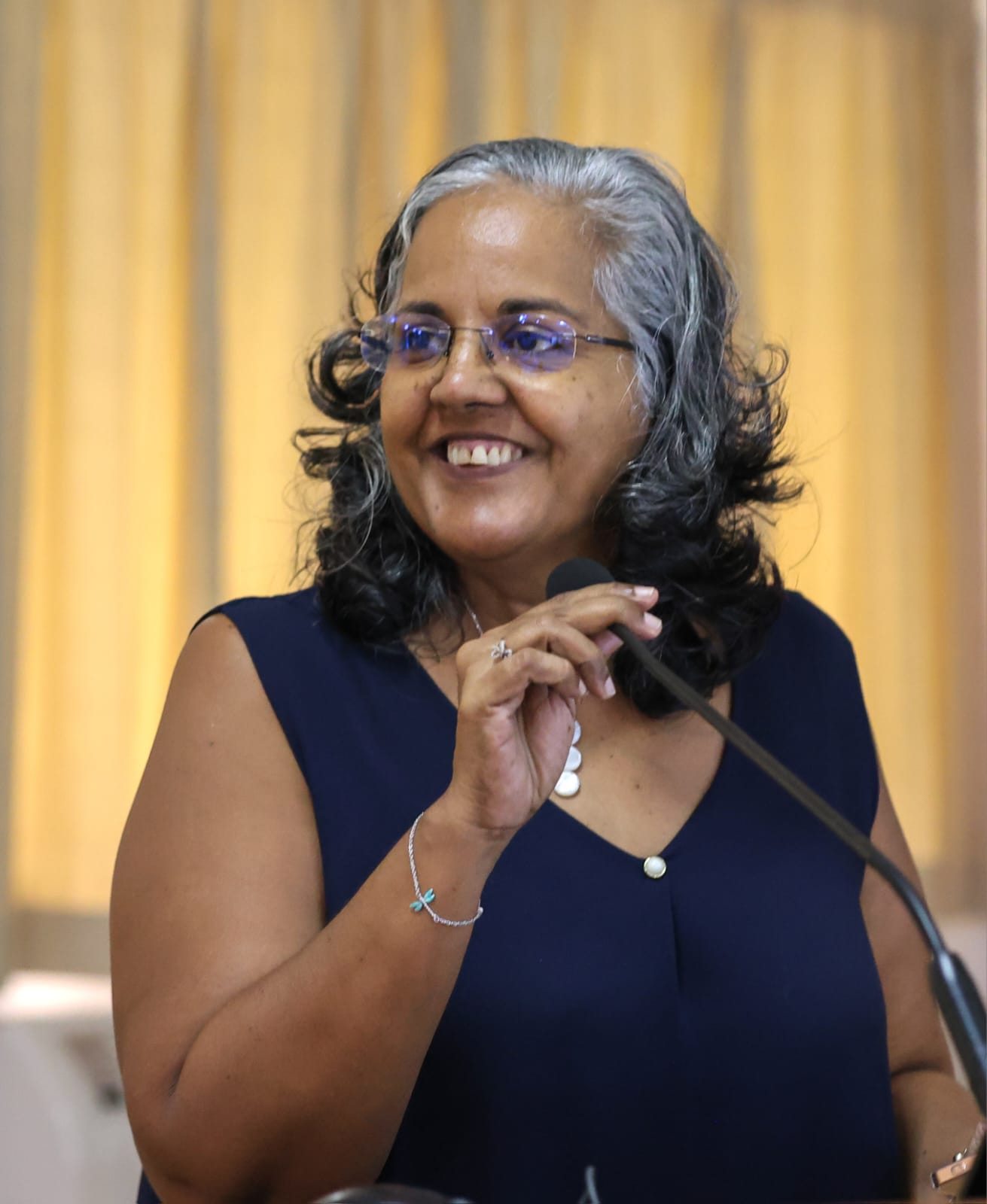
Iris Carolus holds a Bachelor of Laws and a Masters of Law in Environmental Law and Management, both from the University of Wales in Aberystwyth. She is a consultant with 28 years of experience working in Environmental Law and Policy. She is also a founding member of Sustainability for Seychelles (S4S), a Seychelles environmental NGO focused on sustainable living. Within S4S, she focuses on project writing, waste and climate projects, and stakeholder engagement. She heads the Seychelles RECOVER project team.
An insight gained from RECOVER:
The most treasured memory I will take away from the RECOVER experience is the close bond we have formed as a team locally. Working closely together, supporting each other. The working relationship we have developed is one of the greatest assets S4S has for its future engagements.
Fun fact / hidden skill / something you enjoy doing in your spare time:
I find my sanity at the beach, in the sea. Vitamin Sea soothes the soul!
Fun fact about your country/city that people may not know:
Seychelles is an archipelago of 115 islands. I have only visited 15 so far, with 100 more to go!
Sylvanna Antha
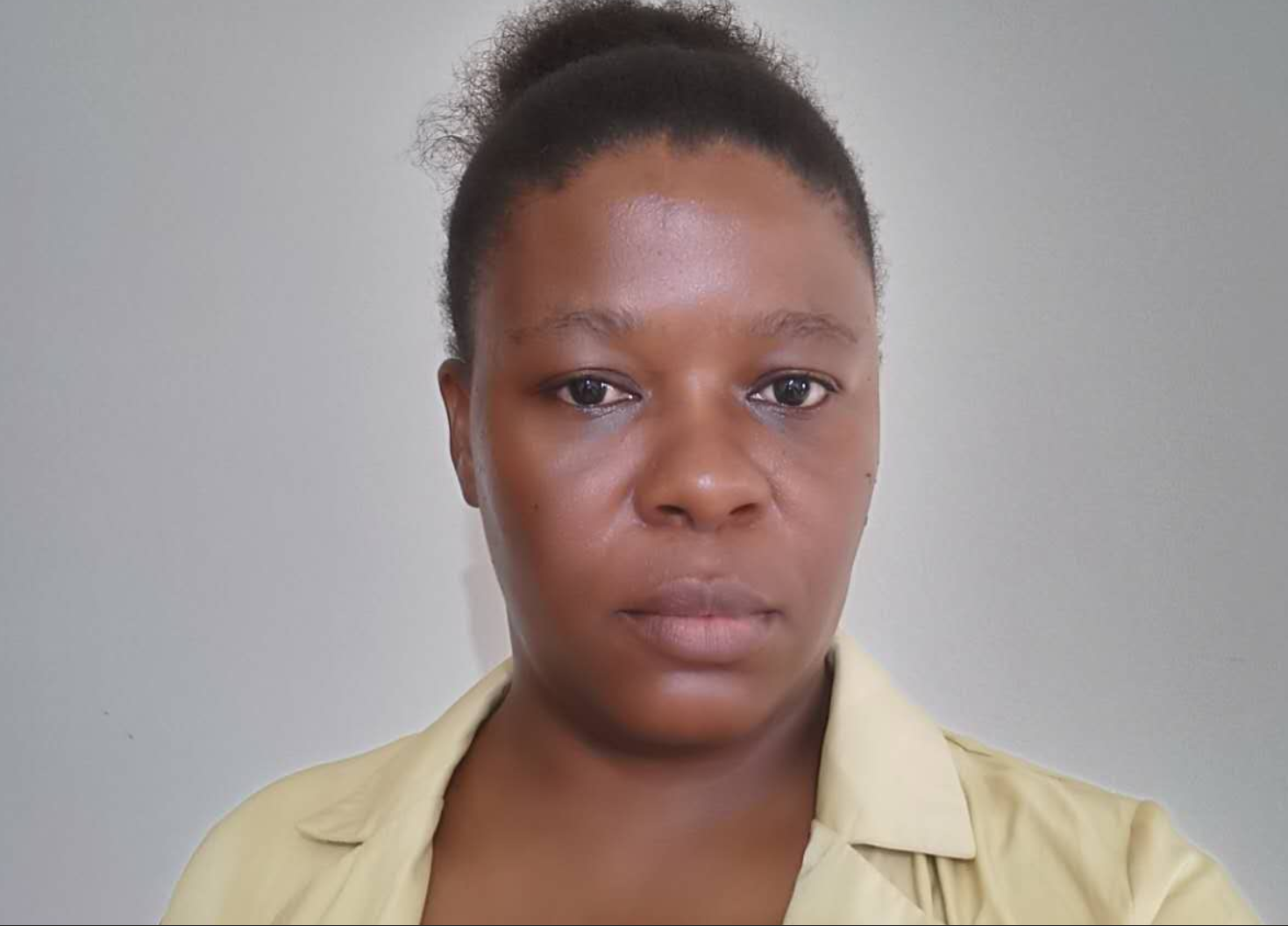
Sylvanna Antha is a social scientist and conservation leader from Seychelles with experience in marine protected area management, blue economy development, policy development, stakeholder engagement, and capacity building. She holds a MPhil in Conservation Leadership from the University of Cambridge and a Bachelor of Environmental Studies from James Cook University, Australia. She serves as Co-Chair of the Ocean Knowledge Action Network and is the Vice-Chair of the Seychelles Environment Appeals Board. She is a Zoological Society of London EDGE Fellow, a Mandela Washington Fellow for Young Africa Leaders, and a Women for Environment (WE Africa) Fellow. As a consultant for the RECOVER project, Sylvanna leads the policy development on single-use plastics and styrofoam packaging, conducting literature reviews, stakeholder consultations, and preparing a policy brief for the Government of Seychelles. Her work integrates climate adaptation, social justice, and circular economy principles to address plastic pollution as a threat multiplier for small island developing states.
An insight gained from RECOVER:
The most striking insight from RECOVER was how persistently health impacts surfaced in every stakeholder engagement yet remained entirely absent from formal policy discussions. Across workshops with technicians, tourism representatives, and Principal Secretaries, participants repeatedly raised concerns about microplastics in seafood, chemical leaching from food packaging, and the health risks of open burning of plastics, all while acknowledging that these issues are not part of the mainstream policy conversation. This revealed that health is the missing pillar in Seychelles’ plastic policy framework. Going forward, any effective SUP strategy must actively engage the Ministry of Health and place human well-being at its centre.
Fun fact / hidden skill / something you enjoy doing in your spare time:
I am a certified scientific diver and have spent countless hours underwater monitoring coral reefs and macro-invertebrates. In my spare time, I enjoy learning about history and historical events across different eras, and I am especially fascinated by changes in world politics and the arms race (1940’s to early 90s).
Fun fact about your island/country that people may not know:
Seychelles operates a mixed jurisdiction legal system that blends both French civil law and British common law and reflects its colonial history. This means that while criminal law follows the British model, property and family law retain strong French influences, including remnants of the Napoleonic Code.
Shannon Surman
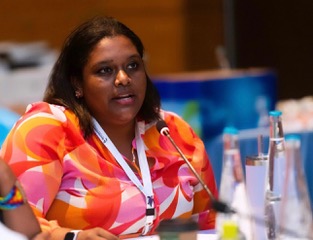
Shannon Surman is a research and policy consultant based in Seychelles, holding a Bachelor of Arts (Hons) in Politics and International Relations from Queen Mary University of London. She has also participated in various trainings in climate diplomacy, strategy and M&E (CPA) and adaptation research through the CLARE Capacity Strengthening Hub. She has been involved in different initiatives and projects across environmental conservation, ocean governance, and social inclusion. Within the RECOVER project implemented in Seychelles by Sustainability for Seychelles, Shannon assists with local stakeholder consultations and community engagement working directly with fishers, the elderly, and community groups. She also handles elements of communication having written a press article for the project, developing social media content, as well as website content keeping partners and the public informed of RECOVER’s progress in Seychelles.
An insight gained from RECOVER:
Engaging directly with members of the fishing community of different districts on Mahé was one of my highlights of the RECOVER project. Having the experienced fishers regale us with tales of changing coastlines, traditional fishing methods, and their experiences at sea was a breath of fresh air. I enjoyed hearing the fishers’ insights on single-use plastic pollution. The experience truly deepened my understanding and appreciation of my country’s history and culture through the lens of an extremely important stakeholder group.
Fun fact / hidden skill / something you enjoy doing in your spare time:
I deeply enjoy singing and having impromptu living room concerts with my family members as the audience.
Fun fact about your island/country that people may not know:
The Seychelles granitic islands are the oldest oceanic islands on Earth.
MAURITIUS – University of Mauritius
Mahendra Gooroochurn, PhD
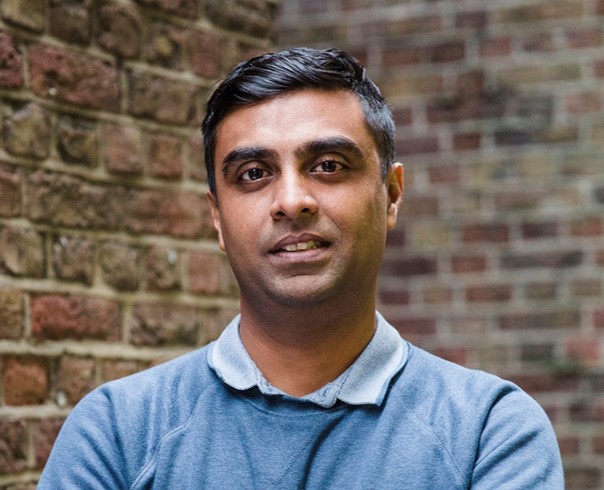
Dr. Mahendra Gooroochurn works as Associate Professor in the Mechanical & Production Engineering Department of the University of Mauritius. He is a Chartered Engineer registered with the Engineering Council of UK, an accredited green building design and construction professional registered with the USGBC and the International Finance Corporation (IFC). He has research interest in developing intelligent, automated systems for promoting climate resilience and sustainability in the built environment. He has a strong motivation to empower the youth and communities for co-creating sustainable solutions, through low-cost, practical measures. In this respect, he has been working with schools, colleges and communities using the circular homes concept he has developed.
An insight gained from RECOVER:
The crucial role of data to be able to make impactful decisions has carried a memorable importance for me in RECOVER. Working with communities to better their livelihoods through real-world labs involved collecting feedback from them on how they feel in their homes, and backed with sensor measurements served as a powerful basis to design interventions. Moreover, the use of GIS datasets derived from satellite technology was yet another transformative moment, allowing to tap into a resource that carries so much high-level information. In essence, combining grassroots and high-level data provided a unique blend to guide impactful research.
Fun fact / hidden skill / something you enjoy doing in your spare time:
In the rapid pace of our modern lifestyle, I really value the opportunity of actually doing nothing! And in those rare opportunities to sit back and reflect, I really cherish looking at the beauty and richness each human and non-human as well as non-life forms offers.
Fun fact about your island/country that people may not know:
Mauritius is so rich in its cultural heritage based on its history that whenever I travel abroad, I see Mauritians everywhere! This is possibly why the local population is known for its hospitality and belonging.
Kashita Allagapen Sooprayen
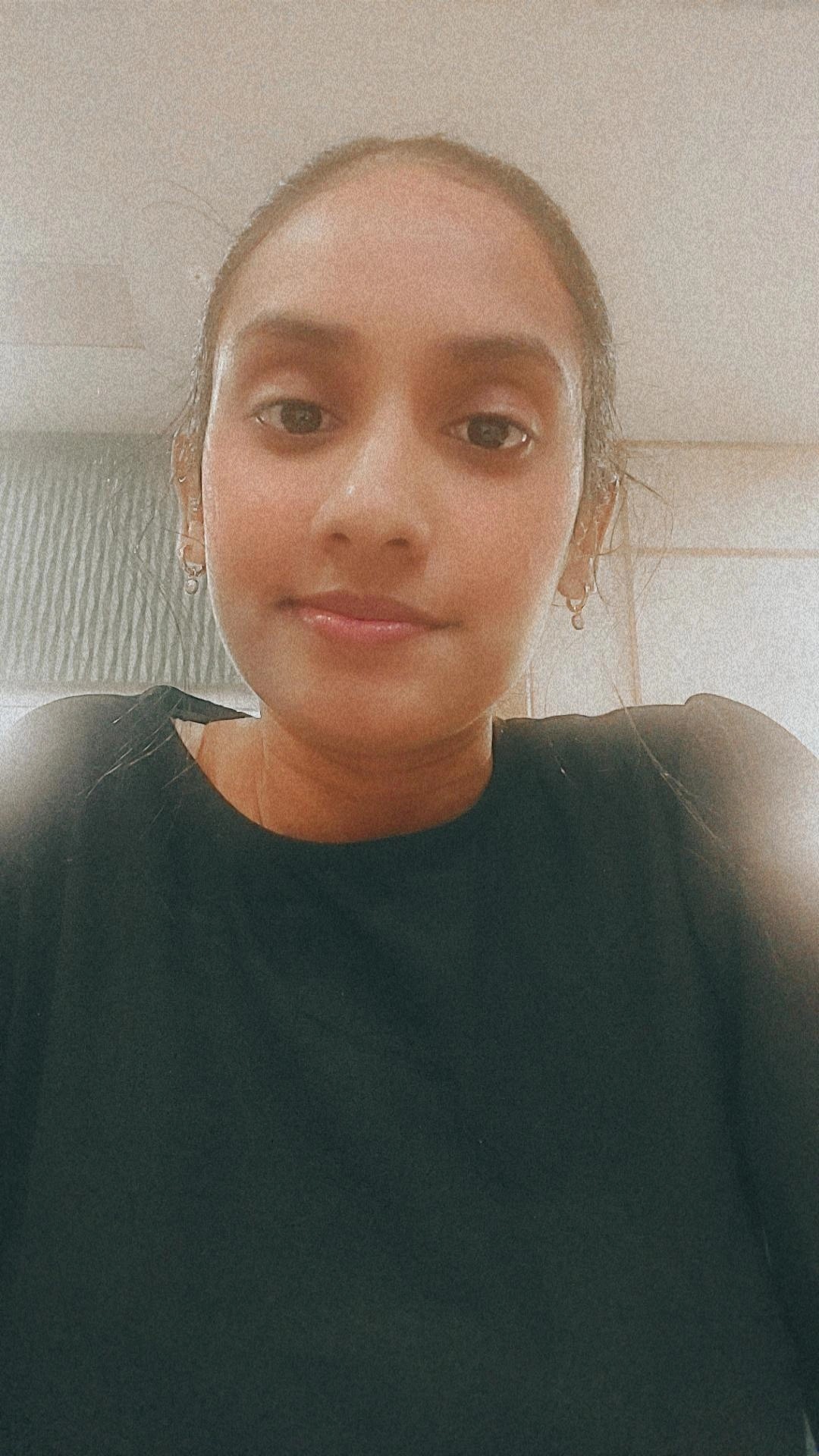
Kashita Allagapen currently works as a Technical Officer (Fisheries) at the Ministry of Agro-Industry, Food Security, Blue Economy and Fisheries, while also working as a part-time Research Assistant at the University of Mauritius under the RECOVER Project. She holds a BSc (Hons) in Marine Environmental Sciences, with First Class Honours, from the University of Mauritius. Her research within RECOVER focuses on exploring circular economy opportunities within the small-scale fisheries sector in Mauritius, particularly abandoned, lost and discarded fishing gear (ALDFG) and fish waste. Through interviews, focus group discussions and interactions with fishers, fishmongers and other stakeholders, she is looking at how these materials are currently managed and what practical alternatives could be considered. She is particularly interested in how circular economy solutions could reduce resource losses, create new opportunities for coastal communities, and contribute to strengthening their adaptive capacity and resilience to climate change.
An insight gained from RECOVER:
One of the most important things I have learned from RECOVER is the value of listening to people on the ground. My interactions with fishers and fishmongers have helped me understand their everyday realities and challenges in a way that data alone cannot show. I have learned that solutions should not only be environmentally beneficial, but also practical, affordable and acceptable to the people who will actually use them. This is something I will definitely carry with me beyond the project.
Fun fact / hidden skill / something you enjoy doing in your spare time:
I cherish family time with my husband, parents, sisters, nieces and nephews, and my black Labrador, Luna. I love sunsets by the sea and unwinding with skincare after a long day. My hidden passion is singing. I have always dreamt of performing for a crowd, but for now, my car is my stage, haha!
Fun fact about your island/country that people may not know:
One thing I love about Mauritius is how much diversity exists on such a small island. We are a beautiful mix of cultures, languages, traditions and food, all surrounded by amazing beaches and lagoons. There is always something new to discover, even when you have lived here your whole life!
Deenaysh Neeraj Yash Gooroochurn
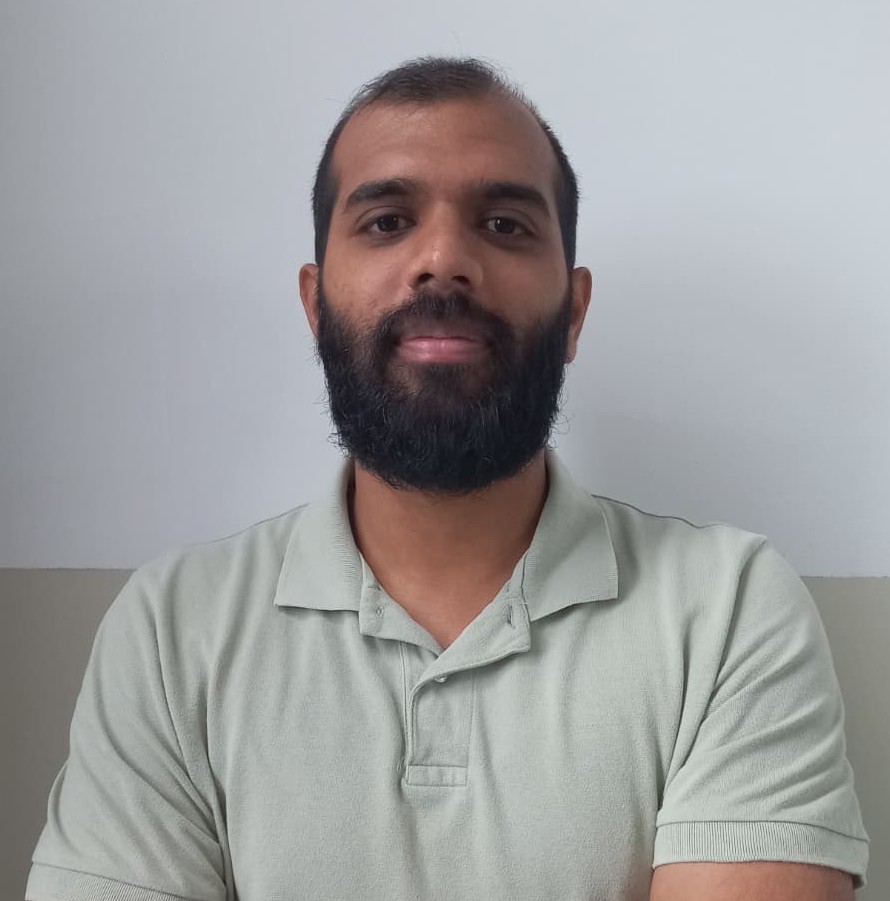
Yash Gooroochurn is a Research Assistant on the RECOVER project contributing to research on energy flows and energy resilience within Mauritius’ energy landscape. He holds a BEng (Hons) in Mechatronics Engineering and is currently pursuing an MSc. in Renewable Energy and Smart Electrical Systems. Prior to his research work, he worked as an operations officer where I was responsible for the building services and operations of a mall. This combination of engineering, operational, and academic experience has piqued his interest in understanding energy systems from both technical and metabolism perspectives. Within RECOVER, his research focuses on developing and analysing energy flow accounts for Mauritius, examining how energy moves through the different nodes, transformation processes and final-use sectors. This will eventually help in identifying dependencies, potential vulnerabilities and associated risks that our system might face when facing shocks or threats.
An insight gained from RECOVER:
One of the great insights I have gained from mentors within RECOVER is that an energy system cannot be fully understood by looking at individual energy sources or sectors in isolation. Mapping Mauritius’ energy flows has revealed how closely interconnected imported fuels, electricity generation and final energy use are. It has changed the way I think about energy systems. Rather than viewing them as a collection of technologies, I now see them as interconnected systems in which a change in one part can influence others. This systems perspective is something I will take with me beyond RECOVER.
Fun fact / hidden skill / something you enjoy doing in your spare time:
I love listening and playing music. I am an amateur multi-instrumentalist. I play drums, guitar, bass and keys and in my spare time I enjoy making small covers purely for fun.
Fun fact about your island/country that people may not know:
Mauritius lives the Premier League, especially the fierce Manchester United vs Liverpool rivalry. Matchdays turn neighbourhoods into a chaos of sofa-bound managers shouting at screens. The post-match firecrackers, teasing and debates are a must but despite this intense emotion, fans always end putting rivalry aside and sharing a laugh.
THE MALDIVES – The Maldives National University
Shazla Mohamed, PhD
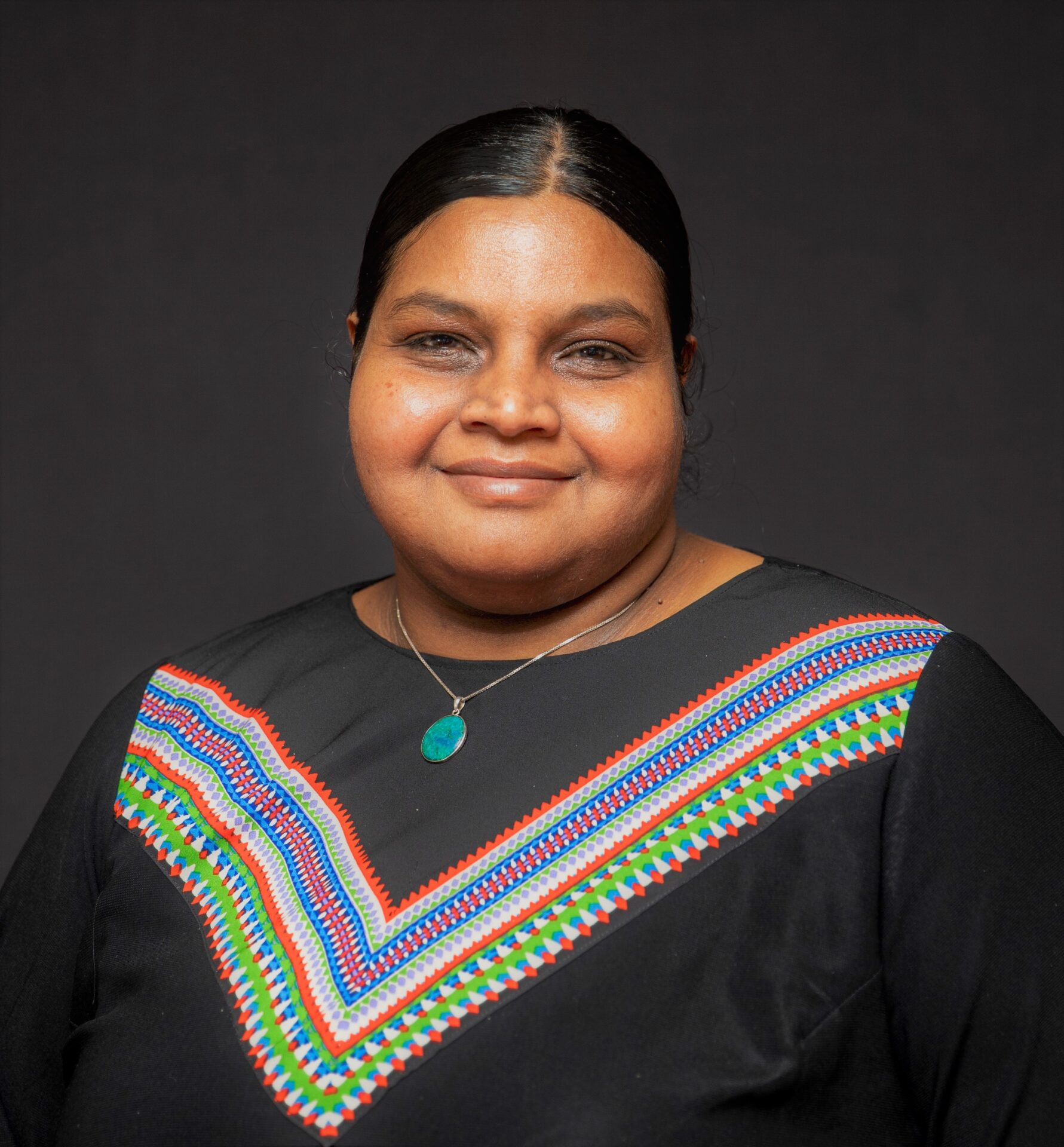
Dr. Shazla Mohamed is a Senior Research Fellow at the Research Development Office, The Maldives National University (MNU), with a PhD in Food Science and Technology from Massey University, New Zealand. She has extensive experience in academic leadership, research and administration, having served as Dean of the Faculty of Science (2013–2017) and the Faculty of Engineering, Science and Technology (2018–2021) at MNU. Her research interests include food safety and contaminants, environmental pollutants, circular economy and climate adaptation. She has contributed to several research projects as a coordinator and researcher, collaborating with local agencies, international partners, and funding organizations. She has also served on several key university and national-level committees supporting research development and institutional initiatives. She currently serves as the Country Coordinator and researcher for the RECOVER project, with a particular focus on water metabolism and water security in the Maldives and has contributed to several research outputs and publications.
An insight gained from RECOVER:
One of the key insights I gained from the RECOVER project is the value of applying a systems approach to climate adaptation challenges associated with critical resource use, particularly water systems. The project highlighted the importance of transitioning from linear patterns of resource use towards more circular systems in urban contexts, where water, energy, waste, and other resource flows are closely interconnected. This perspective has deepened my understanding of the links between resource security, infrastructure, environmental pressures and societal needs and why adaptation solutions need to consider these linkages rather than addressing individual challenges in isolation.
Fun fact / hidden skill / something you enjoy doing in your spare time:
I like to doodle while I think, it helps me organize my thoughts and spark new ideas.
Fun fact about your island/country that people may not know:
Imagine an entire country averaging only 1.5 metres above sea level! That’s the Maldives—one of the flattest countries on Earth and a powerful reminder of why climate change and sea-level rise are part of our everyday reality.
Nadhiya Abdulla, PhD
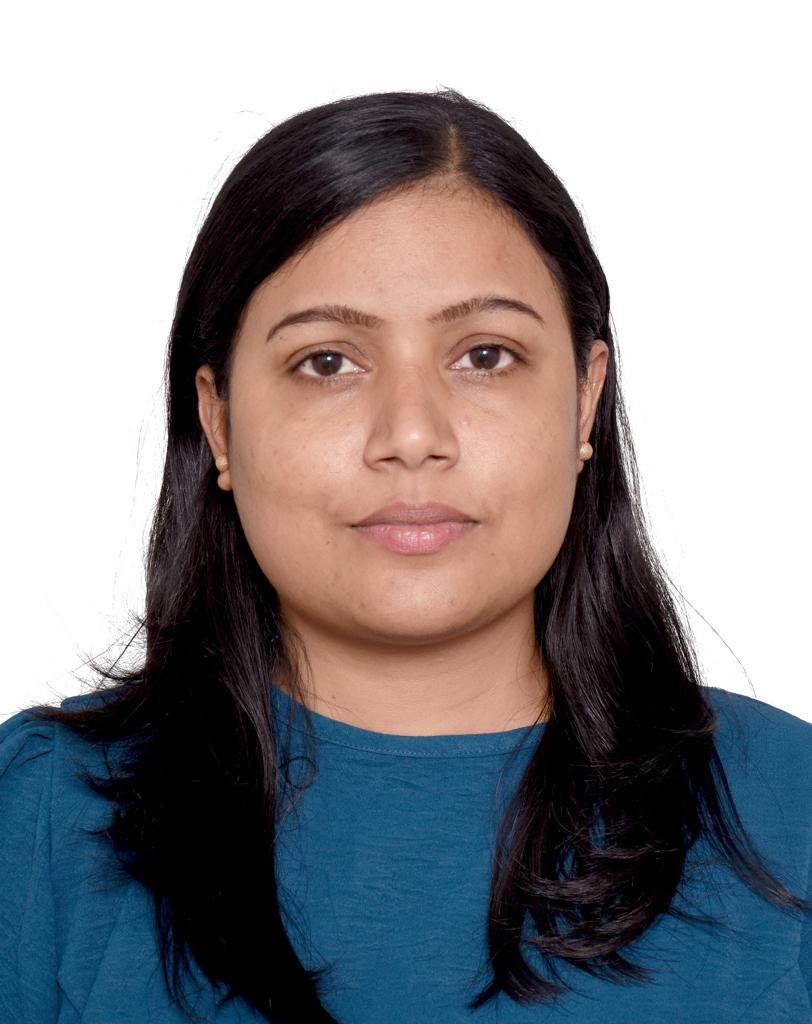
Dr. Nadhiya Abdulla is a Senior Research Fellow at the Maldives National University (MNU), with extensive experience in education, research, sustainable development, and community engagement. She holds a PhD in Management from Dnipro State Agrarian and Economic University, Ukraine, where her doctoral research focused on sustainable agricultural management in the Maldives. She also holds a Master’s degree in Pedagogy for Higher Education from Luhansk Taras Shevchenko National University, Ukraine, and a Bachelor’s degree in Education from the University of KwaZulu-Natal, South Africa. Her research interests include climate resilience, sustainable agriculture, food security, environmental management, and community empowerment. She has authored over 15 scientific publications in peer-reviewed journals, including those indexed in Scopus and Web of Science. Within the RECOVER project, she contributed to research on water security in the Maldives, focusing on community engagement and the implementation of the Real-World Lab approach to support inclusive and sustainable climate adaptation solutions.
An insight gained from RECOVER:
One of the most valuable lessons I gained from RECOVER is that building climate resilience is not simply about introducing scientific or technological solutions. It is equally important to understand the lived experiences, knowledge, and priorities of local communities. Through the Real-World Lab, I learned how meaningful stakeholder engagement can bring different perspectives together and create opportunities for locally relevant solutions. This experience reinforced my belief that sustainable climate adaptation requires collaboration, inclusivity, and community ownership. It has changed how I approach research, encouraging me to look beyond data collection and focus on creating meaningful change.
Fun fact / hidden skill / something you enjoy doing in your spare time:
I love nature and exploring the islands of my country. To me, every abandoned house and overgrown ruin holds a story and a memory. I enjoy listening to elders share their stories, capturing these memories through photographs, and keeping in touch with the people and places I encounter.
Fun fact about your island/country that people may not know:
I am from Hithadhoo, Addu Atoll, in the southernmost part of the Maldives. One fascinating fact about Addu is that, despite its islands being connected by the same stretch of land, each island has its own distinct speaking tone and accent. Even within the same atoll, you can often identify someone’s island simply by listening to them speak!
Rana Waheed
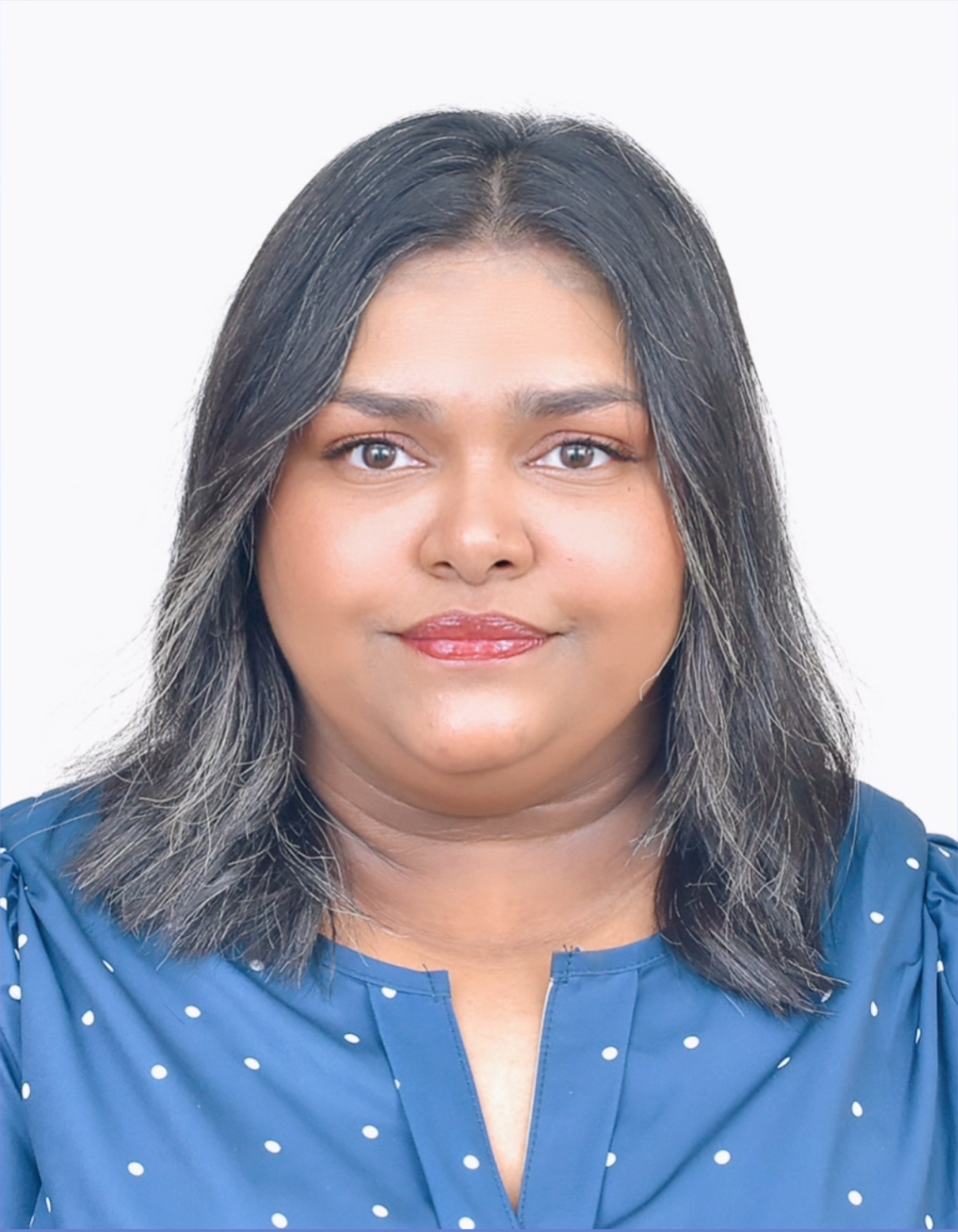
Rana Waheed holds a BA and MA in Political Science and International Relations and is currently a Chevening Scholar studying MSc in Policing at University College London with her dissertation focusing on tourism security. For her day job, Rana is a senior staff member for the Maldives Police Service and has served in positions such as Head of the International Relations Department and Head of the capital city Malé campus of the National College of Policing and Law Enforcement. Her side quests include teaching and advocating for developing women leadership within the law enforcement sector. For RECOVER, Rana served as a qualitative research intern for the RECOVER Project Objective 5 (water focus x Real World Lab) as part of her postgraduate dissertation examining water security, accessibility, and climate adaptation in urban Small Island Developing States (SIDS) in the Greater Malé region. Her research explored how local governance frameworks and hydrosocial dynamics shape community resilience amidst environmental change. Under the RECOVER Programme, Rana has taken part in CLARE policy dialogues and peer training.
An insight gained from RECOVER:
Working directly with communities in the Greater Malé region taught me that vulnerability is often completely invisible until you take the time to truly see people and understand their daily experiences. Climate adaptation is not merely an infrastructure challenge; real inclusion and effective governance require recognizing these hidden struggles. Listening to residents adapt to water insecurity underscored the profound gap between macro level climate policy and lived realities on the ground. Participating in RECOVER reinforced that centering community voices, and transforming communities from passive policy recipients into active co creators of resilience, is essential for meaningful policy dialogue. This perspective will guide all my future work.
Fun fact / hidden skill / something you enjoy doing in your spare time:
When I am not working or studying, I am usually drawing, scribbling poetry, or getting way too invested in horror films and spy thrillers, all while prioritizing quality downtime with family and friends!
Fun fact about your island/country that people may not know:
Beyond being Asia’s smallest nation and the lowest lying country on Earth, we Maldivians are proudly tuna and coconut obsessed, and our vibrant island culture spans an extraordinary archipelago where people inhabit just 1 out of every 5 islands!
CANADA – The University of Waterloo
Jasmine McHugh
Jasmine McHugh recently defended her Masters of Environmental Studies in Sustainability Management at the University of Waterloo’s School of Environment, Enterprise and Development (SEED). As part of RECOVER’s Objective 1, her research examined the Maldivian food system by conducting a national Biomass Flow Analysis from 1976–2023, with a particular focus on import dependency, food system resilience, and the nutritional implications of ultra-processed foods. She previously completed a double major in Environmental Health and Geology at Western University. Her research experience also includes work on tropical medicine and water, sanitation, and hygiene (WASH) dynamics in Kenya through the University of Liverpool, as well as research examining associations between WASH and intimate partner violence in Liberia. Her interests broadly span food security, public health, climate adaptation, and political ecology.
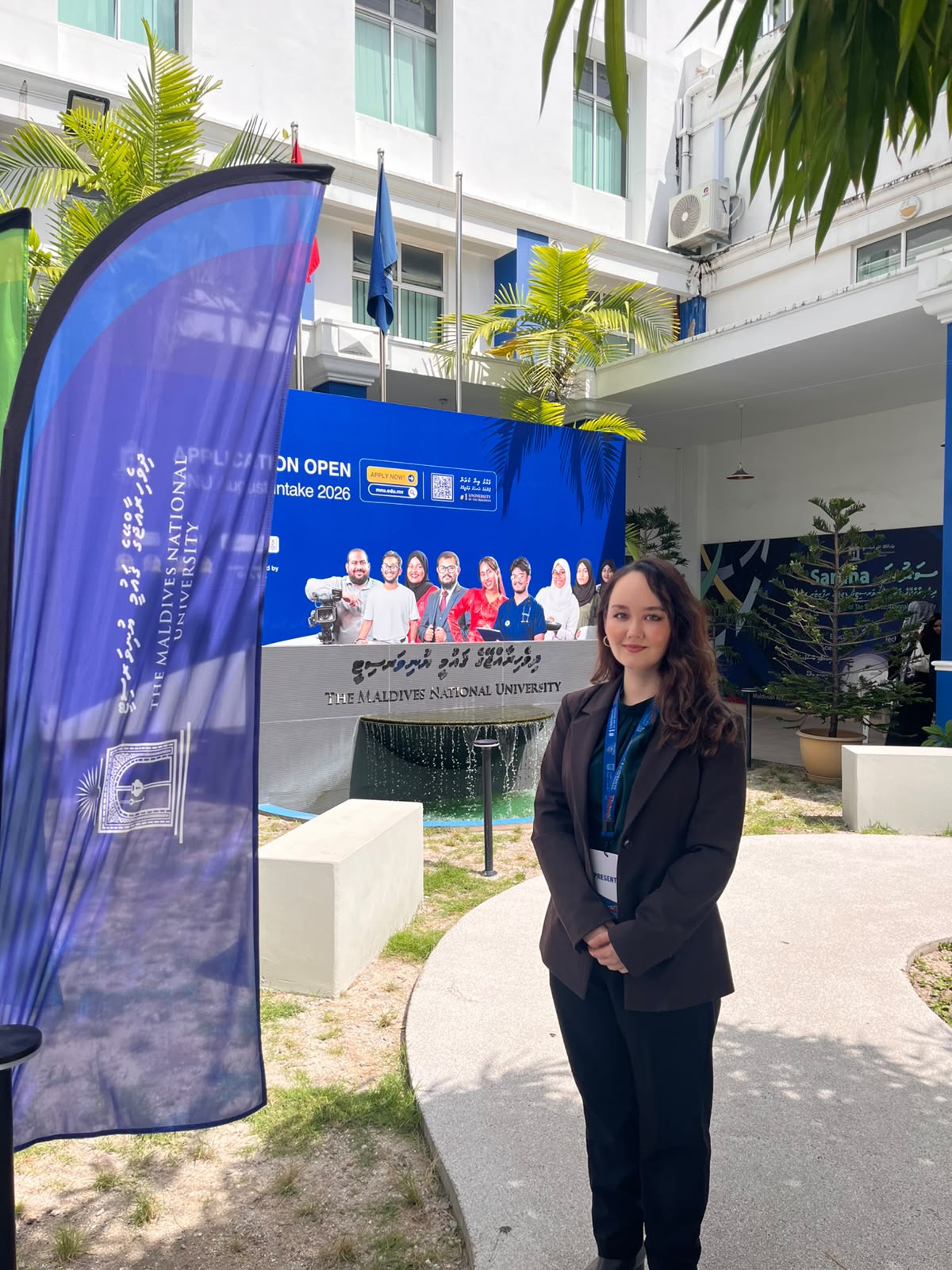
An insight gained from RECOVER:
RECOVER made me realize that strengthening food systems on islands requires more than simply growing food locally. It depends on how agriculture connects with markets, livelihoods, imports, transportation, and the limited land and resources available. Working with local researchers and drawing on survey insights helped me understand these challenges. Getting an opportunity to present at the Theveli International Conference in the Maldives made this especially clear. After researching the country for two years, being there and speaking with local residents gave me context I could never have gained from a dataset alone.
Fun fact / hidden skill / something you enjoy doing in your spare time:
I have been performing and recording music publicly since I was 11 years old, mostly indie folk. Outside of research, I love hiking, camping, and cooking.
Fun fact about your country/city that people may not know:
My hometown Okinawa is the birthplace of Karate, and has one of the highest life expectancies in the world!
Sumaita Nawar Rahman
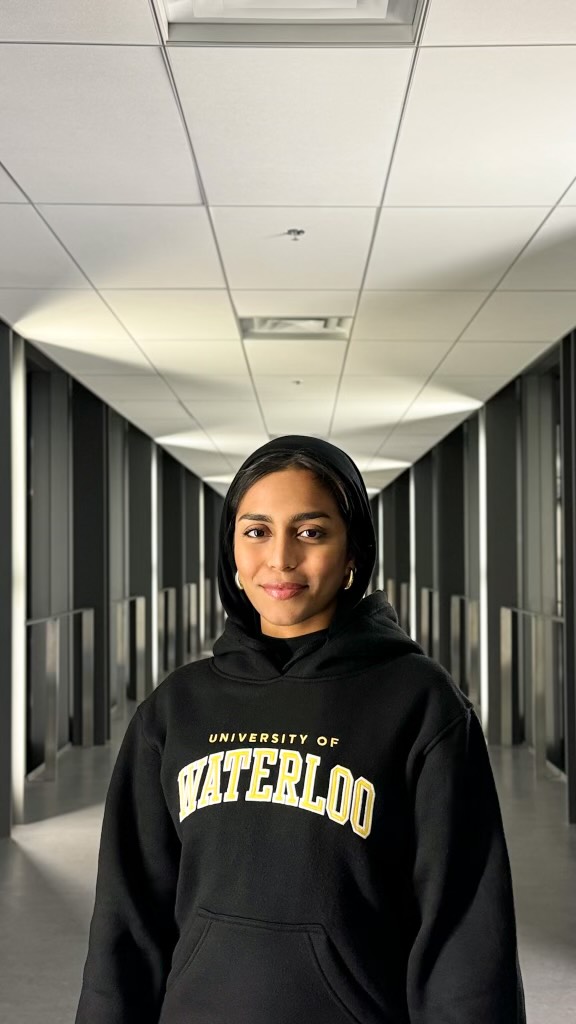
Sumaita Nawar earned her Bachelor’s in environmental science from Qatar University, and she is completing her master’s in Sustainability Management at the University of Waterloo. Before coming to Canada, she gained experience in both research and corporate environmental work in Qatar, including nearly a year as a researcher at Qatar University. Since early 2025, she has been a graduate student researcher with RECOVER, focusing full time on her thesis which examines material stocks in Mauritius. She also contributed to RECOVER’s work in Seychelles through geospatial and mapping support, which gave me experience working across island contexts.
An insight gained from RECOVER:
After spending a year in corporate life, I was not sure how easily I could return to being a student and researcher. RECOVER made that transition easier because the work went beyond textbook research and had a real purpose. Working on Mauritius made me realize how motivating it is to see research come to life and know that it could contribute something useful to the island and its people. At the same time, I was able to rebuild my research skills by working with local data, understanding context, asking questions, and learning when to seek guidance.
Fun fact / hidden skill / something you enjoy doing in your spare time:
What started as a simple craving has turned into one of my favourite hobbies. In my spare time, I love recreating foods I miss from the Middle East, like harees and luqaimat, as well as home favourites my mother made, including tehari, haleem, biryani, and shahi tukra. Cooking feels creative.
Fun fact about your island/country that people may not know:
Although I am not from an island nation, St. Martin’s Island has always fascinated me. It is Bangladesh’s only coral-bearing island, with around 66 coral species recorded there. Being from southern Bangladesh myself and having studied corals during my undergraduate degree, visiting St. Martin’s remains high on my bucket list.
Simron J. Singh, PhD
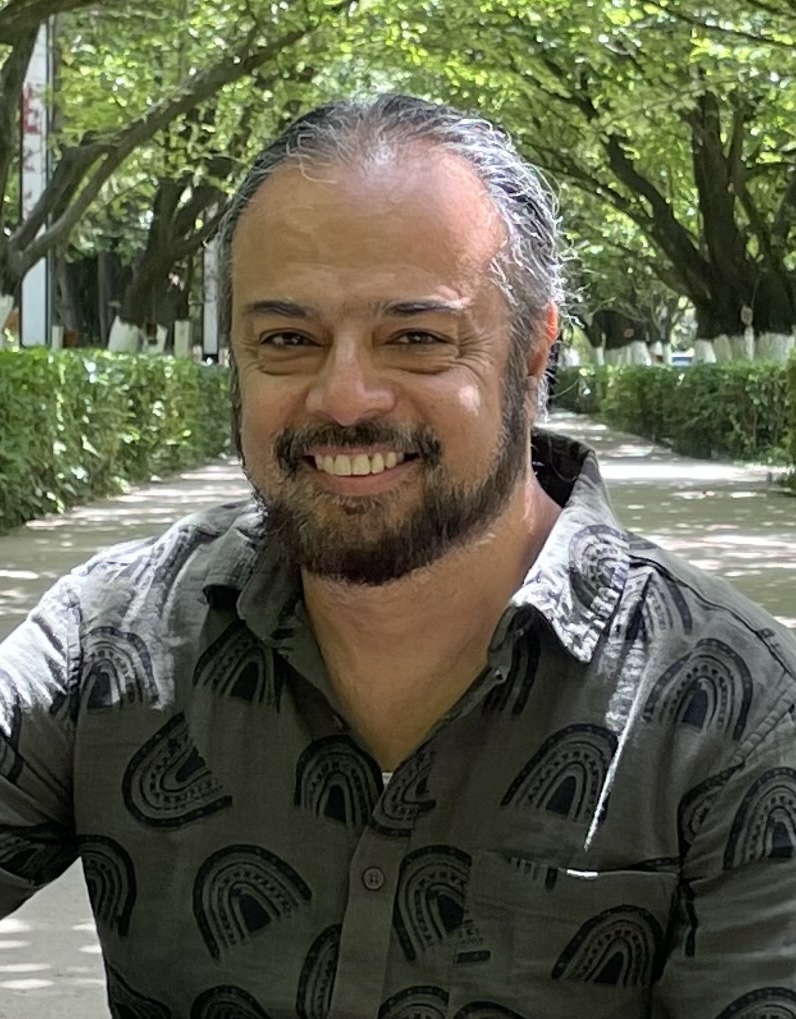
Dr. Simon Singh is a Professor at the Faculty of Environment, University of Waterloo, Canada. He is also the Principal Investigator (PI) for the RECOVER project. His scientific expertise is in systems-based approaches to understanding island vulnerability to climate change and in investigating pathways to more resilient systems. His research program is called “Metabolism of Islands.”
An insight gained from RECOVER:
A crucial insight I gained from RECOVER is that working with vulnerable communities is not a right, but a privilege. And in the process, I gained a deep trust in genuine partnerships and long-term relationships that are critical in fostering meaningful change.
Fun fact / hidden skill / something you enjoy doing in your spare time:
When I can, I love salsa dancing and find the Latin rhythm irresistible. I have even taught systems-thinking concepts through salsa dancing!!
Fun fact about your country/city that people may not know:
Even though I live in Canada, I consider myself an islander – the indigenous name for North America is “Turtle Island”!!
Categories
Countries
CLARE Pillars
CLARE Themes
CLARE Topics