
PALM-TREEs Seeds of Change: Women Driving Ecofeminist Leadership in Foumbot and Guider
/
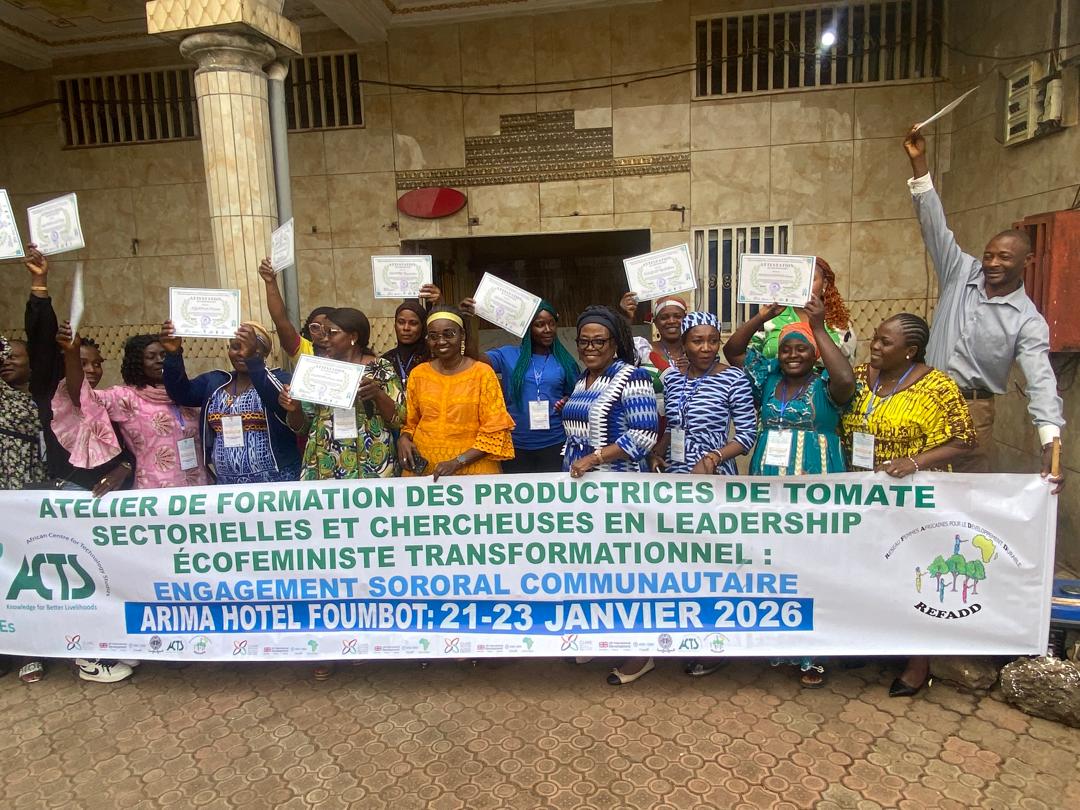
A growing movement of ecofeminist leadership is taking root in Foumbot and Guider, Cameroon. Through workshops organised by REFADD‑Cameroon under the PALM‑TREEs project, women onion and tomato producers are turning training into action — strengthening autonomy, protecting local ecosystems and reshaping community life. This longer account brings voices from the field into conversation with expert insight, showing how grassroots change may scale into wider resilience.
A Movement of Women and Knowledge
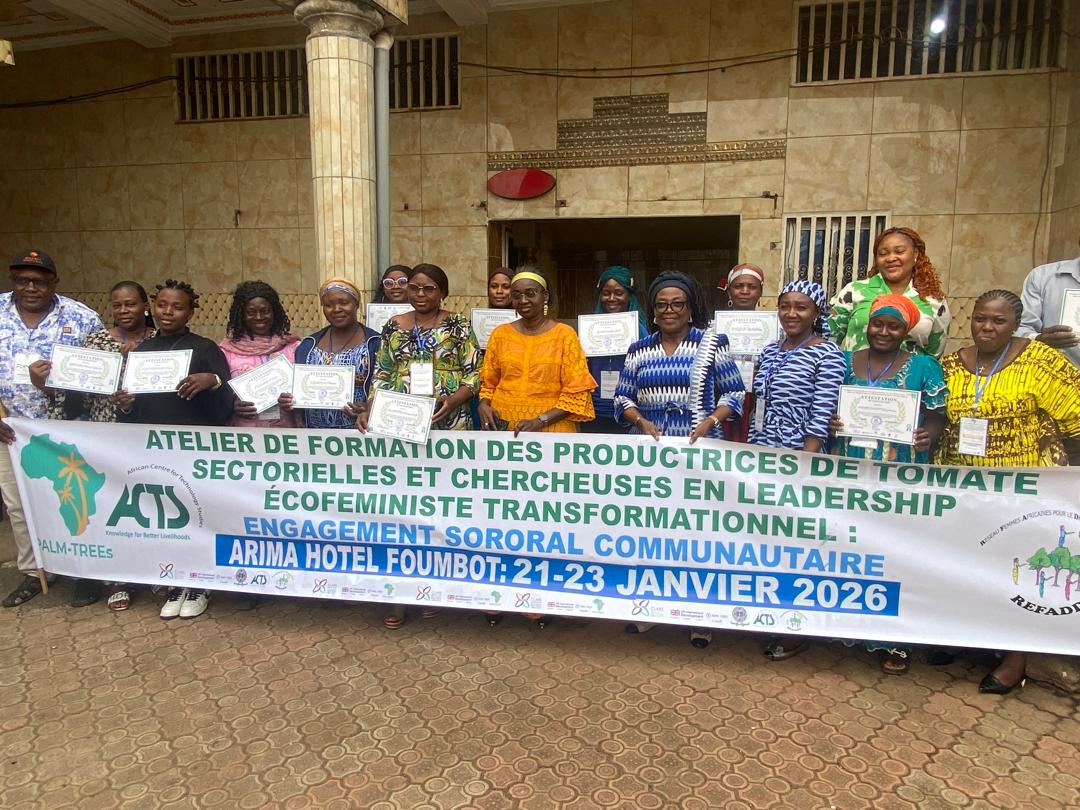
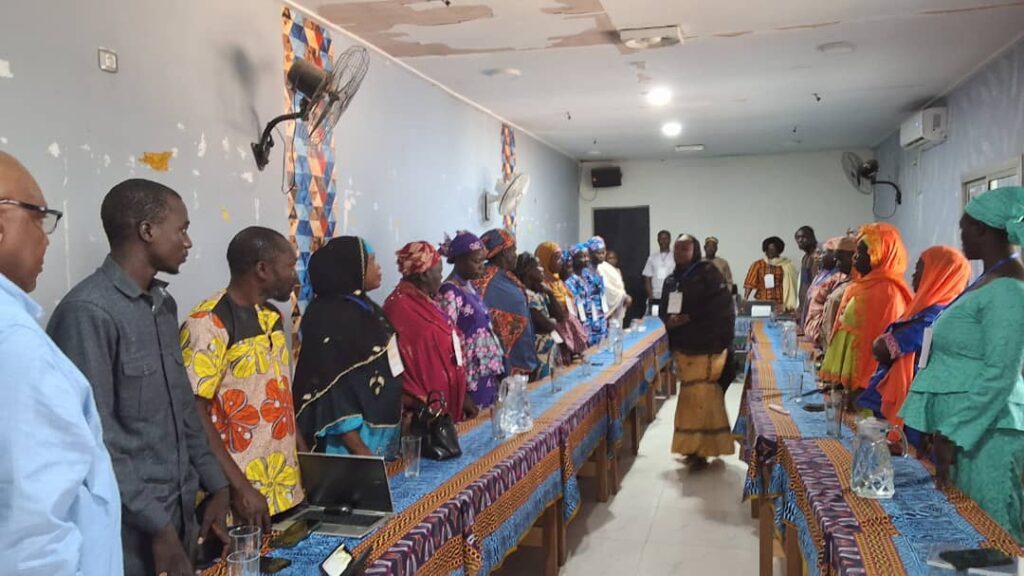
In recent months, determined women gathered in Foumbot and Guider for intensive workshops on transformational ecofeminism, organised by REFADD‑Cameroon with technical and financial support from PALM‑TREEs partners. Far from being a single event, the sessions functioned as a catalyst: creating networks, transferring practical know‑how and fostering leadership. Attendees included smallholder onion and tomato producers, representatives from sectoral administrations and agricultural researchers — a cross‑section that underlined the workshops’ dual purpose of building both grassroots capacity and institutional dialogue.
The project recognises women as central stewards of food security and natural resources. In Foumbot and Guider, many women manage plots that provide the bulk of household vegetable supply and income. The workshops sought to strengthen that role through concrete training in sustainable agronomy, resource management and leadership skills. By situating women at the heart of climate adaptation efforts, REFADD aims to reframe common assumptions about who leads agricultural innovation in rural Cameroon.
Sisterhood, Skills and Practical Solutions
Perhaps the most immediate and transformative outcome was the emergence of sisterhood. Women who had long worked in relative isolation found mutual support and confidence. Nyama Mireille, a tomato farmer, captured this shift: “Before this workshop, I often felt alone in the face of the cultural and educational challenges I encountered. Now, thanks to the sisterhood we have built, I know I can count on my sisters. We share our experiences, and together we are powerful.” That solidarity translated quickly into practical cooperation — shared labour, pooled resources for inputs, and collective problem‑solving for pest outbreaks.
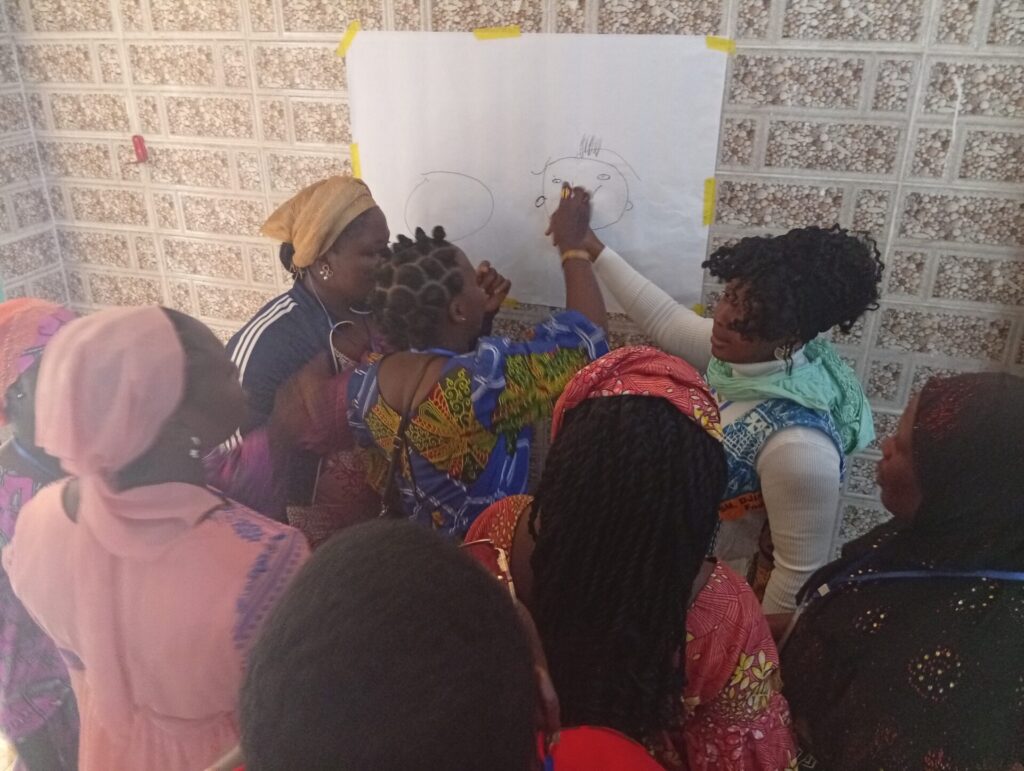
Training combined practical agronomic modules with soft‑skills development. Sessions on water‑wise irrigation, soil management, crop rotation and low‑toxicity pest control were paired with modules on communication, conflict resolution and emotional intelligence. Trainers emphasised that leadership on the farm also requires emotional resilience and the ability to negotiate within households and markets. As Franco Ekeme, an expert in organisational development, noted: “What we are seeing here is a real transformation. Women are taking ownership of this knowledge and applying it in their lives and within their communities. It is inspiring to see this dynamic taking shape.”
Voices from the Field and Calls for Support
Participants shared vivid accounts of climate variability’s impacts: delayed rains shortening growing seasons, intense downpours washing away seedlings, and prolonged dry spells reducing yields and forcing families to sell assets. These testimonies brought PALM‑TREES research into sharp relief, providing qualitative detail that complements quantitative data. They also revealed locally rooted coping strategies — early planting windows, mulching with organic matter, and selective irrigation — which can inform broader adaptation measures.
With new knowledge, participants called for sustained technical and financial backing to scale up impact. Amina, an onion farmer, expressed this pragmatic optimism: “I came here with doubts, but I leave with the conviction that I can make a difference. The training taught me to assert my rights and to promote sustainable agricultural practices.” Women asked for improved seed varieties, access to water‑saving technologies (such as drip irrigation), storage facilities to reduce post‑harvest losses, and better access to markets and credit. These requests underline that empowerment must be matched by investments that remove structural barriers.
Linking Local Knowledge and Research
The workshops emphasised the value of indigenous knowledge. Farmers described traditional indicators — vegetation patterns, animal behaviour and local wind shifts — used to forecast rains and adapt planting schedules. Facilitators encouraged hybrid approaches that combine PALM‑TREEs scientific research with time‑tested local practices. This culturally sensitive method increases uptake and strengthens the legitimacy of adaptation measures.
Social scientists involved in the project also learned from participants. Marie Zibi reflected: “These workshops opened my eyes to the link between social and environmental justice. I realised that our fight for women’s rights is inseparable from the fight to protect our planet.” By linking on‑the‑ground workshops with systematic data collection, PALM‑TREEs aims to inform policy and scale solutions that improve resilience and adaptive capacity among vulnerable groups.
Leadership, Replication and the Road Ahead
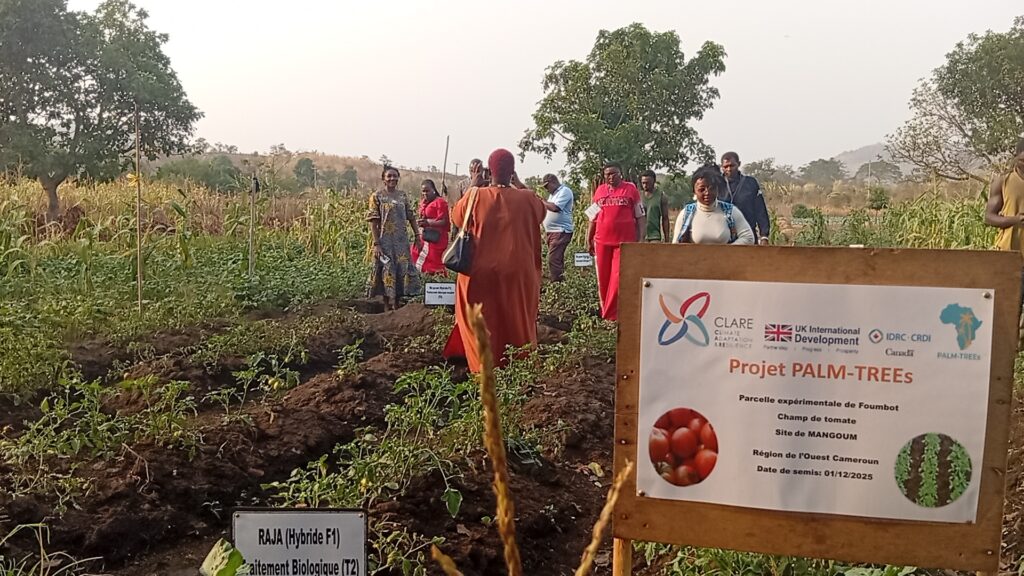
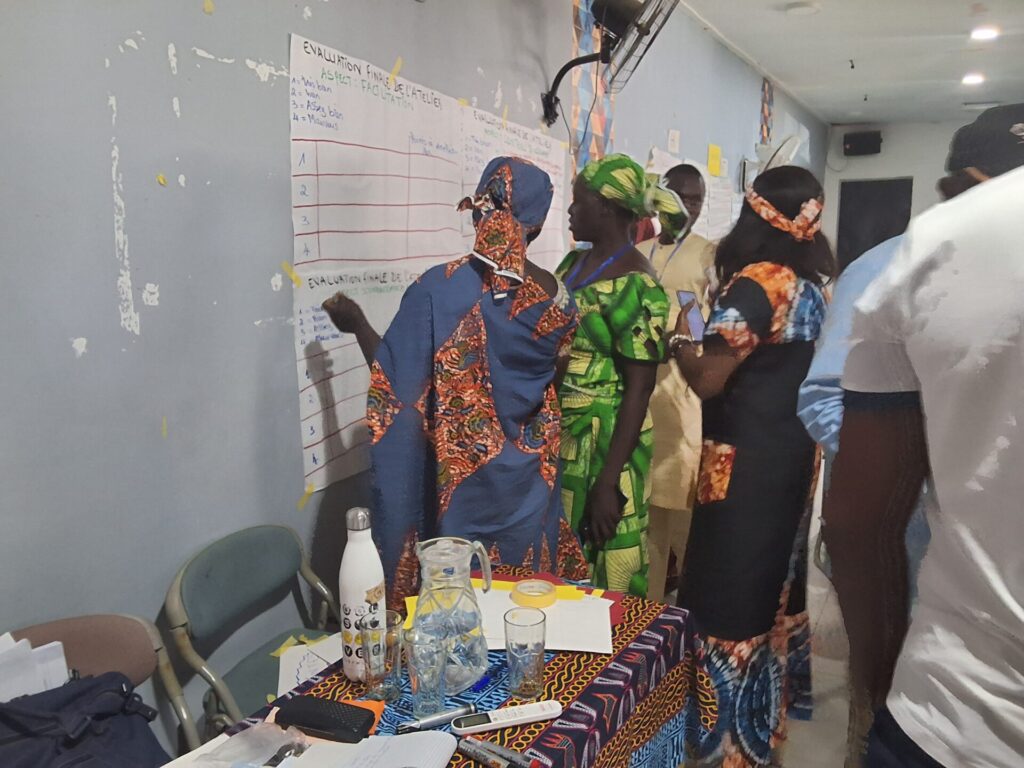
Trainers and facilitators modelled participatory leadership, encouraged peer mentoring and helped participants develop action plans tailored to local conditions. Ghislaine Tchokouatou, co‑facilitator in ecofeminist leadership, said: “Every woman here is an ambassador for change. Their passion and determination can transform the agricultural landscape. They have the tools to make their collective voice heard.”
REFADD‑Cameroon leader advocate for scaling up. Aline Kana reflected: “What we have started here is only one step towards real transformation. Every participation contributes to a larger movement, aiming for equality and sustainability. It is by acting together that we will make a difference.” Monique Yigbedek called for replication across REFADD’s 11 branches and beyond: “These women are not just participants; they are the core of radical change. I am convinced that together they will build a better future for themselves and their communities.” Community champions such as Marie Mekaze, who promotes organic agriculture locally, stressed the importance of maintaining momentum: “As a leader, I now feel I have a mission. Every woman I reach becomes a voice in our fight to promote nature‑based solutions in tomato and vegetable farming.”
From Seeds to Scale
The workshops in Foumbot and Guider demonstrate how targeted capacity building can translate into community empowerment and climate resilience. By combining technical training, emotional‑intelligence tools and an emphasis on indigenous knowledge, REFADD and PALM‑TREEs have helped women farmers move from vulnerability to agency. The next phase- implementing personal development plans that promote resilient behaviours at the two sites and spreading the ecofeminist approach across the Central Africa sub‑region – will determine whether these seeds of change grow into lasting transformation across Cameroon and beyond.
Categories
Countries
CLARE Pillars
CLARE Themes
CLARE Topics
Published
CLARE Projects
CLARE Partners