
New WISER manual for co-production in African weather and climate services features lessons from CLARE
/
Lessons from the CLARE portfolio feature prominently in a new manual for co‑production in African weather and climate services, published by the Weather and Climate Information Services (WISER) programme.
Since 2015, the WISER programme has been supporting sustainable development by delivering transformational change in the quality, accessibility, and use of weather and climate information services at all levels. The programme is funded with UK International Development and led by the Met Office in the UK.
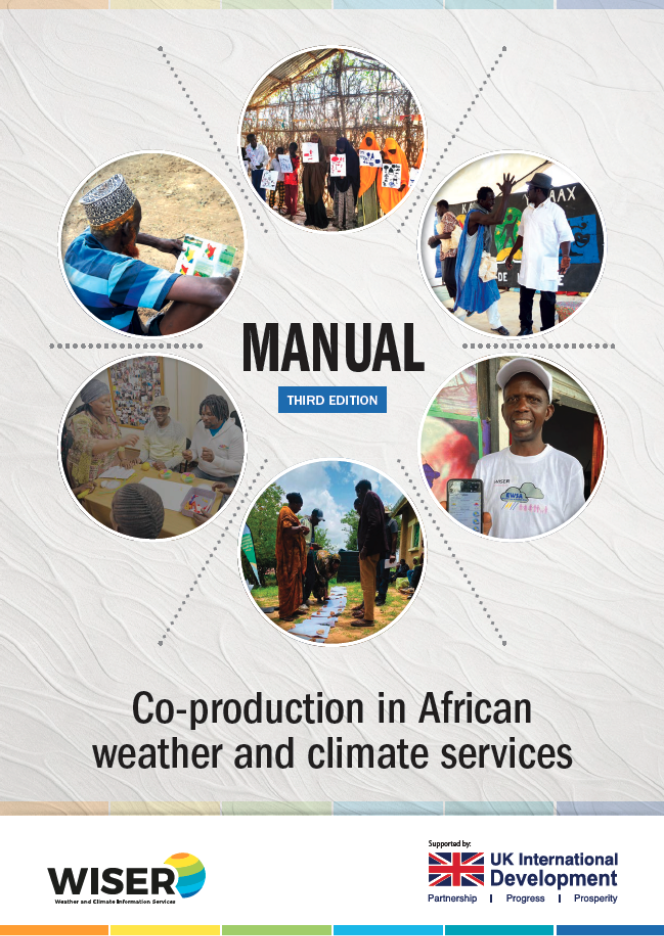
The recently published third edition of the “Manual for co-production in African weather and climate services” provides practical guidance that can be used by those involved in, or who are seeking to facilitate co-production of weather and climate services. The manual contextualizes the value of co-production in weather and climate services:
“Co-production is increasingly being used to improve the quality, relevance and uptake of weather and climate services, particularly where decisions affect people and sectors that are directly exposed to climate-related risks. Co-production brings together producers of weather and climate information with the people who use that information to make decisions, often with the support of intermediaries. This enables them to co-explore problems and co-develop services that are useful, usable and used. Rather than transferring information in a linear, top-down way, co-production recognises the value of combining scientific, experiential, policy and local knowledge to support specific decision-making contexts.”
Examples of co-production from the CLARE programme
To illustrate how co-production has been applied to improve the quality, relevance, and uptake of weather and climate services, the manual highlights two examples from across the CLARE programme. Both the PASSAGE and MECHANICS projects serve as case studies, illustrating how co-production has been applied in practice.
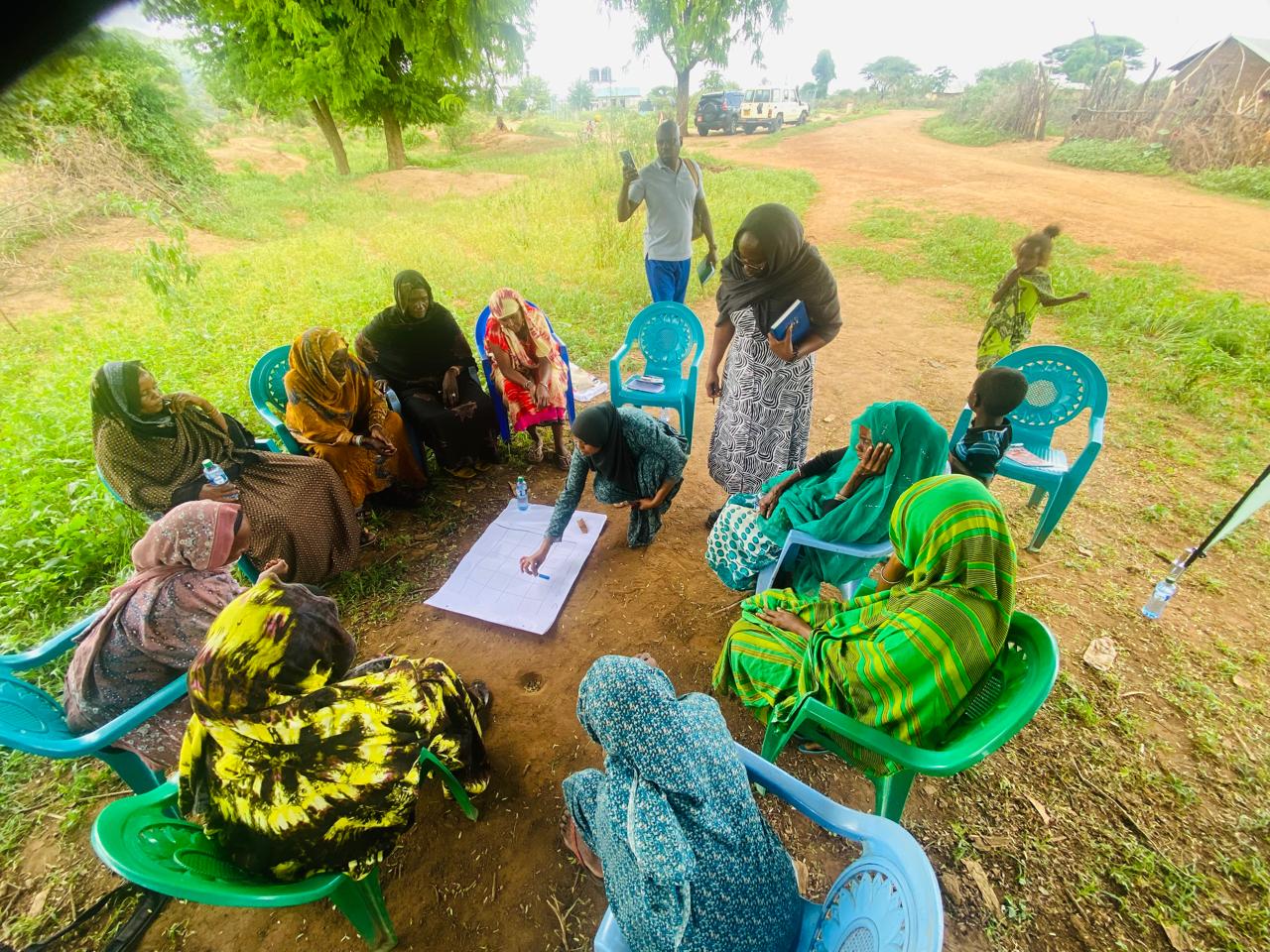
The PASSAGE project is featured for its work on co-developing anticipatory action systems with local communities in pastoralist areas. Their FOrecasts to Local Action (FOLA) framework for developing locally led Anticipatory Action is a community-based co-production approach that considers local vulnerabilities and is based on knowledge from within and outside the community.
“Exploring risks, vulnerability and differentiated responses for specific vulnerable groups helps to ensure that everyone is better prepared for the upcoming season and clear preparatory actions are agreed to be taken when thresholds exceeded.”
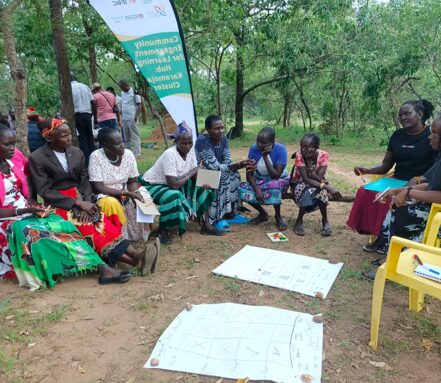
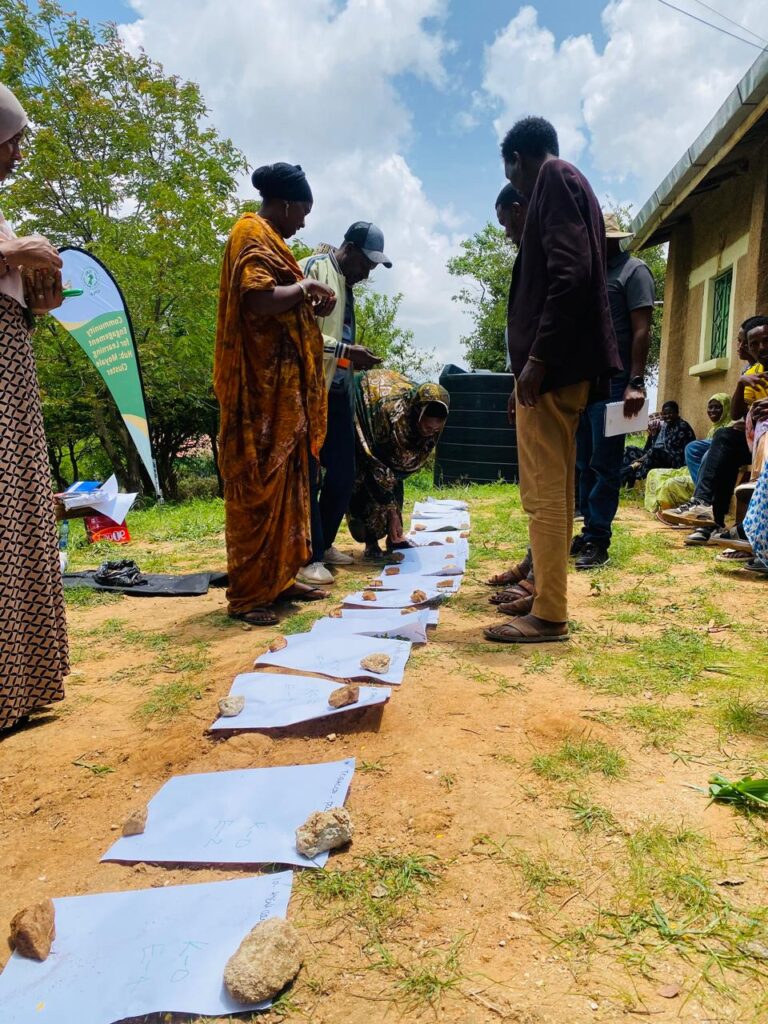
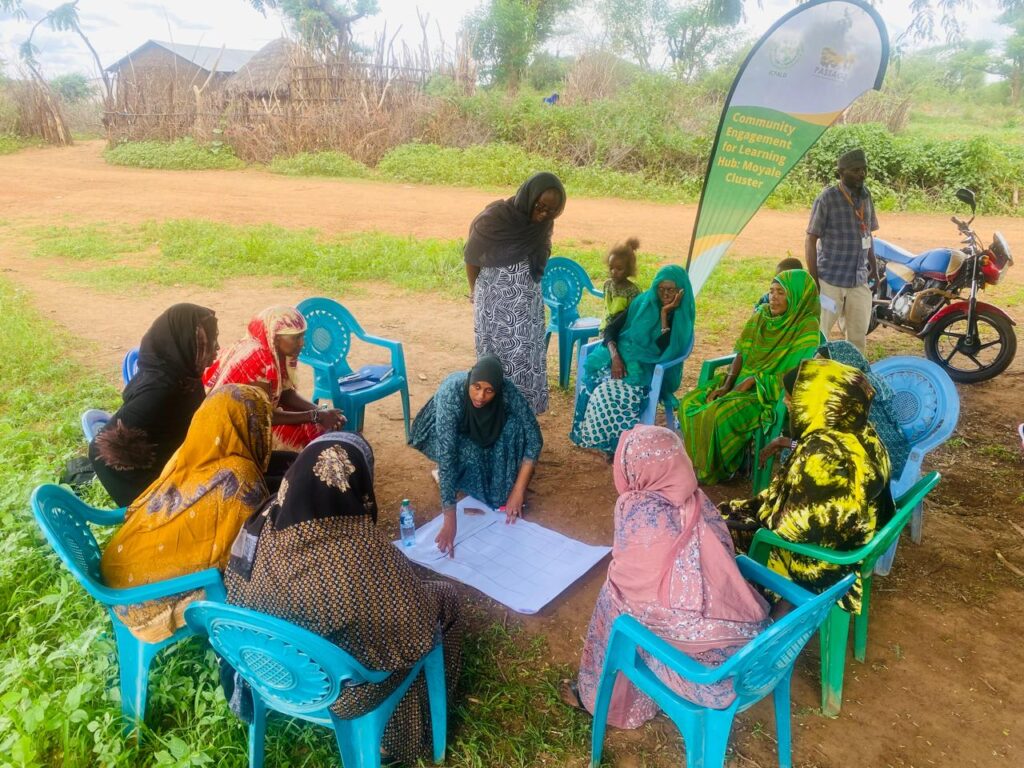
Learn more about the FOLA framework:
The MECHANICS project is highlighted for its work in building on the legacy of the Future Resilience for African Cities and Lands (FRACTAL) project. In Lusaka, Zambia, MECHANICS sustains the previous project’s partnerships and insights. FRACTAL’s core methodology in Lusaka centred around a series of iterative, multi-actor co-creation labs, which focused on emergent critical issues facing the city while providing space for dialogue and collaborative problem-solving.
“Perhaps the most enduring legacy of FRACTAL is the network of relationships it fostered… These networks have proven resilient, supporting continued progress even as individual projects have ended.”
CLARE’s approach to equitable co-creation is a core element of the programme. Across the CLARE portfolio, research projects are working directly with people on the ground, engaging in equitable co-creation with communities to generate deeper insights into their lived experiences and yield more effective, inclusive solutions.
The WISER manual draws on CLARE resources that detail how CLARE’s approach to equitable co-creation works in practice, including:
- Co-creation labs for climate adaptation and resilience: This brochure brings together insights into co-creation labs, which are one of the key methods being used in CLARE projects to bridge the gap between research and action to promote equitable, locally relevant research that leads to impact on the ground. Co-creation labs are spaces for collective learning and co-designed approaches to ensure no one is left behind in planning for and building climate resilience.
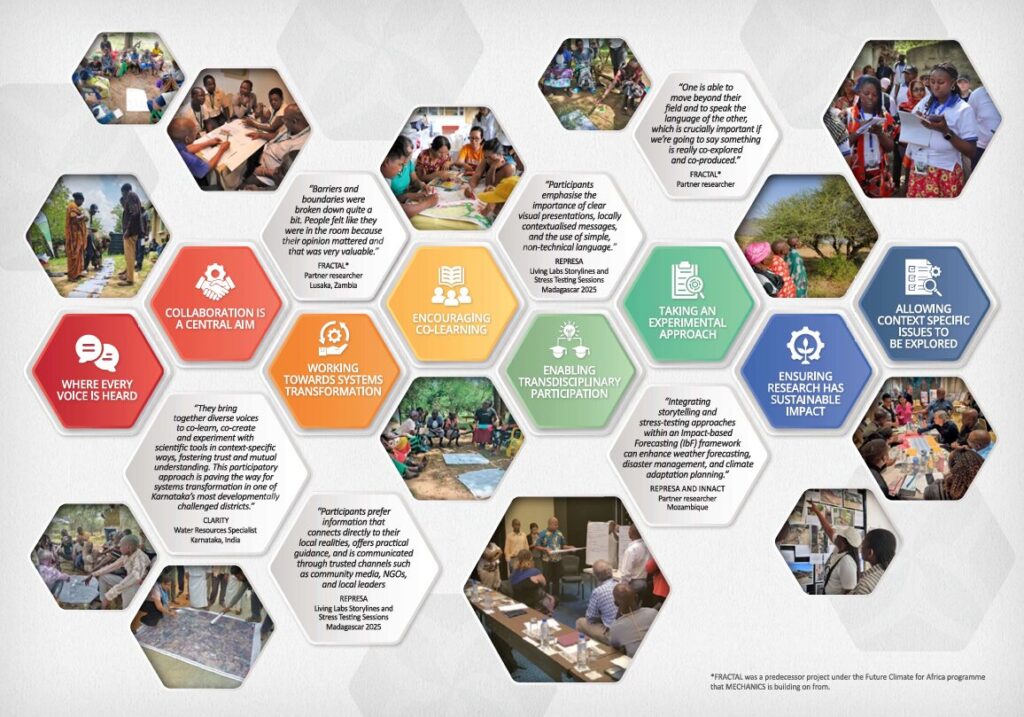
- Research for impact approaches in CLARE: This working paper details the methods being used by CLARE research projects to lead to transformational impact, many of which centre around equitable co-creation. The five broad types of approaches highlighted in this working paper are: co-creation labs, climate risk narratives, visual storytelling, citizen science, and behavioural science and psychology.
Categories
Countries
CLARE Pillars
CLARE Themes
Published
CLARE Projects
CLARE Partners