
Building resilience in Mathare: Reflections from the CRDPs workshop in Nairobi
/
This article was written by: Tuwe Pamoja Academic Lead in Nairobi Bessy Kathambi, from the University of Nairobi, and Slum Dwellers International (SDI) affiliate Michelle Koyaro
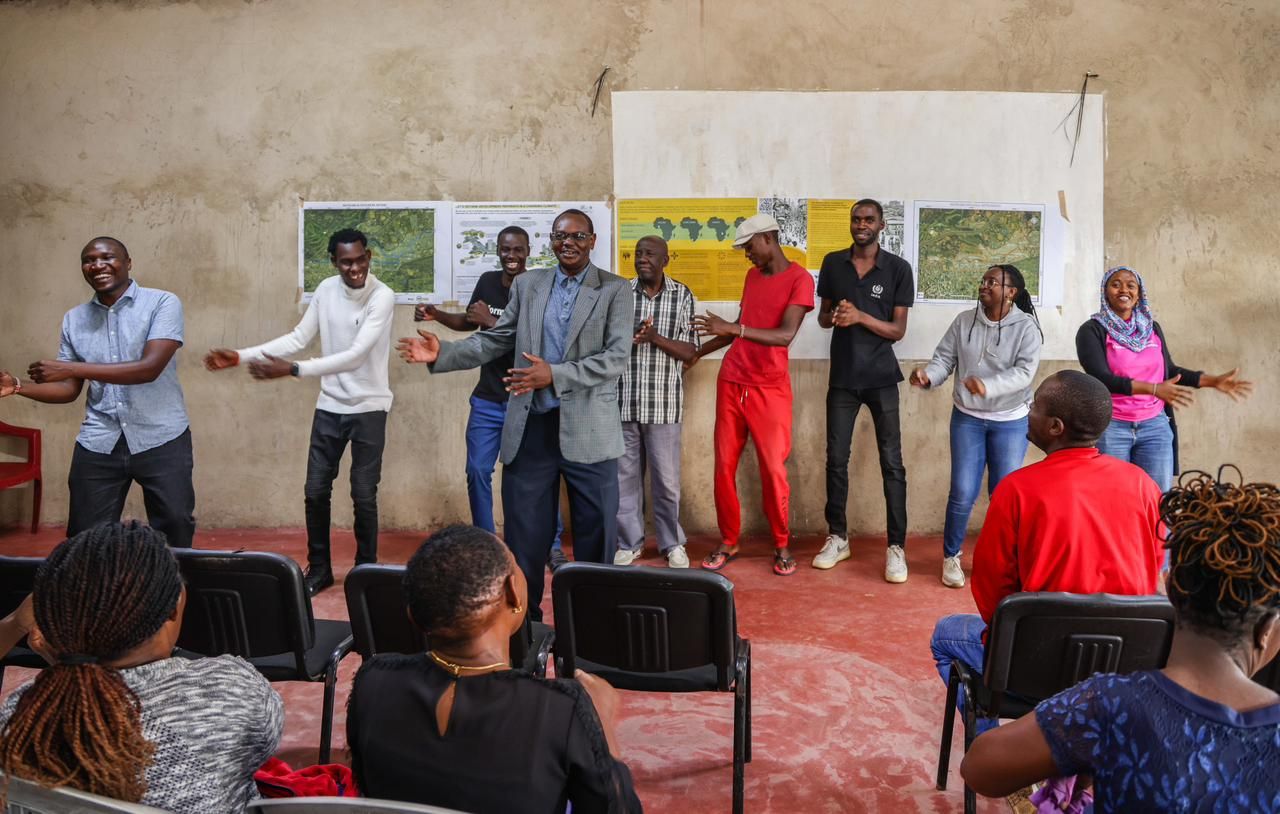
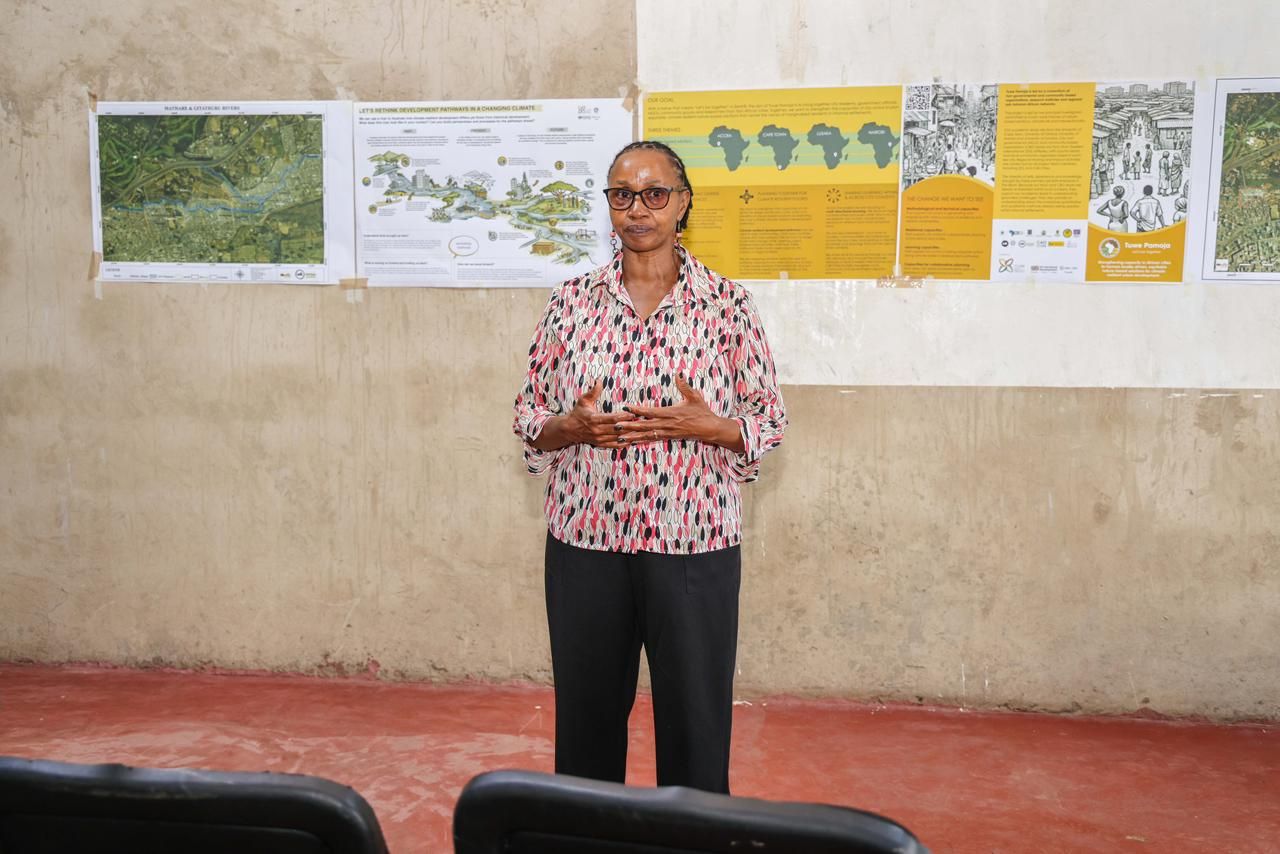
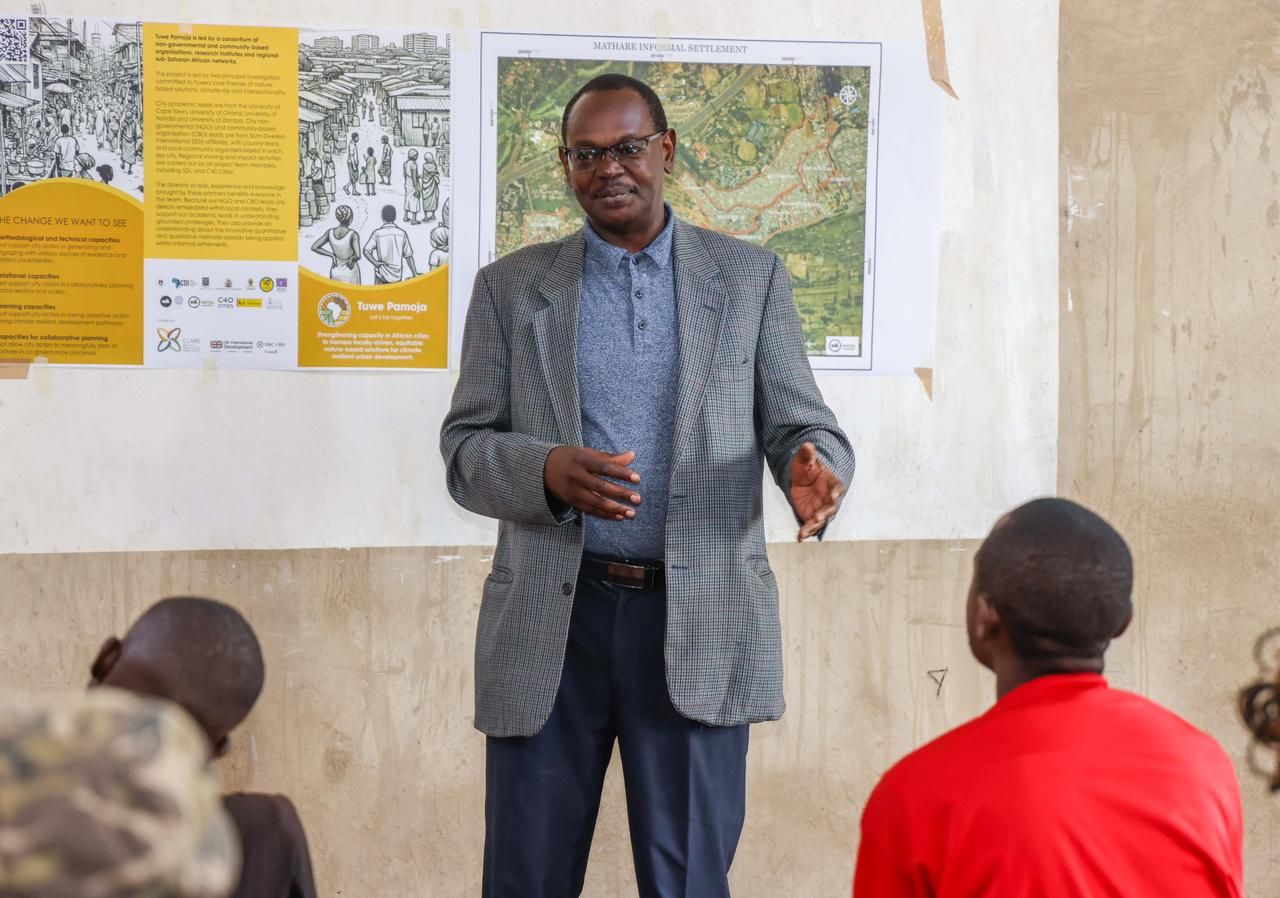
As climate-induced hazards increasingly threaten the health, safety, and economic survival of informal settlements in Nairobi, local action and multi-stakeholder collaboration have become urgent necessities. To address these compounding vulnerabilities, the Tuwe Pamoja team in Nairobi, alongside project partners Shack Dwellers International Kenya (SDI-K) convened a multi-stakeholder co-design workshop in April to explore Climate-Resilient Development Pathways (CRDPs).
The workshop brought together diverse actors including Mathare community members, local CBOs, the Kenya Red Cross, Nairobi City County Government, Shining Hope for Communities (SHOFCO), the University of Nairobi, and SDI Kenya to examine localised climate drivers and co-design sustainable solutions.
Mathare faces ongoing, systemic challenges including recurrent flooding, extreme high temperatures, blocked drainage networks, poor waste management, insecure land tenure, and limited access to essential services. While various government agencies, civil society groups, and community members have implemented interventions over the years, these issues persist due to fragmented efforts, a lack of coordination, and deeper structural and governance barriers.
To move beyond isolated interventions, the workshop served as a collaborative platform to collectively ask how CRDPs can function as a practical framework for integrating climate resilience into informal settlement upgrading.
A primary focus was critically evaluating existing Nature-based Solutions (NbS) in Mathare such as riparian greening, urban farming, and community-led public space improvements. While these efforts provide local benefits, their long-term success and scalability are hindered by fragmented implementation and maintenance issues.
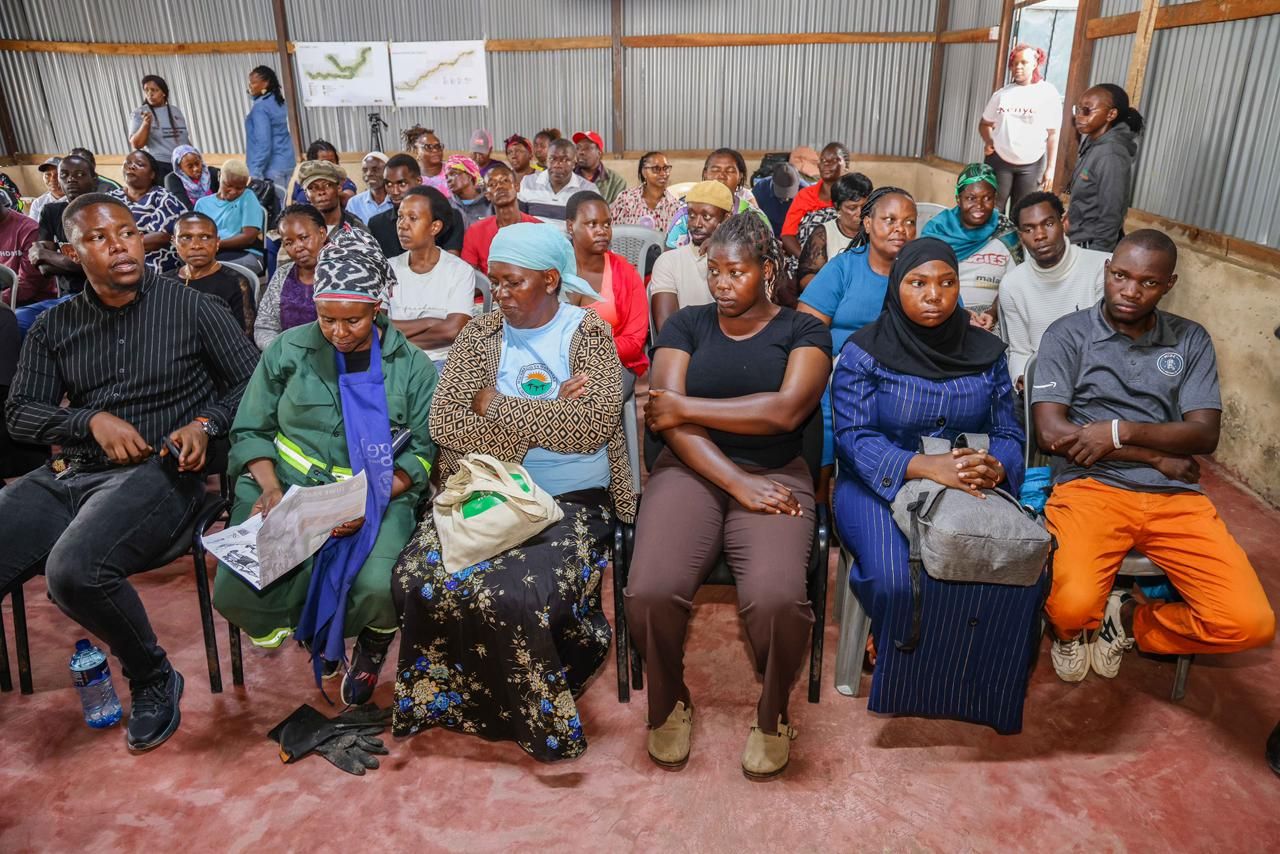
Key challenges identified
During the workshop, community members and stakeholders mapped out the severe climate risks experienced across Mathare. Heavy rainfall and extreme heat emerged as the primary disaster drivers, creating compounding challenges that destabilise daily life, health, and economic stability across the settlement.
Participants emphasised that health is severely compromised by these conditions, giving rise to both immediate physical illnesses and long-term psychological trauma. Furthermore, recurring floods fracture the community’s social fabric, destroy informal infrastructure, and erode local livelihoods.
While climate hazards affect all residents, participants highlighted that specific groups face heightened risks during extreme weather events and require targeted protection and structural support.
- Health & Safety: Significant increases in waterborne diseases (cholera, typhoid), heat-related illnesses, and fire risks due to overcrowding and infrastructure deficits.
- Infrastructure: Chronic flooding resulting from blocked drainage systems and poor waste management has destroyed property and disrupted livelihoods.
- Governance Gap: While national frameworks like the Nairobi City County Climate Change Act (2024) and local financing mechanisms (e.g., FLLoCA) exist, community awareness and implementation remain critically low.
Co-designed action plan
The workshop emphasised that building resilience in Mathare requires a shift toward community ownership, integrated governance, and the sustainable application of local resources. Immediate action is required to operationalise these pathways to ensure a safe and sustainable environment for future generations.
The workshop concluded with a co-designed action plan focusing on three pillars:
- Nature-Based Solutions (NbS): Scaling urban farming, tree planting, and the construction of gabions to manage soil erosion and water flow.
- Local Innovation & Circular Economy: Promoting the repurposing of waste (e.g., plastic for vertical gardens, cement bags for sandbags) and adopting technologies like Black Soldier Fly (BSF) for organic waste management.
- Governance & Coordination: Establishing ward-level community committees to bridge the gap between policy and practice, enhance CBO accountability, and ensure transparent access to climate financing.
Categories
Countries
CLARE Pillars
CLARE Themes
CLARE Topics
Published
CLARE Projects
CLARE Partners