

New photographs highlight what CLARE adaptation research and action look like in practice
/
The CLARE Programme, in partnership with Climate Visuals, has launched a collection of over 200 images highlighting how its projects are leading research for climate adaptation that builds resilience in Bangladesh, Indonesia, Thailand and Uganda.
Climate Visuals is the world’s only evidence-based programme and image library for climate change photography. It is run by the UK-based social science and communication organisation, Climate Outreach.
The images, published on 6 October 2026, are now available for free non-profit, editorial and educational use via the Climate Visuals. This ensures compelling, engaging imagery of climate change adaptation in practice accessible to communicators.
“The images tell the story of what climate adaptation and resilience can look like in practice and why it’s urgently needed,” Climate Visuals said in a statement.
Evidence-based approach to photography
The practice, insights and image library used by Climate Visuals are based on international social research, where seven core principles catalyse a new visual language for climate change. In this way, the organisation aims to catalyse imagery that is not just illustrative but truly impactful.
Images from its library of over 1,500 Creative Commons and Rights Managed images have been exhibited around the world and were prominently displayed at COP27 in Egypt and COP26 in Glasgow. Images from the library are also widely used by outlets such as the Guardian, The Times, NGOs large and small, and educators globally.
The first four collections of the CLARE Programme projects can be viewed here: https://www.climatevisuals.org/collection/157/
CLARE partnership with Climate Visuals
For the CLARE partnership, Climate Visuals commissioned locally based photographers to carry out each assignment, ensuring these professionals could engage with research project teams in their language, culture and with an understanding of their unique contexts.
The photographers for the first four collections of the CLARE Programme projects were: Abir Abdullah in Bangladesh, Aji Styawan in Indonesia, Luke Duggleby in Thailand and Hajarah Nalwadda in Uganda.
These photographers worked closely with research team members to capture their work, grounded in the context and community it is being carried out. They also collaborated on detailed photo captions, which are available with each picture.
Bangladesh: Spatial surge forecasting
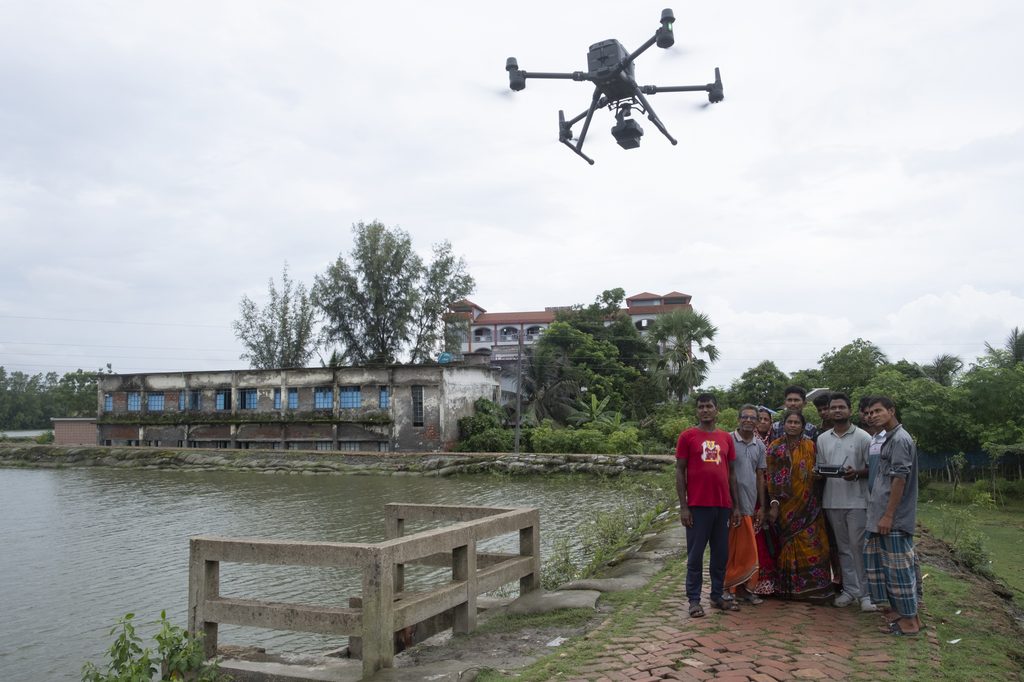
The SURF-IT project targets severe coastal vulnerability in Southwest Bangladesh’s Khulna and Satkhira districts, where cyclone-driven storm surges frequently overwhelm coastal embankments. By combining artificial intelligence with community knowledge, the initiative develops real-time forecasts of tidal estuary surge levels and maps embankment conditions to improve local early warning systems. Designed alongside coastal populations—with an emphasis on empowering women and vulnerable groups—SURF-IT translates advanced predictive data into targeted disaster responses, aiming to protect over 600,000 residents while informing broader national and international climate adaptation efforts.
Indonesia: sustainable fishing on coral reefs
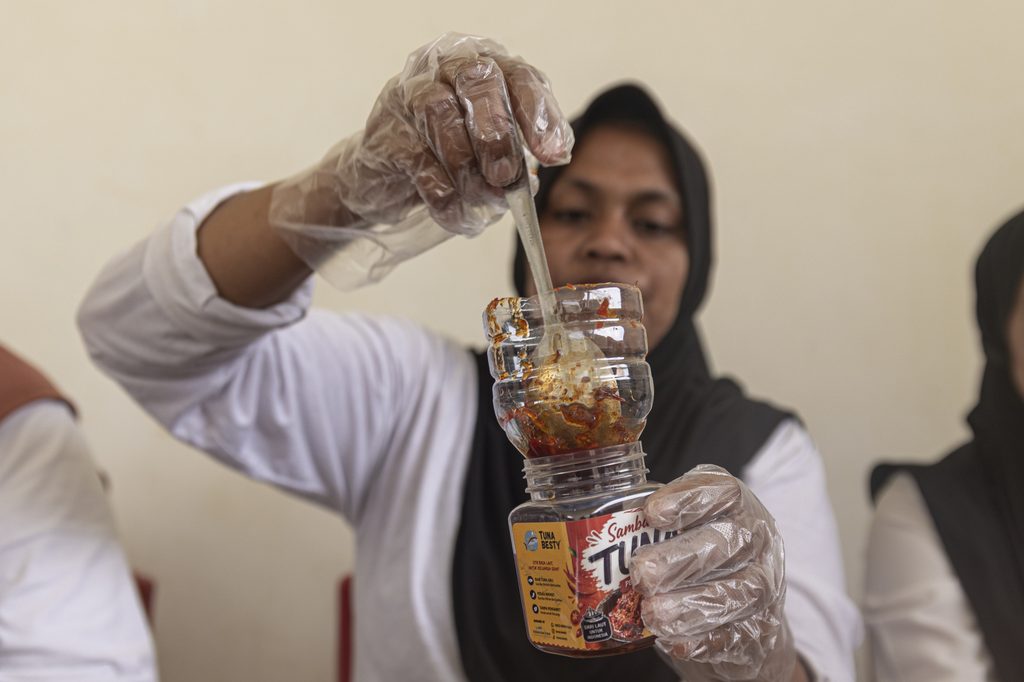
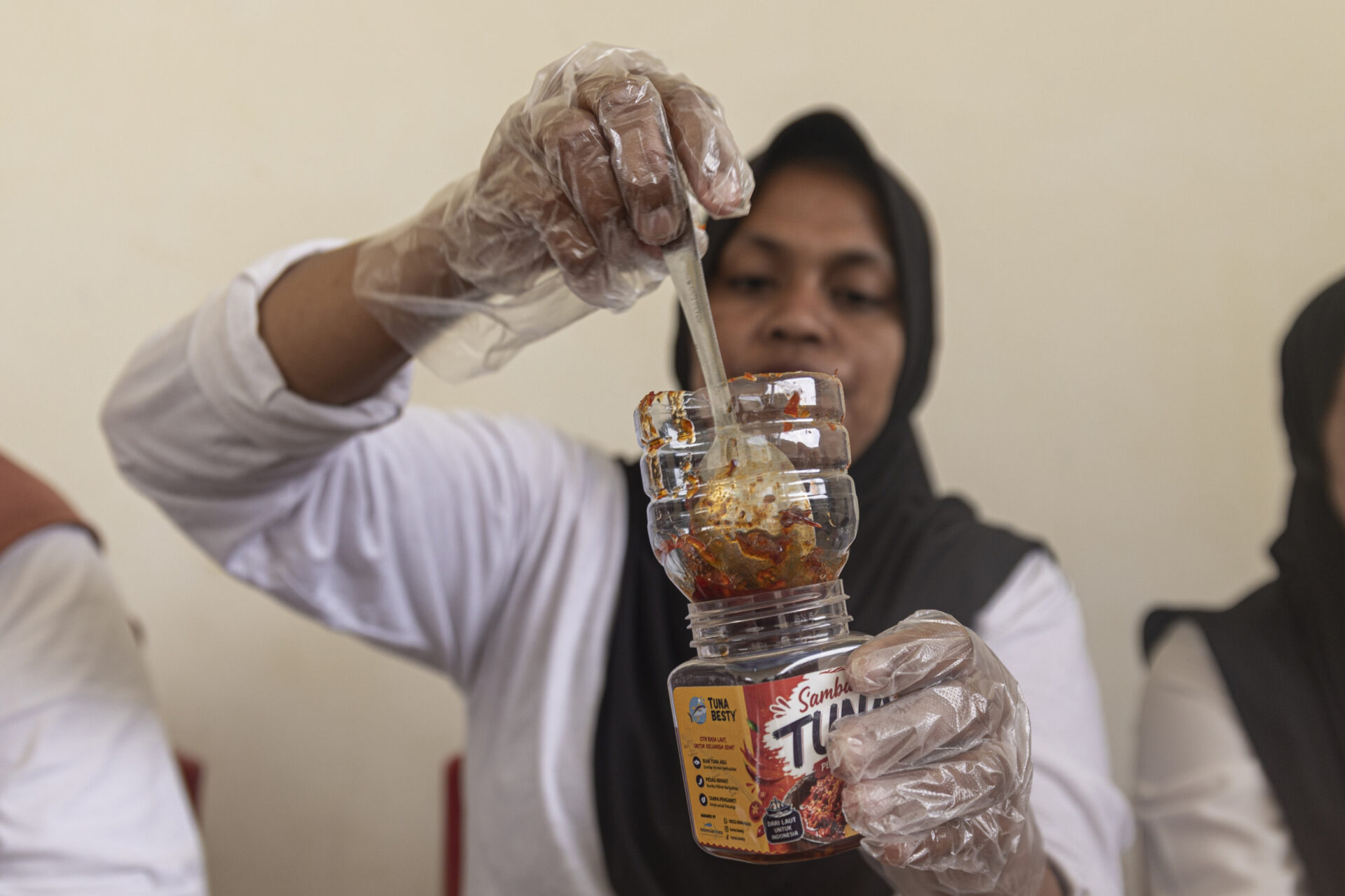
The ClimateREEFS project supports women in small-scale reef fishing communities across the region to strengthen local food security and climate resilience. Recognising that fisherwomen who diversify their roles or process fish show higher adaptive capacity, the project provides practical training in fish preservation, financial literacy, production facilities, and market infrastructure to overcome key financial and commercial barriers.
By utilising platforms like Instagram for digital storytelling and connecting with Coral Triangle Initiative (CTI-CFF) guidelines, ClimateREEFS builds a digital network of fisherwomen and documents their local adaptation experiences to inform gender-responsive climate policies at national and regional levels.
Thailand: Urban Nature-based Solutions for climate resilience
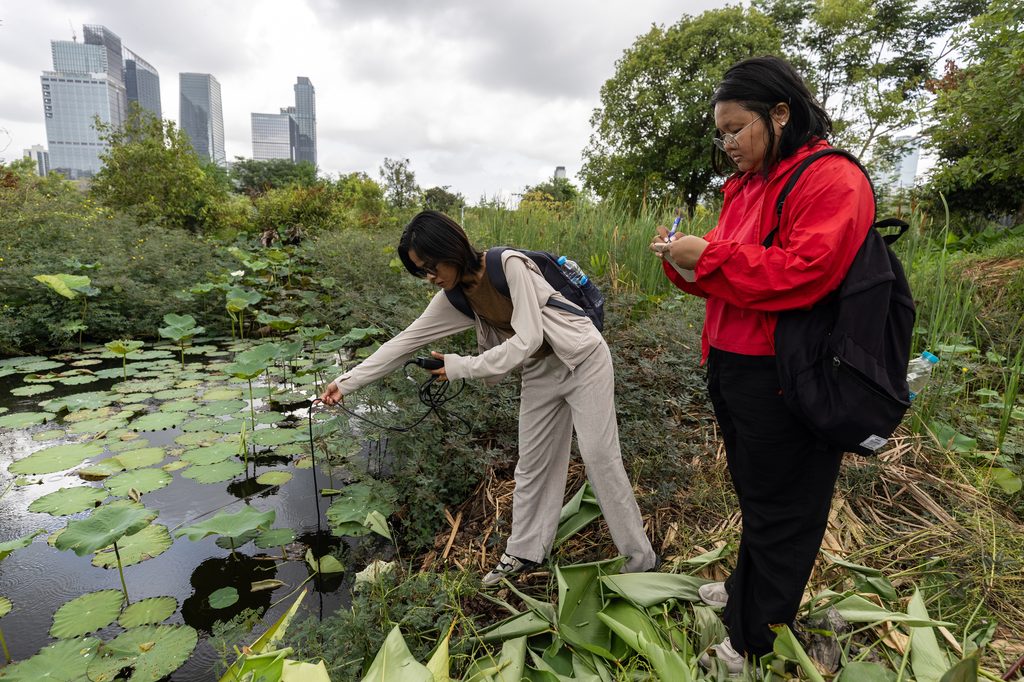
NbCLARE provides practical guidelines to help researchers, urban planners, and decision-makers design nature-based solutions that strengthen community climate resilience across Southeast Asia. By combining ecosystem monitoring with extensive community and stakeholder consultations, the initiative ensures these strategies prioritise equity and target locally identified needs.
Across project sites in Thailand, Lao PDR, Vietnam, Malaysia, and Indonesia, NbCLARE evaluates key factors like flood mitigation, heat comfort, aquatic habitat health, and acoustic tranquility using real-time sensor technology backed by manual field checks—delivering data-driven insights to improve living conditions and well-being regionwide.
Uganda: building adaptive capacities for women smallholder farmers
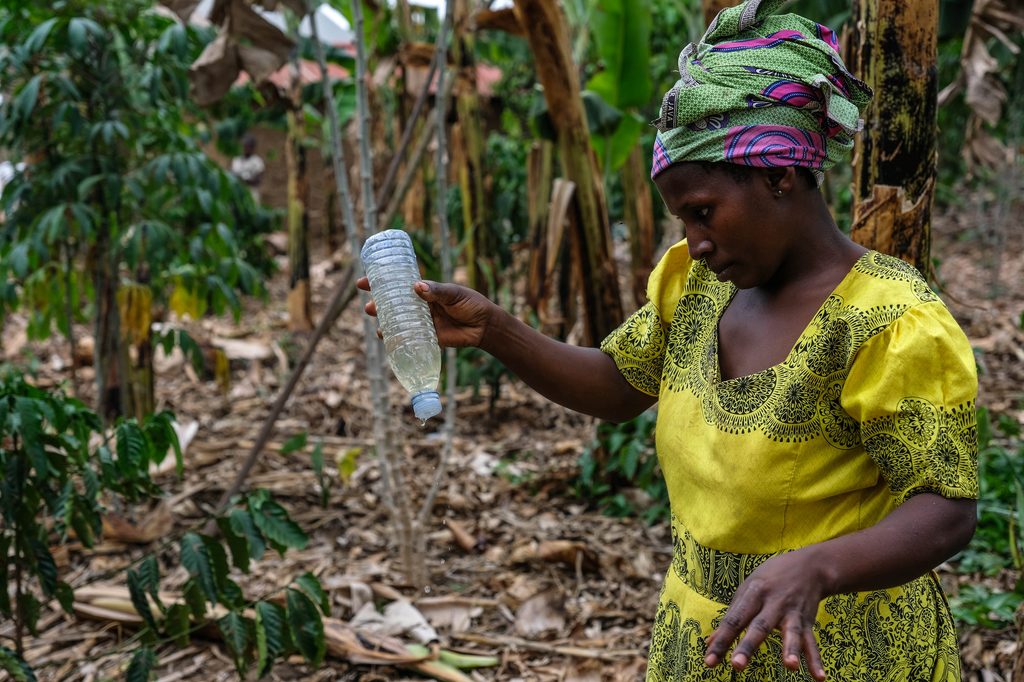
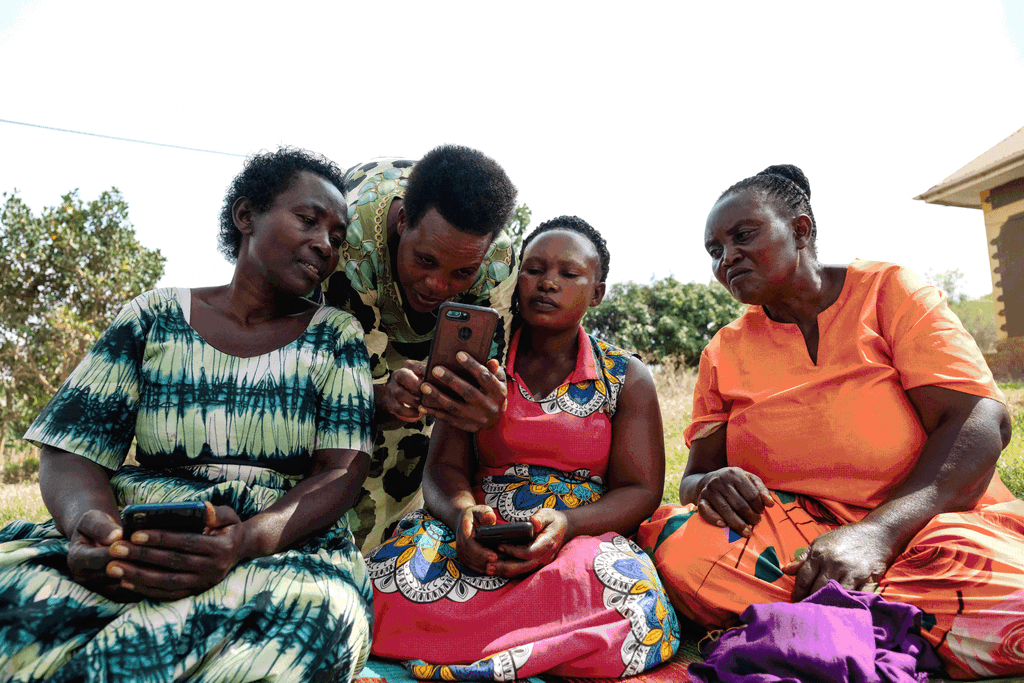
The WOSFER project helps rural families in Uganda’s hot, dry “cattle corridor”—specifically in the Katakwi and Lyantonde districts—protect their rain-fed farms from severe climate risks. To break down gender barriers, the initiative equips women farmers with climate-smart agricultural training, mentorship, and accessible digital tools for real-time weather and farming advice.
By leading inclusive community dialogues with men, youth, and local leaders to challenge restrictive social norms, alongside advocating with policymakers for gender-responsive policies, WOSFER works to eliminate systemic obstacles and secure lasting food production and climate resilience.
Browse all the images in the CLARE-Climate Visuals library here: https://www.climatevisuals.org/collection/157
Categories
Countries
CLARE Pillars
CLARE Themes
CLARE Topics