
AV-STEC Capacity strengthening: Saariba Community
/
Venue: Saariba, West Mamprusi District, North East Region
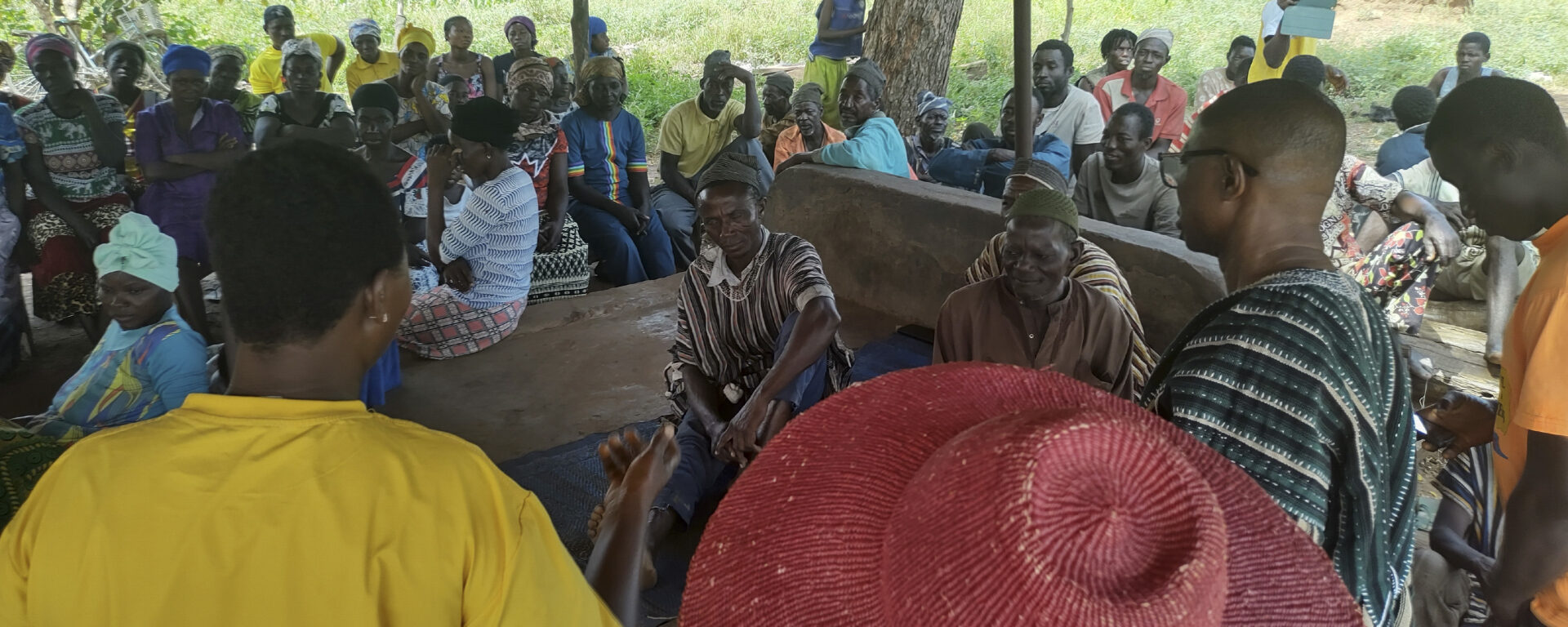
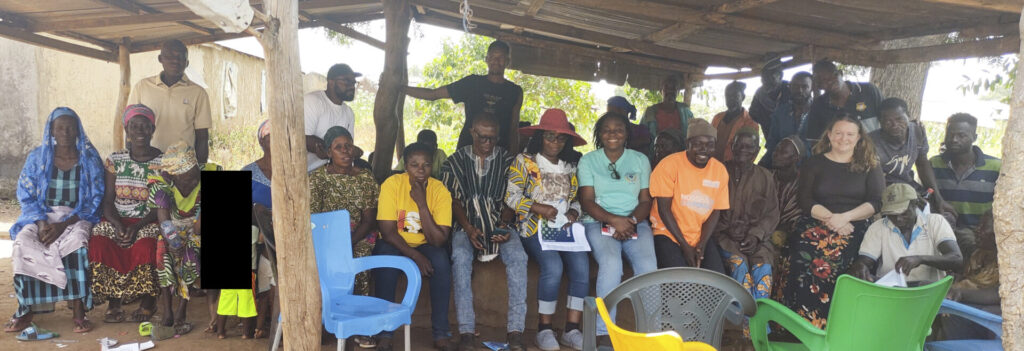
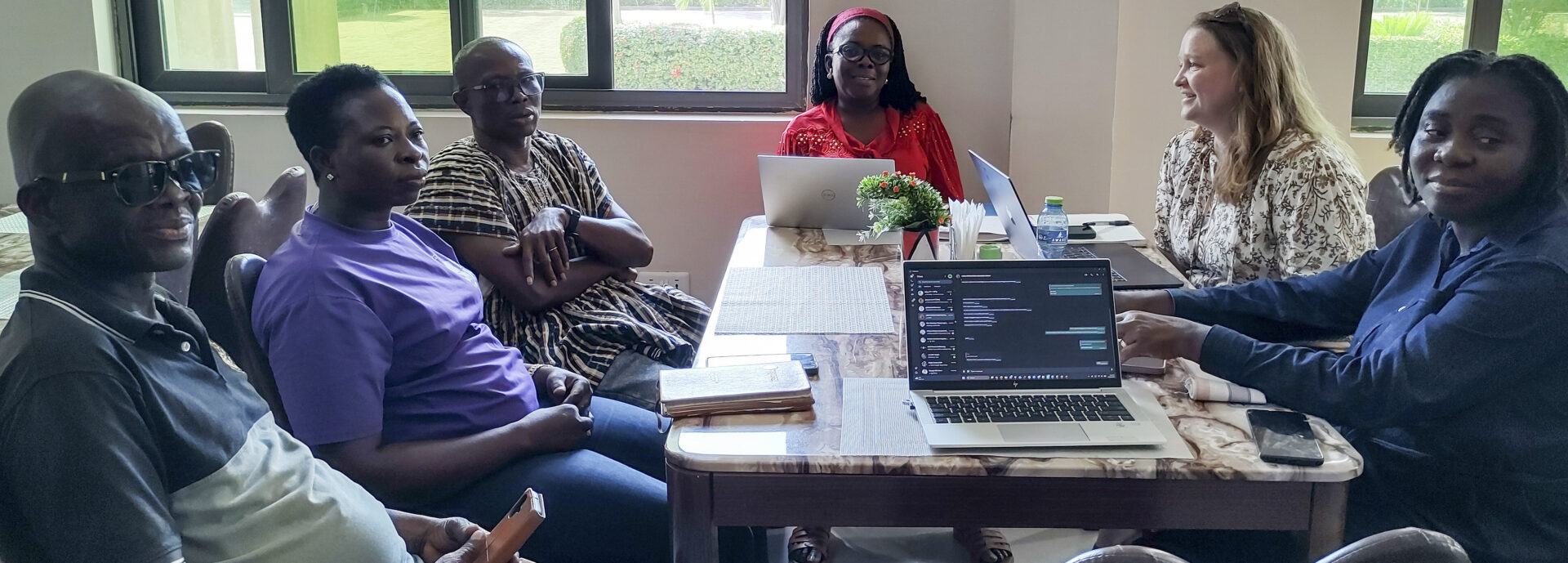
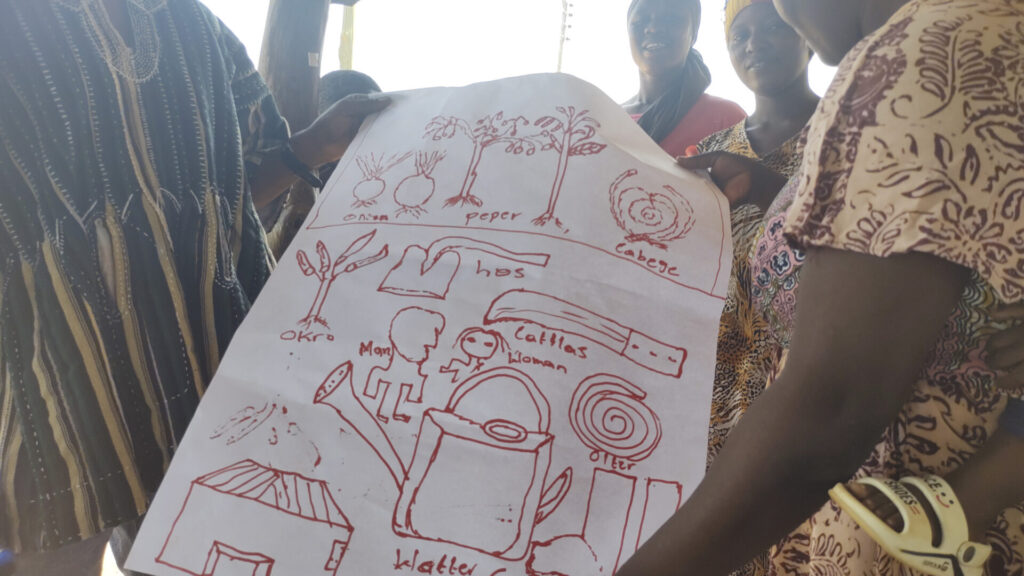
The AV-STEC team successfully organized a two-part capacity strengthening workshop at Sariba as part of ongoing engagements with selected communities. On Friday, October 23rd, 2026, AV-STEC team members from CBCR, the University of Ghana (UG), and the Stockholm Environment Institute – US (SEI) met with community members and leaders from Saariba for discussions on climate change and its impacts on the community. The meeting also sought to establish an understanding of how the benefits from the project-installed dry-season irrigation pumping system would be shared among community members. Community members were guided to co-design benefit sharing systems to ensure equity and fairness.
Part 1: Community-wide Engagement
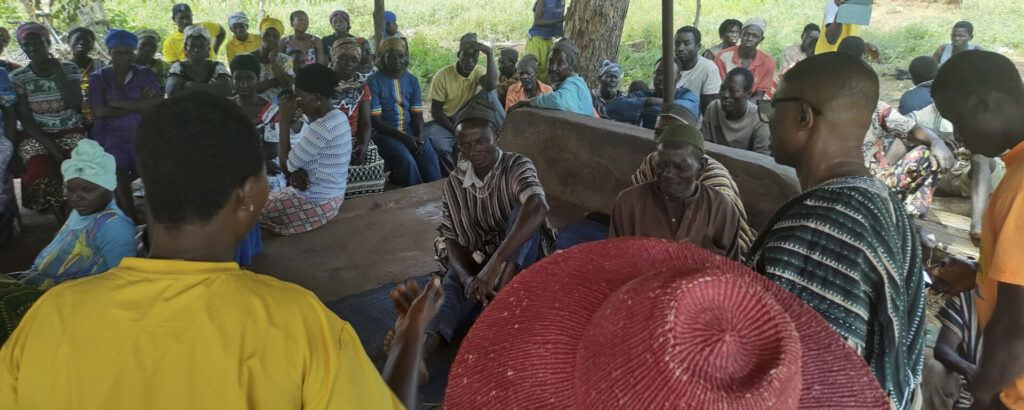
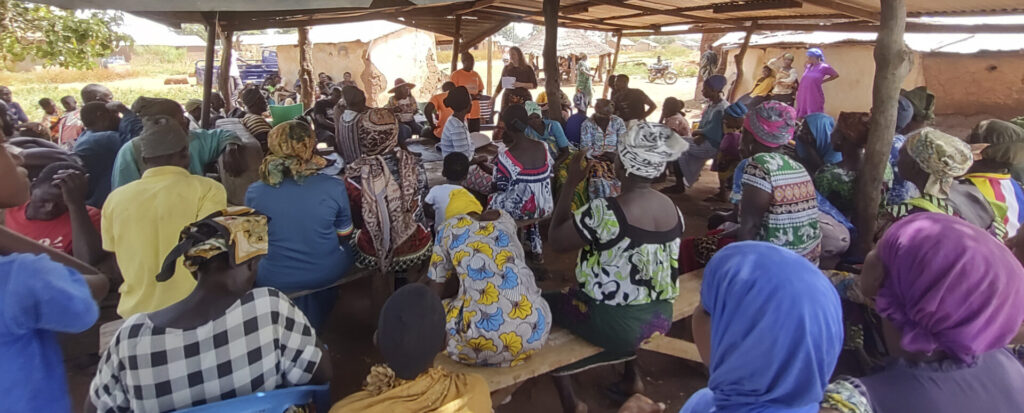
In attendance were the Chiefs and Elders, opinion leaders, and over 200 community members, comprising the elderly, the mature, and the youth, and some children. Attendance and engagement were exceptionally high, with discussions remaining practical, responsive, and grounded in the local reality.
Key issues discussed included:
- Climate Literacy and Local Framing of Climate Change: The team facilitated discussions to demystify climate change, framing it within locally applicable contexts and experiences such as changes in rainfall patterns, prolonged dry seasons, and the impacts of White Volta flooding and Bagre Dam spillage on farming and livelihoods. The interactions saw community members sharing their experiences on how they have perceived climate change through the lens of their farming practices and how the former has impacted the latter.
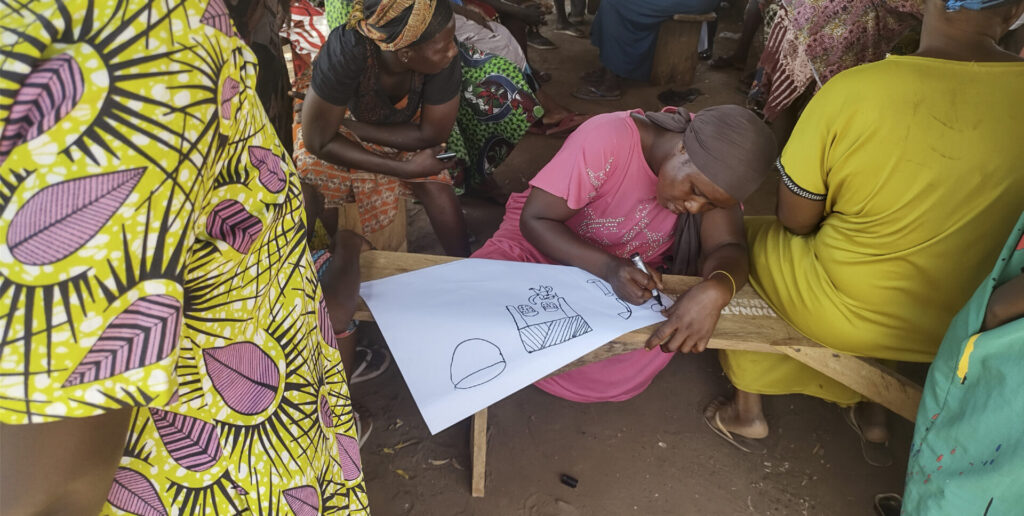
- Equitable Benefit Sharing for the Irrigation Project: The community was engaged on principles of fair and inclusive use of the proposed irrigation project and equitable sharing of proceeds to ensure the intervention benefits all segments of the community. The discussions were very practical and interactive as the irrigation project had already commenced in the community.
Participants actively contributed indigenous knowledge and expressed their livelihood challenges, making the session highly interactive.
Part 2: Leadership and Representative Dialogue
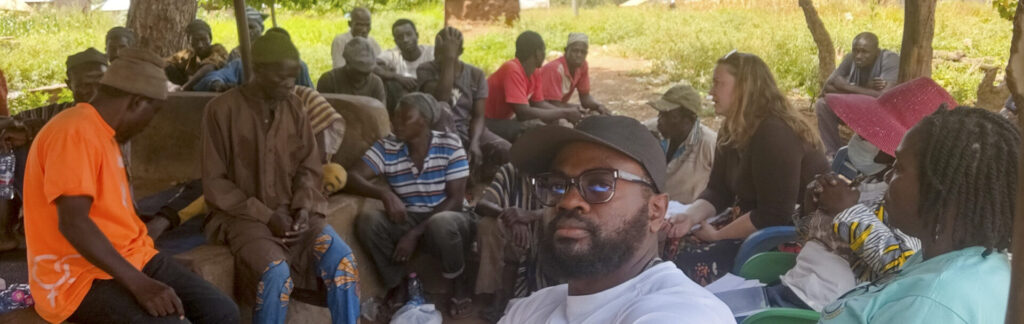
The second part of the workshop was a focused engagement with the Chief, opinion leaders, and group representatives.
Discussions centered on:
- Mechanisms for ensuring equitable benefit sharing in practice.
- Modalities to guarantee inclusion for all, particularly vulnerable groups including the elderly, migrant groups, and persons with disabilities.
- Governance structures for the irrigation scheme.
Outcomes and Commitments
The community received the intervention with open arms and great eagerness. As key outcomes, community leadership made firm commitments to:
- Uphold the principles of equity and inclusion agreed upon during the workshop.
- Set up a local committee to ensure orderly operations, conflict prevention and resolution, and transparent management of the irrigation facility.
- Set up a communal fund to receive contributions from all beneficiaries. The funds will be used for maintenance of the irrigation facility and developmental initiatives in the community.
- The workshop has strengthened community ownership and laid a solid foundation for inclusive implementation of the AV-STEC intervention in Saariba.
Next Steps: Follow-up on committee formation and documentation of local by-laws for equitable water use.
Categories
Countries
CLARE Pillars
CLARE Themes
CLARE Topics