

Story of change: The Homeless People’s Federation of the Philippines strengthens its capacity to address climate change
Published on
Authored by the RURBANISE project team and the Southern Hemisphere evaluation team
CLARE Stories of Change are snapshots of how research and capacity strengthening initiatives that the programme supports are contributing to specific changes on the ground in support of resilience to climate change and natural hazards. They help illustrate how CLARE is enabling socially inclusive and sustainable climate resilience, as outlined in the CLARE Theory of Change.
What changed?
Through its participation in the RURBANISE project since 2023, the Homeless People’s Federation of the Philippines (HPFPI) has strengthened its organizational capacities to support climate change adaptation across the communities it supports. HPFPI is a federation of homeowners’ associations and community groups that advances community development in informal settlements through collective action, savings schemes, and partnerships with other support organisations.
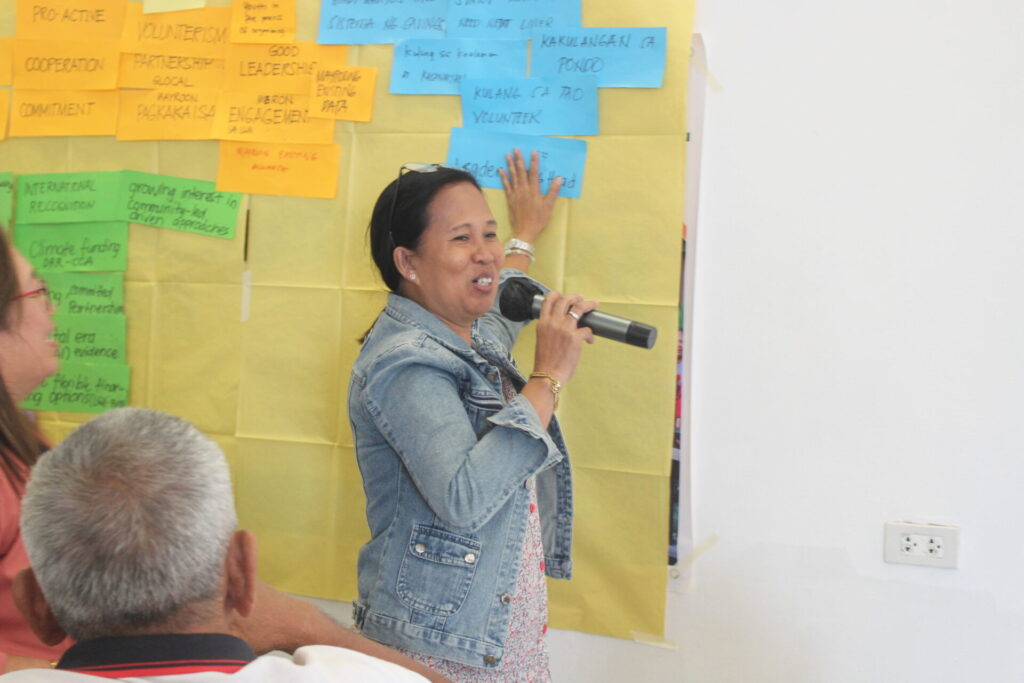
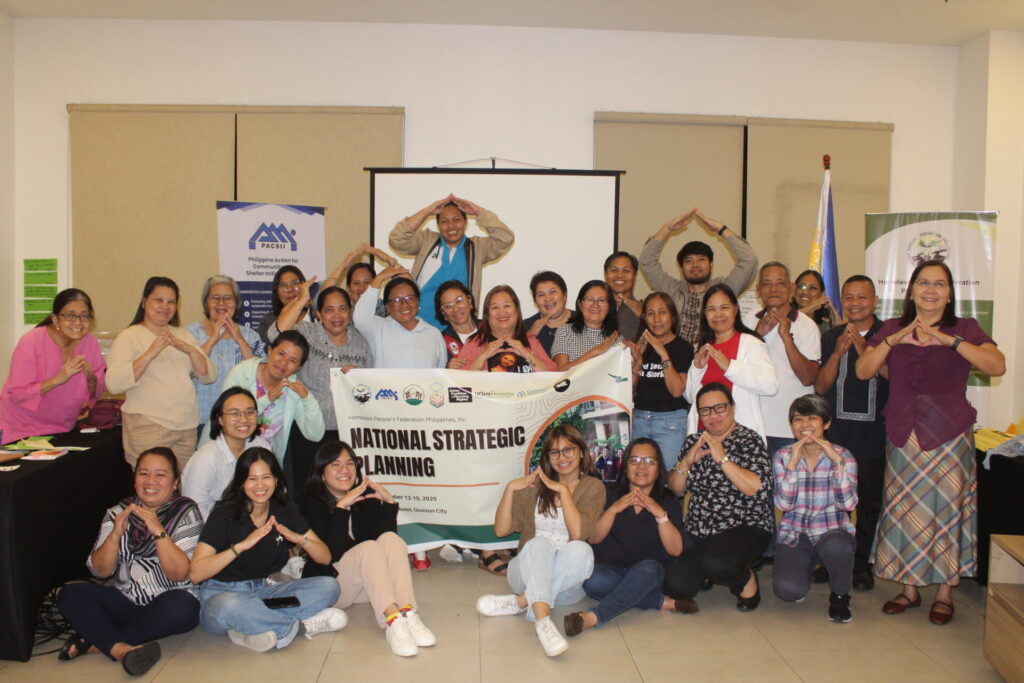
HPFPI has now explicitly incorporated climate-related risks and disaster resilience into its organizational planning and coordination as part of a broader transition from fragmented and informal governance and planning systems toward more formalised, coordinated, and evidence-based structures. A key milestone in this process was the development of HPFPI’s first unified federation-wide strategic plan in 25 years, which considers climate change adaptation, recognizing that it is intertwined with constituents’ immediate priorities such as land and housing.
HPFPI has also established new connections with national institutions such as the Climate Change Commission. Through RURBANISE, it has also worked with seven member communities to strengthen their connections with city, district, and national authorities. These efforts have expanded the federation’s advocacy reach and strengthened its connections with actors critical to supporting climate adaptation efforts in informal settlements across the Philippines.
Why does it matter?
HPFPI’s strengthened capacity to coordinate and scale adaptation efforts across geographically dispersed, climate-vulnerable communities enables more coherent prioritisation of risks such as flooding and disaster exposure. Stronger governance and strategic direction support more sustained, organised, and equitable responses to climate hazards affecting informal settlement residents. This work is critical in the Philippines, where residents of informal settlements face heightened vulnerability to climate hazards such as typhoons, flooding, and sea-level rise, yet often have limited access to the resources, infrastructure, and institutional support that can enable effective adaptation.
Strengthening organisational capacity is especially important for networks like HPFPI, as it helps ensure that individual and community-level gains translate into sustained and scalable impact. Improvements in governance structures, leadership roles, and strategic planning within HPFPI have better enabled the federation to coordinate its activities, engage effectively with external actors, and disseminate knowledge across its wider network. This stronger organisational backbone enhances HPFPI’s ability to consolidate and scale inclusive adaptation practices into broader, longer-term impact.
What did CLARE do to contribute?
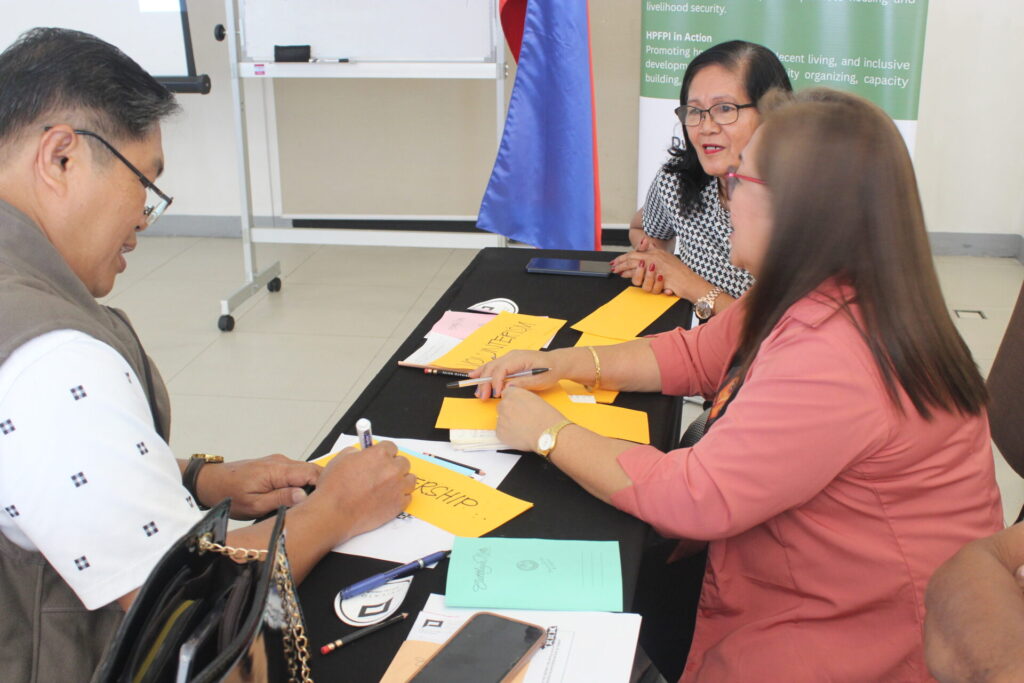
RURBANISE contributed to this outcome by providing structured, multi-stage support for HPFPI’s organisational development, particularly through the design and implementation of an organisational assessment that diagnosed governance and capacity gaps. Although the organizational assessment was not originally included among the project’s planned activities, the team introduced this important exercise in recognition of the critical role that an organisationally strong and effective HPFPI would play in supporting the resilience of its member communities. Evidence from this assessment and ongoing activities undertaken through RURBANISE have facilitated strategic planning processes at both federation and community levels and have provided sustained organisational development support. The project has also used community-level evidence and participatory processes to introduce and embed climate change and disaster risk considerations into HPFPI’s planning and practice.
RURBANISE did not simply support generation of a plan; it strengthened HPFPI’s institutional capacity to plan, coordinate and act as a federation. This is a significant step for a grassroots network seeking to support climate adaptation across a wide and diverse membership.
About RURBANISE
The Resilience of informal communities in rapid urbanization (RURBANISE) project deepens understanding of the different ways in which residents of informal settlements in the Philippines are vulnerable to climate-related risks by actively engaging those communities in the process. The project mobilizes and enhances existing and potential capacities to strengthen effective responses for climate adaptation in nine informal settlements and to deliver inclusive, practical adaptation actions.
Learn more:
Categories
Countries
CLARE Projects
CLARE Pillars
CLARE Themes
CLARE Topics
CLARE Partners