
Adapting to changing climates: Why inclusive and equitable research matters
/
To be truly transformative, climate adaptation research cannot only aim to help communities adapt to the challenges of a changing climate – it must also change who has the agency to decide how to do so.
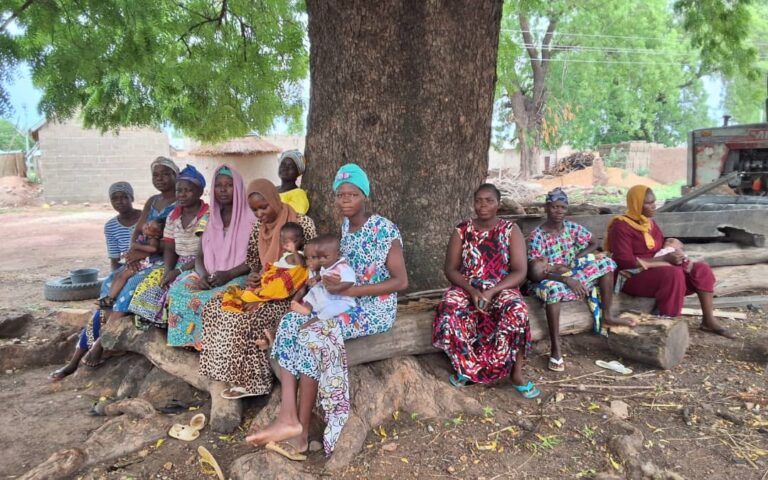
For example, floods reach Ghana’s White Volta Basin each year from Burkina Faso. There, along with droughts, they jeopardize the well-being of communities that depend on rainfed farming. And while these community members hold valuable Indigenous knowledge about resilient farming practices, they often lack decision-making power and have limited access to timely farming inputs, compounded by the challenges of chronic poverty. Women are also particularly affected — including those experiencing further marginalization due to intersecting identities like ethnicity, age or marital status — due to limited land ownership, heavy work burdens and deeply entrenched norms that restrict their inclusion in decision-making and mobility.
But the PALM-TREEs project is changing this. Researchers have worked closely with communities to increase the number and sustainability of village savings and loans associations, which can be used to request short-term loans to invest in farming inputs, small businesses or household needs. With active leadership from women, 37 of these associations now exist across nine communities, empowering over 1,000 members — more than 75% of whom are women — to save, access credit, and invest in climate-smart agriculture and alternative livelihoods.
Understanding who is impacted, and how
Climate change increasingly and disproportionately affects the world’s most vulnerable — especially women, girls and marginalized communities. It also impacts these individuals in distinct ways, depending on intersecting identities like gender, age, ability, class, ethnicity and indigeneity. To ensure that climate solutions are effective, diverse members of vulnerable communities need to be supported in becoming engaged with designing the solutions that will impact their lives.
A focus on socially inclusive resilience
The CLARE programme aims to enable socially inclusive and sustainable action to build resilience to climate change and natural hazards for people across the Global South. From its inception, CLARE has set out to centre gender equality and social inclusion considerations, aiming to reduce barriers for vulnerable populations while engaging these groups as key decision makers and actors. Every project funded by CLARE demonstrates a credible approach to understanding and responding to the differential needs of populations while building inclusive approaches into every step of the project life cycle.
All projects funded under CLARE have an ongoing commitment to gender equality and inclusion (GEI) across all relevant aspects of the work. This typically means that they
- engage community members meaningfully in co-creation and co-design
- aim to position members of vulnerable populations as decision-makers and power holders
- foster partnerships with advocacy and action-oriented organizations including non-governmental organizations, community-based organizations and women’s rights groups
This collaboration is reshaping the way research takes place with rather than on harder-to-reach communities, be they those in informal settlements, pastoralist communities, rural areas or other settings.
What makes a project transformative?
Projects that work to shift power relations and change norms are considered GEI transformative. They focus on the root causes of inequality, whether it involves including men in planning so they embrace adaptation solutions for women in their households, or exploring migration patterns and experiences within households and communities to understand shifting roles and trade-offs that occur in these scenarios. Transformative projects strive to make the invisible visible: they are an essential part of CLARE’s contribution to change because they examine, question and build an evidence base to address the underlying causes of inequalities.
Here are a few more examples of how CLARE is advancing gender equality and inclusion in the context of climate adaptation:
SUCCESS project
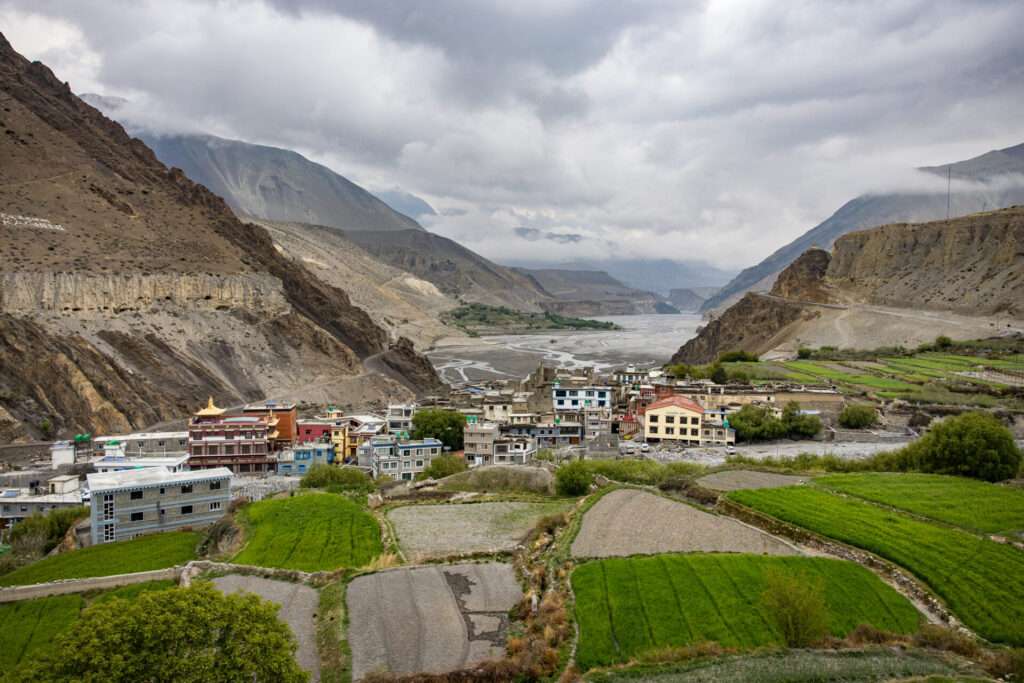
The SUCCESS and CLAPs project teams are working to shift the narrative on migration as adaptation in Bangladesh, Bhutan, Nepal and India, exploring a continuum involving planned relocation, migration for livelihood opportunities or remaining in rural communities. In each instance, partnering with NGOs has enabled context-specific interventions to ensure safe and dignified mobility — or immobility — as successful adaptation.
RURBANISE project
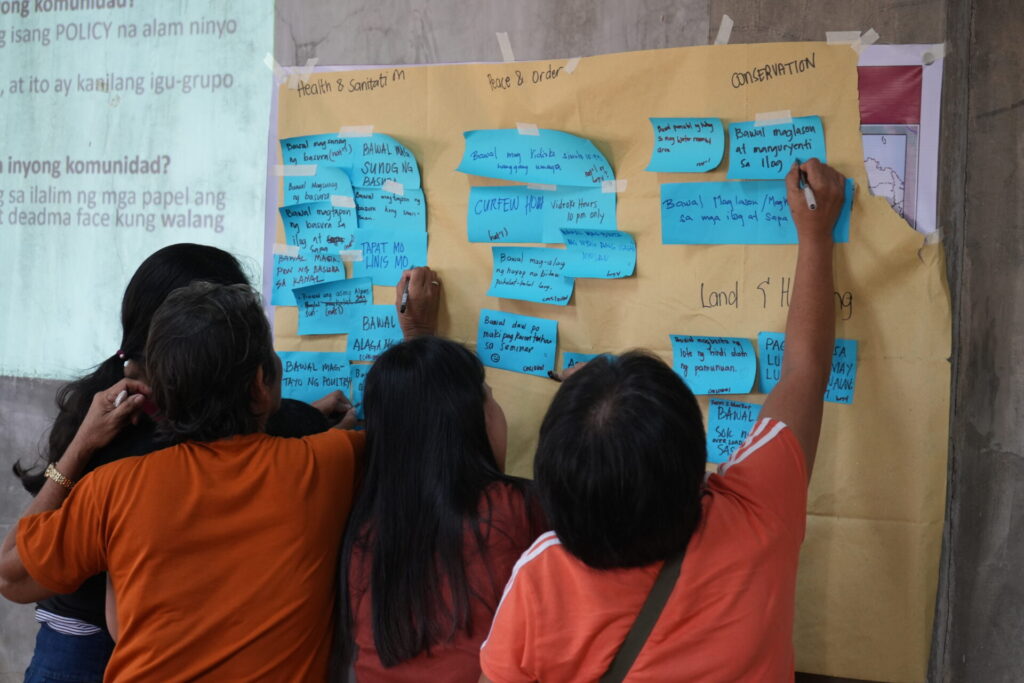
In the Philippines, the RURBANISE project team is working with residents of informal settlements to co-produce practical climate adaptation actions, particularly in the face of more frequent and intense extreme weather events like typhoons.
WOSFER project
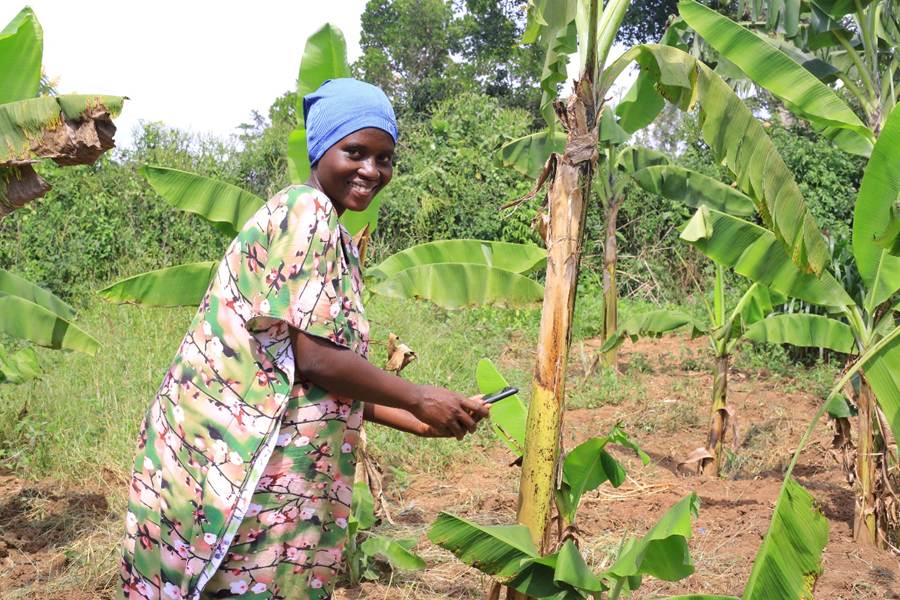
The team behind the WOSFER project in Uganda is empowering women smallholder farmers to adopt climate-smart farming practices and women-friendly digital innovations, while working with the community and policymakers on systemic change towards gender equality and inclusion.
PALM-TREES project
In addition to introducing village savings and loans associations, the PALM-TREES project is investigating the impact that climate related stress has on gender-based and domestic conflict and violence. The team works closely with communities to co-develop advocacy tools used that can be used by various actors, particularly at a municipal level, to elicit and question the root causes of these conflicts.
These stories remind us that people experience climate shocks in diverse ways, and research that truly aims to build resilience must be founded on a commitment to equality and inclusion from the very beginning. This has helped CLARE‘s research teams achieve transformative impacts when it comes to changing cultural norms, building climate resilience and ensuring that solutions work for everyone.
These stories and more will be captured in a special issue in the Climate and Development Journal dedicated to GEI and led by two CLARE researchers, Nitya Rao and Florence Kyoheirwe Muhanguzi, published later in 2026.
Contributors: Shannon Sutton, Senior Program Officer, CLARE programme, IDRC and CLARE partners from PALM-TREEs, WOSFER, RURBANISE, SUCCESS and CLAPs. This blog was originally published here.
Learn more about the projects:
- Successful intervention pathways for migration as adaptation (SUCCESS)
- Climate Change Local Adaptation Pathways (CLAPs)
- Resilience of informal communities in rapid urbanization (RURBANISE)
- Building WOmen Smallholder Farmers’ empowerment and adaptive capacities: A pathway to Enhancing women’s Resilience to climate change in Uganda (WOSFER)
- Pan-African and transdisciplinary lens on the margins: Tackling the risks of extreme events (PALM-TREEs)
Categories
Countries
CLARE Pillars
CLARE Themes
CLARE Topics