
Story of change: Enhancing adaptation impact through strengthened knowledge brokering capabilities
Published on
Authored by Adéle Hosken, Xoliswa Ndeleni, Suzanne Carter, Lucia Scodanibbio
CLARE Stories of Change are snapshots of how research and capacity strengthening initiatives that the programme supports are contributing to specific changes on the ground in support of resilience to climate change and natural hazards. They help illustrate how CLARE is enabling socially inclusive and sustainable climate resilience, as outlined in the CLARE Theory of Change.
What changed?
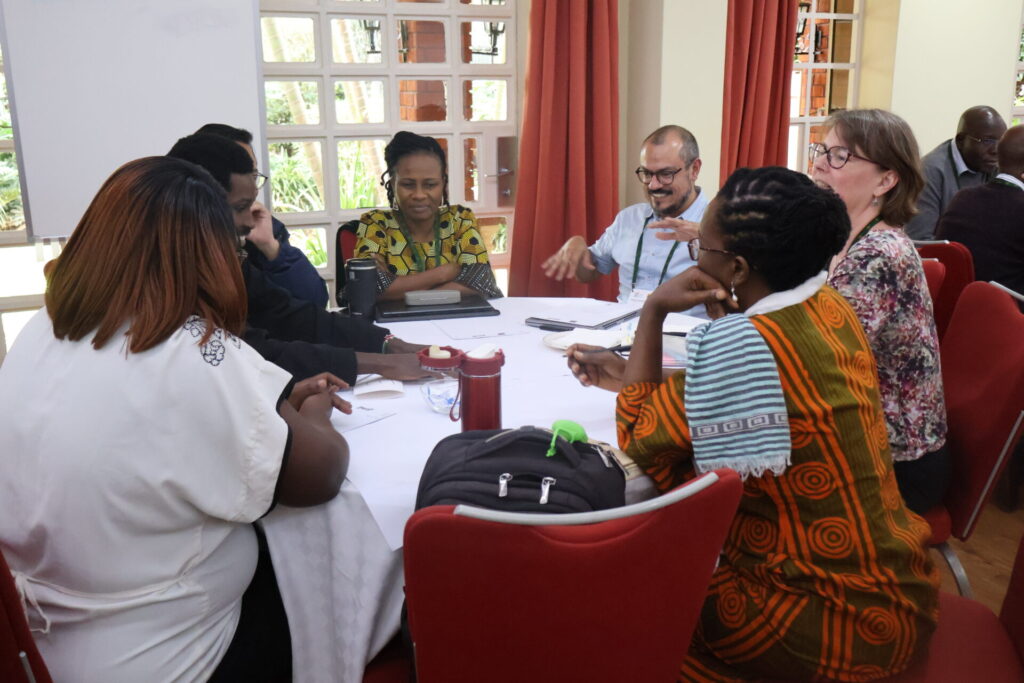
Individuals from across the CLARE community are applying new knowledge brokering techniques in their research for impact work following participation in a CLARE workshop. A core strategy for achieving CLARE’s long term impact is to ensure knowledge and evidence generated are taken up and actioned to increase the resilience of vulnerable communities. Knowledge brokering is a key mechanism for achieving this aim, to which end CLARE delivered a knowledge brokering workshop.
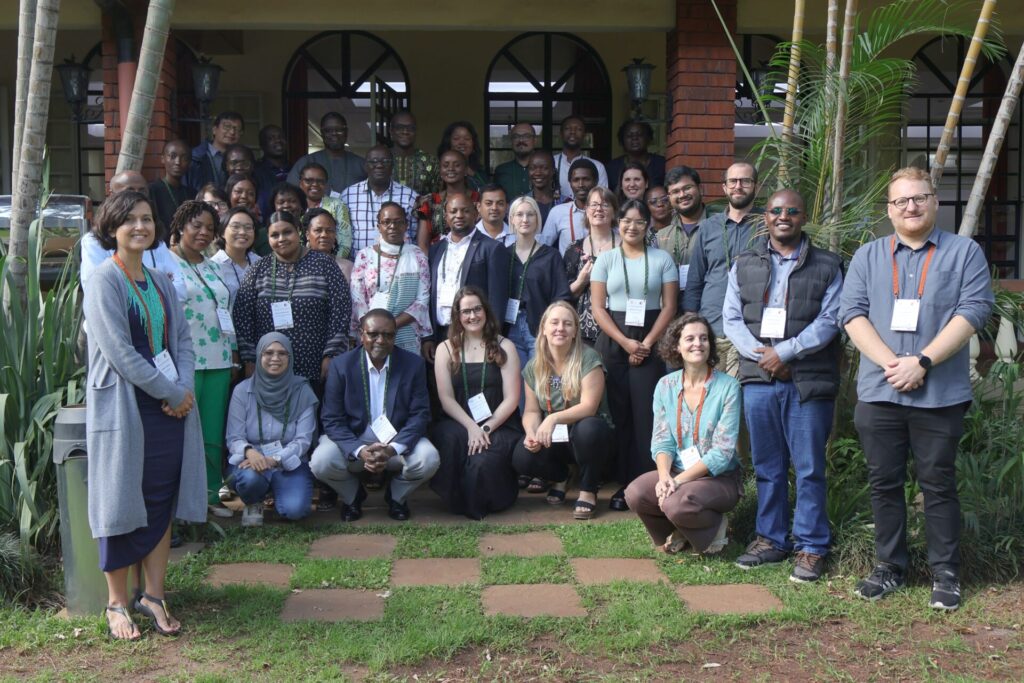
Photo credit: ACTS
Held in May 2024, the knowledge brokering workshop was hosted by the CLARE Research for Impact Hub in collaboration with the Climate and Development Knowledge Network and the CLARE Capacity Strengthening Hub.
“Knowledge brokering is the process of moving knowledge into action, where knowledge brokers link producers and users of knowledge to facilitate the generation, dissemination and eventual use of that knowledge.” – Climate and Development Knowledge Network
Participants surveyed eight months1 after the workshop reflected that they are now more intentional in the design and facilitation of stakeholder engagements. They are drawing from a wide range of tools and approaches they were exposed to during the workshop and are adapting these methods to their contexts. Evidence from post-workshop surveys showed that 77% of participants had applied knowledge from the workshop in practice, demonstrating real changes in understanding and approach to knowledge brokering.
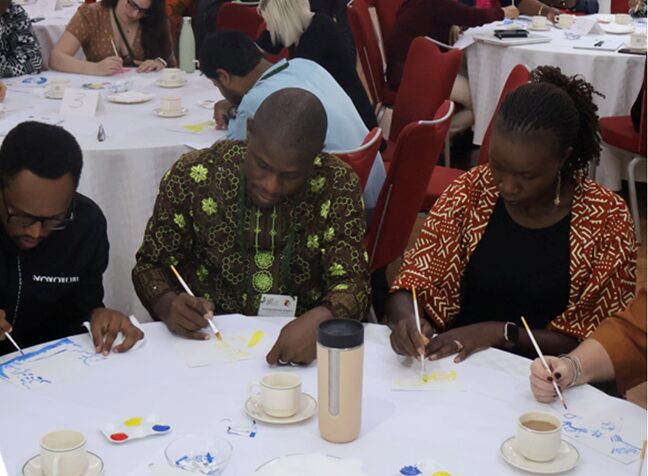
Credit Roy Bouwer
Credit Adéle Hosken
Credit Roy Bouwer
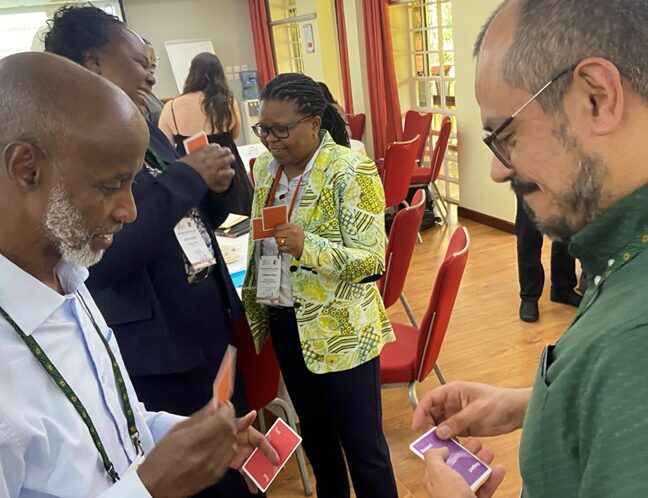
In particular, participants shared that since the workshop they have been using a variety of tools and approaches that were new to them, including the ‘All hands-on deck’ card game, stakeholder mapping and social network analysis, and design principles from a session on co-creation. Participants noted changes in how they are running co-creation processes, including valuing joint planning and execution of activities, better communicating expectations, and paying closer attention to understanding context and social interactions.
“My approach to running a co-creation process has evolved. I’ve noticed improvements in fostering more inclusive participation, ensuring that community voices are integrated alongside academic and practitioner insights. Additionally, I’ve adopted more structured facilitation techniques, clearer goal-setting, and iterative feedback loops to enhance collaboration and ownership among stakeholders.”
– Workshop participant
An example from the SURF-IT project
A participant noted that the SURF-IT team adapted its stakeholder engagement immediately following the knowledge brokering workshop. With a deeper appreciation for engaging with diverse stakeholders, their approach now involves acting as an intermediary to bridge local, district, and national levels of engagement to inform the development and use of impact-based forecasts of water surge levels in coastal areas of Bangladesh.
Before attending the workshop, the SURF-IT team generally met with different stakeholder groups bilaterally. Following the knowledge brokering workshop, SURF-IT modified its approach to convene four key decision-making national line departments in Bangladesh (Water Development Board, Metereological Department Board, Department of Disaster Management, and Cyclone Preparedness Programme) together for the first time. These departments now regularly share lessons and challenges and coordinate their actions through meetings every six months. This is a first step to enable the scaling SURF-IT’s tidal surge forecast model from 2 to 19 Bangladeshi coastal districts, ensuring the long-term sustainability of the intervention.
An example from the SUCCESS project
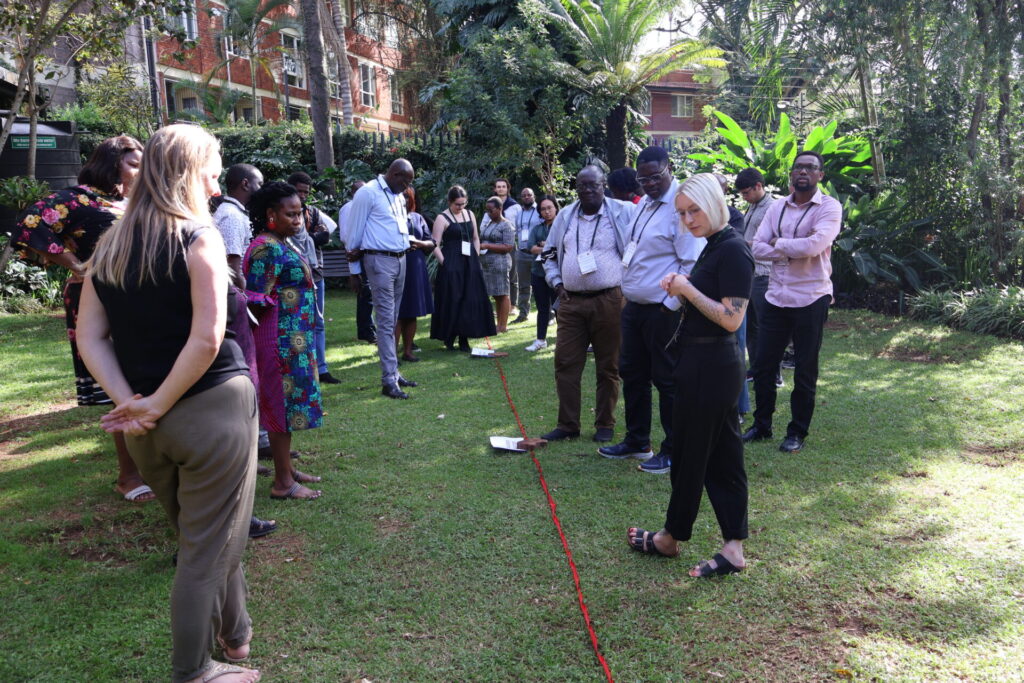
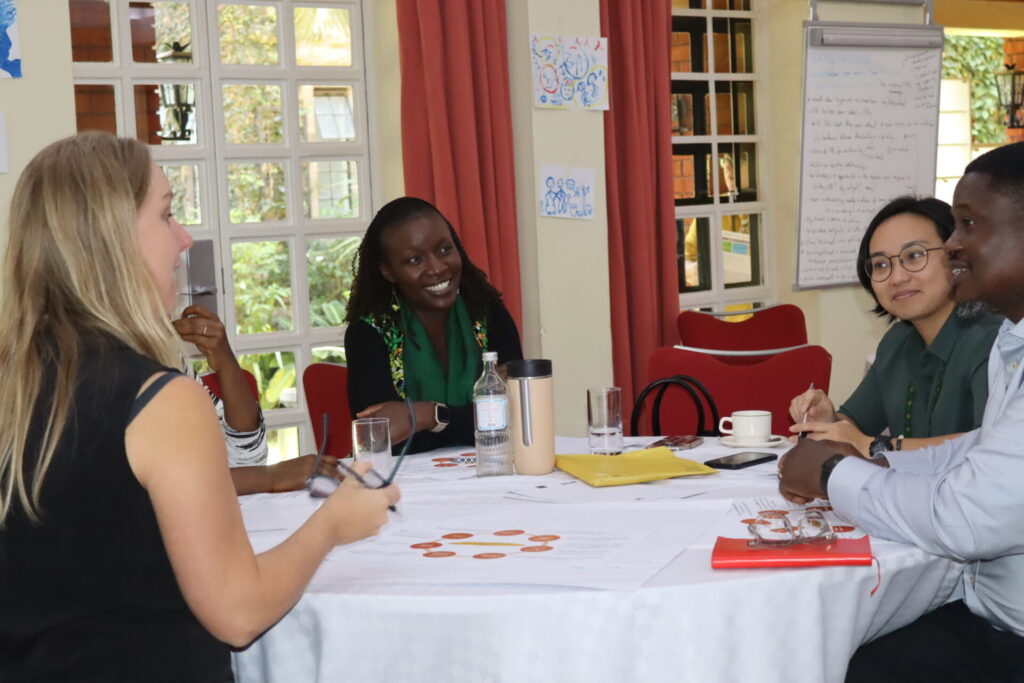
A participant from Integrated Mountain Development (ICIMOD) in Nepal, significantly increased his agency to apply knowledge brokering tools and approaches in the SUCCESS project following the knowledge brokering workshop. Starting in August 2024, the participant integrated tools from the knowledge brokering workshop into stakeholder engagement and training activities during a foresight planning workshop organized by ICIMOD and partners. One such example is the incorporation of Social Network Analysis principles to enable deeper examination of relationships and communication patterns among stakeholders across governance levels.
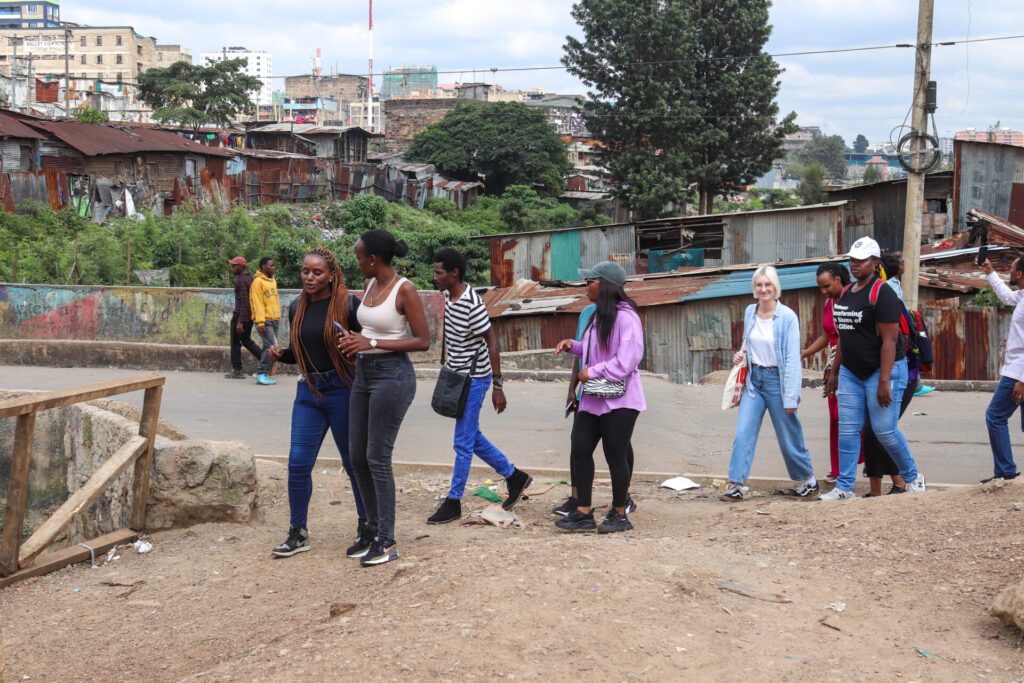
Credit: ACTS
Why does it matter?
These changes matter because how climate adaptation knowledge is brokered directly shapes who participate in decision-making, whose knowledge is valued, and whether adaptation interventions are inclusive and sustainable.
CLARE’s explicit investment in research for impact (R4I) acknowledges the importance of approaches to climate adaptation research that genuinely involve those most affected by climate change, and those positioned to do something about it. The knowledge brokering workshop better equipped CLARE project teams to do exactly this, making the changes in how project teams are carrying out their research as a result of the workshop a critical step towards achieving their common goal: enabling the adoption and use of socially inclusive climate adaptation solutions.
The workshop also helped build early connections between CLARE project teams across regions, fostering opportunities for continued collaboration and shared learning. The observed changes in practice since then demonstrate that the workshop strengthened researchers’ capability to use more inclusive and locally relevant approaches in climate adaptation research.
What did CLARE do to contribute?
Researchers and practitioners who participated in the workshop were exposed to many new concepts while interactive exercises and reflection provided guidance on how to replicate these types of engagement in their own work. The approaches provided them with new ideas on how to engage more effectively with stakeholders, manage power dynamics consciously, and make events more dynamic.
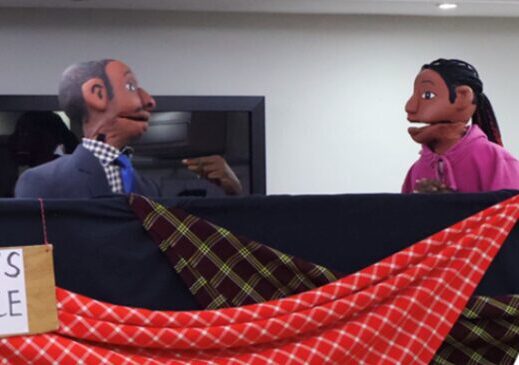
The workshop had six key modules: what is knowledge brokering; why context counts; co-creation; knowledge translation and communication; bridging the knowledge to action gap; reflection and learning. Skills such as stakeholder mapping and developing targeted communications were particularly valued by participants. Many were interested in moving beyond more consultative styles of engagement towards true co-creation. Role-playing games helped surface challenges in project settings and provided a more grounded view of how a co-creation process unfolds.
Participants appreciated the workshop, providing excellent feedback2 on its high quality, valuable insights, and applicability.
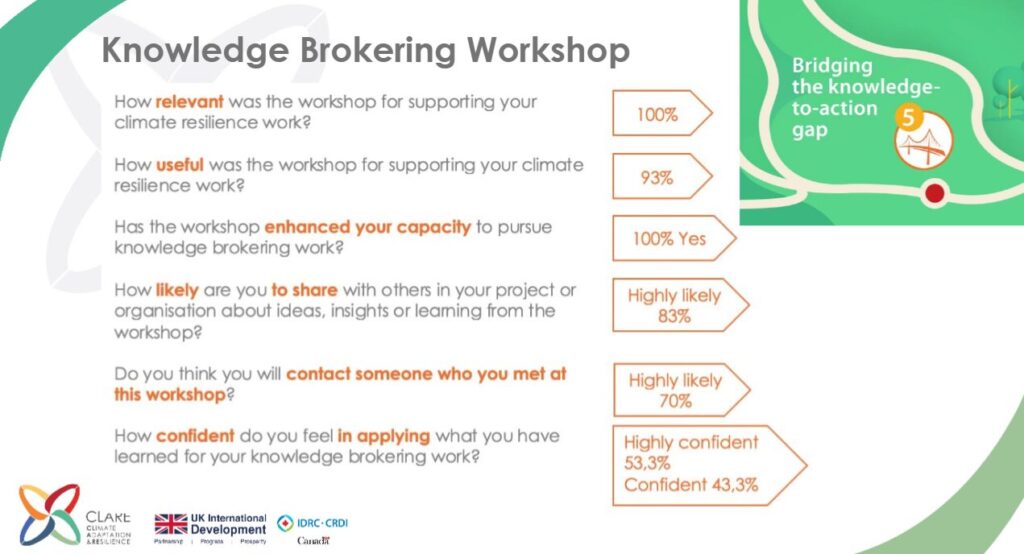
The partnership with CDKN in designing the workshop leveraged the investment made through StepChange to support capacity strengthening for knowledge brokering.
Further Resources:
- CDKN blog: Knowledge for change – learning about knowledge brokering
- CLARE Blog: Engaging communities through puppetry reflections from CLARE’s knowledge brokering workshop
- CLARE Blog: Bridging the gap – insights from the knowledge brokering workshop
- CDKN Story: How do we surface and address power dynamics more inclusive and equitable co-creation processes (also reposted on CLARE website)
- CDKN story: Reflecting as we go – Lessons from designing and delivering CDKN’s knowledge brokering workshops
Footnotes:
- Participants were surveyed for a second time to learn how knowledge and experience gained during the workshop were applied in practice.
- This is evidenced by a post-workshop survey immediately following the workshop.
About the CLARE Capacity Strengthening (CS) Hub:
The Capacity Strengthening (CS) Hub, part of the CLARE Programme, supports the CLARE initiative in its objective to strengthen capacity from research to action for sustainable, climate-resilient development. Hosted by the African Centre for Technology Studies (ACTS) and PlanAdapt, the CS Hub works closely with CLARE projects to strengthen capacity in climate change adaptation and resilience research across individuals, organizations, and networks. The Hub provides tailored and demand-based virtual and in-person support for researchers, practitioners and project staff through a variety of means such as trainings, facilitation and advisory services.
About the CLARE Research for Impact (R4I) Hub:
The CLARE Research for Impact (R4I) Hub supports the uptake of existing research so that it is better understood and used in decision-making contexts that support local adaptation needs and priorities. The R4I Hub was launched at COP28 to support the portfolio of CLARE research projects – as well as projects from past research investments made by the UK and Canada – to bring this knowledge into further use in countries in Africa and Asia-Pacific.
Categories
Countries
CLARE Projects
CLARE Pillars
CLARE Themes
CLARE Topics
CLARE Partners