

Urban Heat Management in ASEAN: Reflections from the CLARE-ASEAN Regional Workshop
/
By Ms. Sumnima Ghimire, Dr. Priya Singh, and Prof. Shobhakar Dhakal
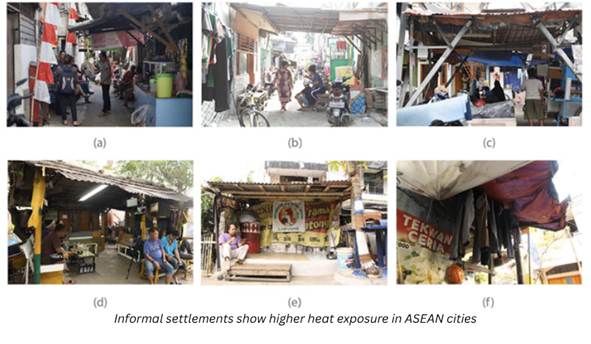
Urban heat across ASEAN cities is no longer simply an environmental concern but a complex urban challenge shaped by institutional, ecological, infrastructural, and social dimensions that influence adaptation efforts across the region. Urban heat in ASEAN cities is closely linked to rapid urbanization and land transformation, with expanding built environments, declining vegetation cover, heat-retaining construction materials, traffic emissions, and dense urban forms intensifying Urban Heat Island (UHI) effects across the region. However, heat exposure is not experienced equally. Informal settlements, industrial areas, densely populated neighbourhoods, and low-income communities often face significantly greater thermal stress and have fewer resources to adapt, including limited access to cooling infrastructure, green space, or adequate housing.
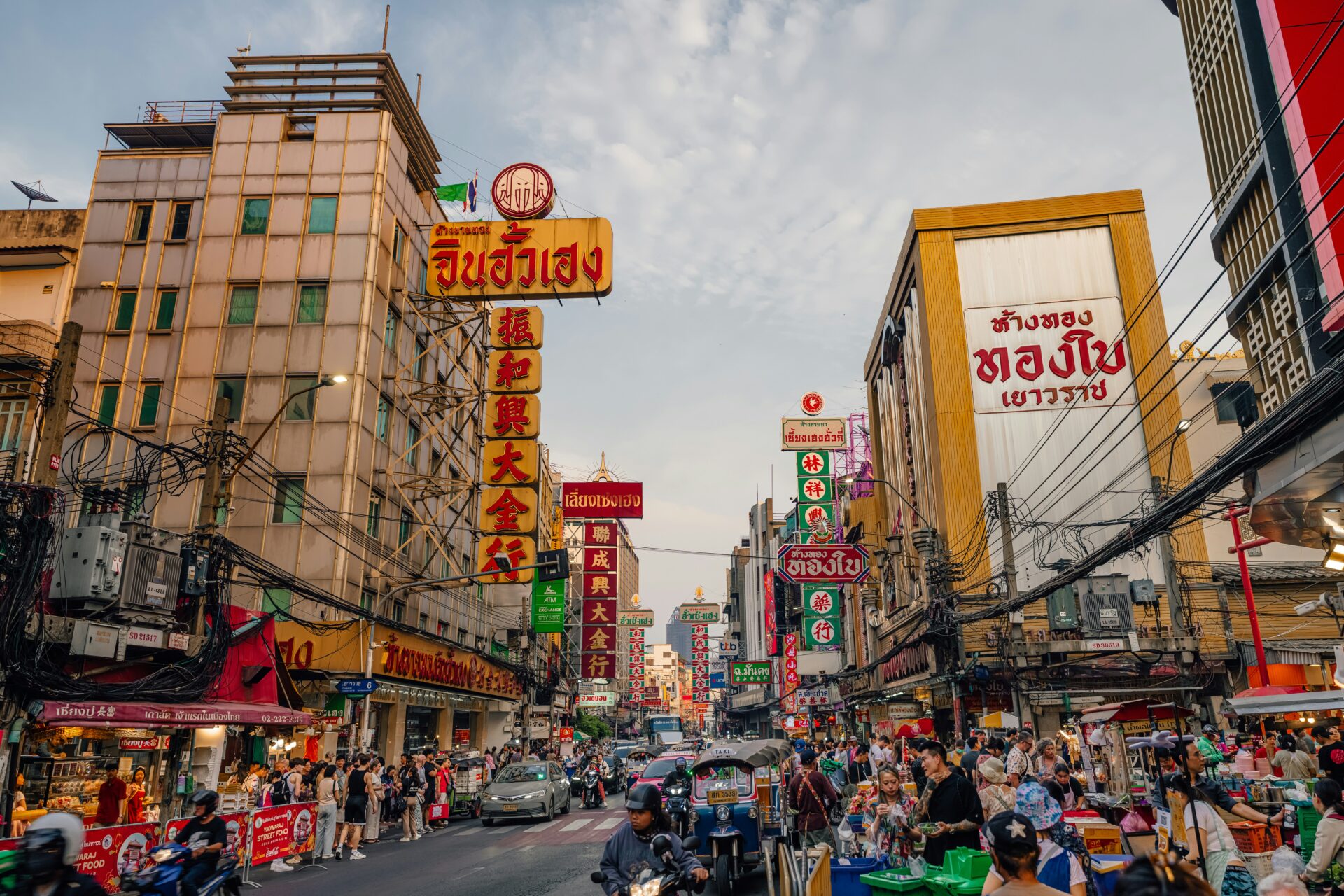
Country experiences highlighted the spatially uneven nature of heat vulnerability across ASEAN cities. In Bangkok and Nakhon Ratchasima, heat risks were concentrated in high-density neighbourhoods with limited green cover and cooling infrastructure, while in Phnom Penh and Hanoi, rapid urban expansion and changing land-use patterns were identified as key drivers of increasing thermal stress. These experiences demonstrate that urban heat is closely linked to broader questions of urban form, infrastructure provision, and socio-economic inequality.
A critical challenge for urban heat adaptation lies in bridging the gap between scientific evidence and urban decision-making, ensuring that scientific assessments inform practical planning and implementation measures. Localized heat assessments play an important role in this process by identifying areas where heat exposure intersects with social vulnerability and limited adaptive capacity. This enables cities to design more targeted interventions and allocate resources to the communities most at risk. At the same time, urban heat cannot be addressed through isolated environmental policies alone, as its impacts cut across labour systems, public health, mobility, infrastructure, housing, and energy demand. Addressing these interconnected challenges requires integrated and cross-sectoral approaches, alongside stronger regional learning and policy exchange among ASEAN cities to strengthen adaptation responses and share practical experiences.
Urban heat has historically received less policy attention than sudden-onset hazards such as floods and droughts. While cities like Bangkok have begun to develop more targeted approaches to heat management, many cities across the region continue to lack dedicated urban heat plans or integrated heat response mechanisms. Institutional fragmentation and sectorally divided adaptation planning frameworks continue to limit effective urban climate responses across Southeast Asia. This results in adaptation approaches that are often fragmented across sectors and agencies, weakening their ability to address interconnected and cascading climate risks in a coordinated manner. Within this context, strengthening urban heat strategies requires moving beyond standalone interventions and ensuring stronger alignment with broader urban development plans, financing systems, and investment priorities, so that heat is integrated into core urban decision-making rather than treated as a secondary policy concern.
While the cooling functions of green and blue infrastructure are widely recognized, their effectiveness is increasingly constrained by challenges in ecological restoration and land protection within highly urbanized environments. Wetland encroachment, declining urban water systems, unregulated expansion, and land-use changes have weakened ecological buffers, further intensifying heat exposure across cities. At the same time, financing remains a critical constraint, as urban heat interventions are often pursued without strong institutional commitments or long-term financing mechanisms. Adaptation finance continues to prioritize large-scale infrastructure, while passive cooling systems, ecosystem-based approaches, and community-level interventions receive comparatively limited support. Although instruments such as green bonds, land-value capture mechanisms, carbon markets, and energy-efficient building systems were identified as potential pathways, their application remains uneven and often inaccessible to smaller municipalities and low-income communities.
Alongside scientific monitoring and technical interventions, local knowledge and everyday adaptation practices play an important role in coping with heat. Across ASEAN cities, communities already rely on informal strategies such as behavioural adjustments, community greening, shading arrangements, and low-cost cooling practices; however, these remain largely disconnected from formal planning systems and institutional adaptation frameworks. Strengthening collaboration between researchers, local authorities, practitioners, and communities is therefore essential to build trust in scientific evidence and support more context-sensitive approaches to urban heat adaptation.
Urban heat management clearly requires far more than isolated technical interventions or short-term emergency responses. It calls for integrated approaches that link scientific evidence, ecological systems, planning, public health, finance, and inclusive governance, reflecting wider urban development trajectories, institutional capacity, and infrastructure inequality across rapidly transforming cities in the region.
CLARE-ASEAN organized a Regional Workshop and Dialogue on Strengthening Urban CLimate Adaptation and REsilience in ASEAN: Bridging Knowledge-Policy-Action Gaps, 12–13 May 2026, at Crowne Plaza Bangkok Lumpini Park.
Categories
CLARE Pillars
CLARE Themes
CLARE Topics
Published
CLARE Projects
CLARE Partners